Autumn reveals what the forest was hiding all along
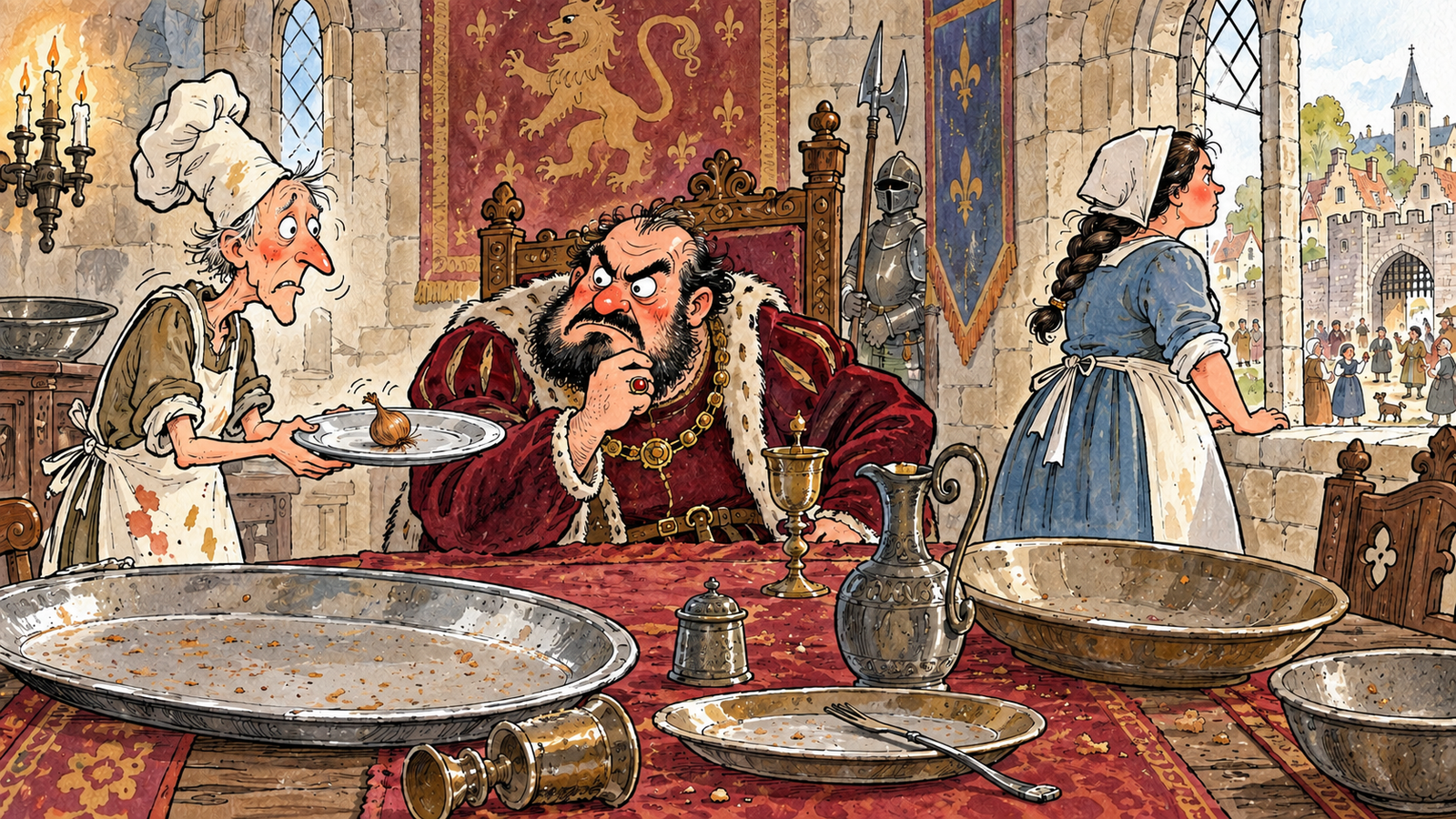
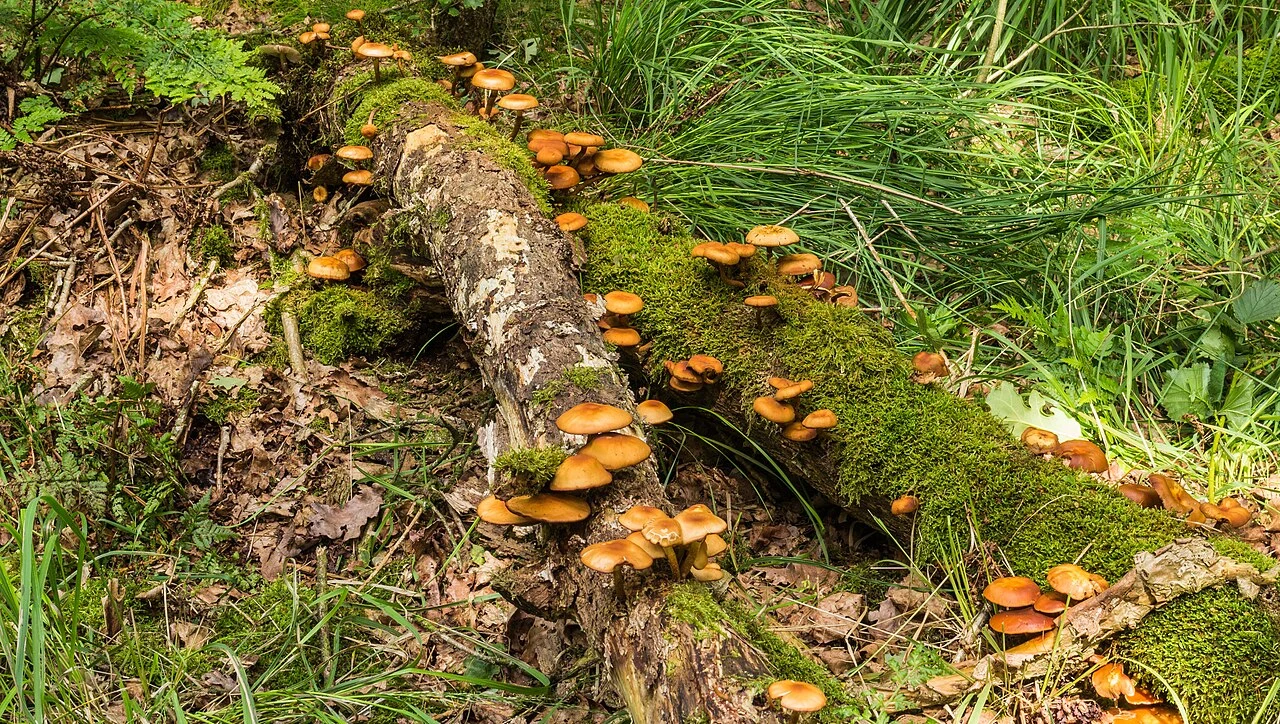
A mushroom seems to shoot out of the ground overnight. The fungus it belongs to was often there already. In autumn, a hidden part of the forest shows a visible face.
Read the story →
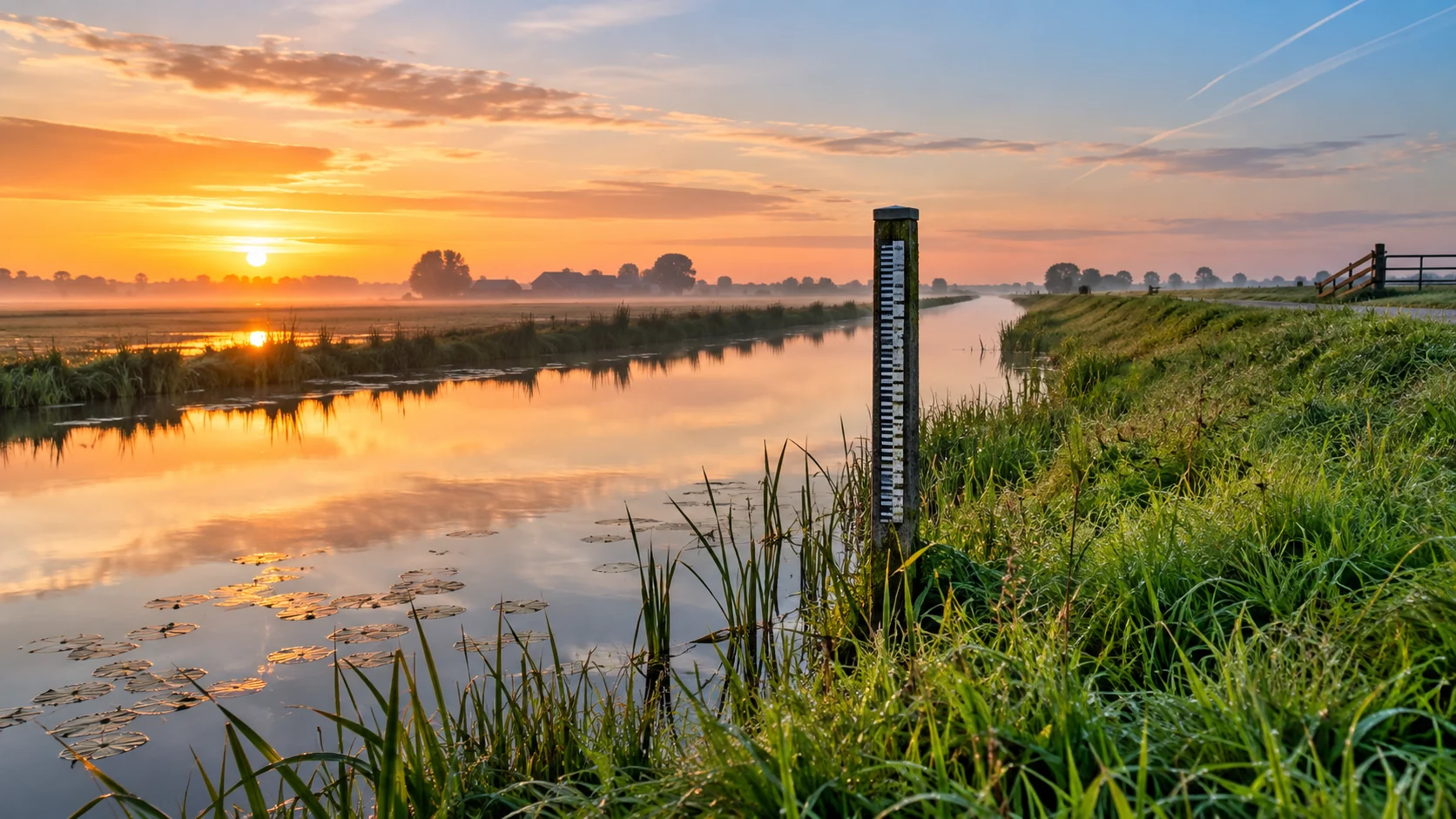
Picture a polder lying two metres below NAP. But below which water, exactly? The three letters after a height mainly tell you which measuring stick you are using to look at the Netherlands.
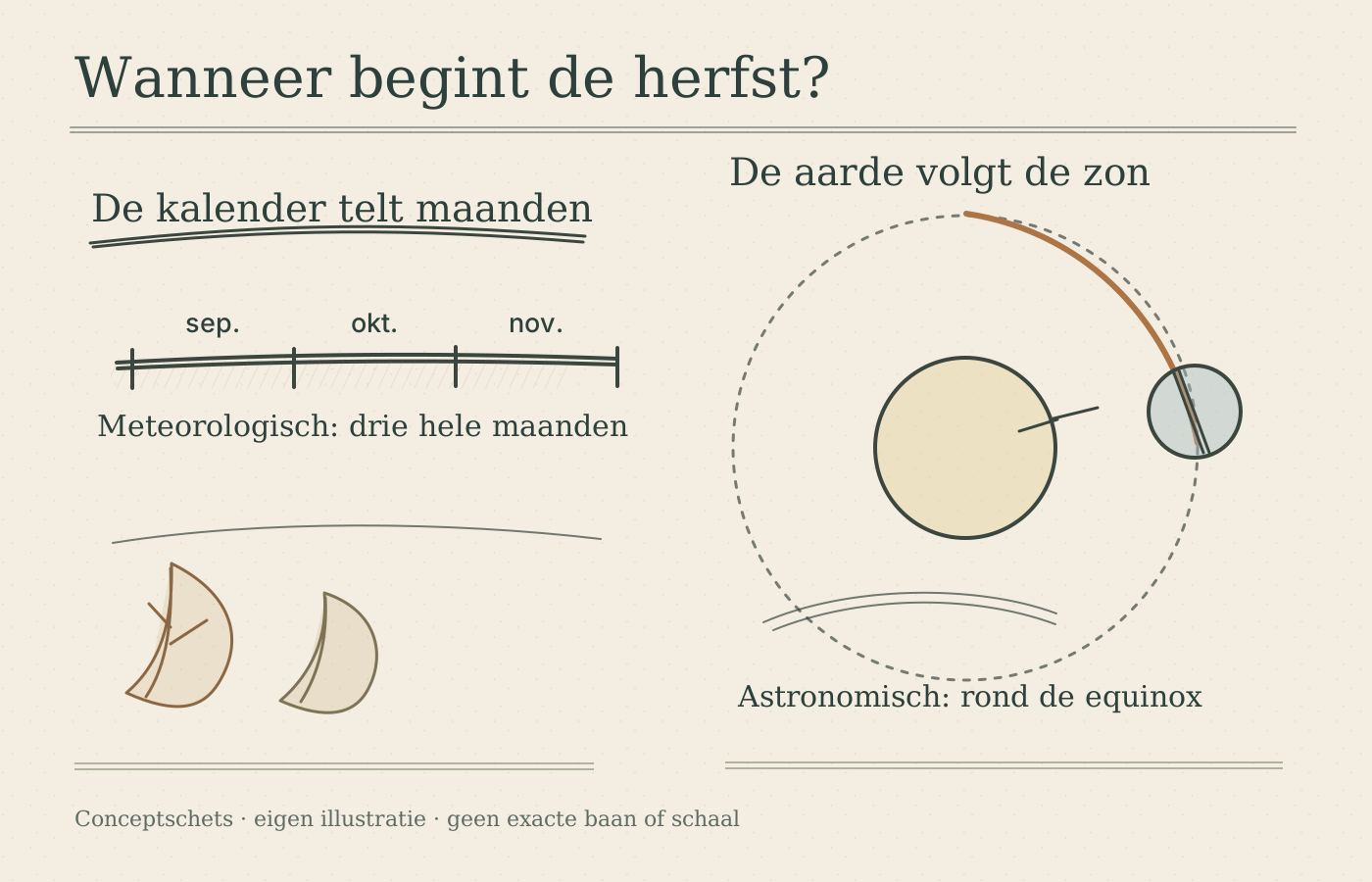
Read the story →September has two ways of becoming autumn. One follows the position of the Earth and the Sun; the other starts neatly on the first day of the month. They answer different questions.
Own diagram, compiled with AI.
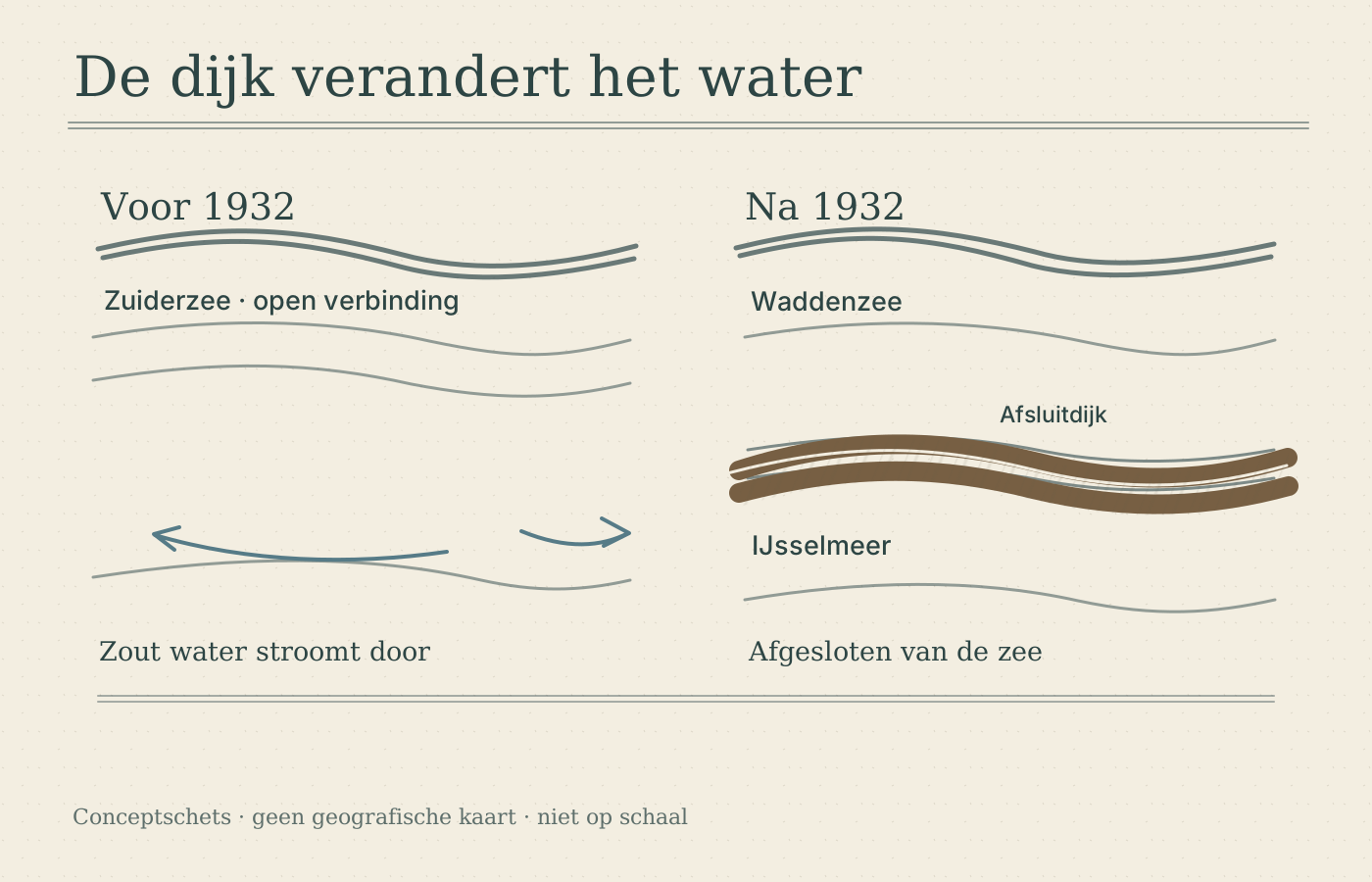
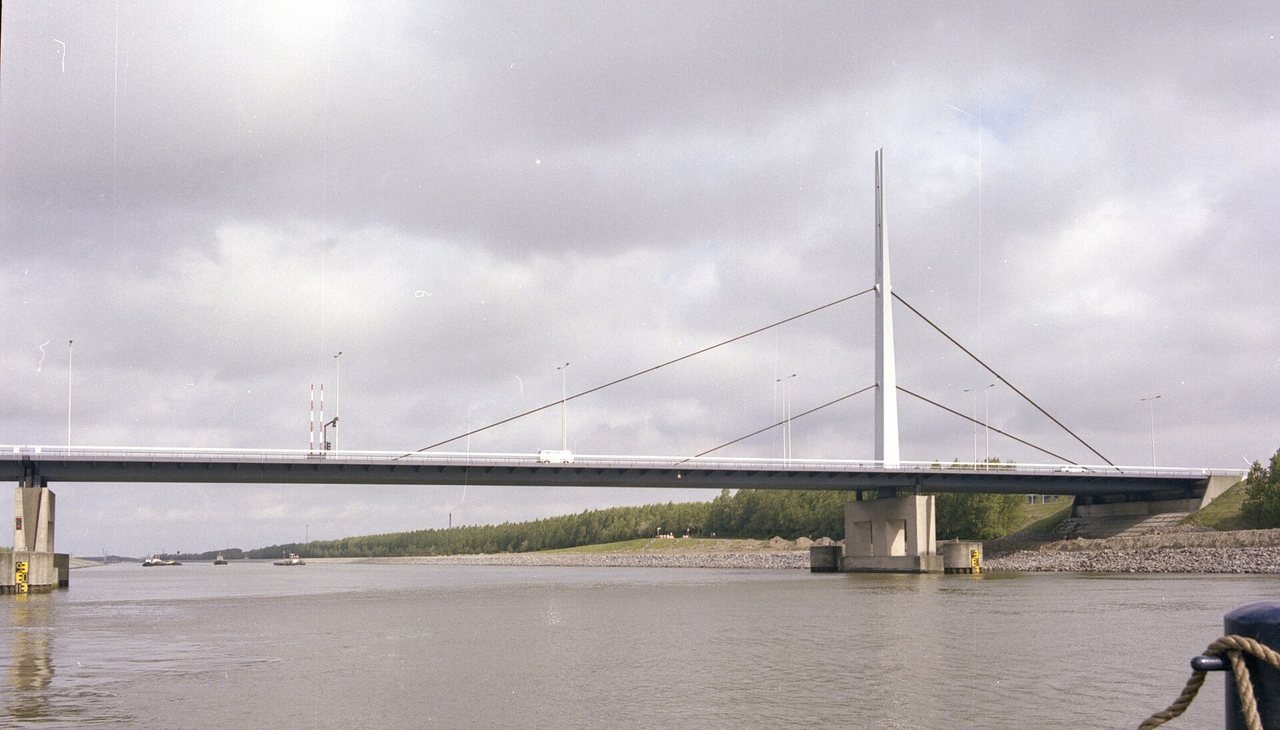
Den Oever and Zurich lie at either end of the same water barrier. Between those two places, the relationship between sea and land changed in 1932. But afterwards the Zuiderzee acquired more than one new name.
Own diagram, compiled with AI.

Just for fun ·
Birthday on 2 October?
We wish you generous birthday greetings, an unexpectedly funny conversation and just the right amount of bustle for your taste. For the year ahead: time to be a beginner at something, people happy to join you and plans that can still change direction. Today you only have one role to play: the birthday person.
See the horoscopes for 2 October
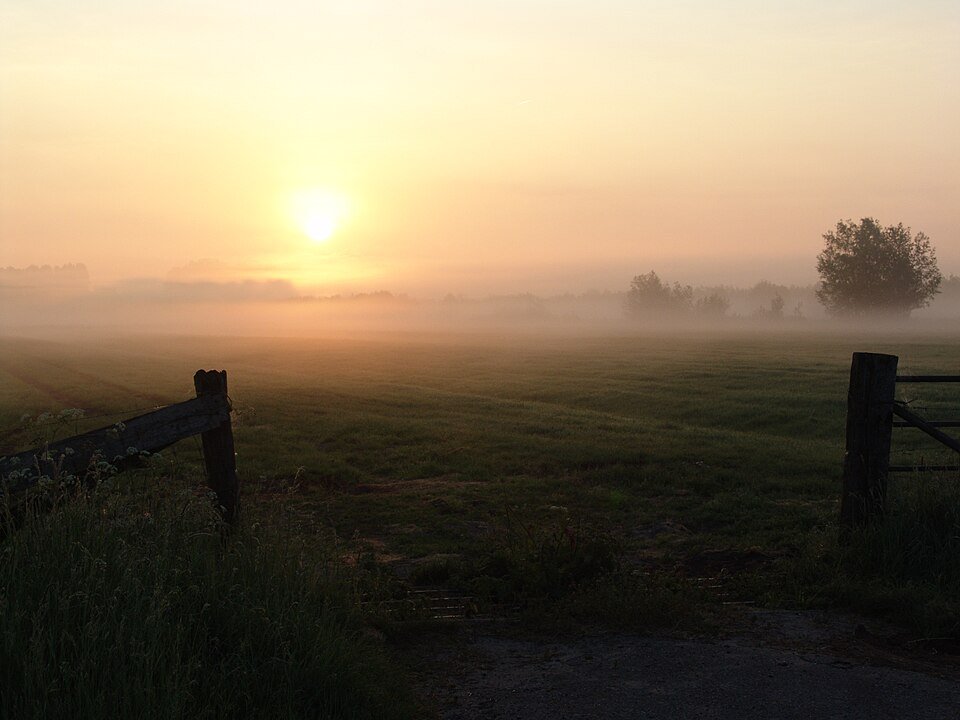
After a clear night, a white layer lies over the grass while the city is still visible. It is not a cloud that has settled on the ground. It is the meadow giving off its heat.
Read the story →
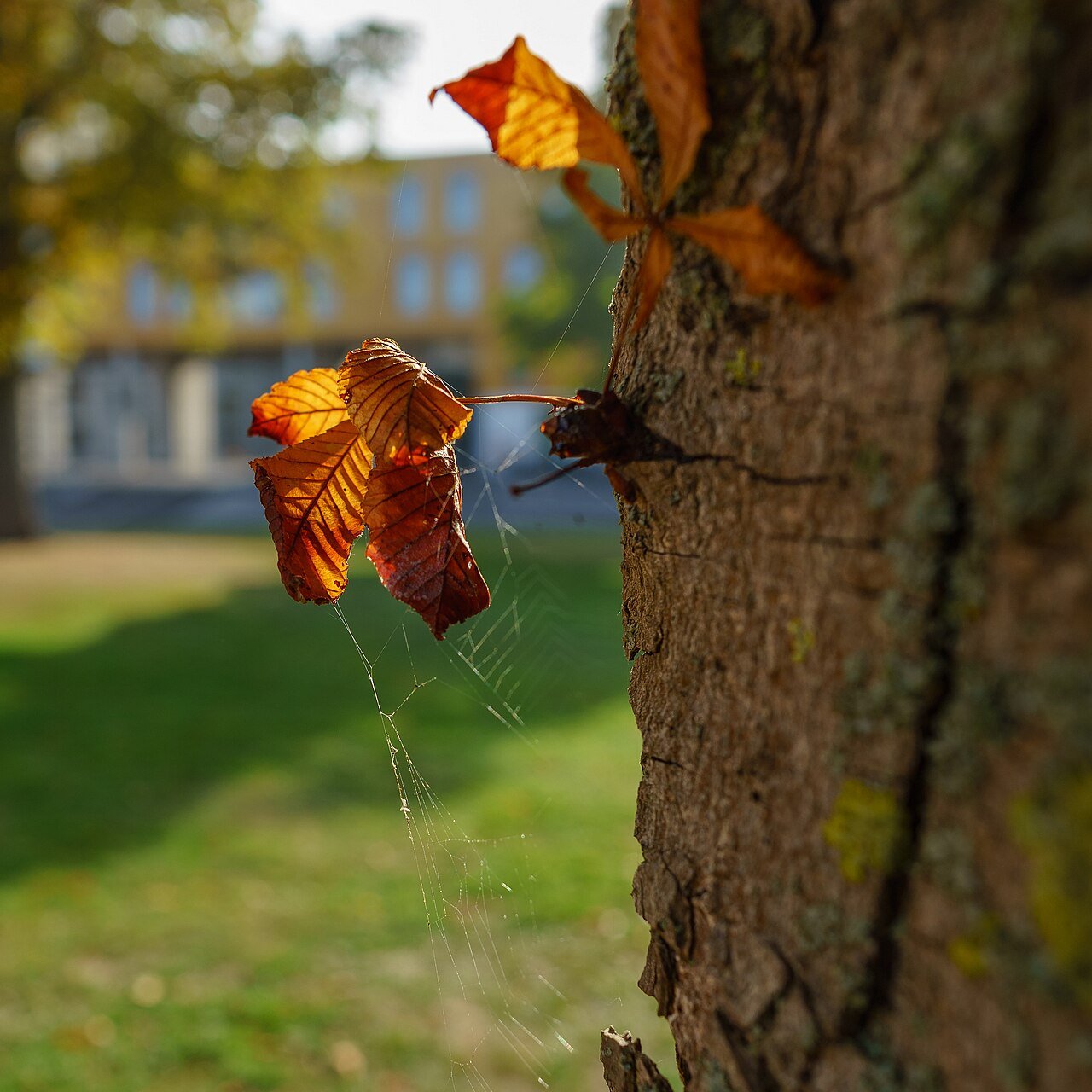
Yellow and orange are present in the leaf for almost the entire year. You only see them when the green disappears.
Read the story →The coloured image on your phone is not a bucket sitting on the grass. It is an echo high in the atmosphere, converted into an estimate of rain.
Read the story →
In the evening, the air changes as soon as the buildings become denser. Stone has stored the sun's heat during the day and releases it slowly.
Read the story →
Beneath the sand of the Dutch coast, fresh water lies on top of salt water. Drinking-water companies use this reservoir as both a filter and a reserve.
Read the story →
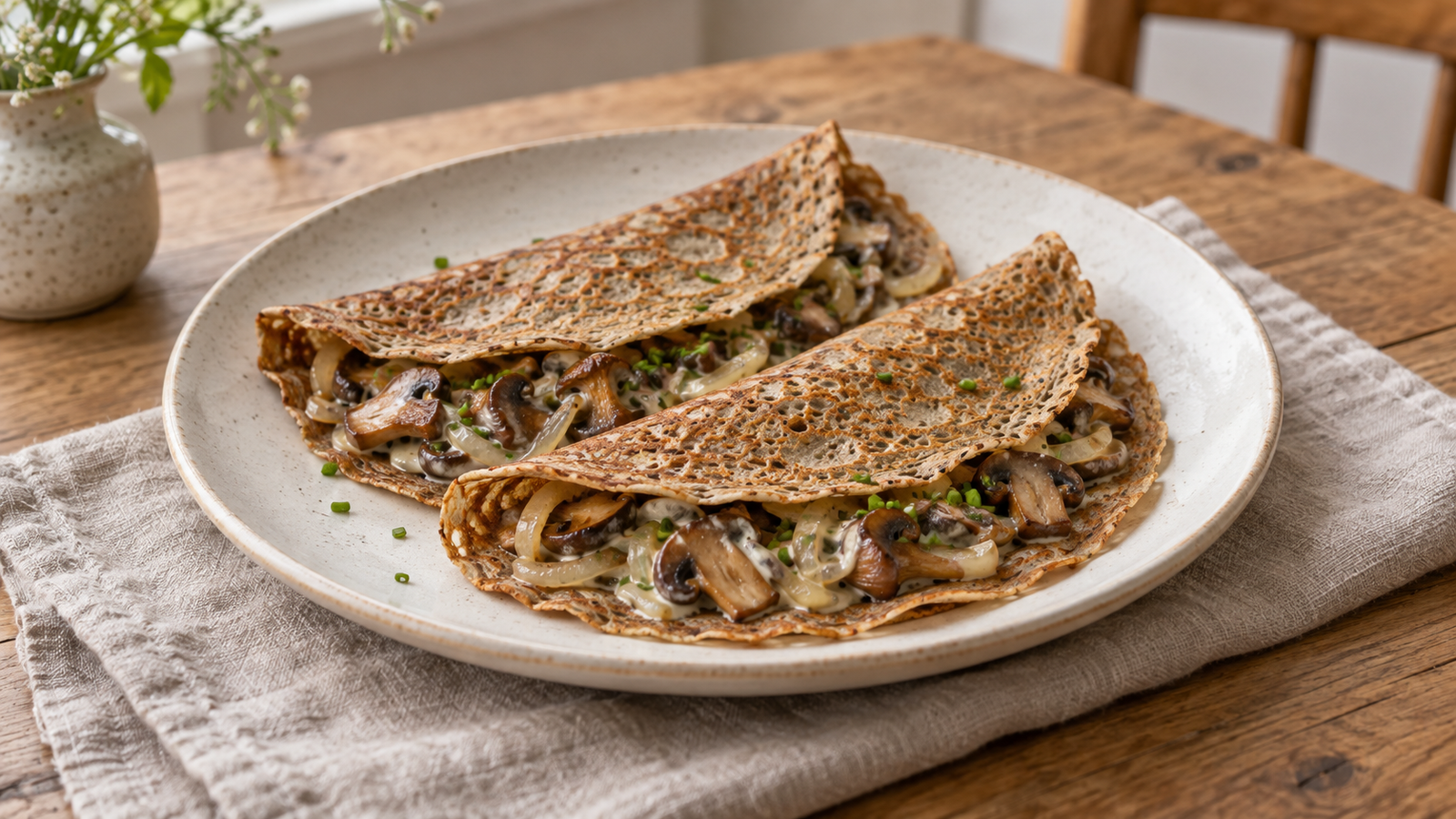
No syrup today: these thin pancakes are filled with fried mushrooms and a spoonful of crème fraîche. Buckwheat gives the batter an earthy flavour; the wheat flour helps when you turn the pancakes.
View the recipe →
The runner beans remain visible here: fine green strips through roughly mashed potatoes, with soft fried onions on top. A small spoonful of mustard gives the mash a little bite.
View the recipe →
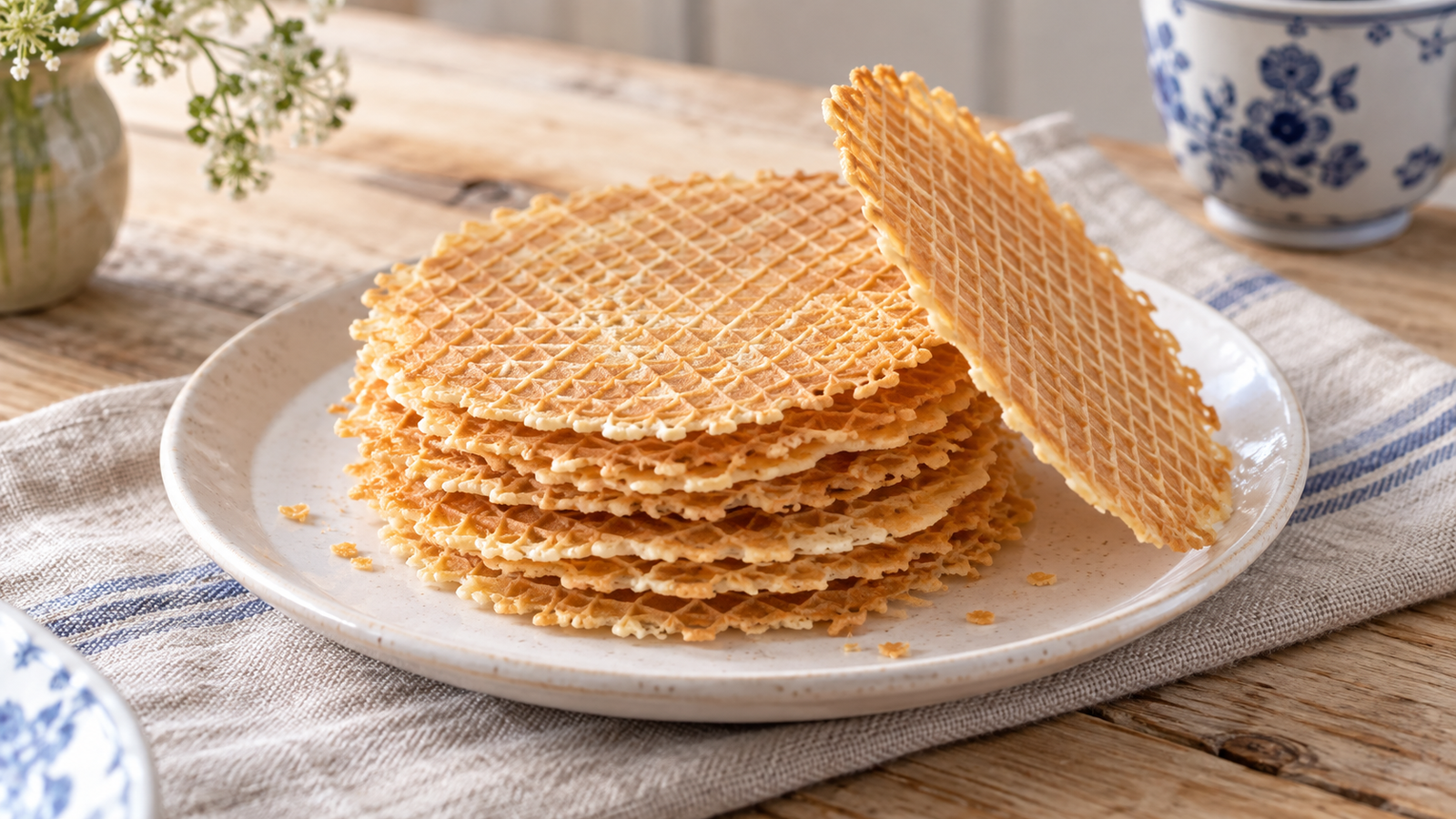
You do not need an oven for these thin wafers. A small ball of dough goes between the hot plates; a few minutes later, a light-brown biscuit is resting on the rack.
View the recipe →
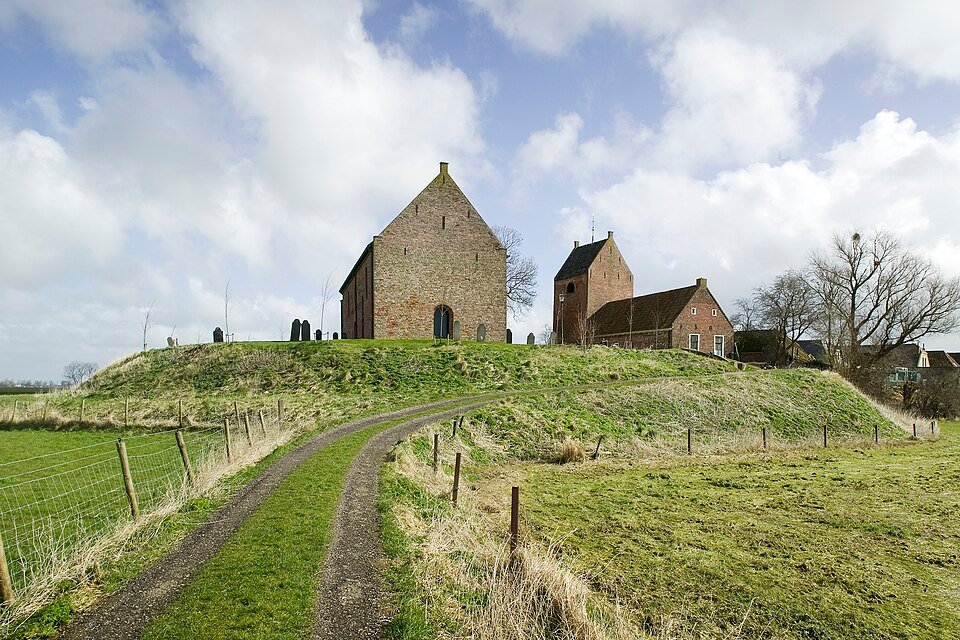
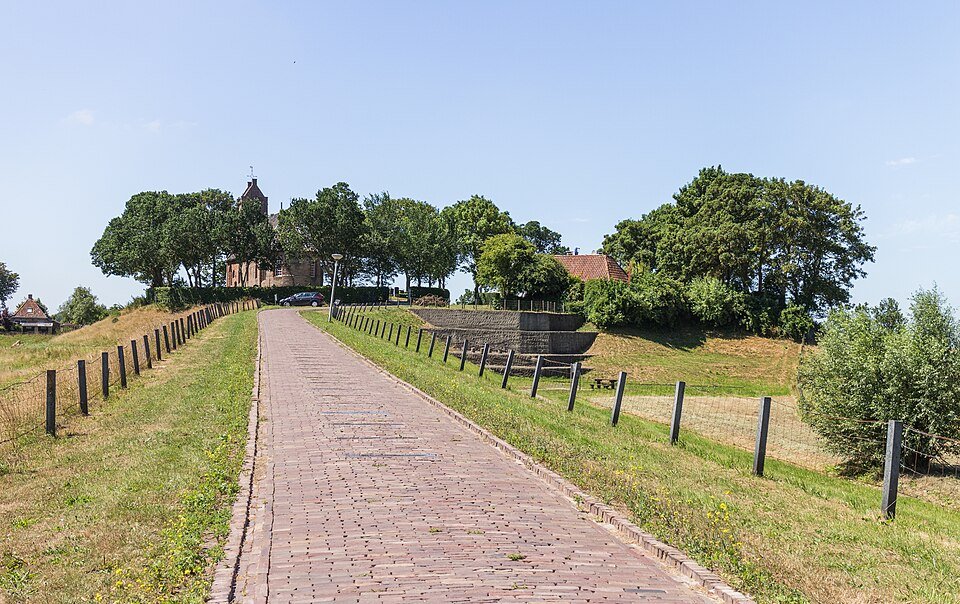
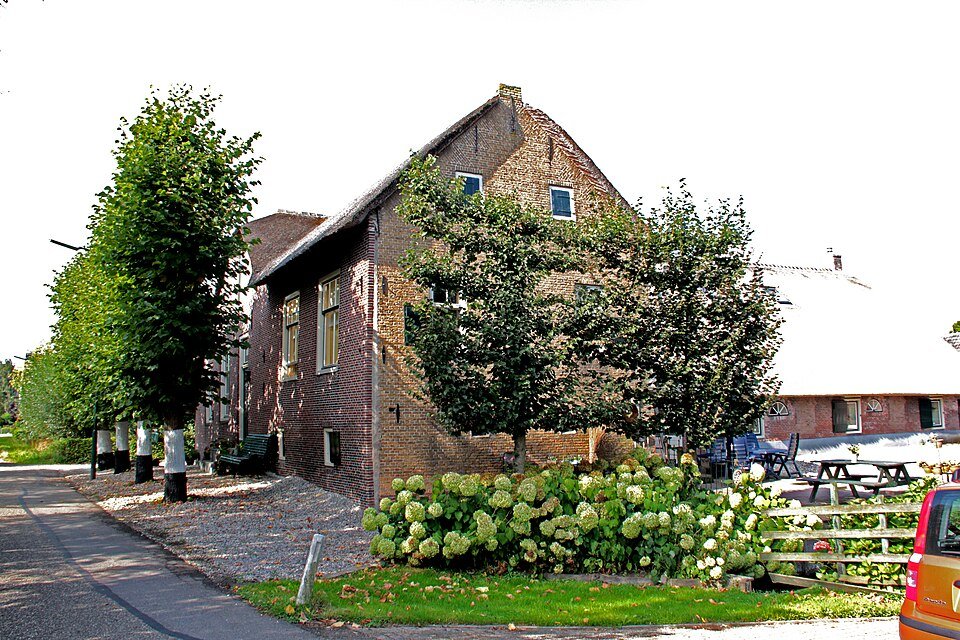
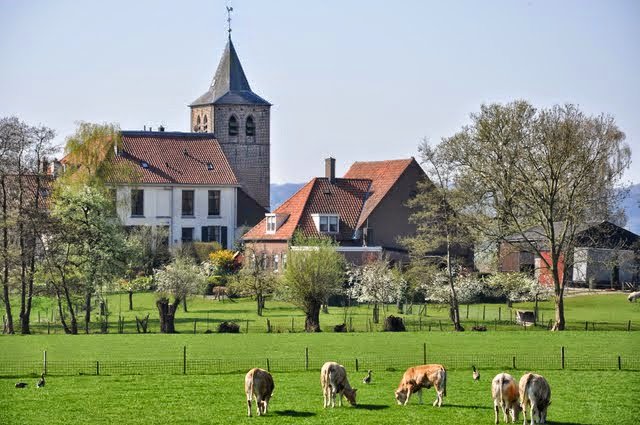
In the clay landscape of Groningen, a village rises above the surrounding ground. That mound is not a push moraine. It is a terp, known here as a wierde: earth piled up to provide a dry place to live when the sea could still flow freely in and out.
Read the story →
A Frisian terp is not merely a Groningen wierde with a different pronunciation. It is the same trick — living higher up — but here you can read it as a cross-section of a coast that continually changed shape.
Read the story →
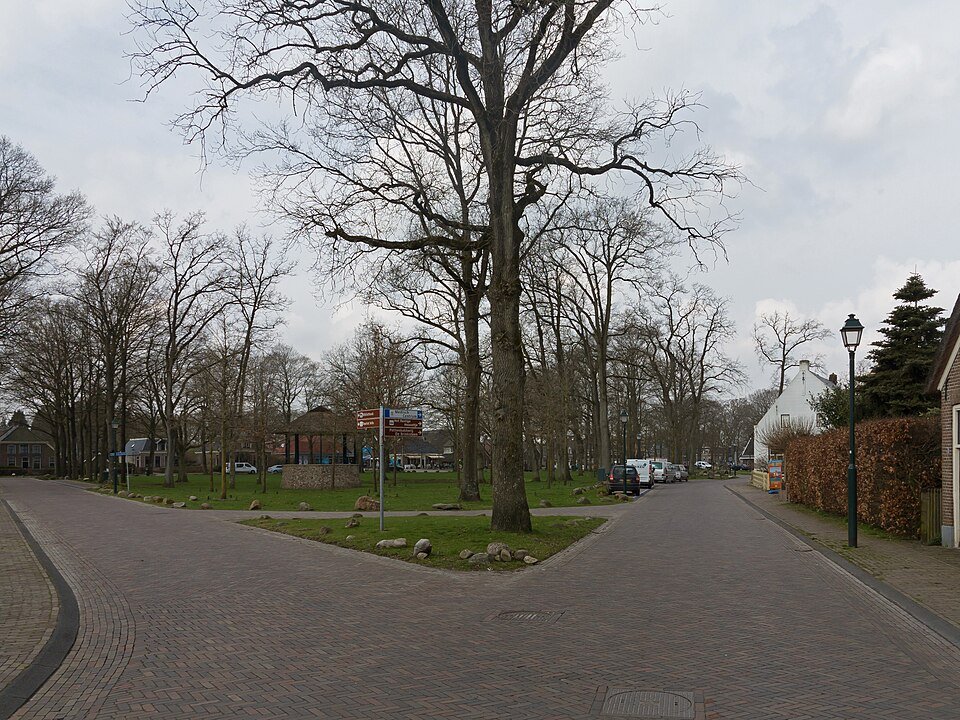
A Drenthe esdorp is not a ribbon development along a road. It is a division of labour: the es for grain, the village green for livestock, and the heath and stream valley for everything else.
Read the story →
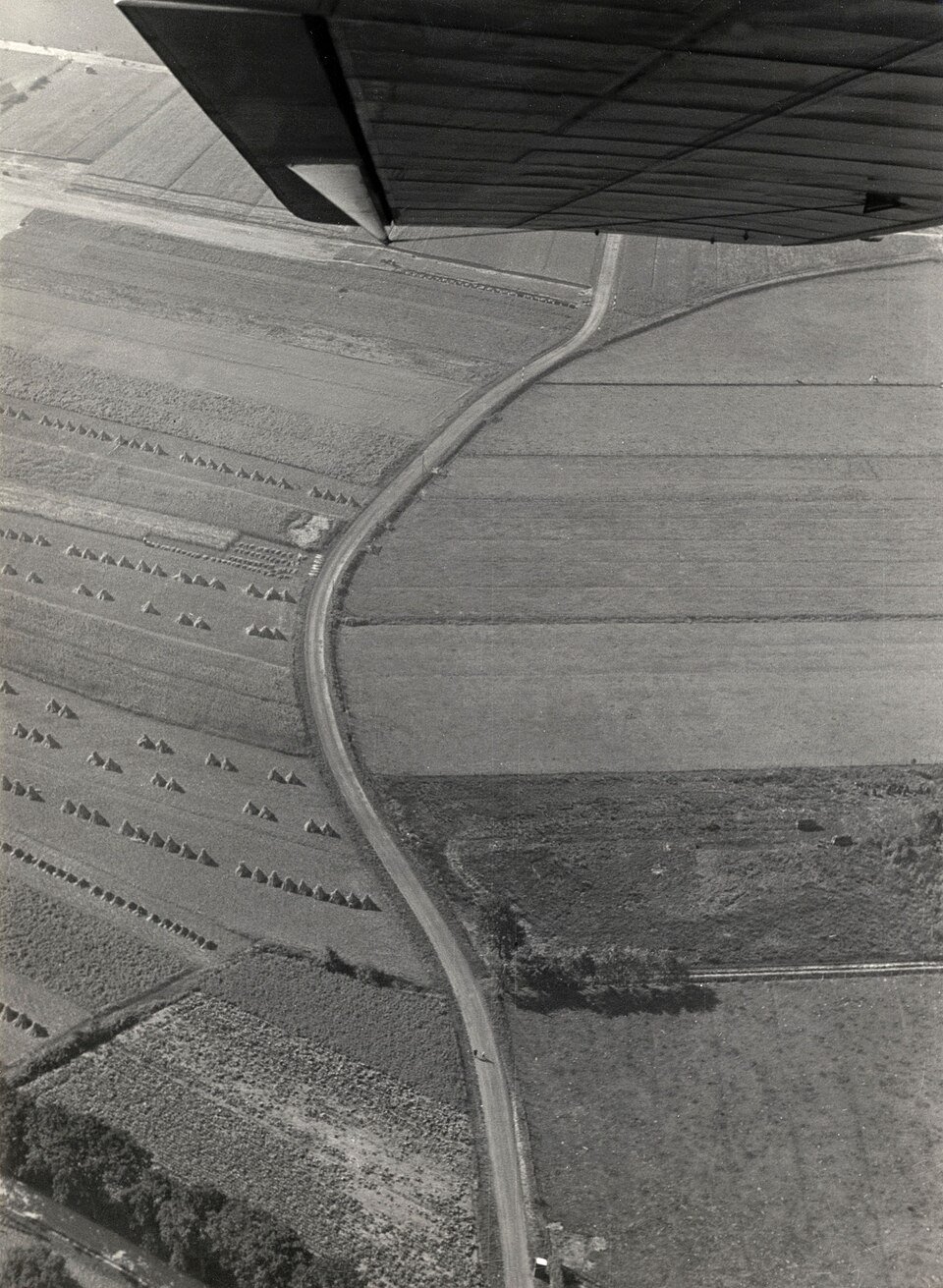
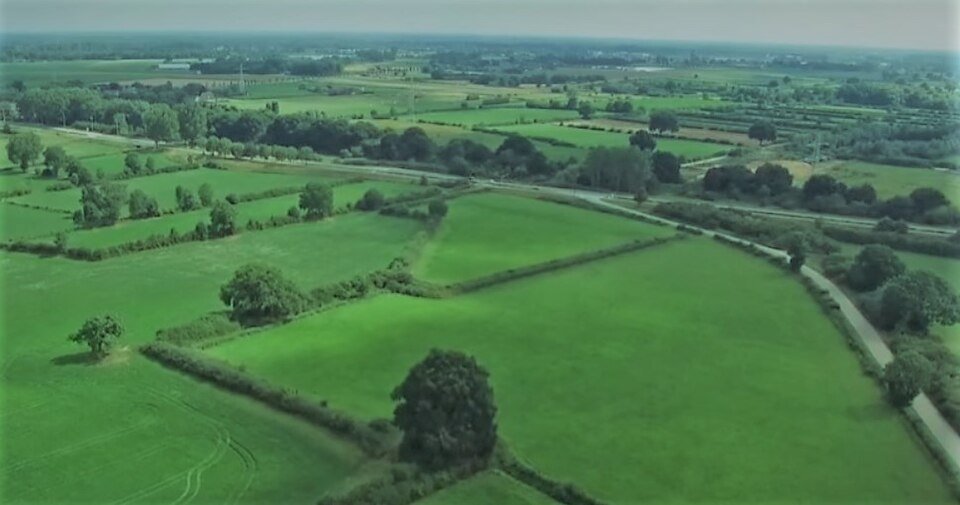
In Twente, wooded banks, hedges and tree belts repeatedly interrupt the view. Beyond one green boundary, another meadow appears. That is how the landscape gets its name: coulisses, like the wings of a theatre stage.
Read the story →
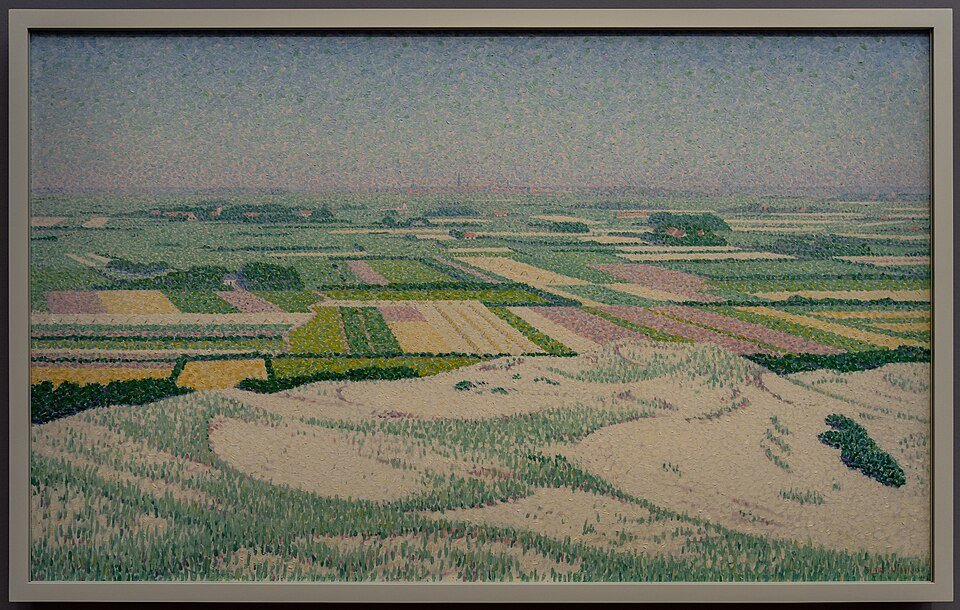
The Veluwezoom and the hills near Nijmegen are not wind-blown dunes. They are push moraines: frozen river deposits that the land ice pushed aside during the Saalian glaciation.
Read the story →
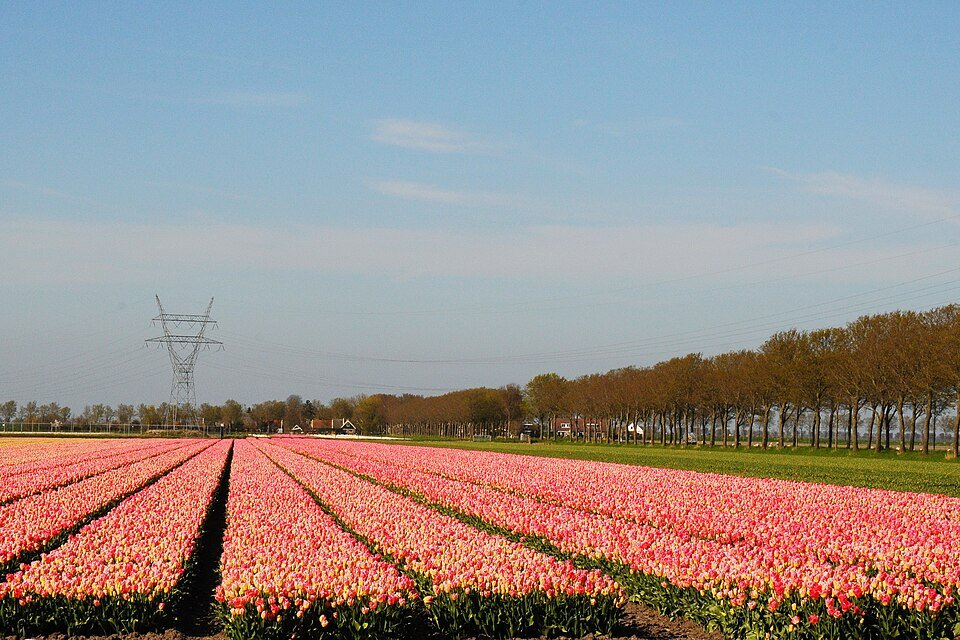
In Flevoland, you cycle across a former seabed. The IJsselmeer lies higher than many field edges. That is not an optical illusion. It is a polder.
Read the story →
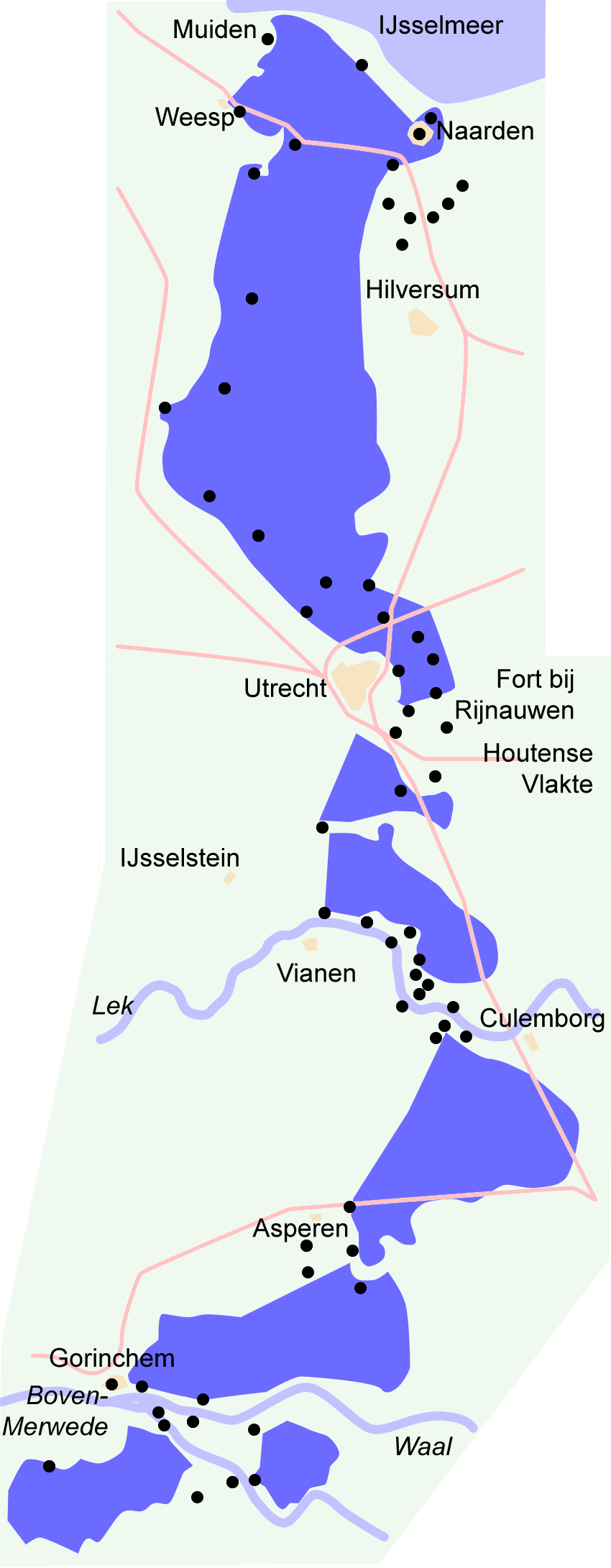
East of Utrecht lies more than an ordinary river dyke. There is an old agreement embedded in the landscape: in wartime, let the land flood so that an army would become bogged down in the water.
Read the story →
Beemster, Purmer, Schermer: names of lakes that disappeared. What remained is a floor of clay below NAP, laid out in straight plots.
Read the story →
Between Gouda, Woerden and the Nieuwkoopse Plassen lies land that feels soft and is slowly sinking. This is peat meadow: grass growing on an ancient marsh.
Read the story →
In Zeeland, a village road sometimes runs over a gentle rise while the meadow beside it lies lower. That rise is a creek ridge: sand left behind by a tidal channel.
Read the story →
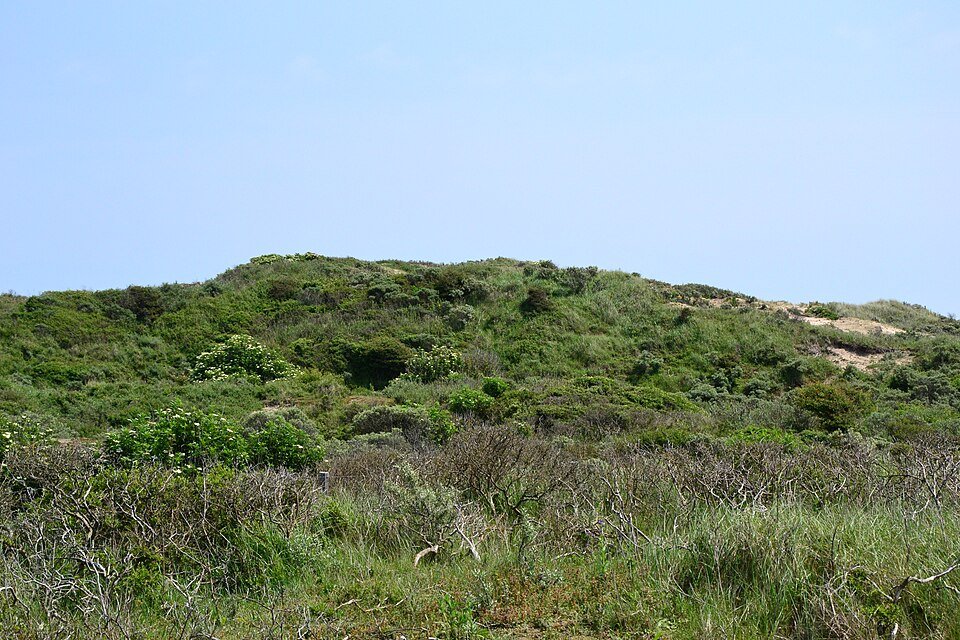
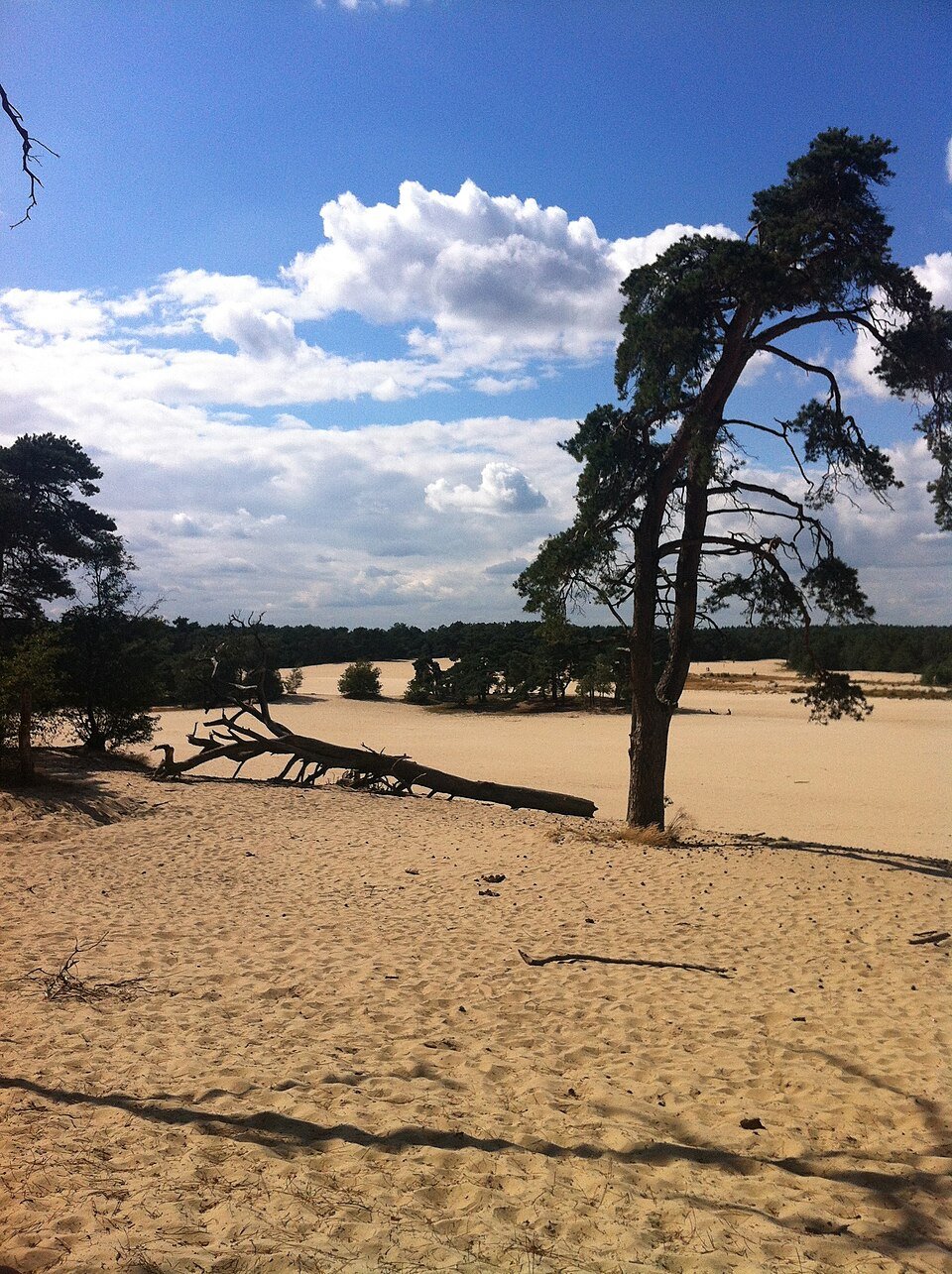
On the Loonse en Drunense Duinen, sand blows across the cycle path. This is not a beach. It is inland drifting sand created by the landscape itself.
Read the story →
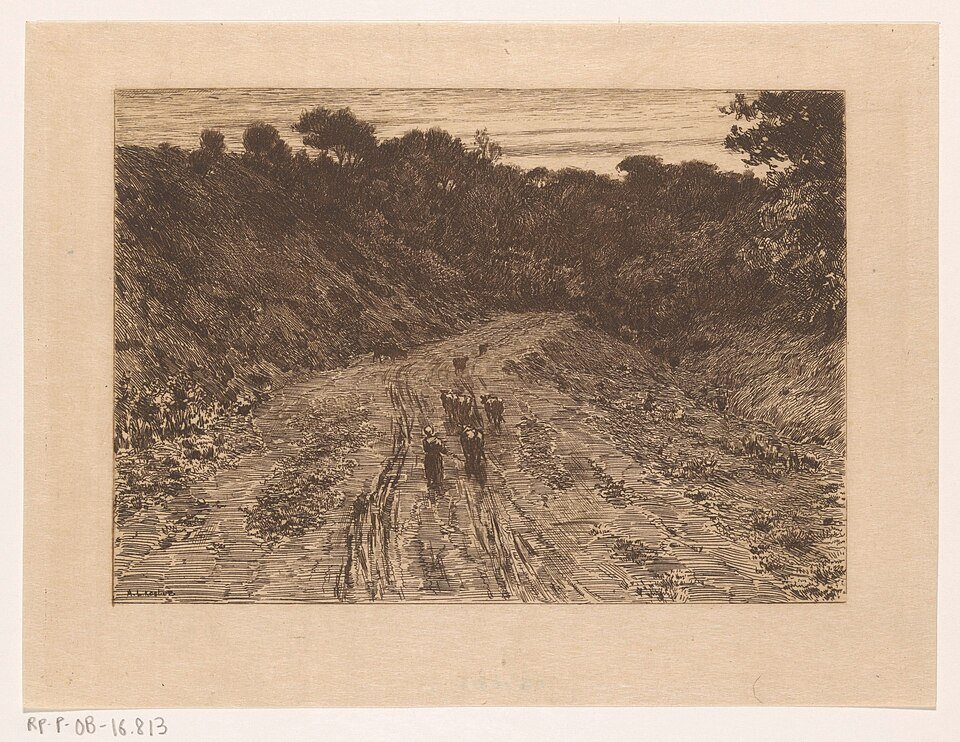
In South Limburg, you sometimes walk between two walls of loess. Above you, a tractor drives across the plateau. You are metres lower, down in the lane.
Read the story →
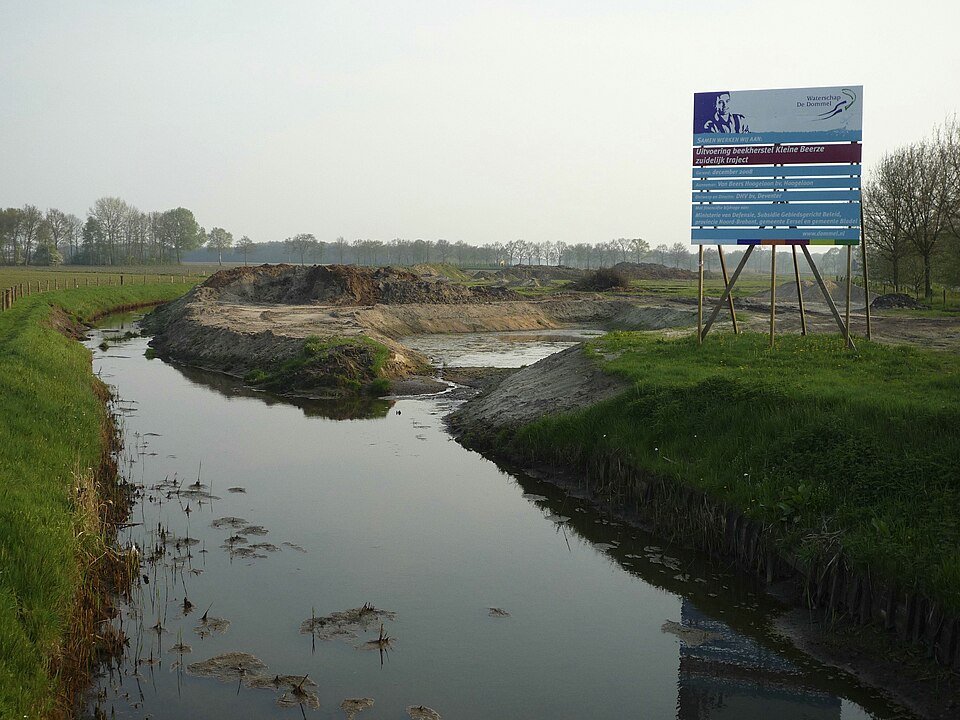
Many Dutch streams were straightened to drain water quickly. Stream restoration gives some of those bends back.
Read the story →
A hedge is more than a property boundary. In the Maasheggen, the woven structure itself is the monument.
Read the story →
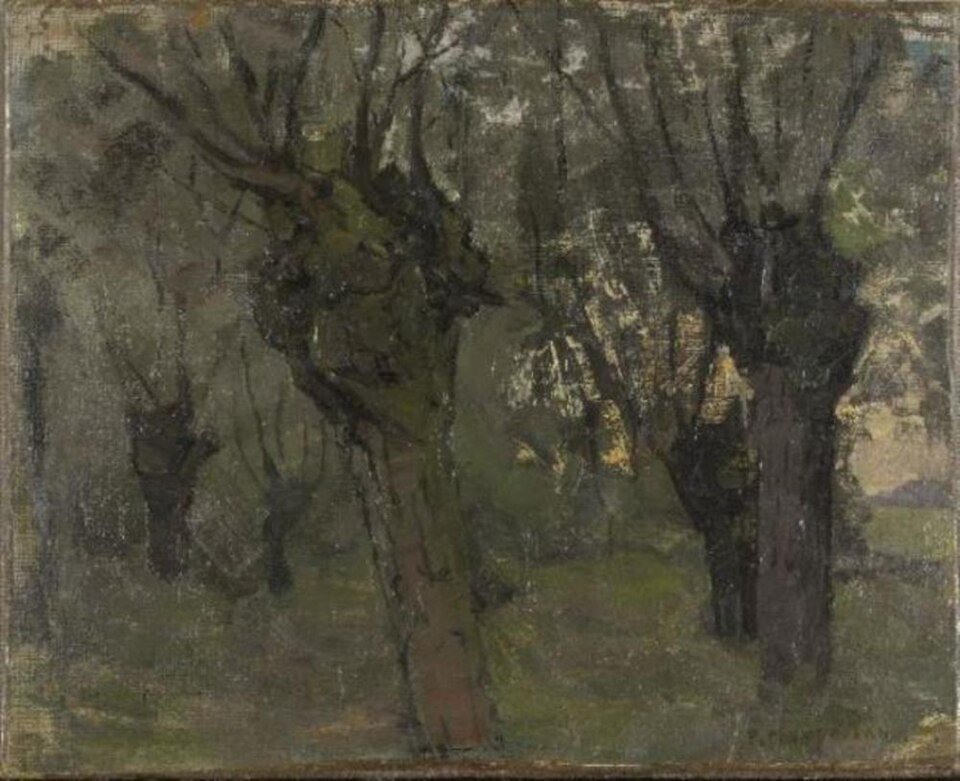
Along ditches in river-clay landscapes stand willows with a thick knob and a crown of twigs. That knob is not a disease. It is a pollard head.
Read the story →
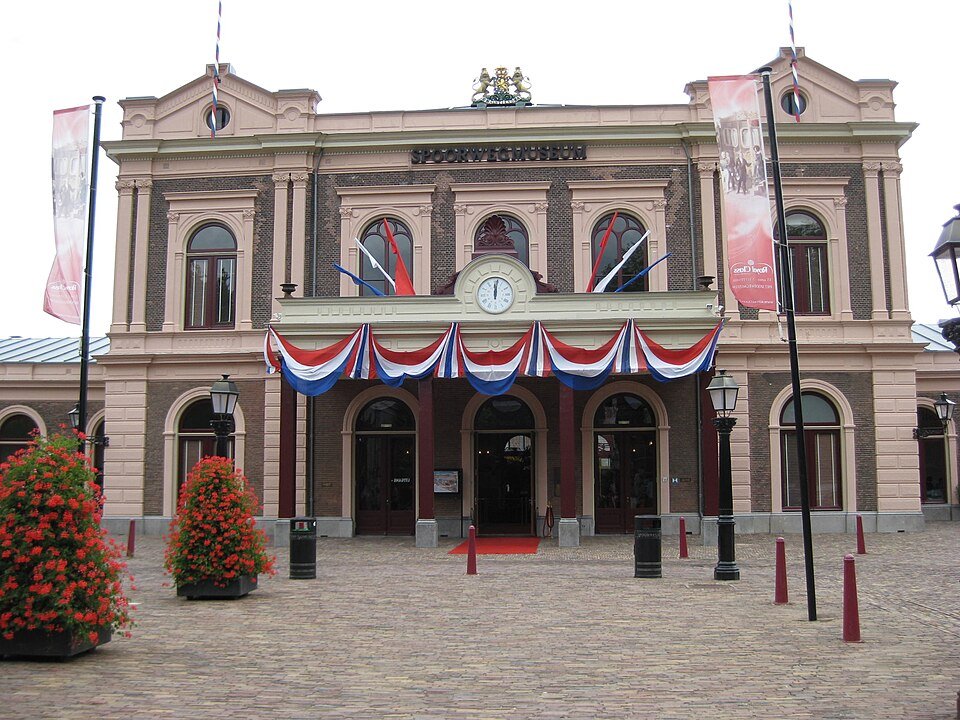
The Railway Museum is not housed in a station by coincidence. Maliebaan was a railway stop. The collection explains how that building once fitted into a network.
Read the story →
The Hague is home to one of the world's oldest private car collections. The early vehicles show that driving was initially an experiment, not a daily commute.
Read the story →
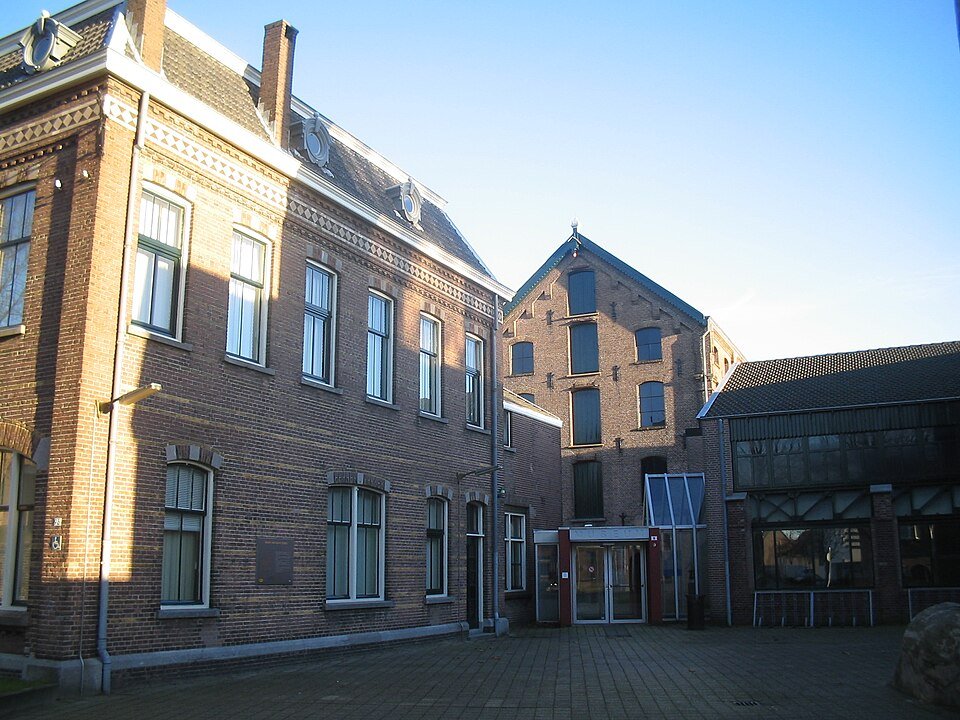
Tilburg was a wool city. The TextielMuseum does not merely preserve samples. It shows the machines that turn thread into cloth.
Read the story →
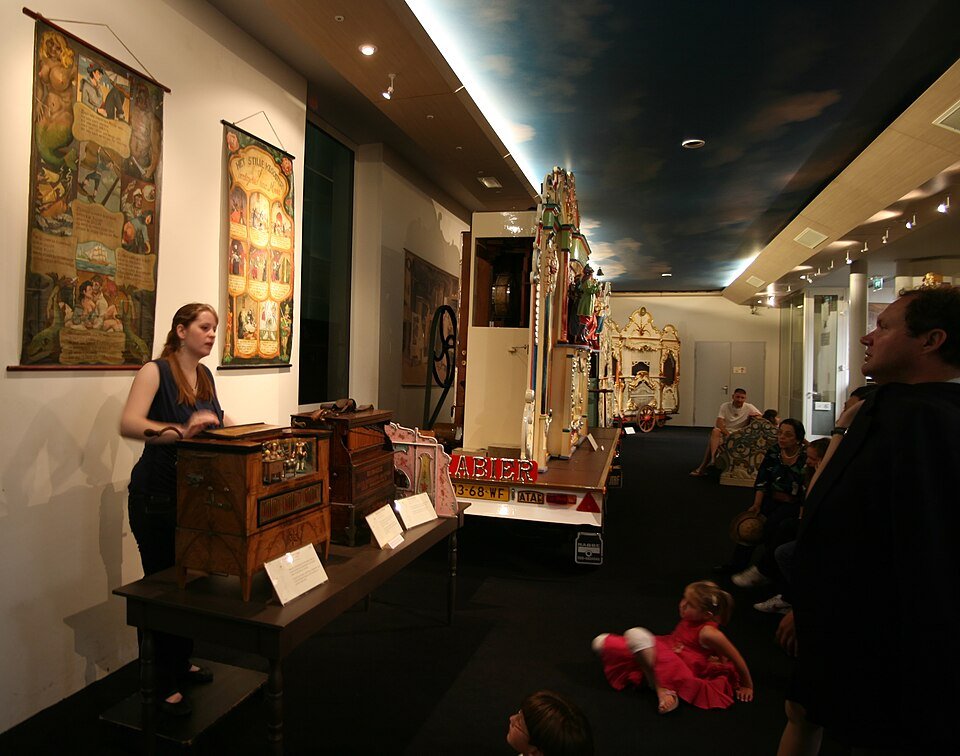
In Utrecht, an entire museum is devoted to instruments that play themselves. The question is not only how they sound. The question is how the music is stored inside them.
Read the story →
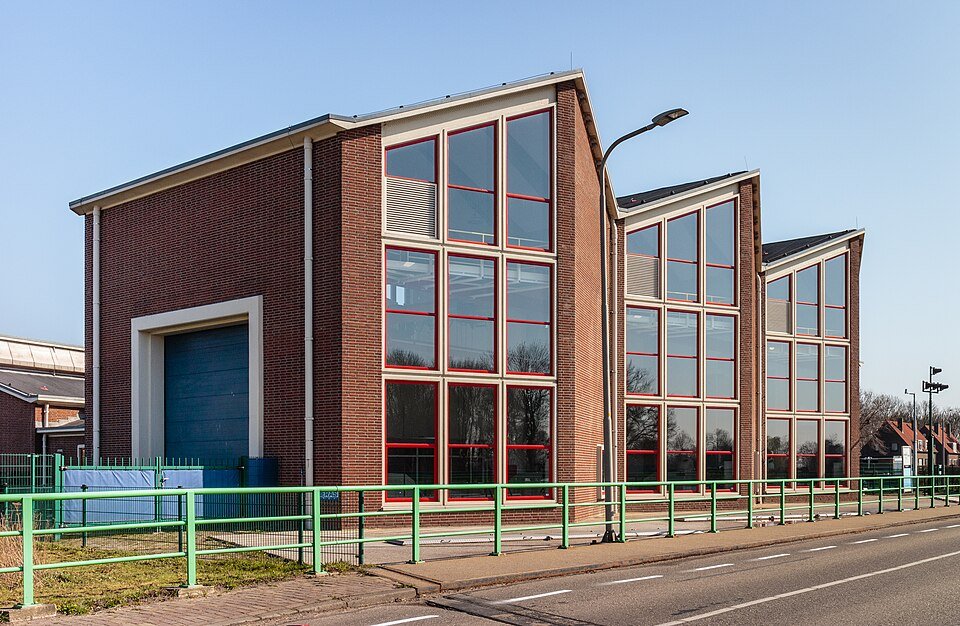
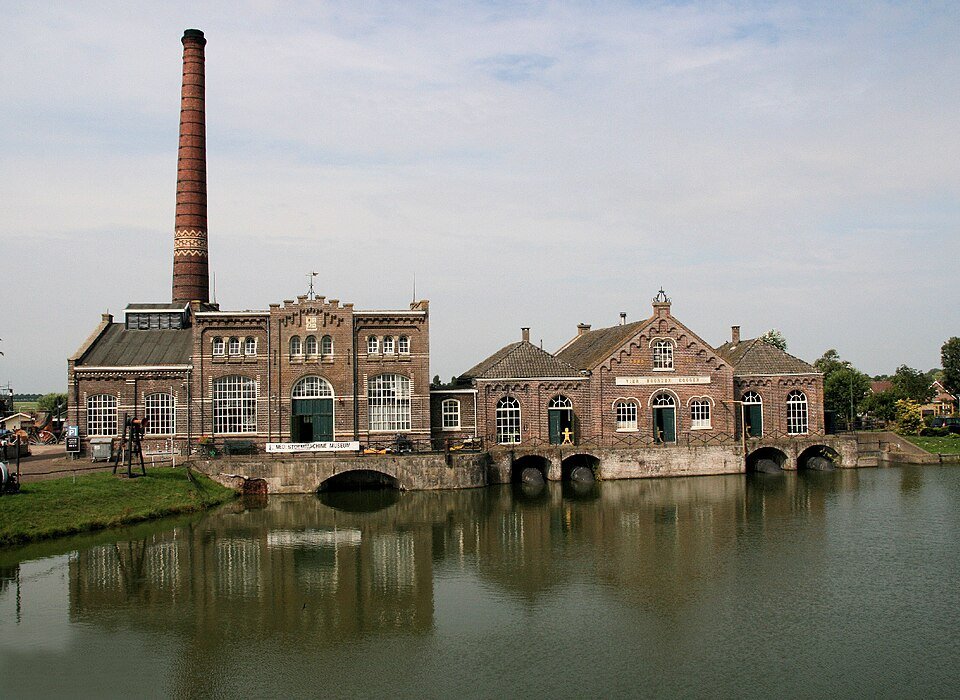
On the IJsselmeer stands a museum in a former steam pumping station. Its machines tell the story of why steam once made the difference between a wet polder and dry farmland.
Read the story →
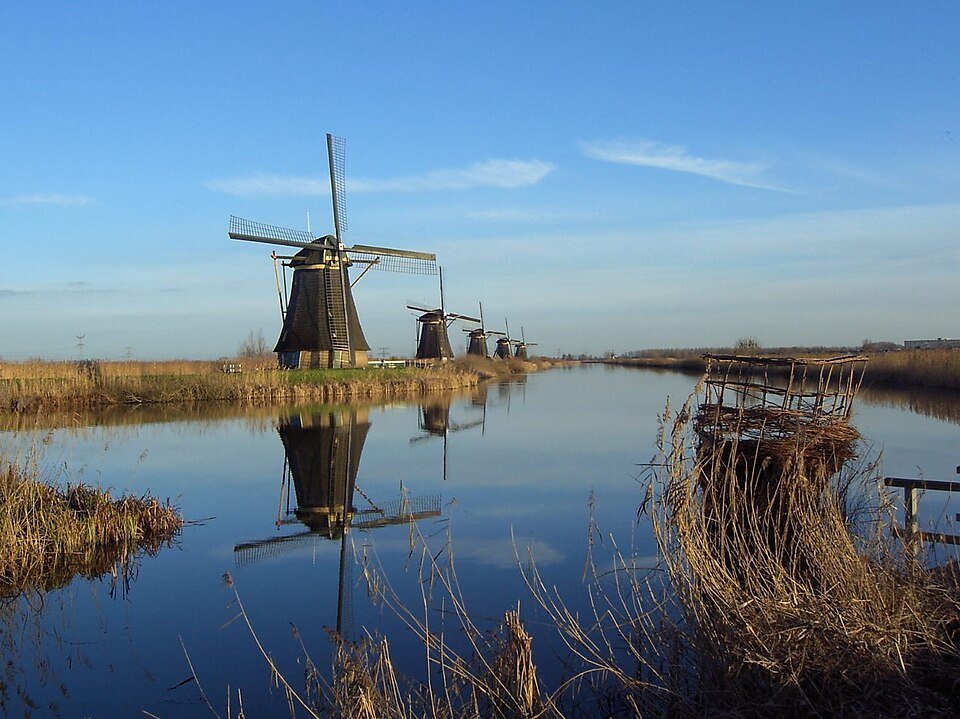
Nineteen windmills in a row make the picture. UNESCO protects something larger: polders, storage basins, pumping stations and sluices that work together to lift water upwards.
Read the story →
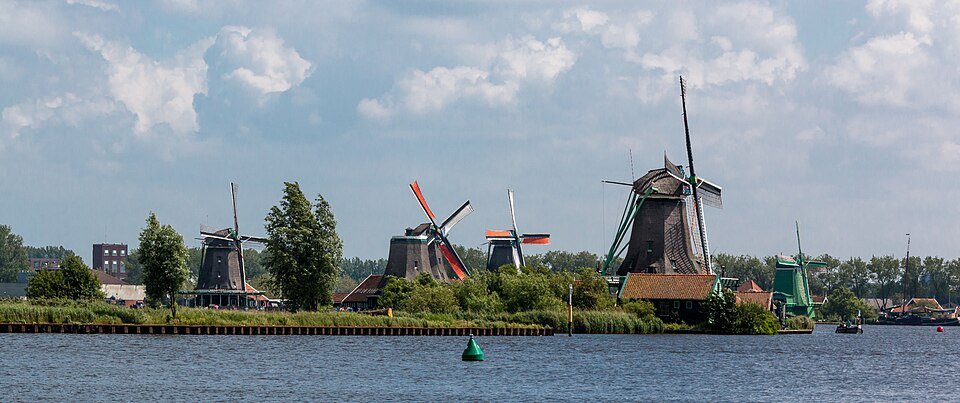
The green wooden façades look like a seventeenth-century village. Most of the buildings have stood here only since the 1960s.
Read the story →
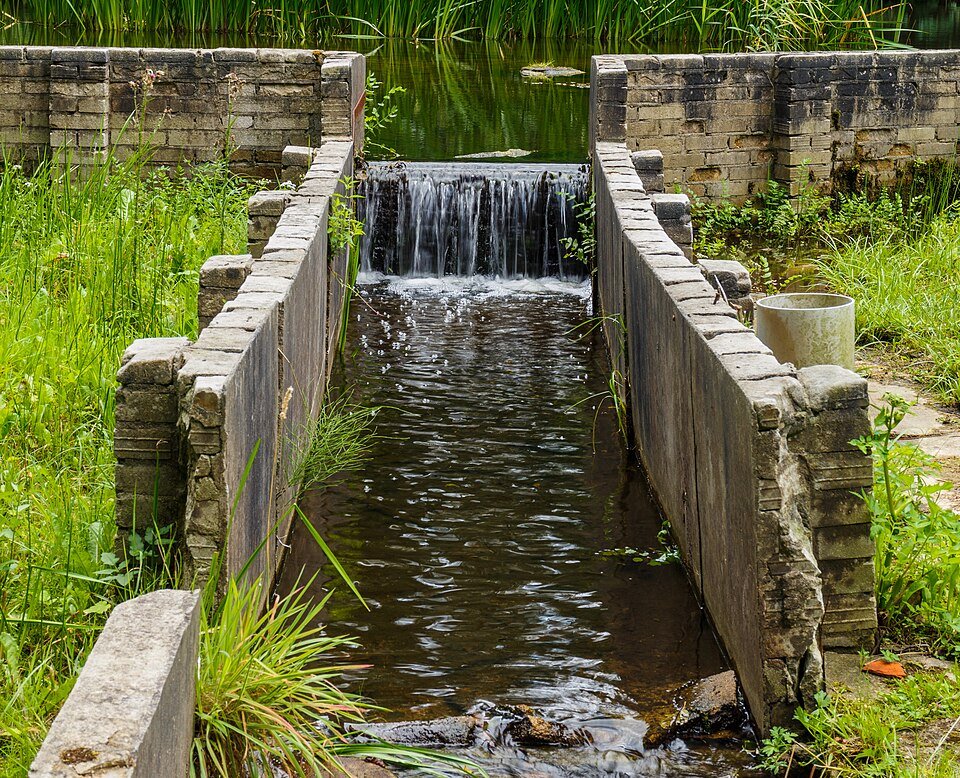
Among the trees near Marknesse lie concrete basins and winding channels. This is not an ornamental park pond. They are scale models of hydraulic works.
Read the story →
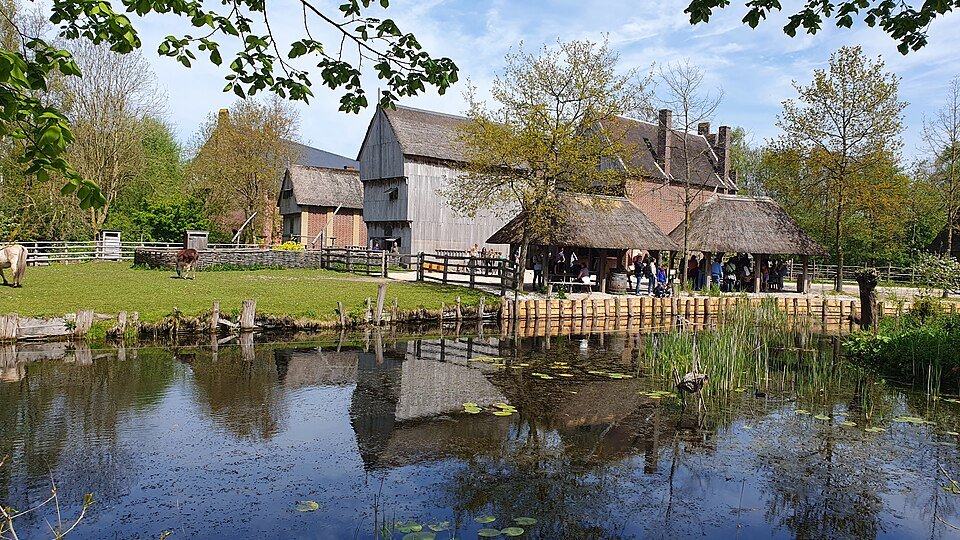
In Alphen aan den Rijn, a Roman inn, a terp farmhouse and a medieval house stand side by side. Almost none of them is the original structure uncovered by archaeologists.
Read the story →
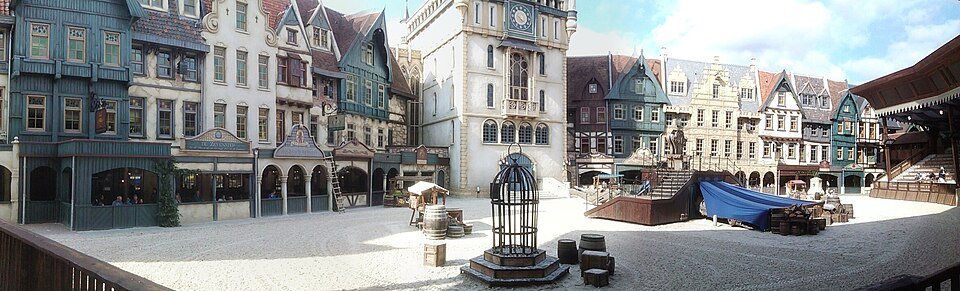
The fairy-tale houses in Kaatsheuvel look as though generations have already lived in them. Behind that impression lie drawings and craftsmanship: new buildings are given a story in their façades.
Read the story →
Walk into a Dutch street and the numbers alternate: 1 opposite 2. That is not carelessness. It is a late-nineteenth-century way of making a house easy to find.
Read the story →
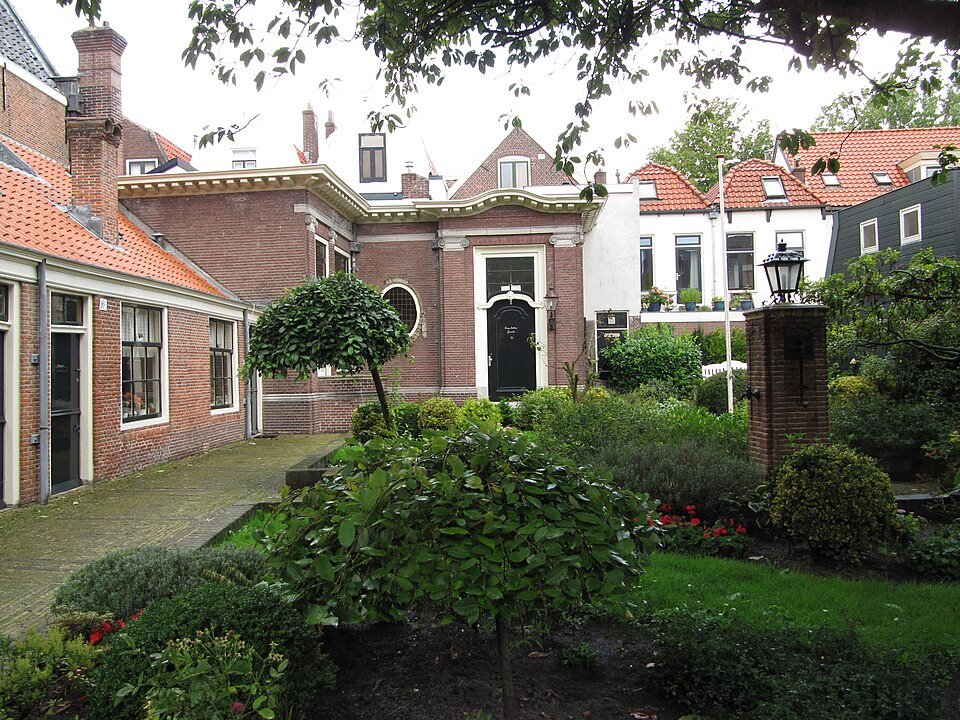
Behind a narrow gate in Haarlem or Leiden lies a garden surrounded by small houses. That garden is not an extra. It is the hof itself.
Read the story →
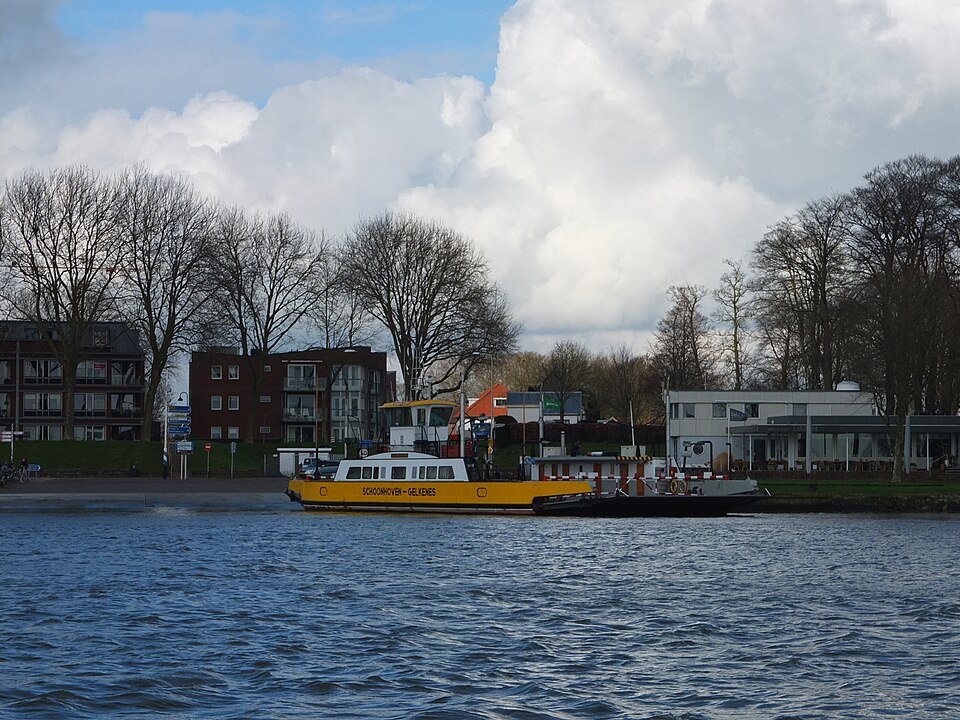
In Amsterdam, the other side is not a metaphor. It is a GVB route across the water, older than the electric tram.
Read the story →
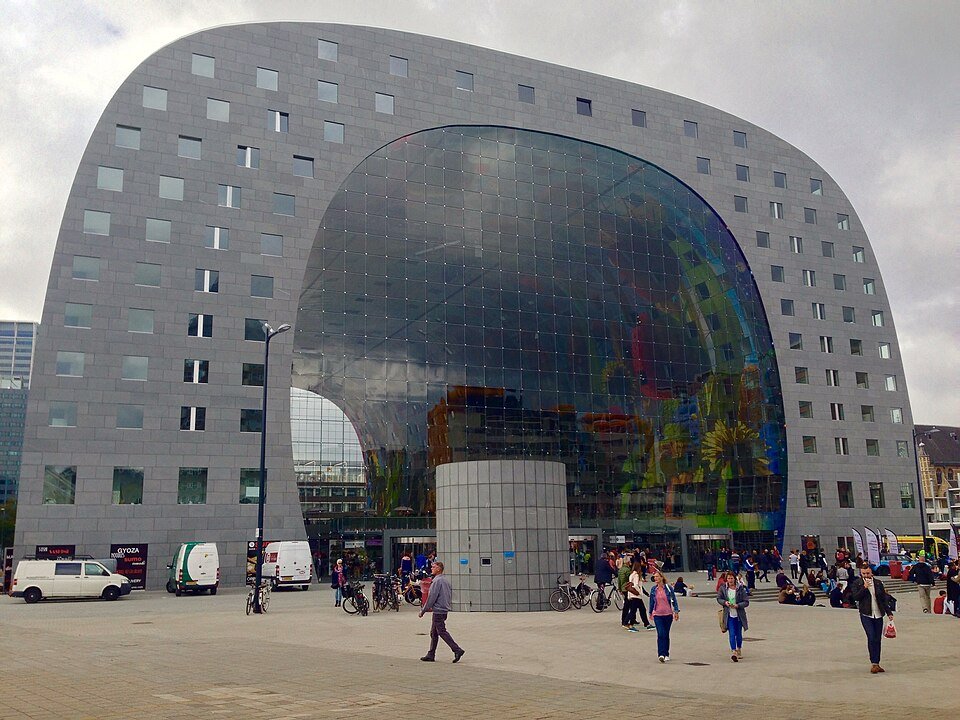
For centuries, Rotterdam held its markets in the street. In 2014, the Markthal put that trade beneath a residential arch — on top of the place where the city began.
Read the story →
When cities still used their own local time, arranging to meet somewhere farther away was less straightforward than it is today. The railway made a common clock urgently necessary.
Read the story →
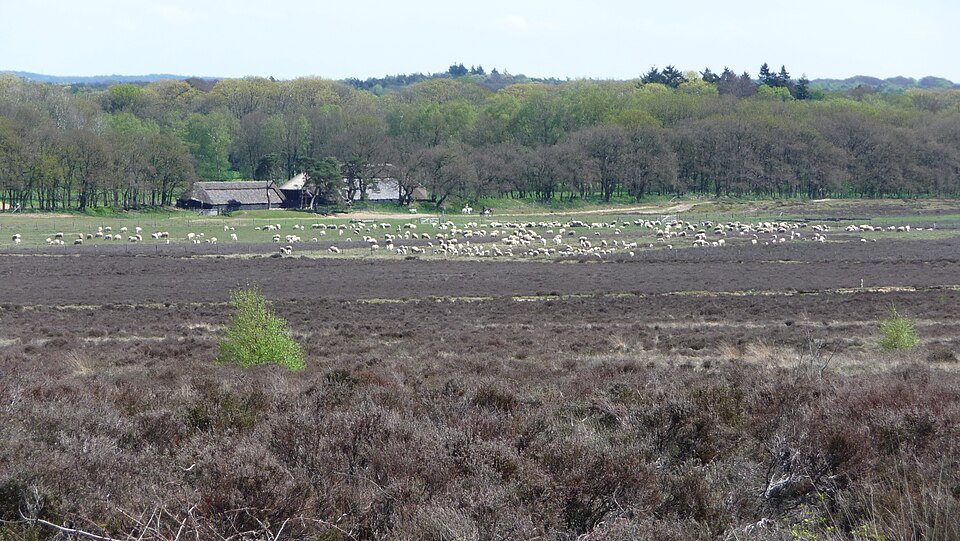
Purple heathland remains open only if something eats the encroaching vegetation. On many Dutch sandy soils, that something is still a sheep.
Read the story →
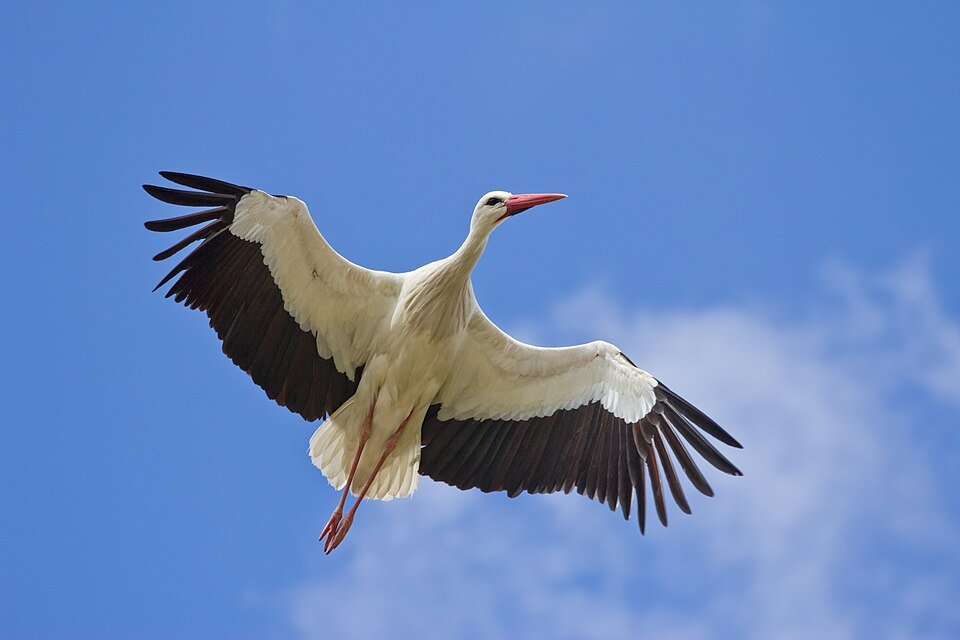
In September, the skies begin to shift. Breeding birds leave, while northern species pass through. Whether you see them depends on wind and visibility — not on one fixed number.
Read the story →
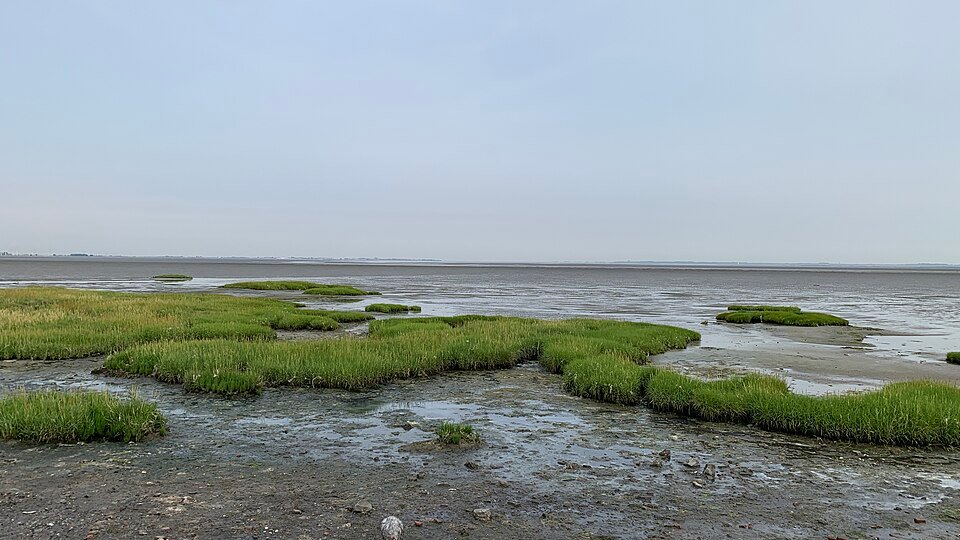
Forget the gates in the storm surge barrier for a moment. The tide itself covers and exposes mudflats, tidal flats and salt marshes — and with them the birds' food supply.
Read the story →
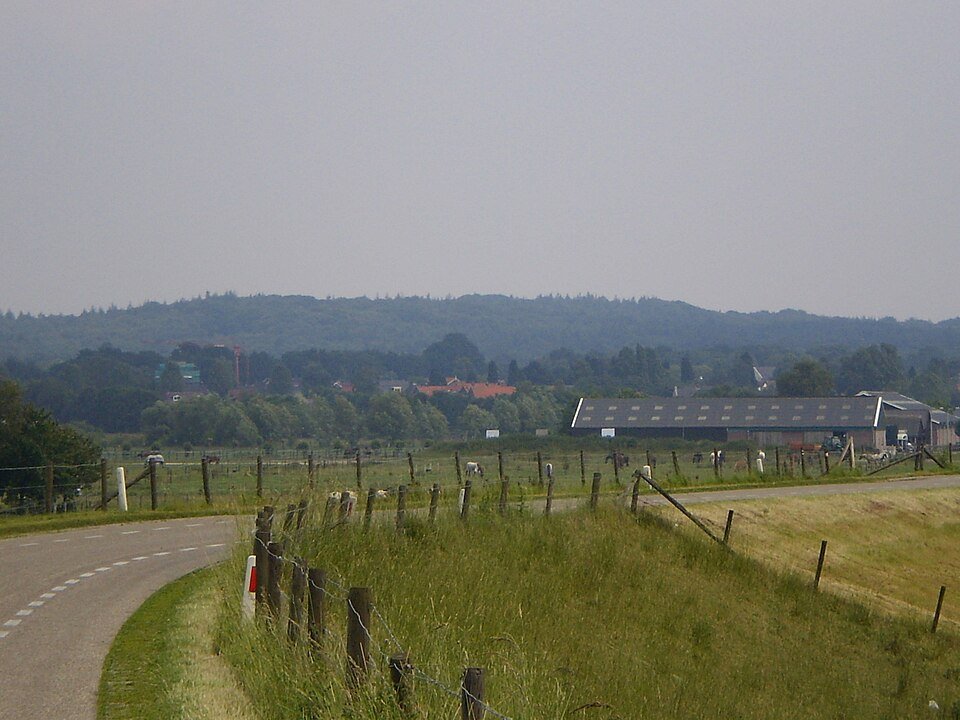
Between the Gooi and Rhenen lies a sandy ridge above the peat and river clay. The Gelderse Vallei beside it is the hollow left behind by the ice.
Read the story →
East of Nijmegen, the push moraine rises steeply above the Waal. In the adjacent Ooijpolder lie low sandy rises. That is a different kind of sand.
Read the story →A little moment for yourself.