Weather & wonder ·
The autumn that begins on 1 September
September has two ways of becoming autumn. One follows the position of the Earth and the Sun; the other starts neatly on the first day of the month. They answer different questions.
A season for comparison
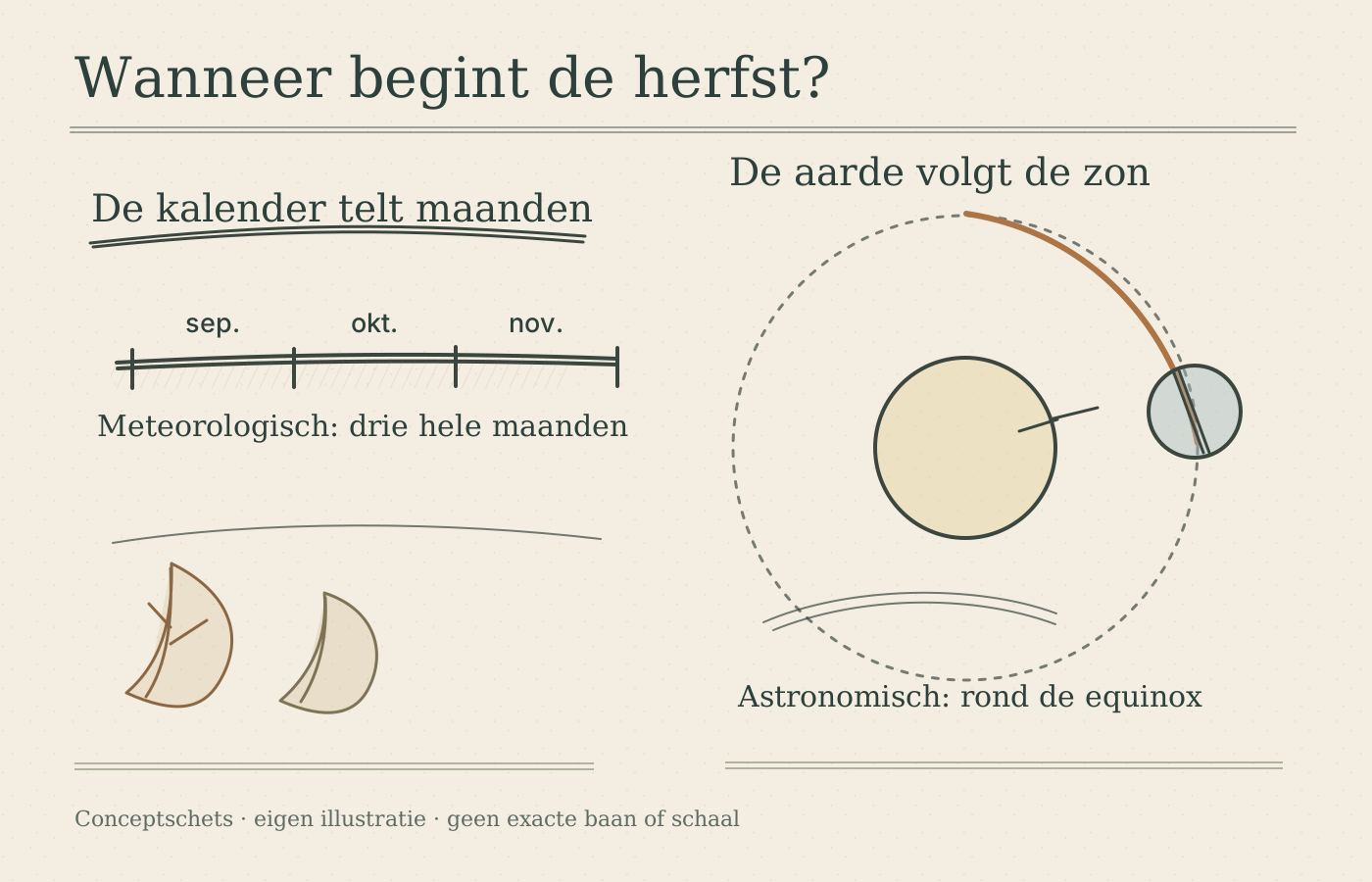
At KNMI, the Royal Netherlands Meteorological Institute, meteorological autumn begins on 1 September and consists of September, October and November. It is a practical agreement for calculating climate averages and comparing seasons with each other. Every meteorological spring, summer, autumn and winter covers three full calendar months.
Suppose you want to set the temperatures of two autumns side by side. It helps if both sets contain the same months. You do not first have to assign one part of September to one season and another part to the other each year. The calendar provides a fixed division; the weather you measure within it can differ greatly.
A season for Earth and Sun
The astronomical seasons follow the position of the Earth relative to the Sun. The tilt of the Earth's axis causes differences in the height of the Sun and the length of the day. That is a different basis from the agreement to group three months together each time. Astronomical autumn begins later in September than meteorological autumn; the two divisions choose a different starting point.
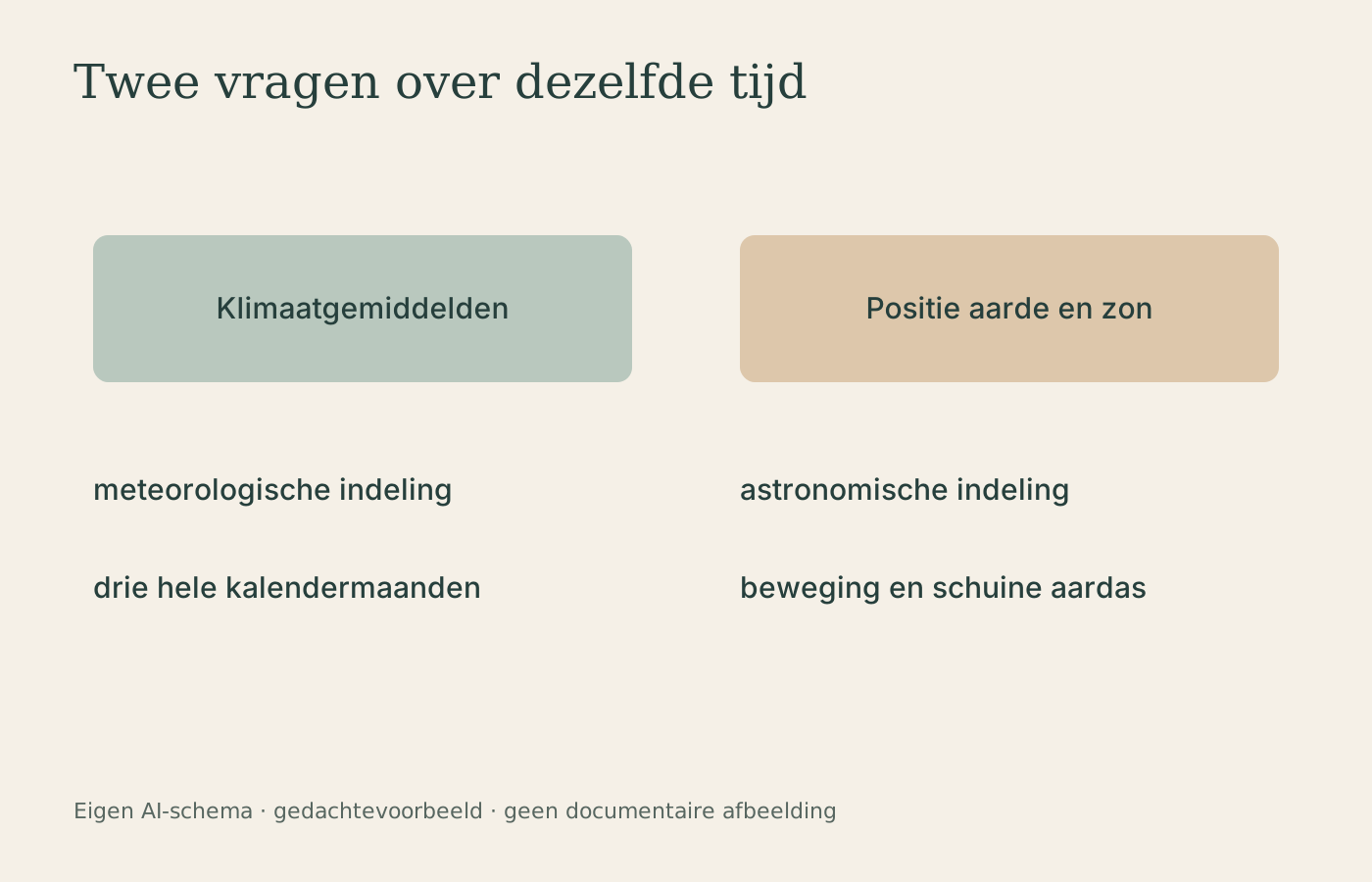
So there is no need to declare one of the two start dates the real autumn. In a report on a seasonal average, you want to know which period was counted. In a story about the movement of the Earth and the Sun, the astronomical division fits. The same word gets its meaning from the question behind it.
The calendar is not a weather forecast
A date on the calendar does not promise raincoat weather. Nor does it say that all trees lose their leaves at the same time. The name of the season orders time; for the conditions outside, you need observations.
Anyone who experiences a warm afternoon hour at the end of September therefore has no reason to distrust the calendar. The agreement about the months has not failed. It simply contains something other than a forecast for that one afternoon.