Nature
Autumn reveals what the forest was hiding all along
A mushroom seems to shoot out of the ground overnight. The fungus it belongs to was often there already. In autumn, a hidden part of the forest shows a visible face.
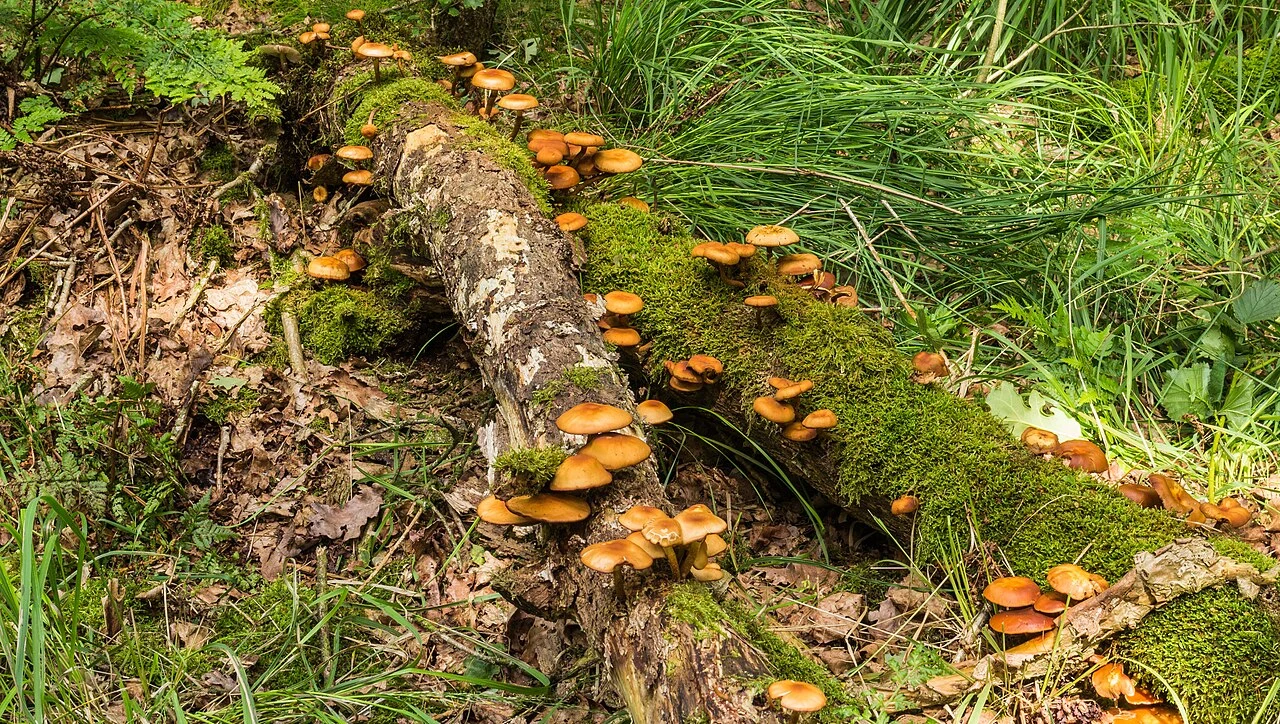
A cap among the leaves is not a completely new organism that arrived overnight. A mushroom is the fruiting body of a fungus. The network of fine threads, the mycelium, grows through the soil, for example, among leaves or in wood. When moisture and the local climate are favourable, mushrooms can emerge from it.
Autumn often provides those conditions: enough moisture and temperatures that are still relatively mild. But the calendar does not fire a starting gun. Mushrooms can be seen outside autumn too. The weather and the location help determine when a fungus forms fruiting bodies.
The visible work
The mushroom helps to spread spores. Individually they are so small that you cannot see them with the naked eye. The wind can carry them; in some species, insects help. A conspicuous cap is therefore part of reproduction, while much of the fungus’s other work stays out of sight.
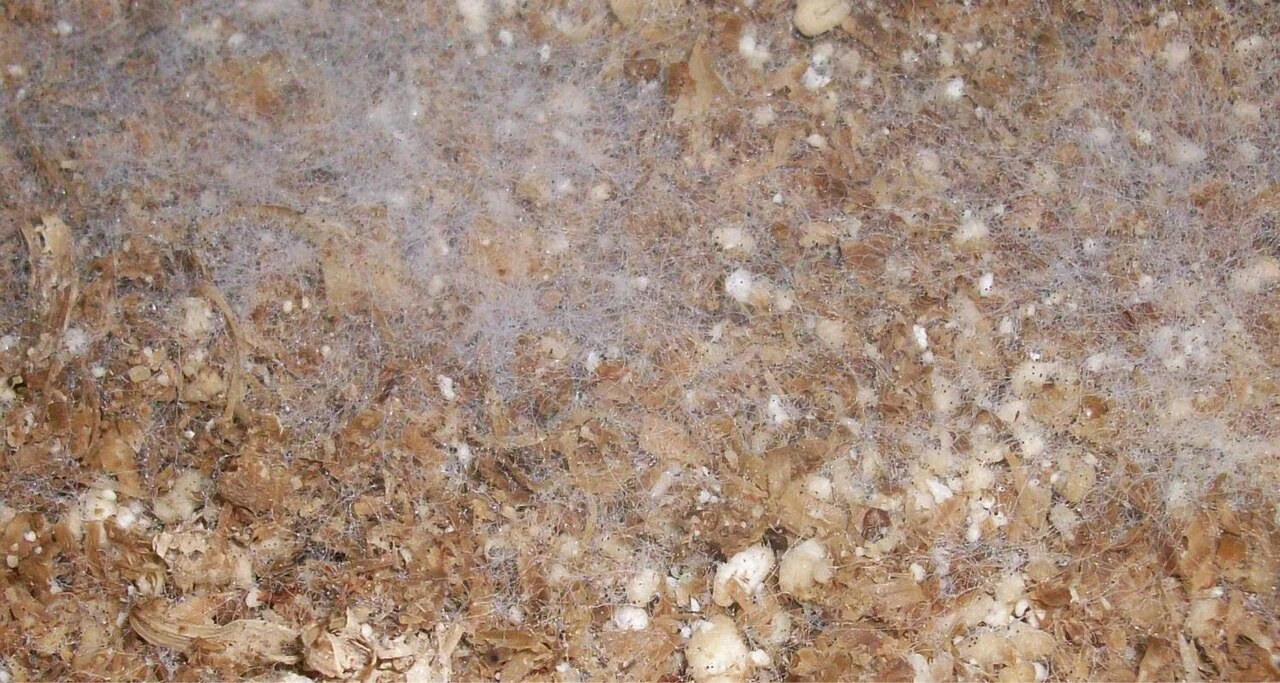
Staatsbosbeheer distinguishes different ways in which fungi obtain food. Some break down dead material. Others extract substances from living organisms. Still others exchange substances with tree roots: the tree supplies sugars, and the fungus helps bring in water and nutrients. A mushroom on wood therefore tells a different story from a fungus that lives together with a tree.
Why a fallen trunk is left where it lies
Natuurmonumenten describes dead wood as part of the natural cycle. Fungi work on its breakdown together with other organisms. The material thus becomes a breeding ground for life once again. A trunk that to a walker seems mainly to be in the way may therefore be very much in use.
Animals live on the mushrooms themselves too. For the penny bun, Natuurmonumenten mentions, among others, insects that lay eggs in it or eat its spores. So even the short-lived fruiting body is more than a pretty autumn sight.
That changes the way you look. Besides colour and shape, what lies beneath becomes interesting too: a piece of wood, a layer of leaves, the foot of a tree. Autumn makes it visible that a forest does not stop at its trunks and crowns.