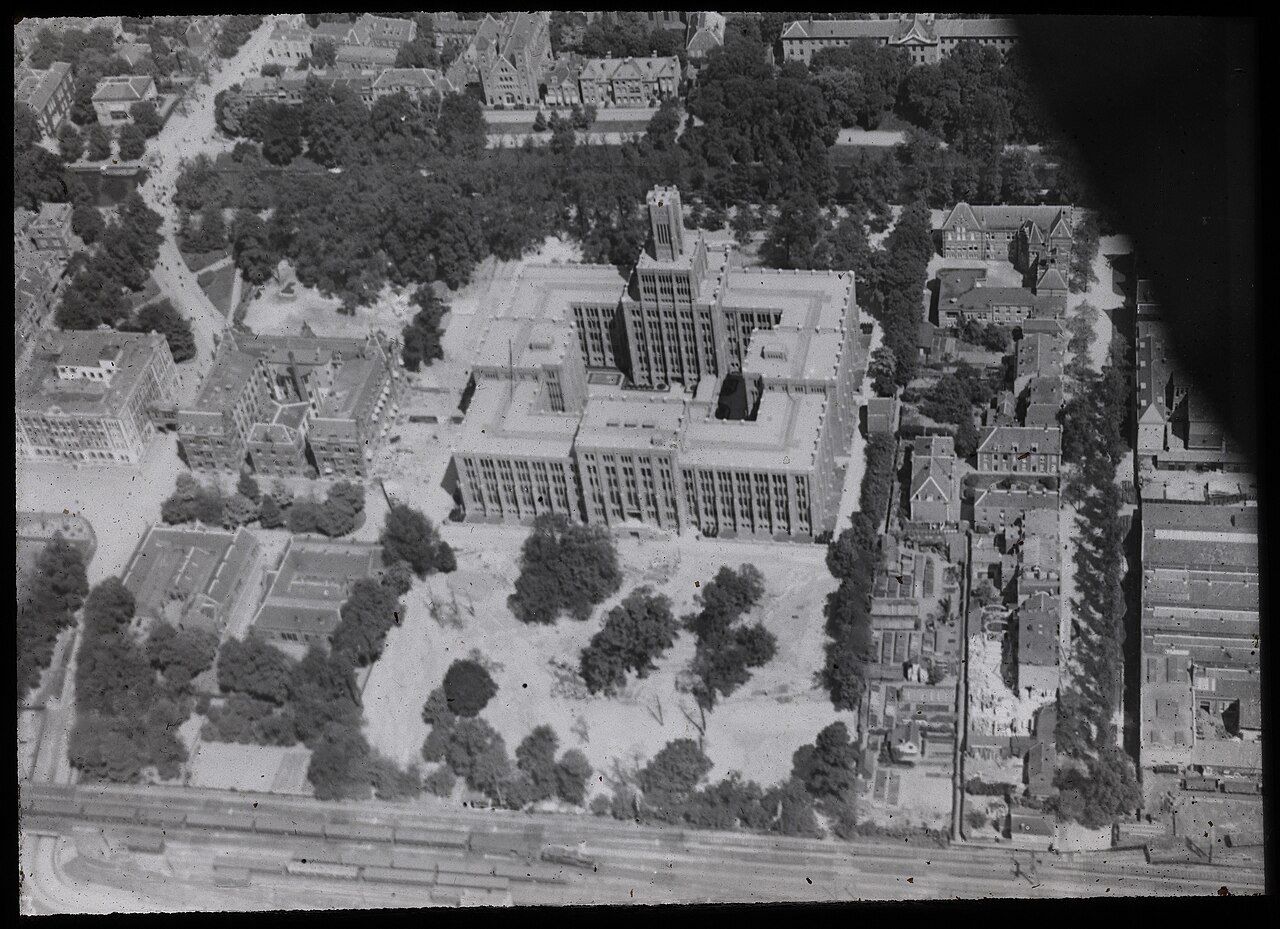
Why a city retains heat when the countryside is already cooling down
In the evening, the air changes as soon as the buildings become denser. Stone has stored the sun's heat during the day and releases it slowly.
Meteorologists call it the urban heat island: the city is warmer than the surrounding countryside, especially at night. Brick, asphalt and concrete absorb heat from the sun and release it slowly. Grass and trees evaporate water and remain cooler. In narrow streets, heat bounces between façades. Heating, traffic and cooling systems add something, but the materials of the city are the main factor.
KNMI studied the effect using measurements made by amateur weather observers. In the summer of 2010, urban stations were on average about one degree warmer than locations outside the city. At night during a warm period, that average rose to about 1.4 degrees, with peaks above five. The effect is stronger during clear, windless summer weather. Wind mixes the air; cloud cover reduces radiative cooling. In winter, the heat island at those stations is almost absent on average. These are measurements, not colours on a map.
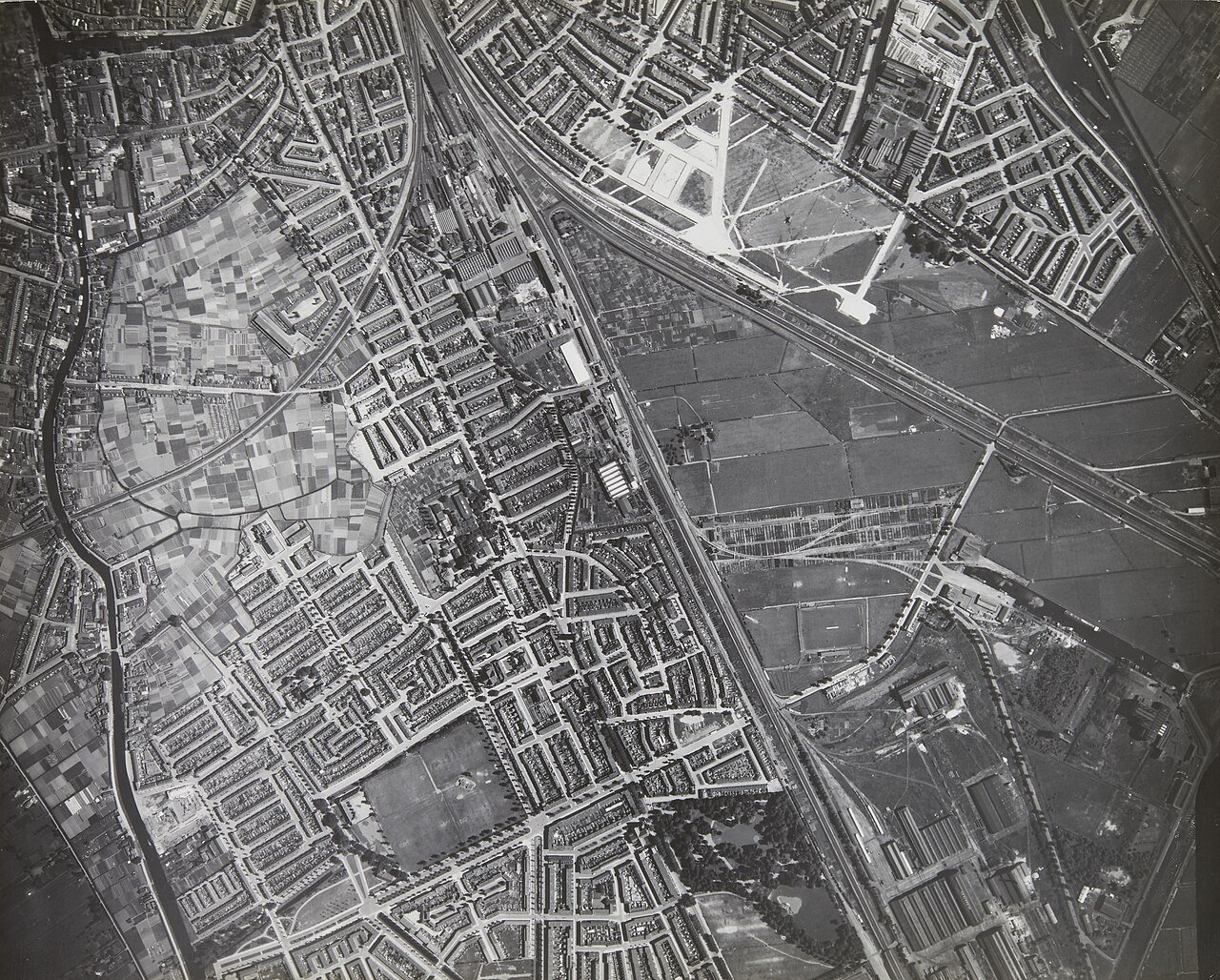
The Atlas Leefomgeving shows a nationwide summer map of the same phenomenon. Those figures are modelled averages for June through August, produced by RIVM: in that average, the difference remains below three degrees, while individual hot days can, according to the same explanation, produce higher values. The map is therefore not a thermometer in every street. It predicts a pattern based on population density, wind, paved surfaces and greenery.
That is why a heatwave feels different in the city centre than in a meadow. The countryside cools quickly after sunset. The city remains an oven that slowly radiates its stored heat. Older people, children and people living in small apartments notice it first. Greenery and water help locally: a park is not air conditioning for an entire neighbourhood, but it is a break in the mass of stone.
What you can do without a measuring network is feel it with your feet. Paving stones remain warm when the lawn is already cool. The same slow release happens on the scale of a city. Dutch cities were historically built for wet and cool conditions, not for long tropical nights. The heat island makes visible what stone does after the sun has gone down.
A fresh perspective
The heat-island effect is stronger at night than during the day, because the countryside then cools faster than stone.
On a clear summer evening, walk from a city park to a paved square: the difference you feel on your face is the heat island in miniature.