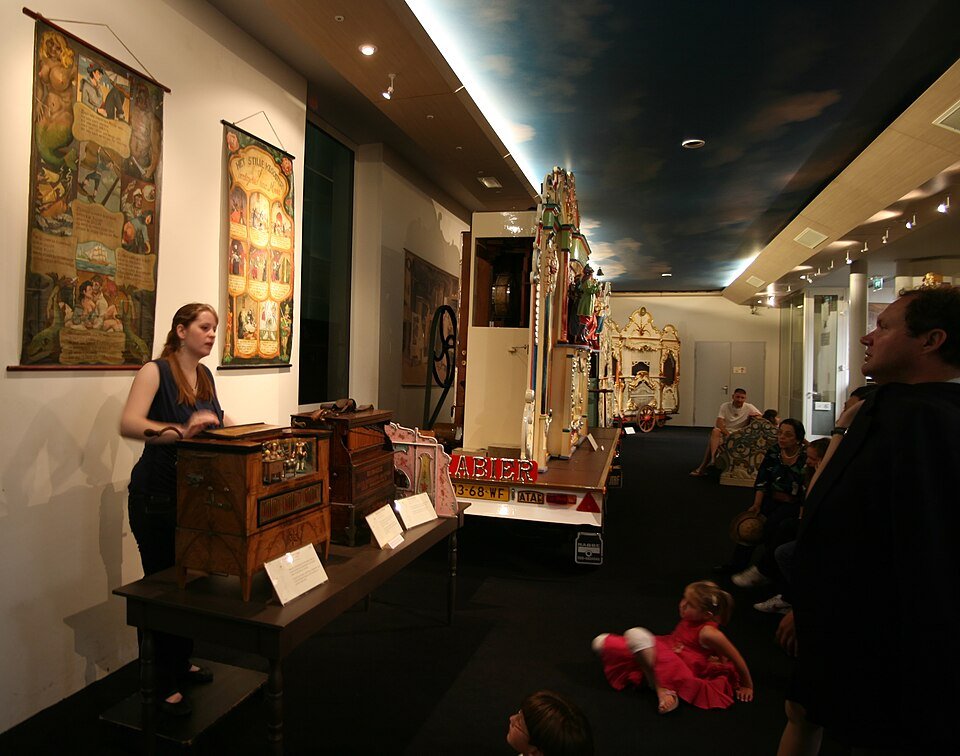
Museum Speelklok: music that plays without a musician
In Utrecht, an entire museum is devoted to instruments that play themselves. The question is not only how they sound. The question is how the music is stored inside them.
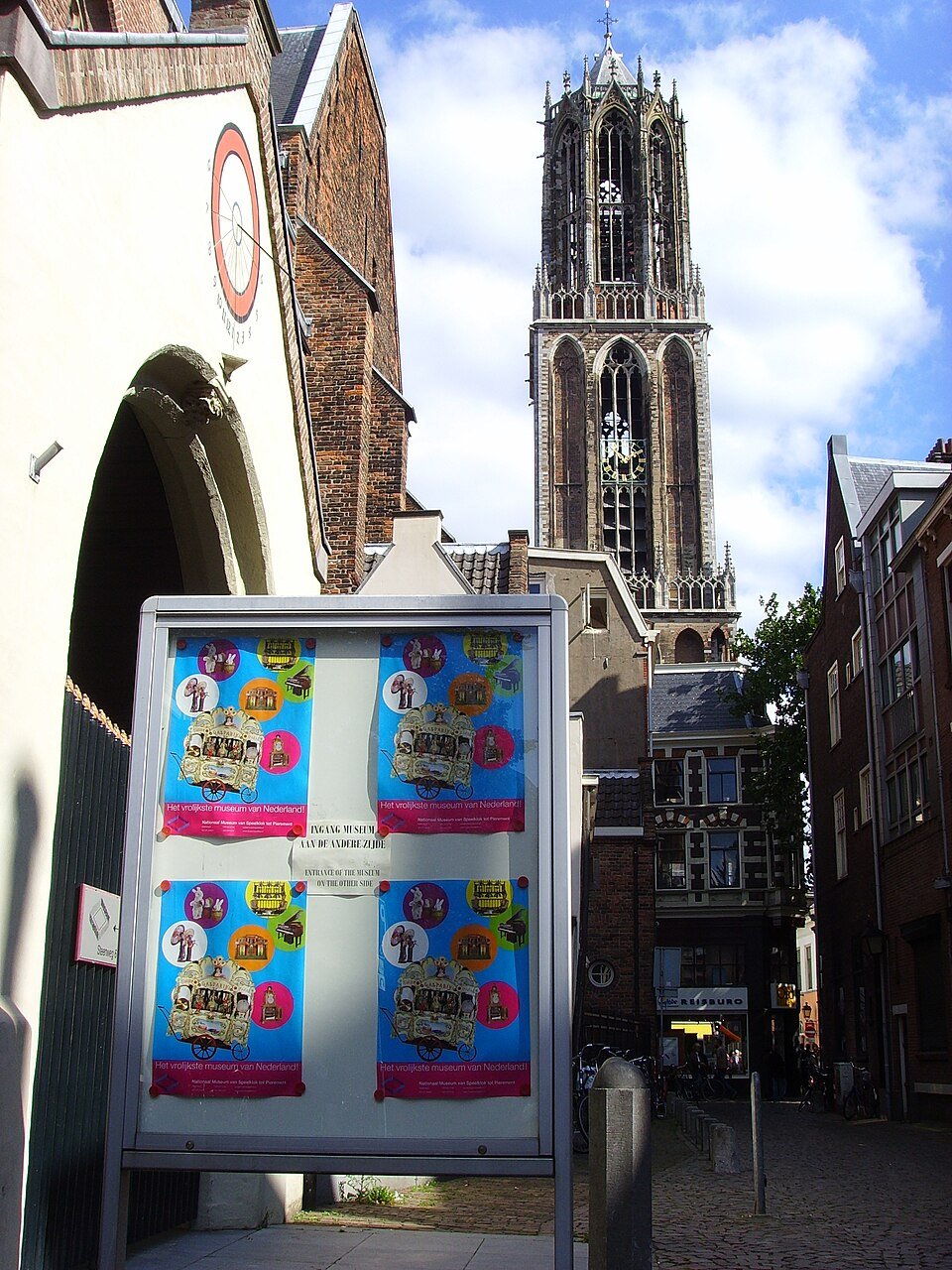
A musical clock, a player piano, a barrel organ: all are machines that turn time or air into notes. Museum Speelklok is housed in the Buurkerk and collects these self-playing instruments. At their heart is a programming medium. A pinned cylinder, perforated roll, cardboard book. Every hole or pin is an instruction: this key now, that pipe now. Without a musician, the composition remains repeatable. It provided entertainment at fairs, in drawing rooms and on the street.
In these instruments, organ building and clockwork technology come together. A musical clock is a clockwork mechanism that operates not only hands but also small hammers. A barrel organ is a wind instrument with a book as its score. Restorers at the museum keep these systems working. If they stood still, the story would be reduced to pictures. Movement lets you hear why the mechanism existed: music in places where no orchestra could fit.
The music is recorded as a sequence of instructions for the instrument. That is surprisingly similar to programming: the medium determines the sequence, the machine executes it. The sound is created anew every time the strings, pipes or hammers are set in motion.
That is precisely what makes a demonstration special. You hear the music while simultaneously seeing the mechanism that brings it into being.
Follow a single row of holes on a roll or book while the instrument is playing: that is the note you hear.