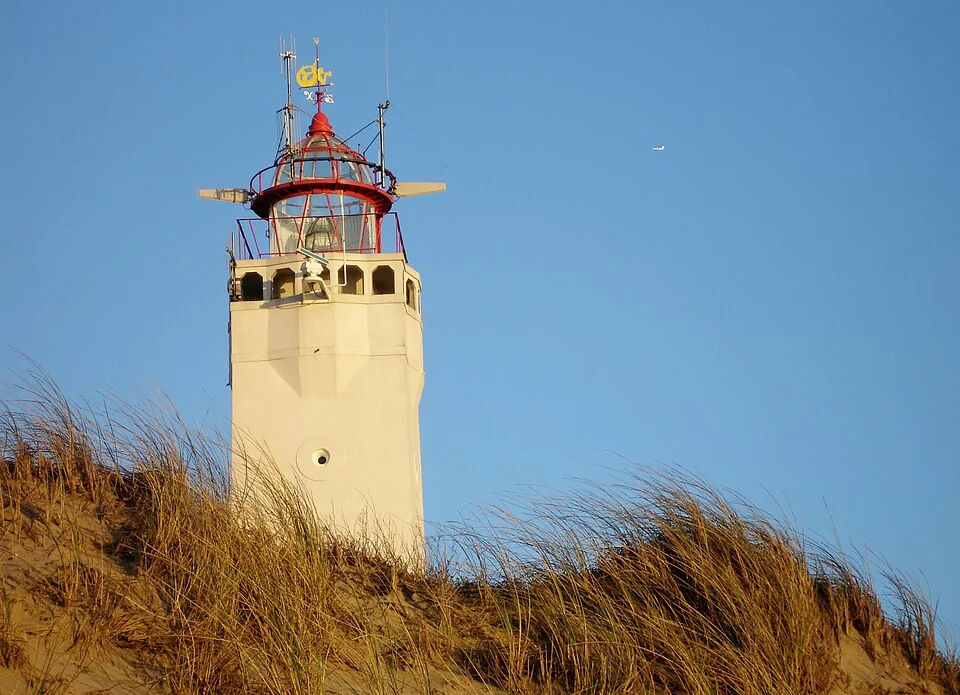
Noordwijk in autumn: coast, dunes and space research
The seaside town links its beach and lighthouse with Hollands Duin and ESA’s ESTEC space research centre.
Stories from the Netherlands.
The seaside town links its beach and lighthouse with Hollands Duin and ESA’s ESTEC space research centre.
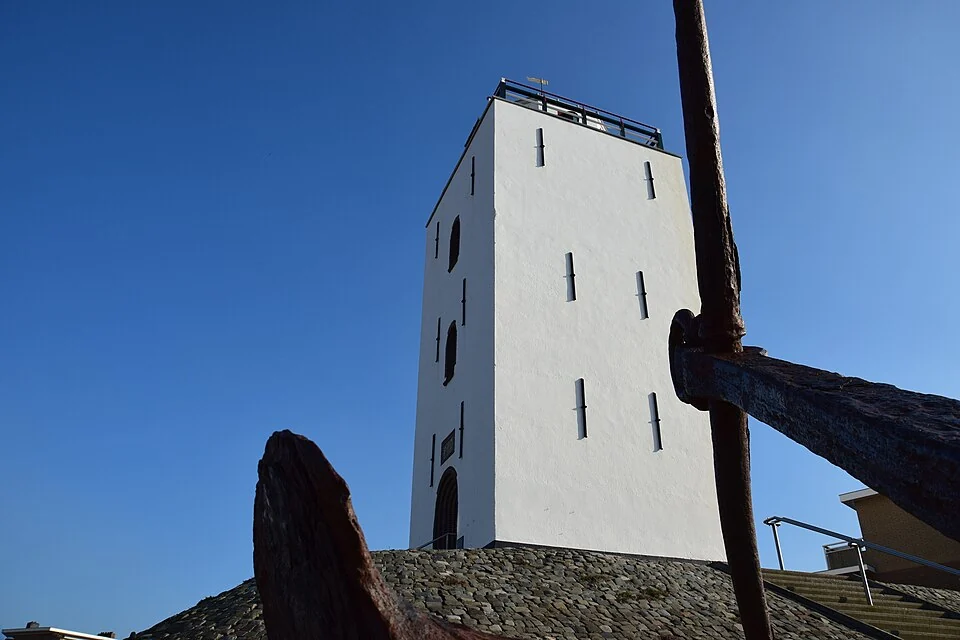
The Vuurbaak beacon, Old Church and museum tell the story of a coastal town shaped by the sea.
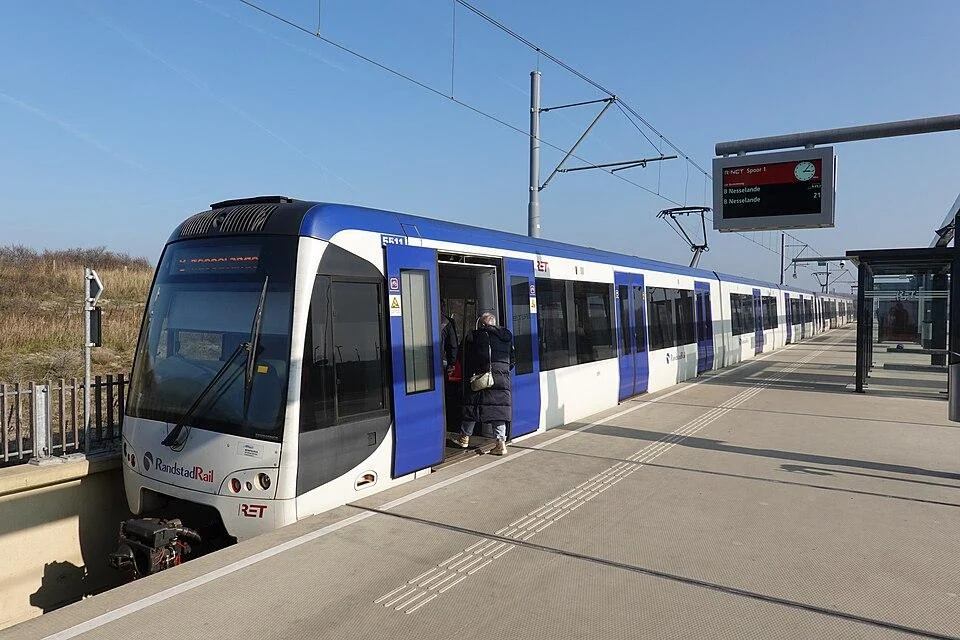
The town grew with the Nieuwe Waterweg; beach, metro and pier show where sea and shipping meet.
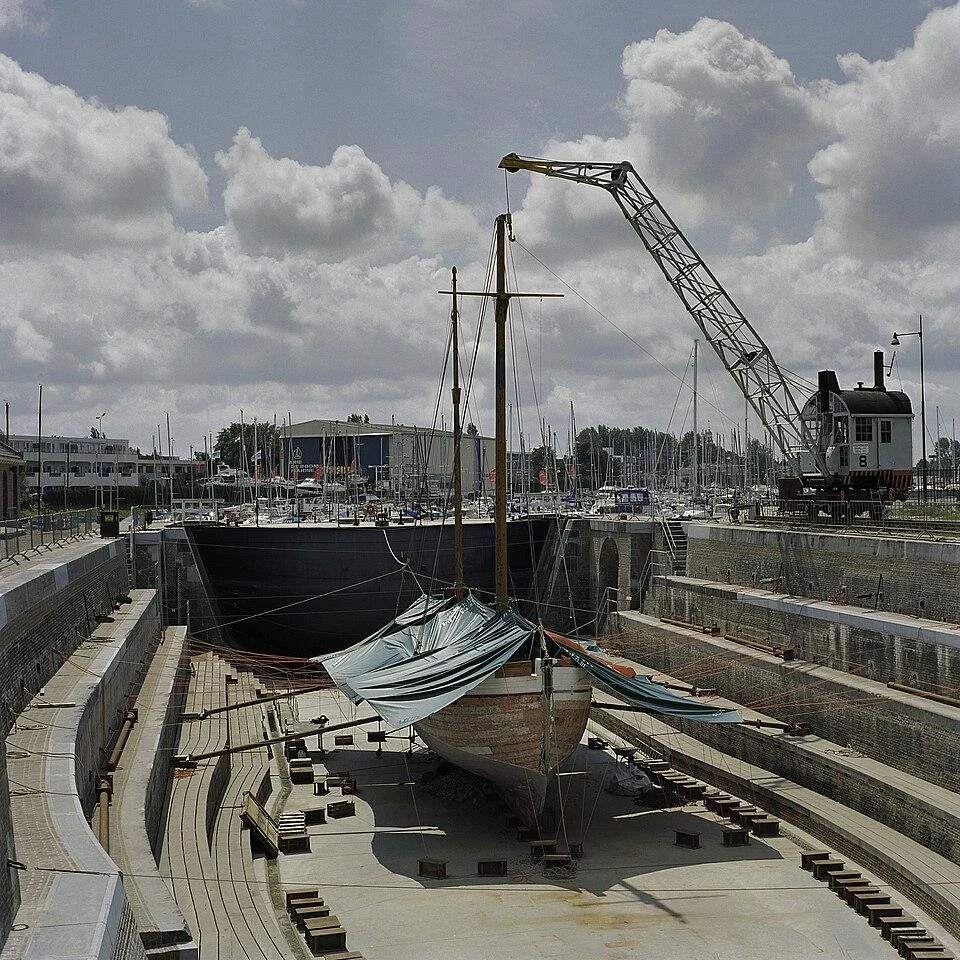
Jan Blanken’s dry dock brings together shipbuilding, fortifications and naval history.
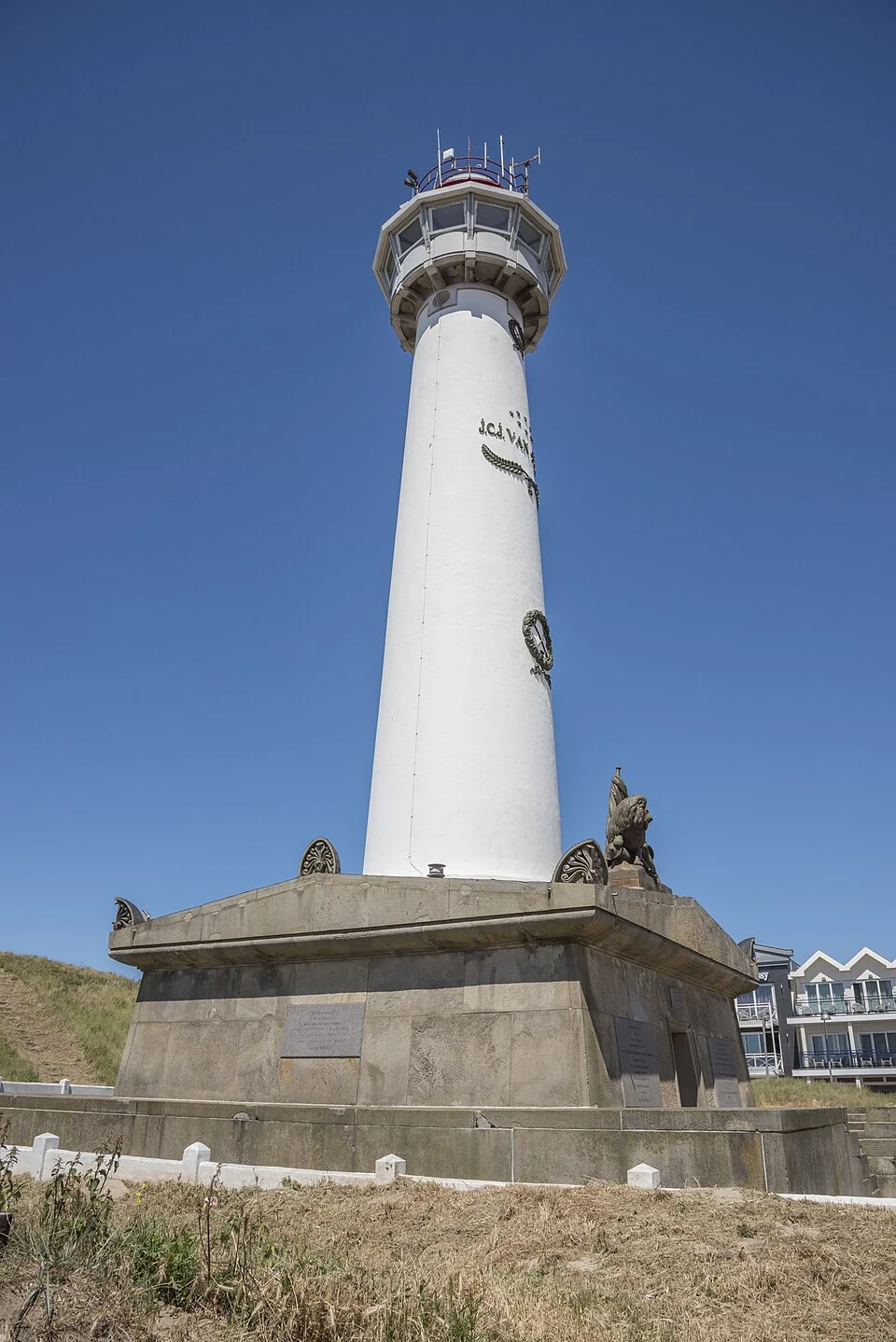
The white lighthouse marks an old coastal village; the nearby dune reserve has its own access rules.
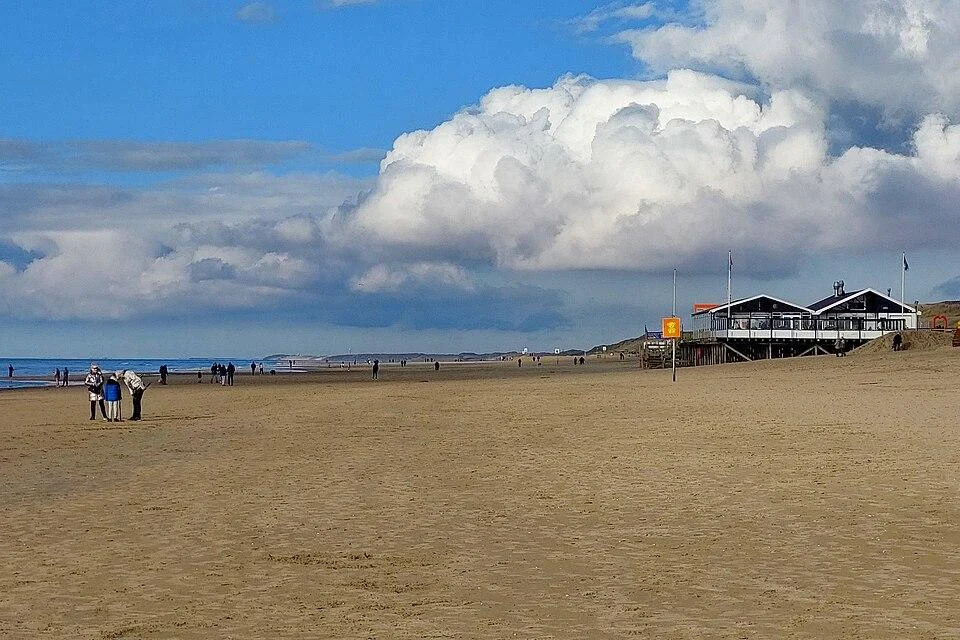
The beach and village square remain Callantsoog’s landmarks; Uitlandse Polder offers an alternative nature walk for now.
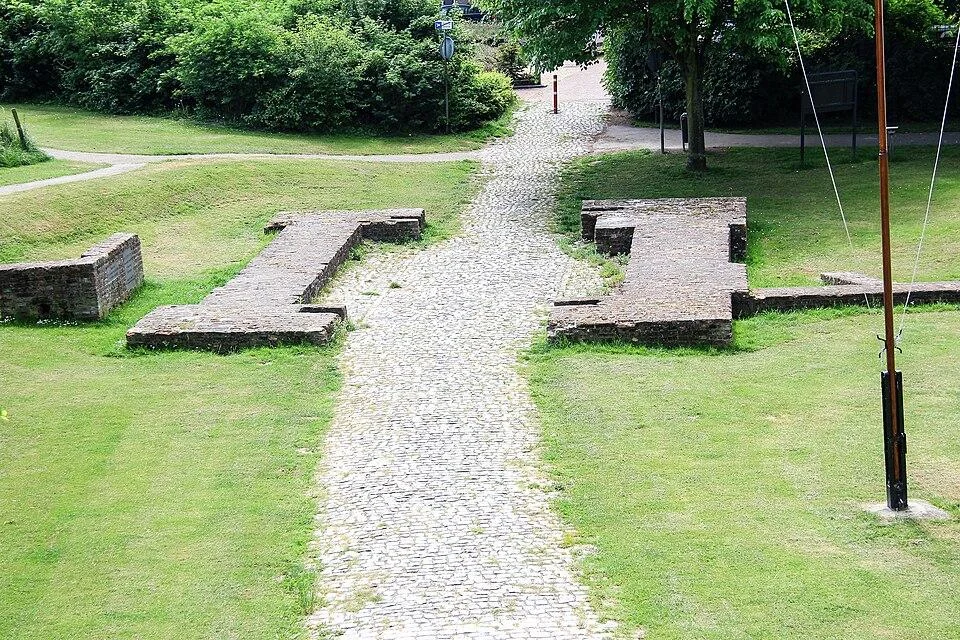
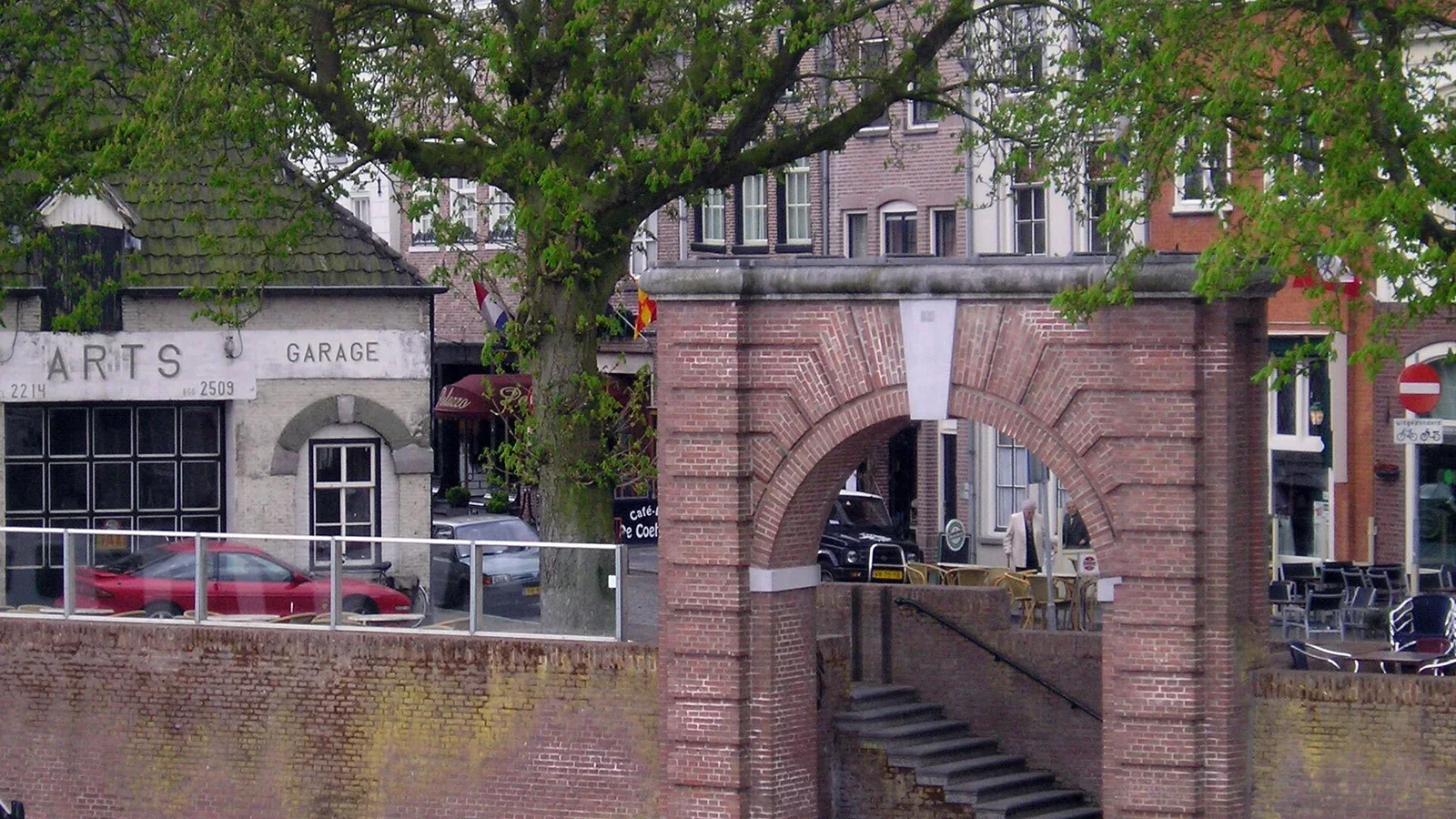
The North Gate remains, later fortifications and the museum reveal different centuries of Brielle’s history.
 AI-generated image
Each star sign receives a playful thought for the day.
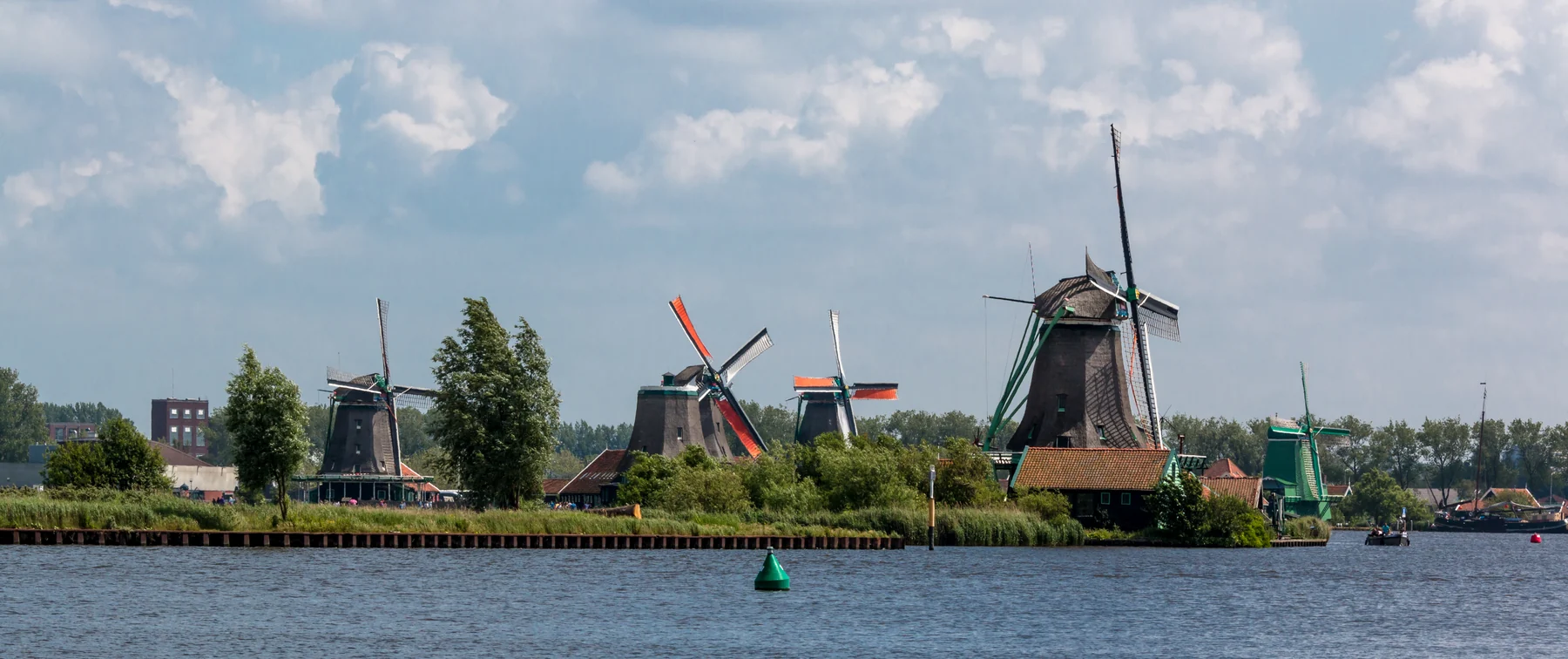
The Zaanse Schans was built in the twentieth century from buildings that once stood elsewhere in the Zaan region. What you see points back to a region where more than six hundred windmills turned in the eighteenth and nineteenth centuries.
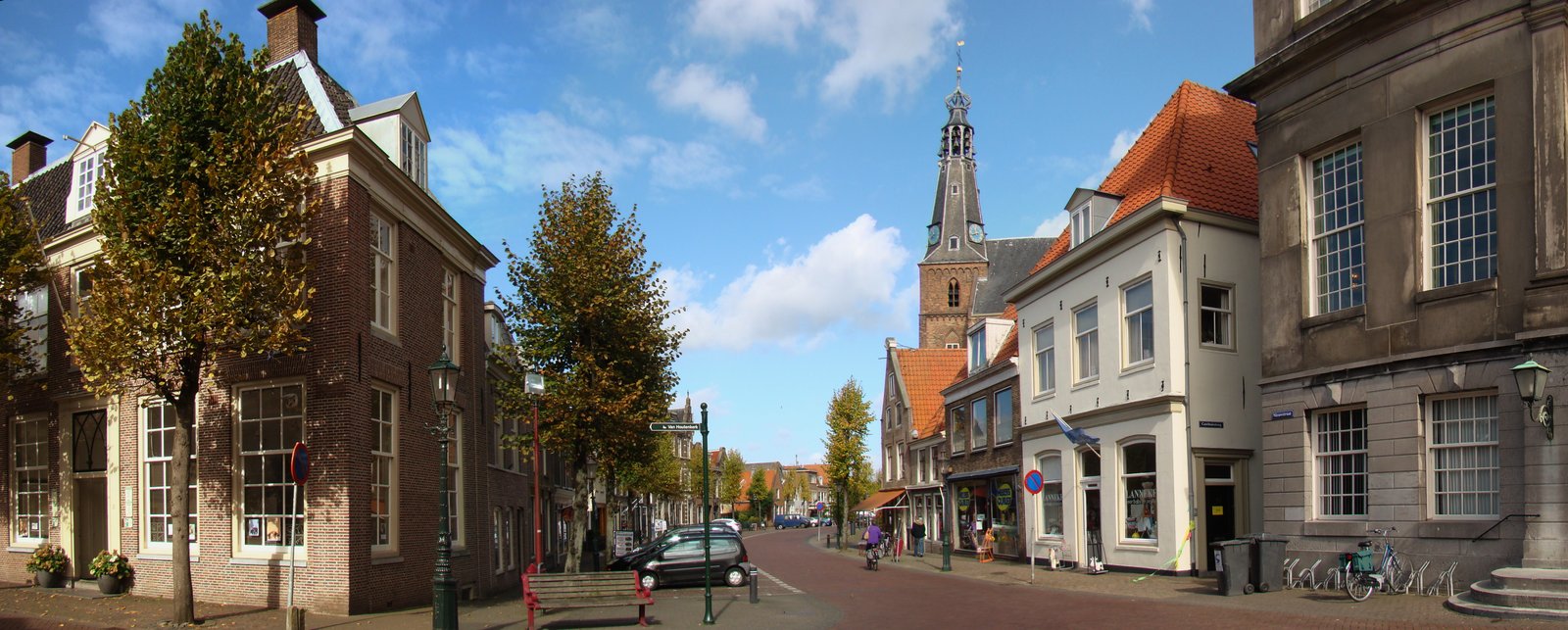
Museum Weesp occupies the second floor of a town hall from 1776. It began as a single room of antiquities and now centres on the porcelain made in Weesp. From the museum you can walk to the church, the mill and the fort.
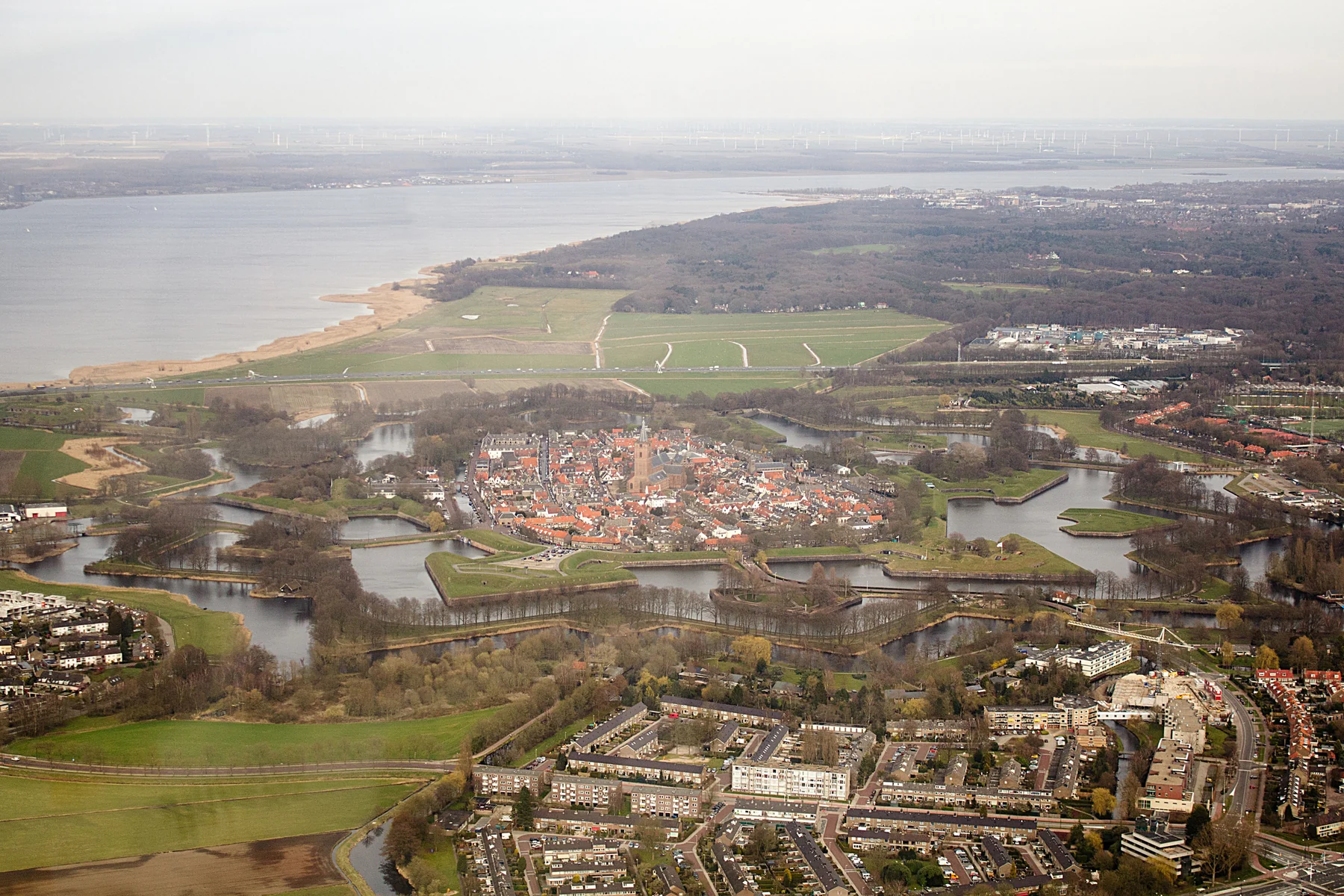
Naarden sits on a sand ridge on the former Zuiderzee shore and is shaped like a star with six bastions. The Dutch Fortress Museum occupies the casemates of bastion Turfpoort. Since 2021 the Water Line has been a World Heritage Site.
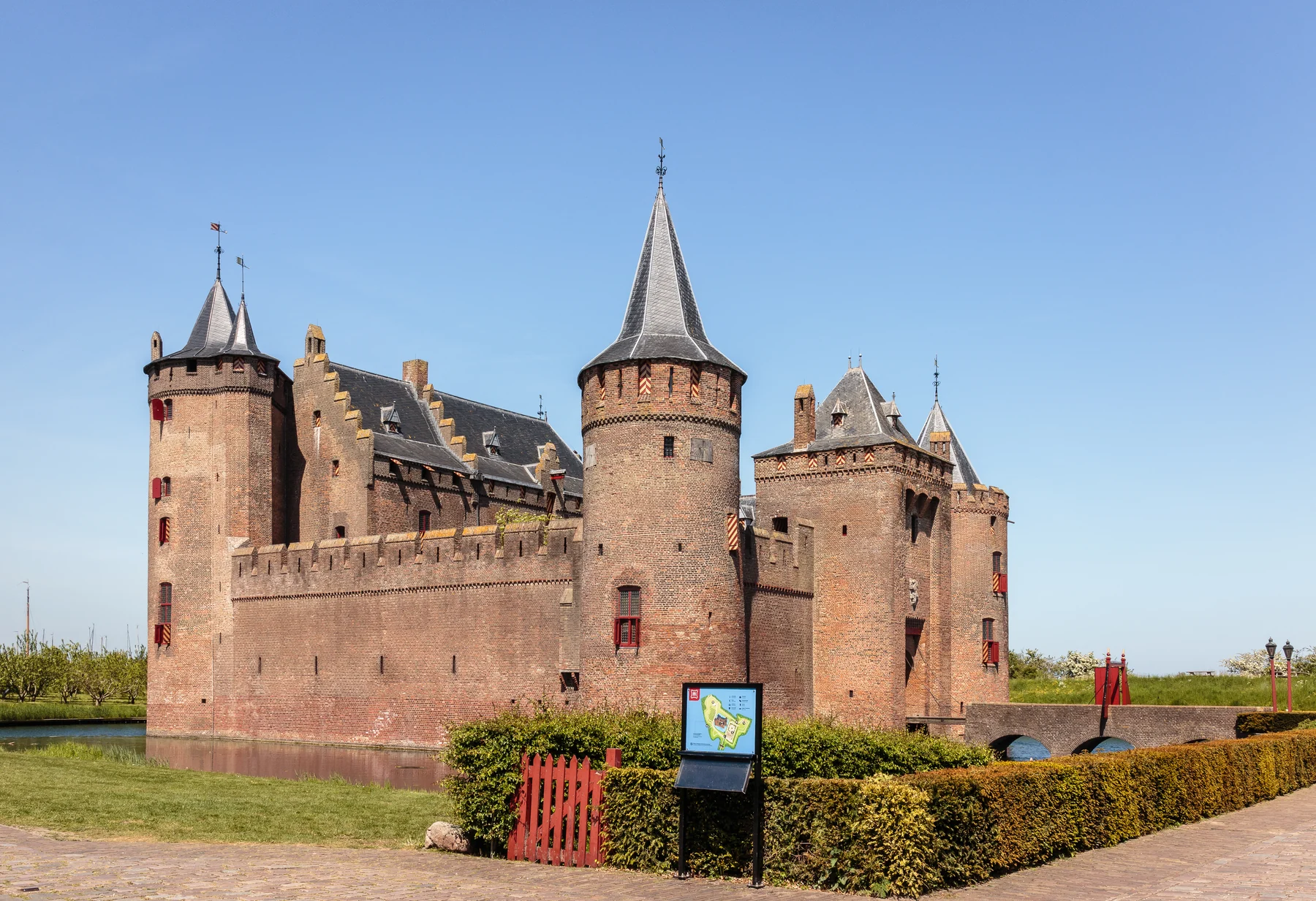
Muiden has a medieval castle that was demolished, rebuilt and put up for sale. Offshore lies a fort on an artificial island. Together they tell centuries of defence around Amsterdam.
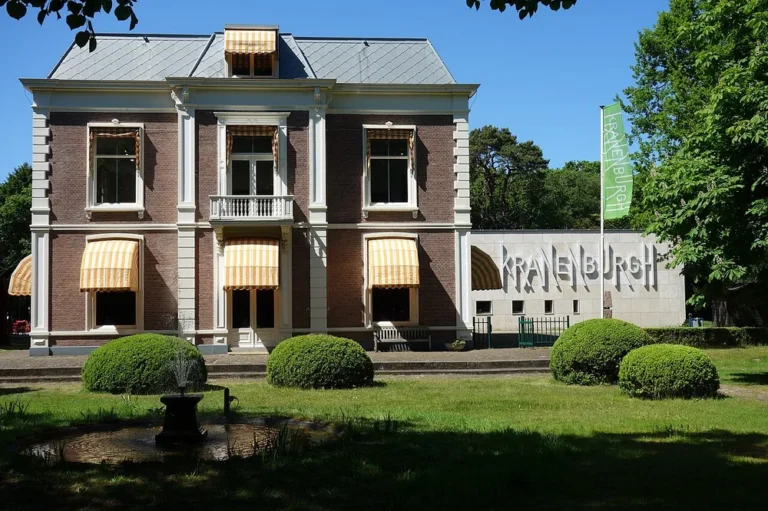
From the early twentieth century, painters settled in studio homes in Bergen. The village produced a style of its own, a museum with a sculpture garden and a festival that turns it into a gallery every autumn.
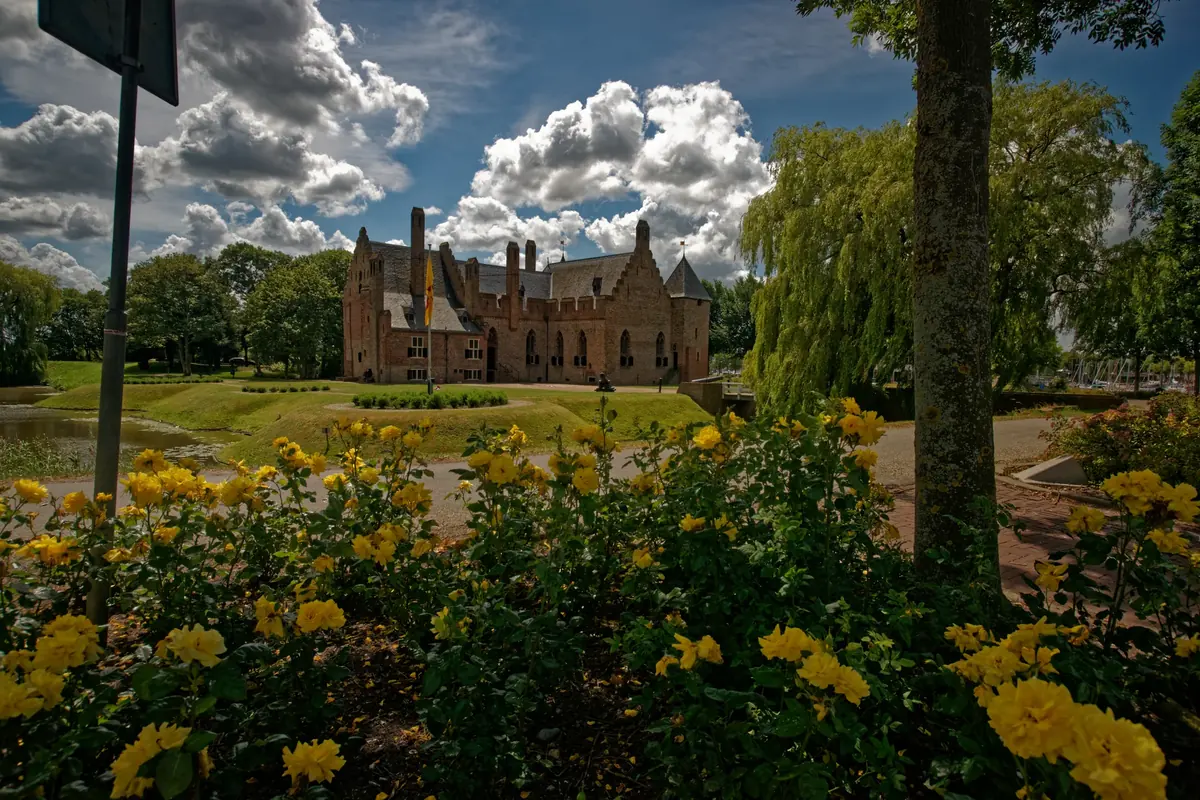
Radboud Castle has a medieval story, but is closed on Monday 19 October. The waterfront and old town still invite a walk.
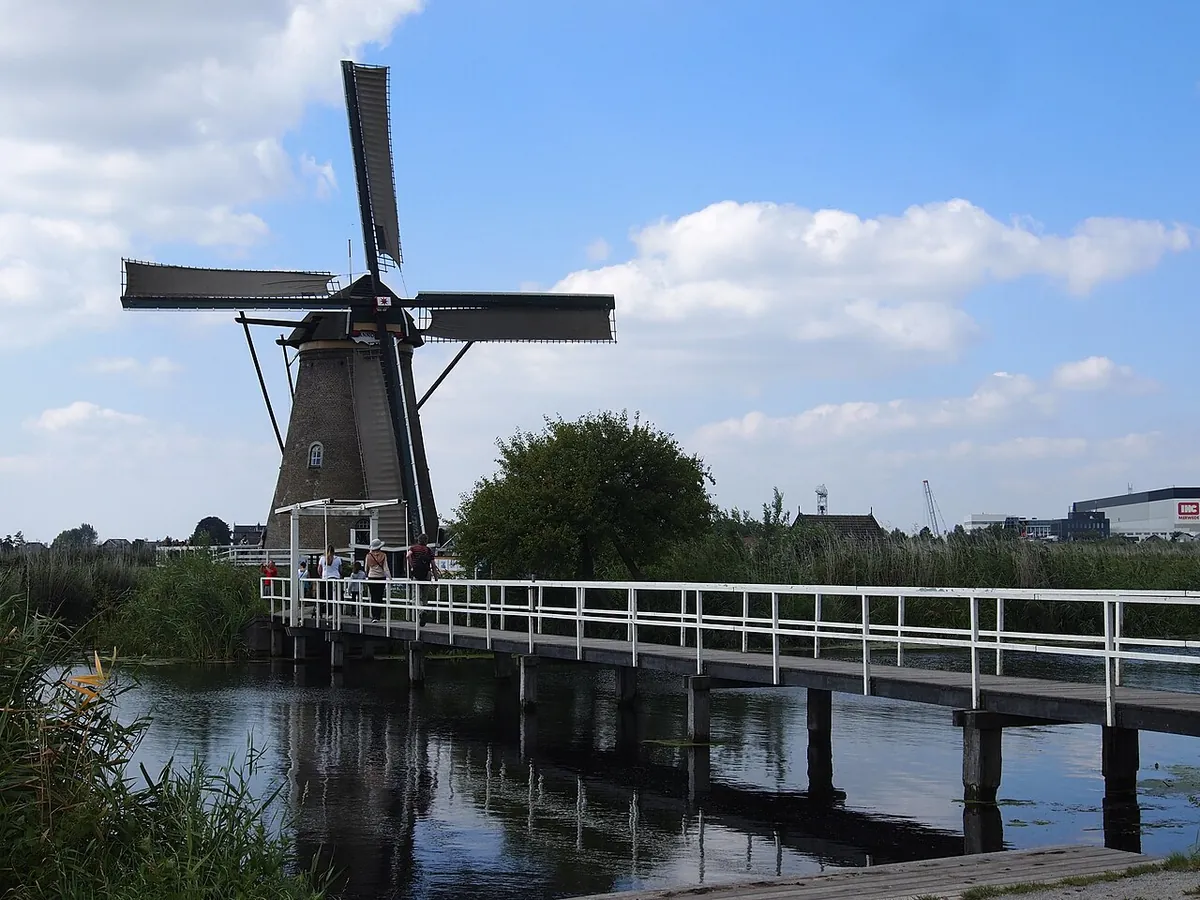
Nineteen windmills, two walking routes and a story of water management. Kinderdijk remains accessible in autumn, while entry to the visitor sites requires a ticket.
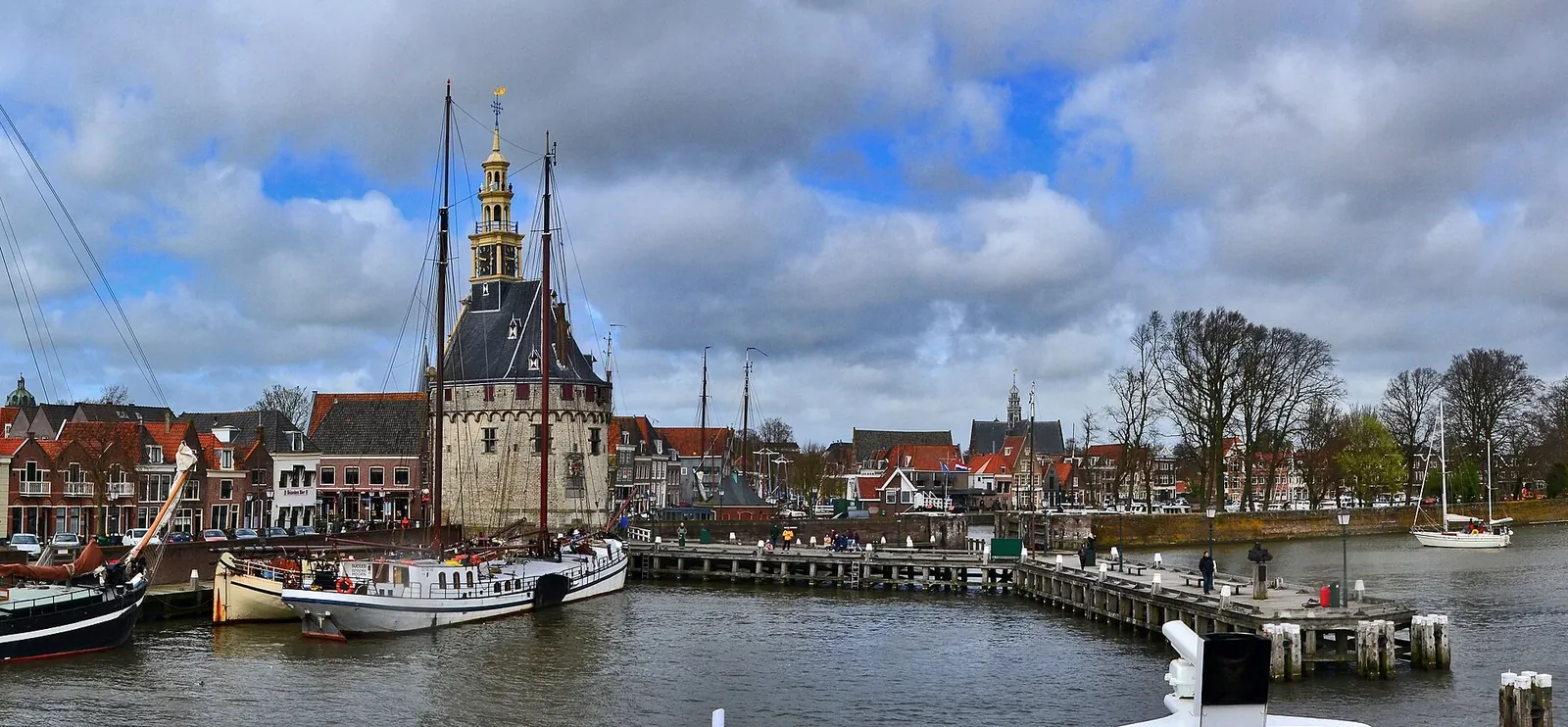
This historic port city has a story of trade and seafaring. Museum options are limited on Monday, but a walk by the harbour and Roode Steen is still possible.
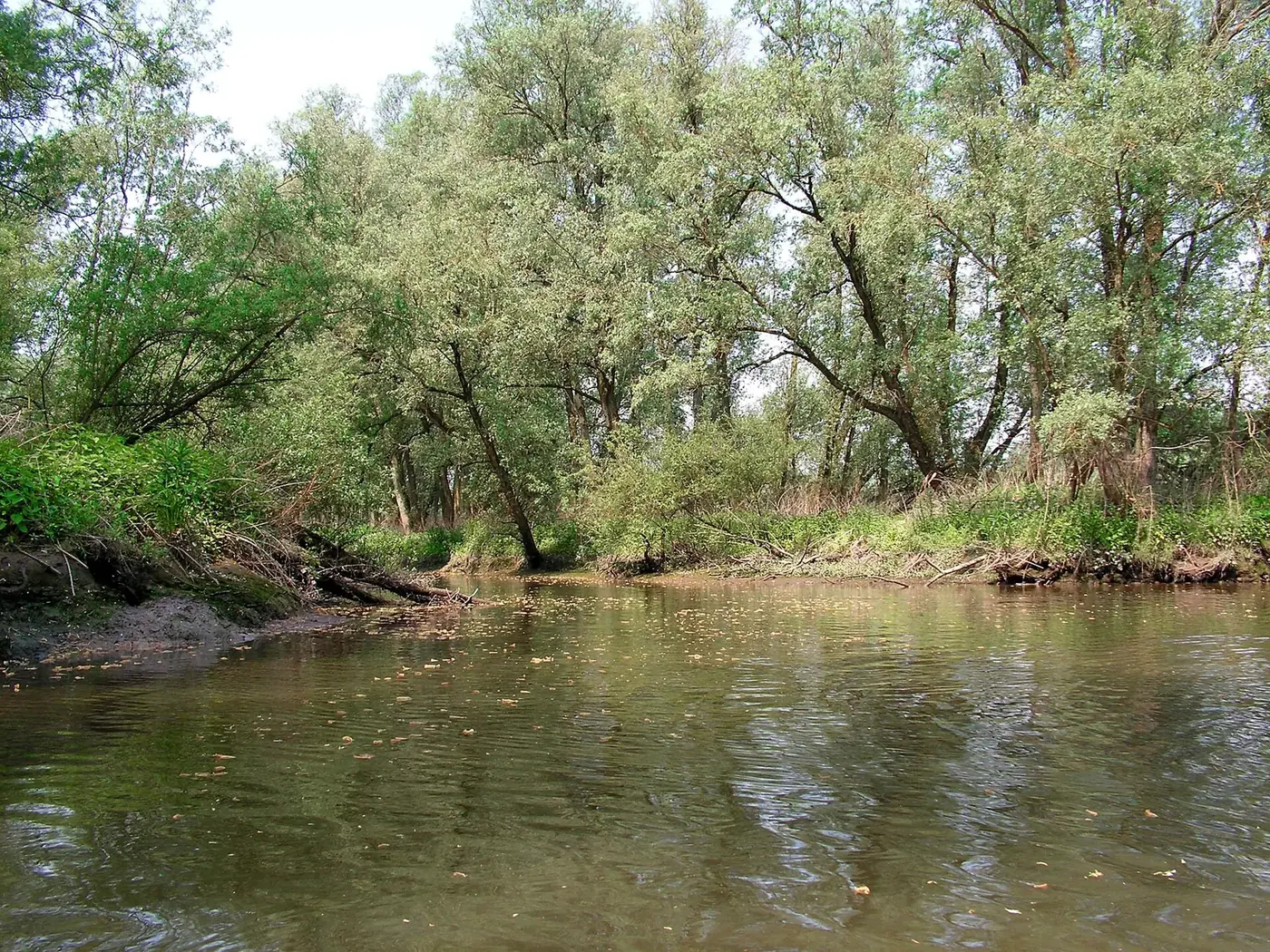
Beavers are mostly active at dusk. In October, gnawed branches and lodges are more realistic goals than seeing the animal itself.
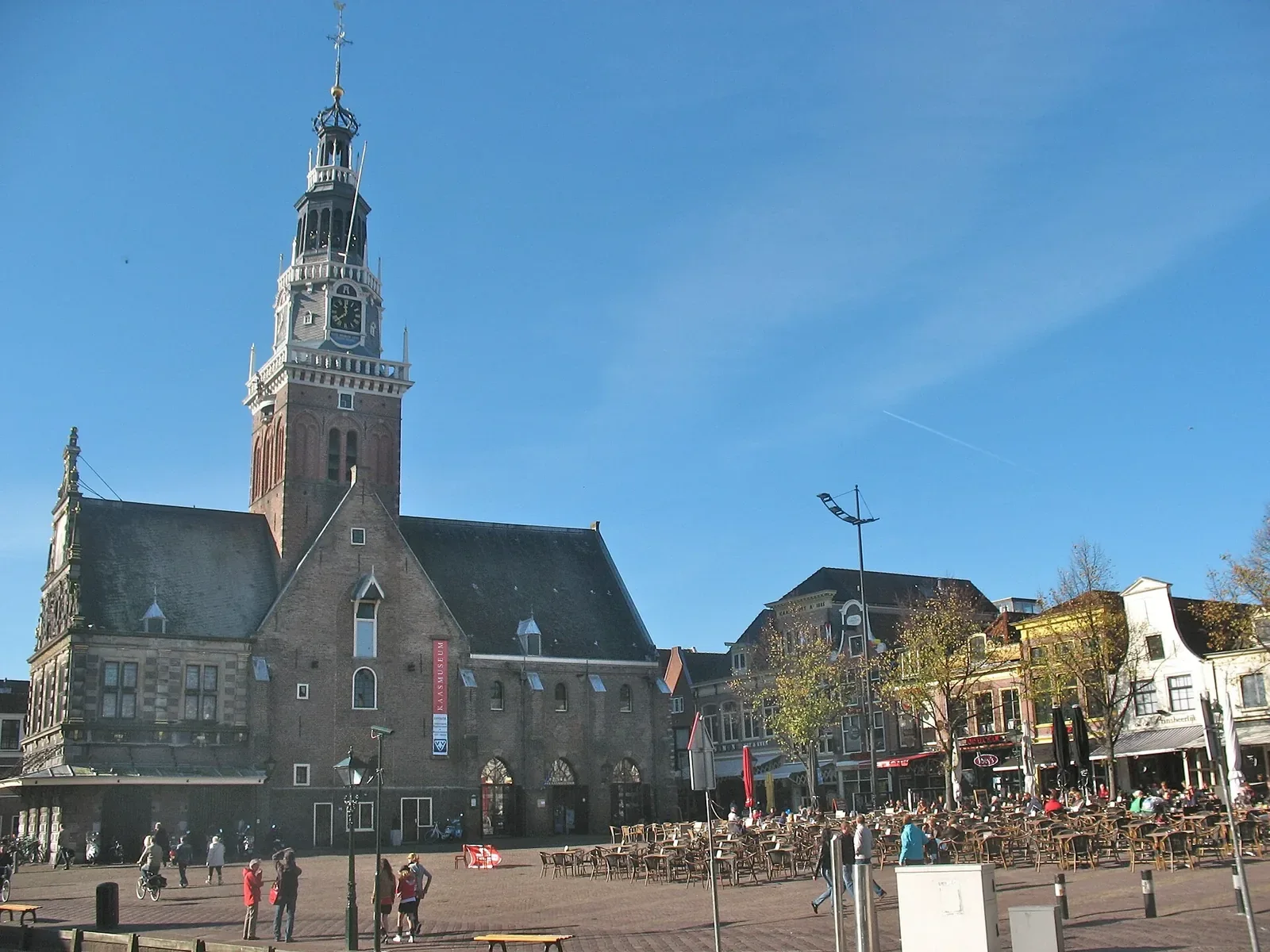
There is no cheese market on Waagplein in October. The Cheese Museum inside the Weigh House keeps the history of trade and production in view.
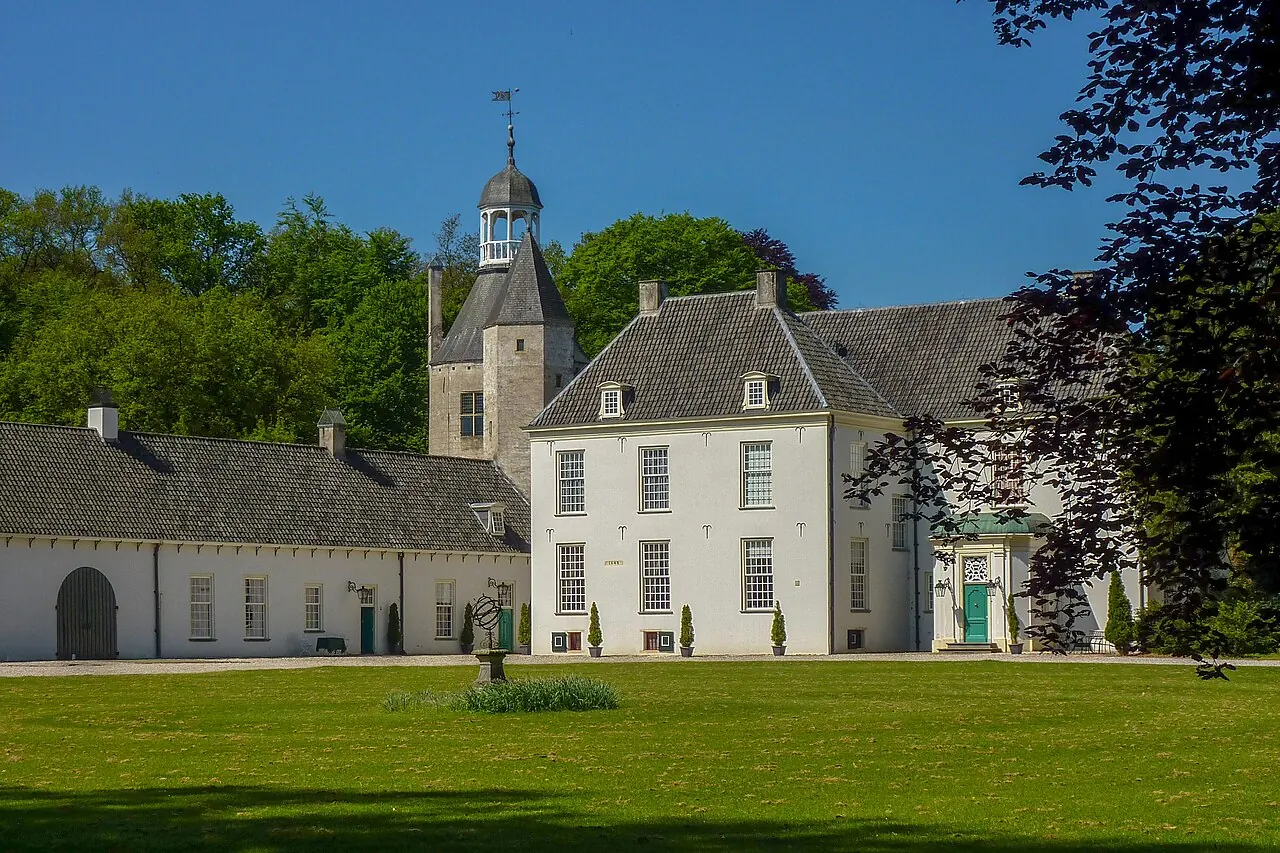
Town rights from 1419, a vanished stronghold and a private castle give compact Terborg its history.
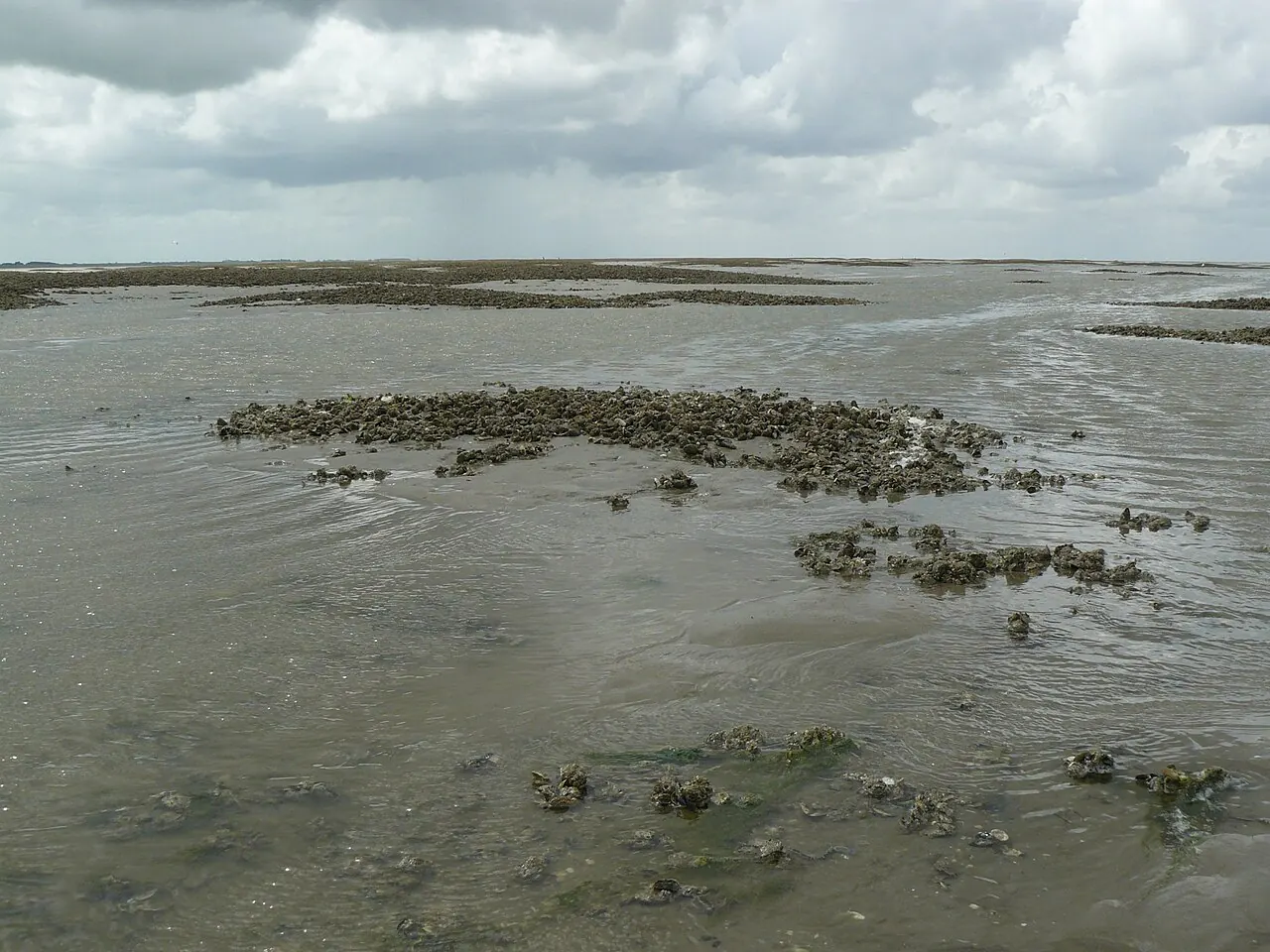
The mudflats change by the hour. Plan an island day with room for birds, the salt marsh and a guided excursion.
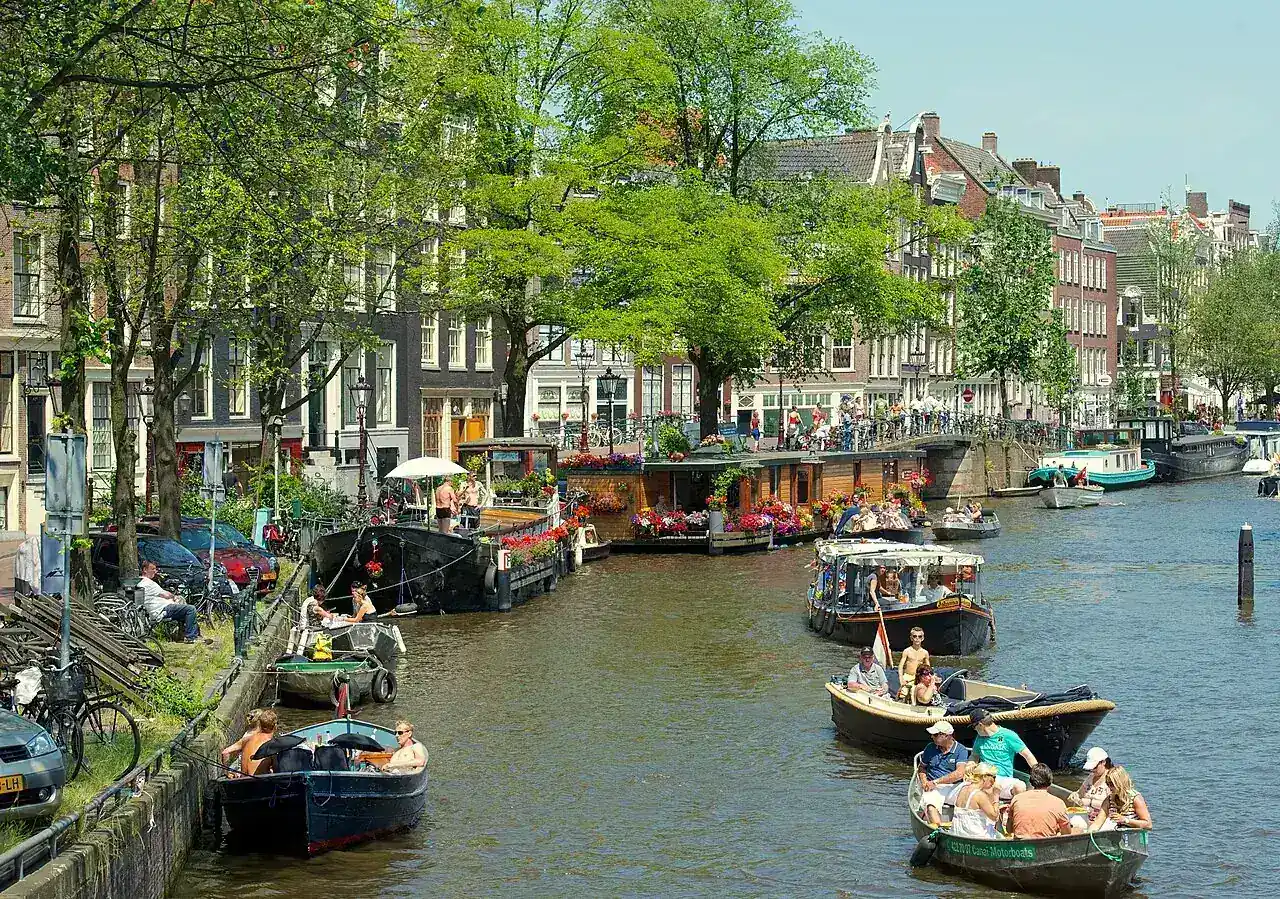
Private walks, themed dates and weekend tours offer three ways to explore a city with a guide.
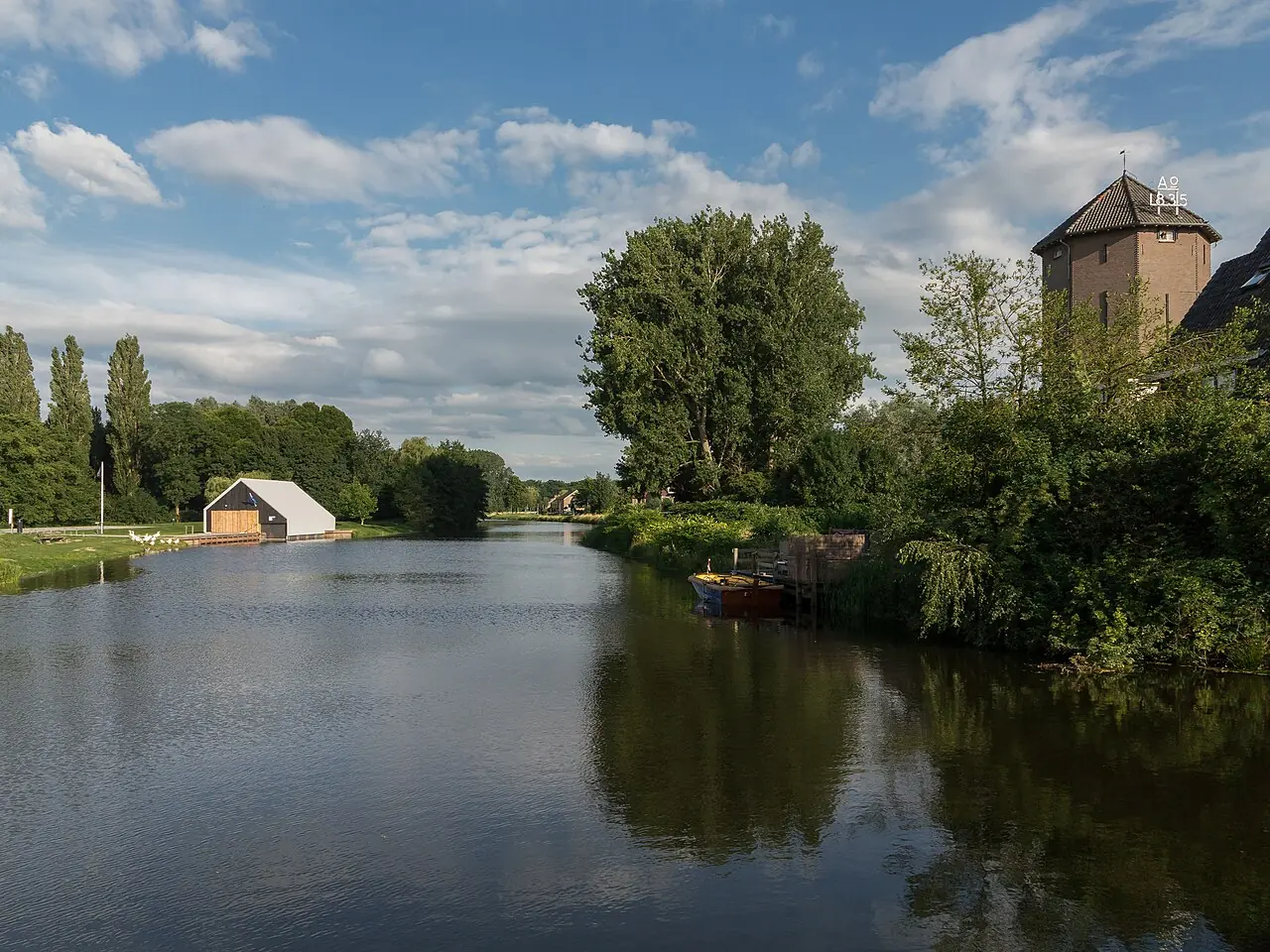
A historic town centre, a river and the surrounding estates make Lochem a place to explore at two different speeds.
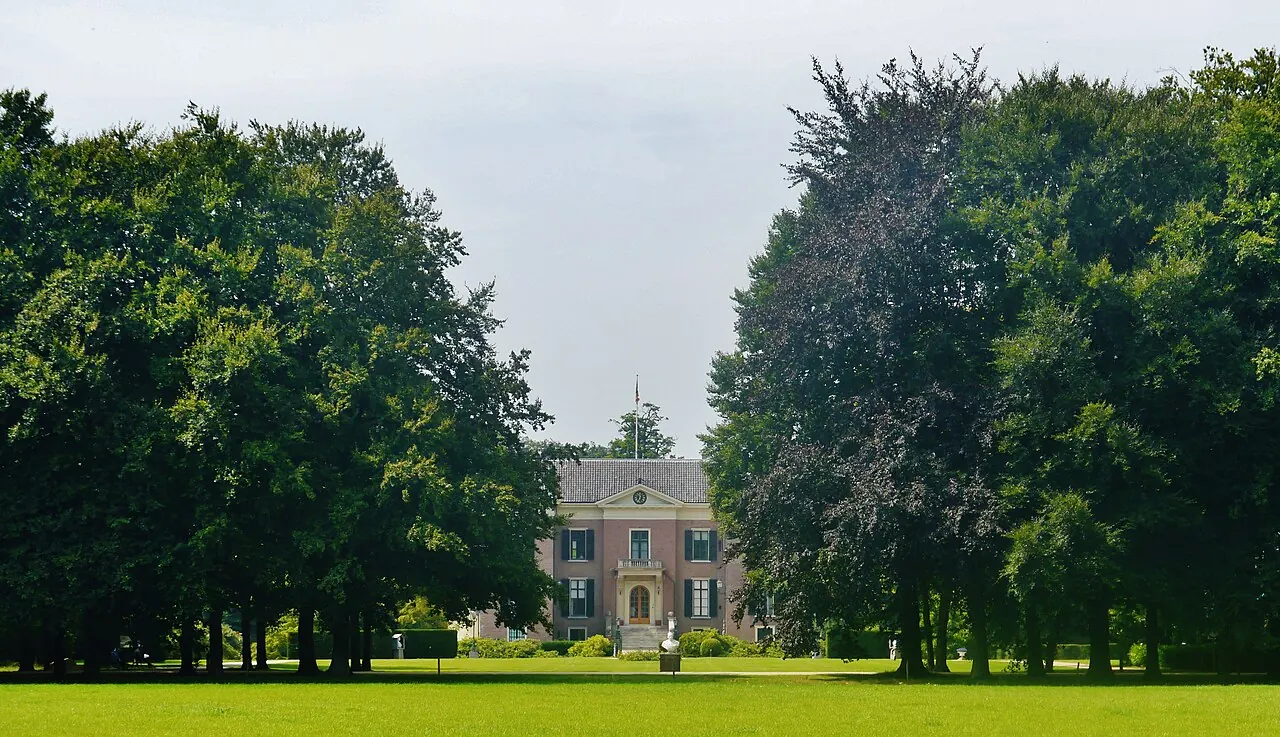
Dunes, estate paths and free youth tickets: where free access ends and paid admission begins.
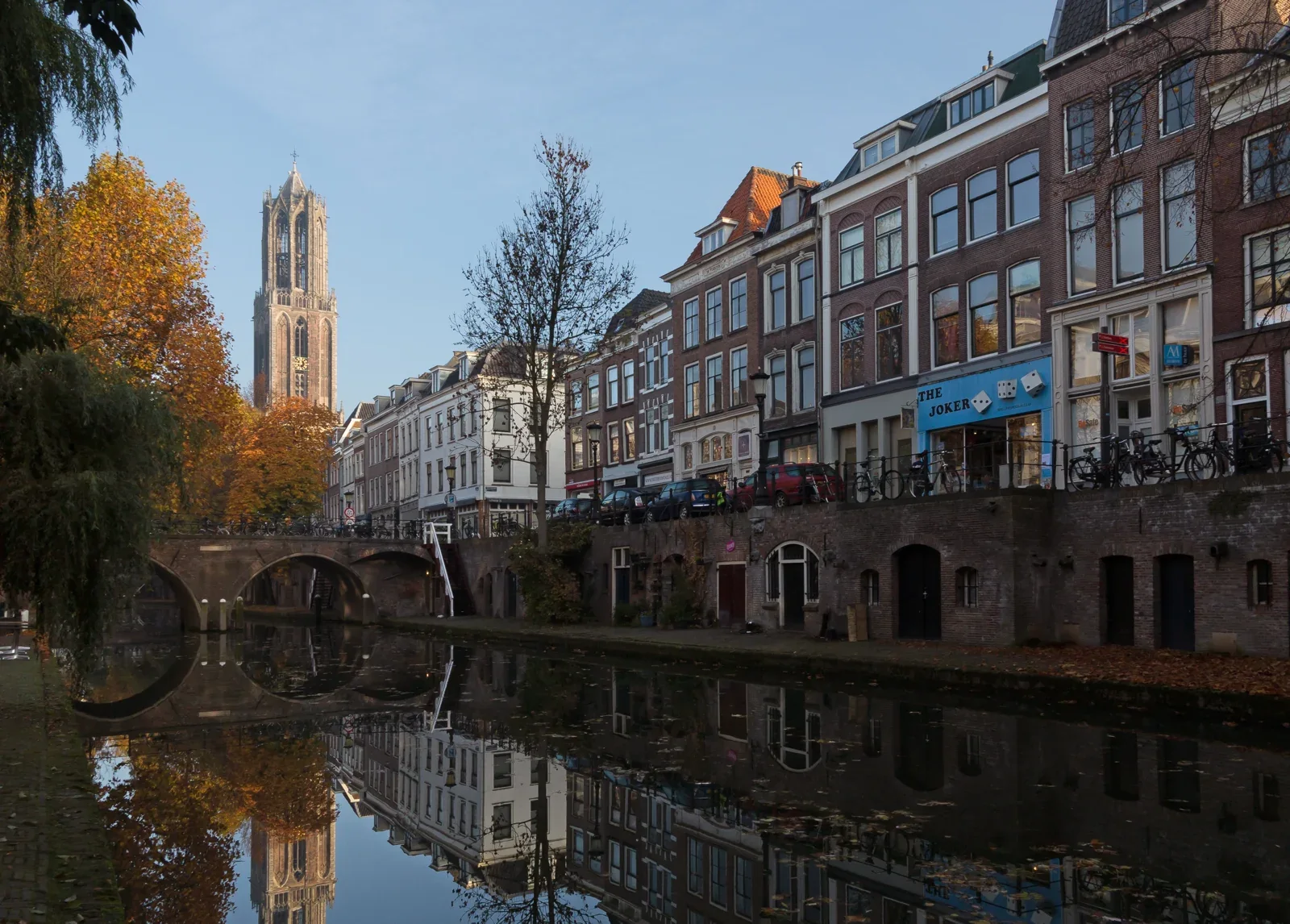
The 112.32-metre Dom Tower rises above the streets. Along the Oudegracht lies another layer of the city: wharves and cellars where goods were unloaded and stored for centuries.
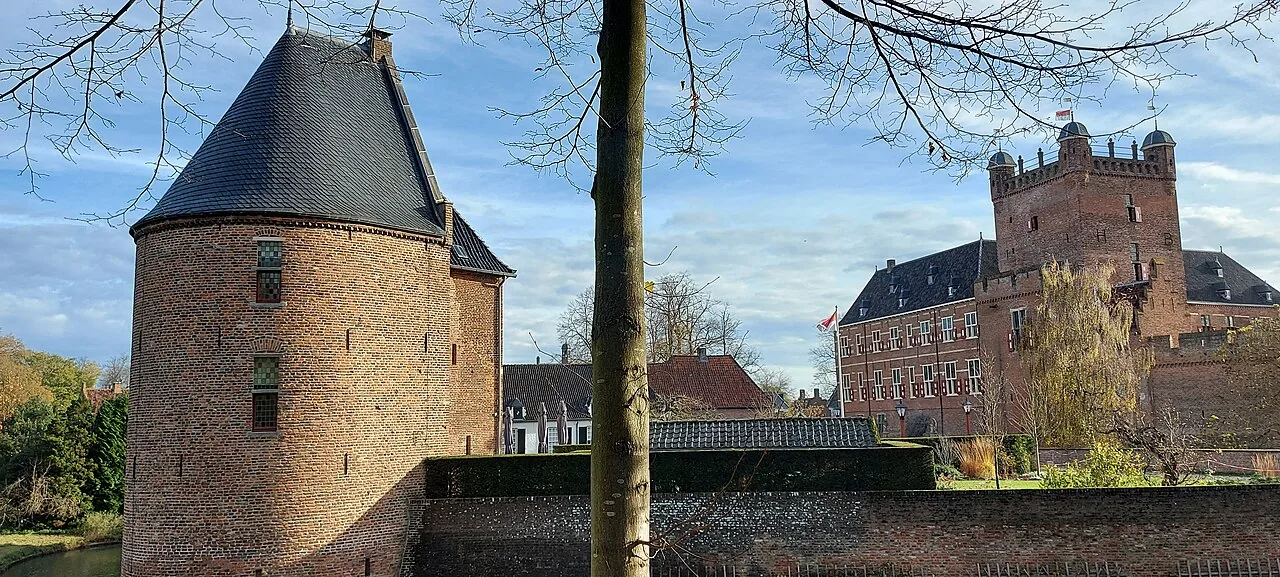
The castle in ’s-Heerenberg reopened in September 2026. Beyond the moat are centuries of building history, a large art collection and a visit worth planning.

A boat trip shows this freshwater tidal landscape differently from a walk. Anyone hoping to discover beavers in autumn should distinguish finding their traces from seeing an animal.
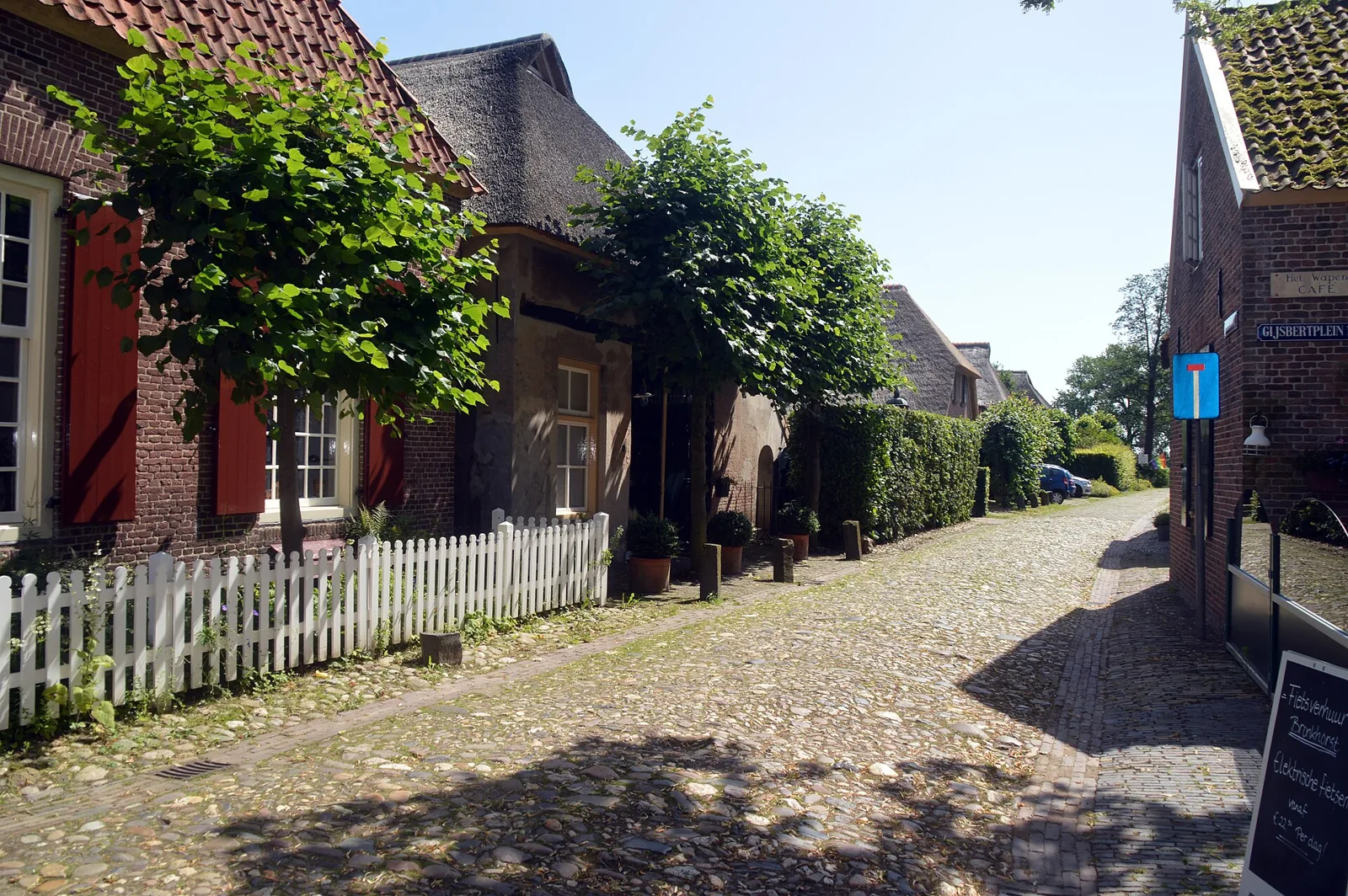
Bronkhorst received town rights in 1482. Its streets, chapel and castle mound tell the story of the old town; just beyond them begins a very different walking landscape beside the IJssel.
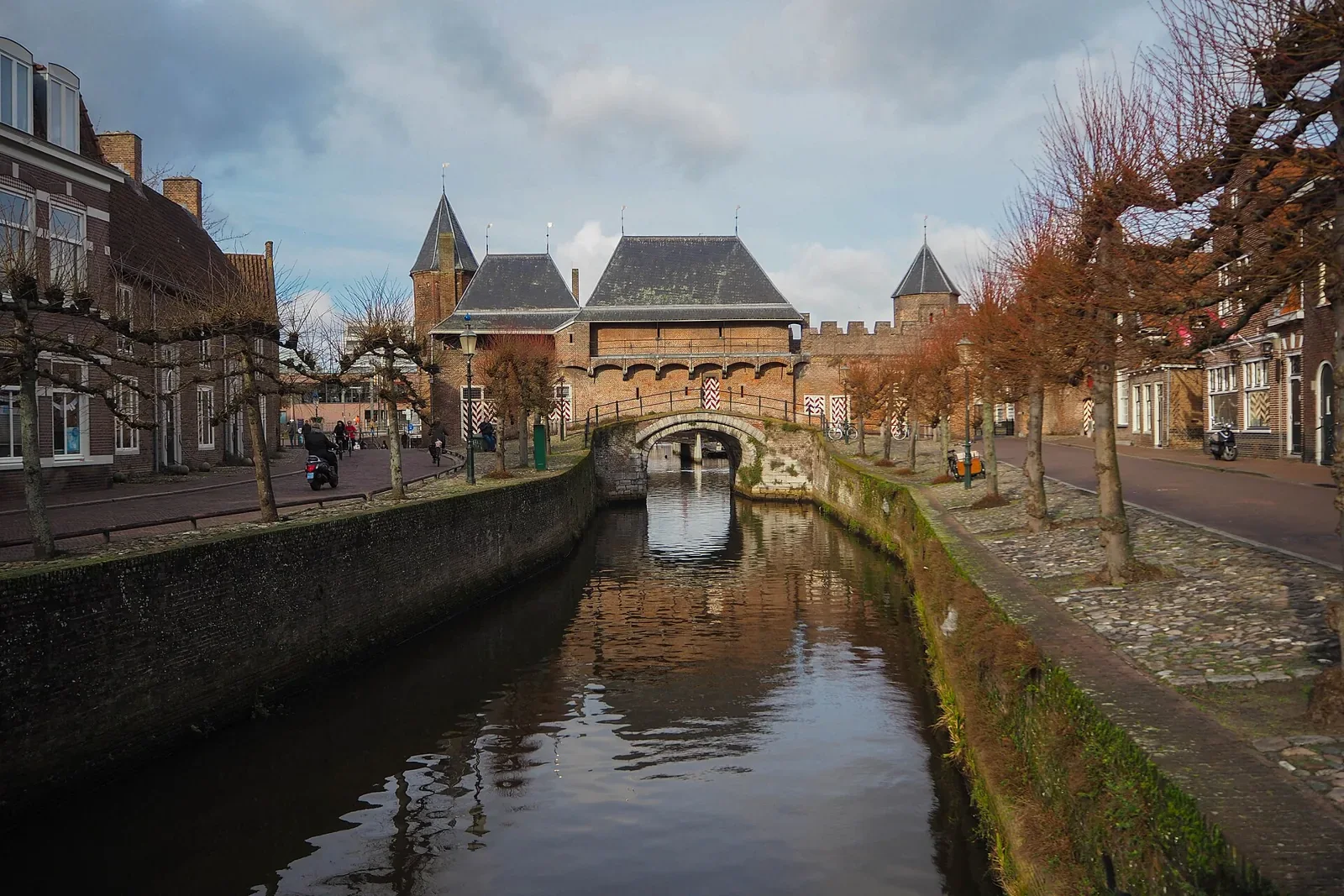
At the Koppelpoort, land and water met. Farther into the city, the Tower of Our Lady stands without its church. A walk through the centre connects these two histories.
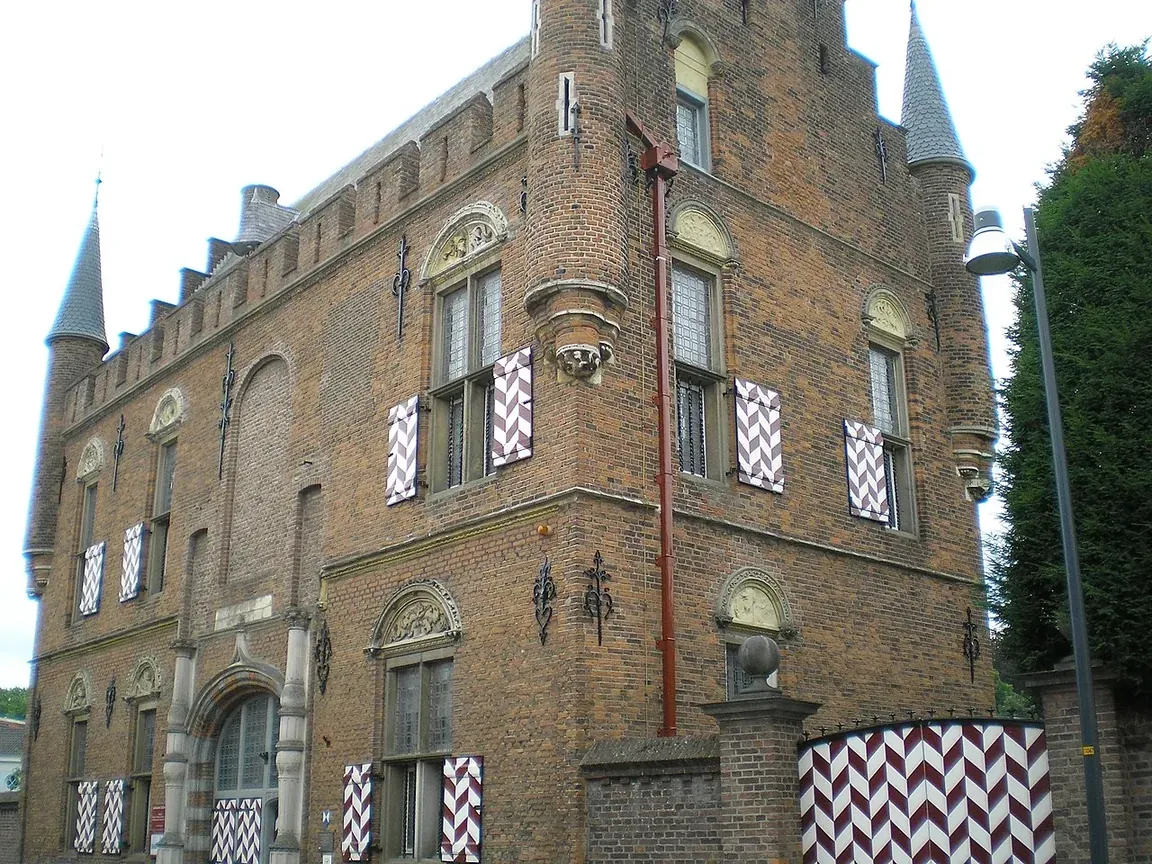
A sixteenth-century town palace and an older tower show different layers of the town.
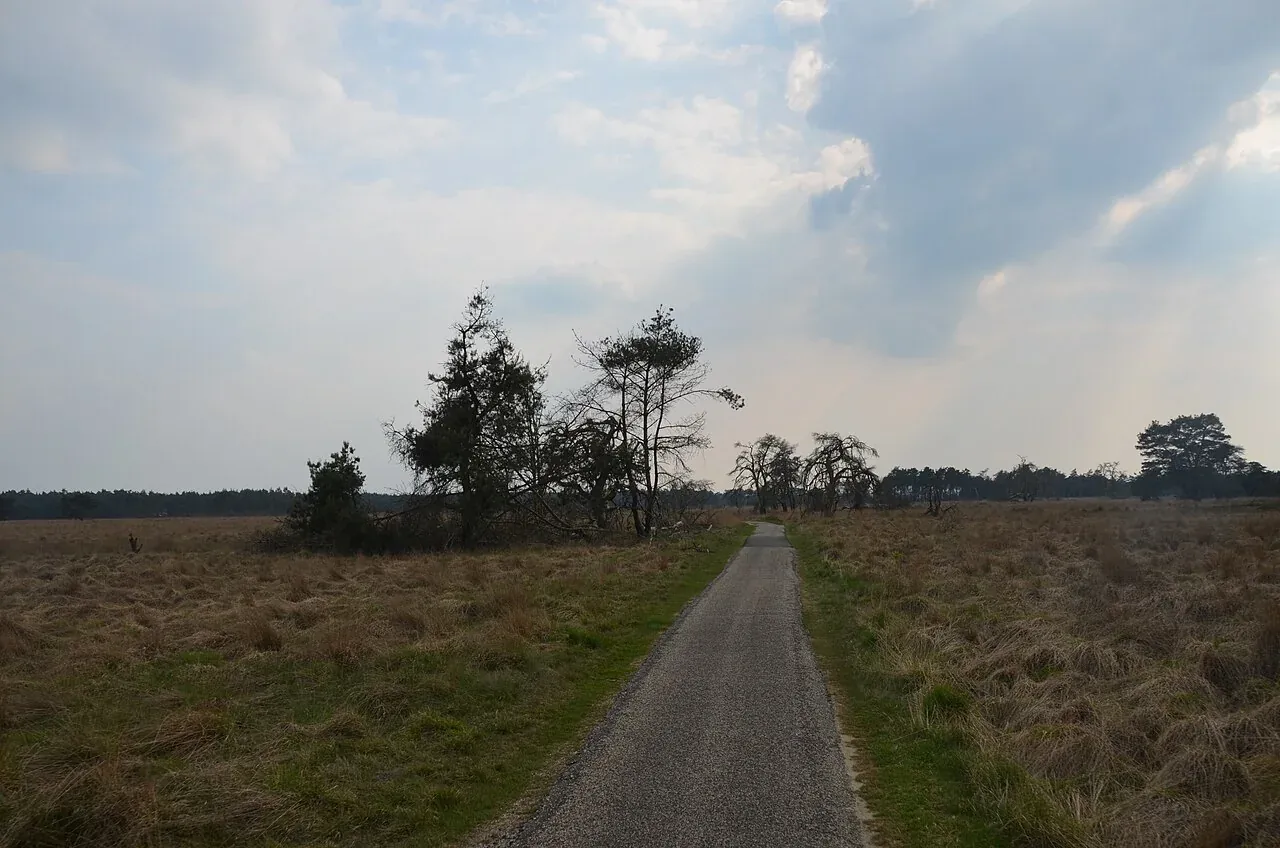
Woodland, heath and sand lie close together; a visit to the Kröller-Müller Museum also requires a park ticket.
On the Waal, near Waardenburg in Gelderland in the middle of the Netherlands, stands a castle linked to stories about Doctor Faust. Zaltbommel lies across the river, called simply Bommel in the tale. According to this tradition, a scholar hired the devil—and drove even that servant to despair.

The town combines a river, an old centre and stories of changing rulers.

The Vaalserberg, the village centre and the Three-Country Point each offer a different view of the border region.

Municipalities set their own tourist tax. For 2026 they budget a combined € 654 million in revenue.

The regional museum links the Waal, trade, archaeology and the jam history of the Betuwe.

From medieval stronghold to state prison: a jousting tournament follows at the weekend.

The protected town centre has a nineteenth-century basilica and a history that reaches far beyond today’s border.

Arnhem, Utrecht and Nijmegen show why rate, transfer and conditions all count together.
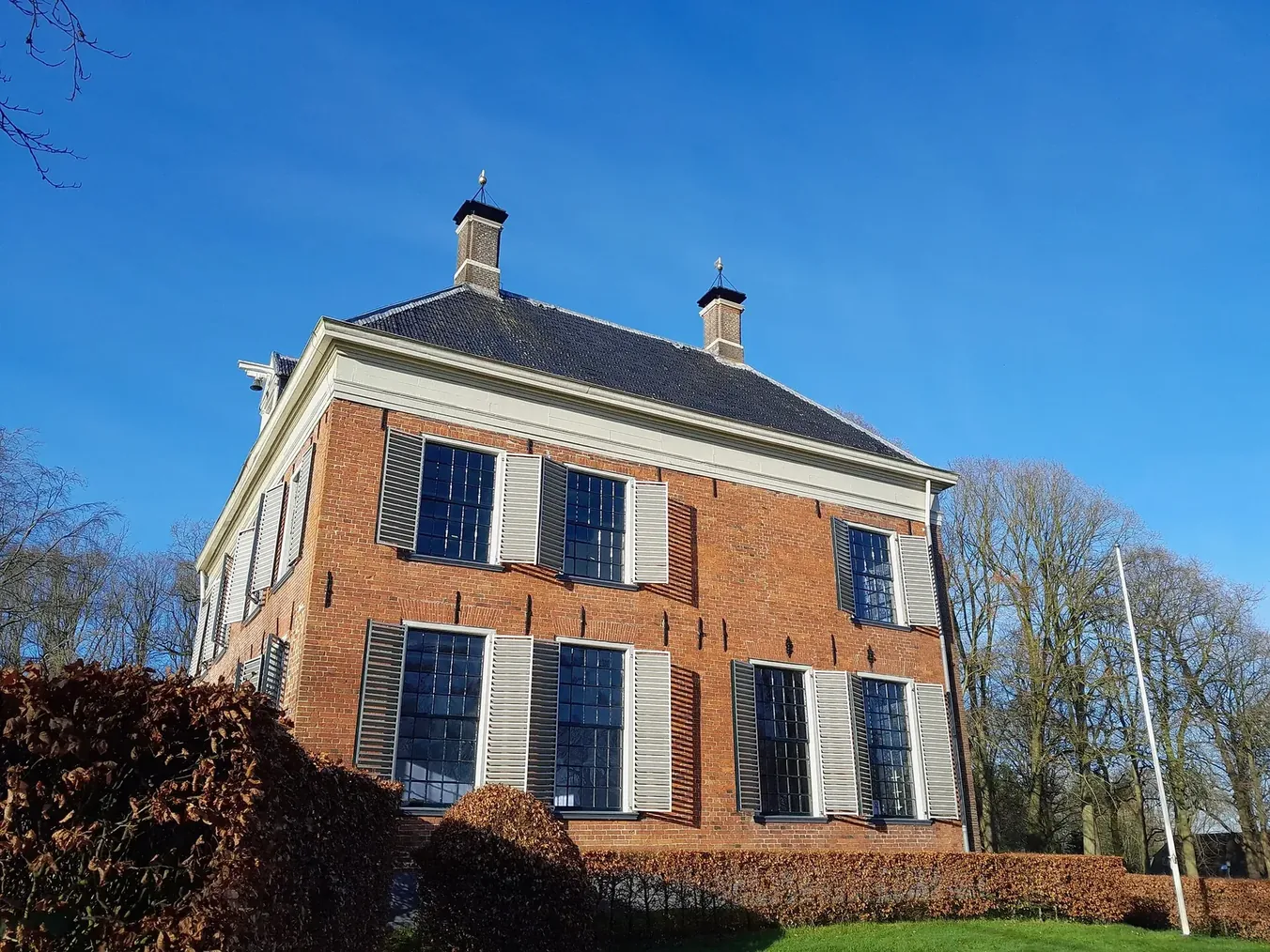
Volunteers from Het Groninger Landschap take visitors out onto the estate.
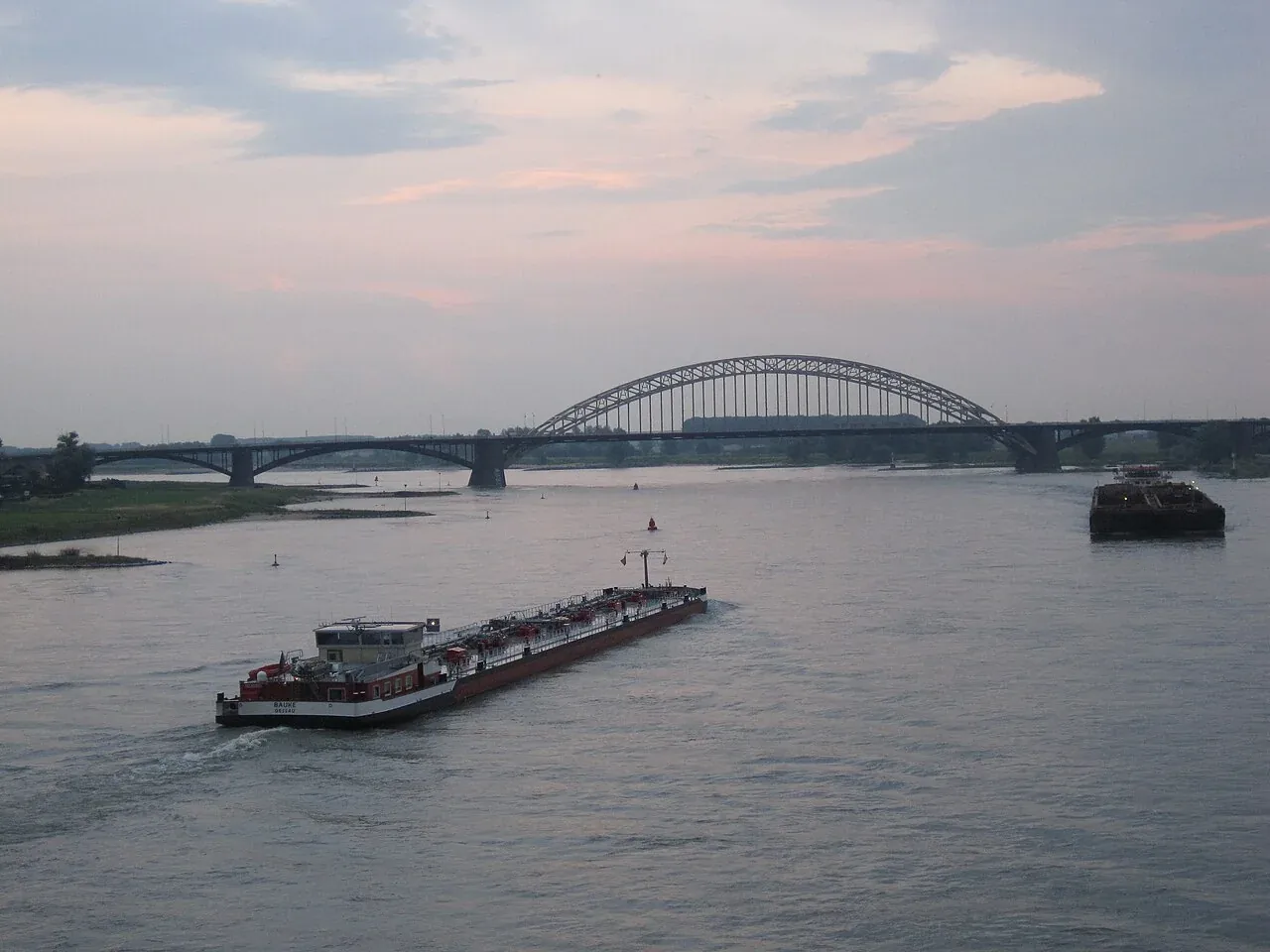
A walk links the Valkhofpark, the Waalkade and nearly two millennia of city history.

In the stream valley of the Aa, castle, walled garden and estate lie side by side.

A walk past the kitchen garden and the Duno estate makes a castle visit bigger than the rooms alone.

A brewery village with walking routes shows how place, ingredients and landscape come together.
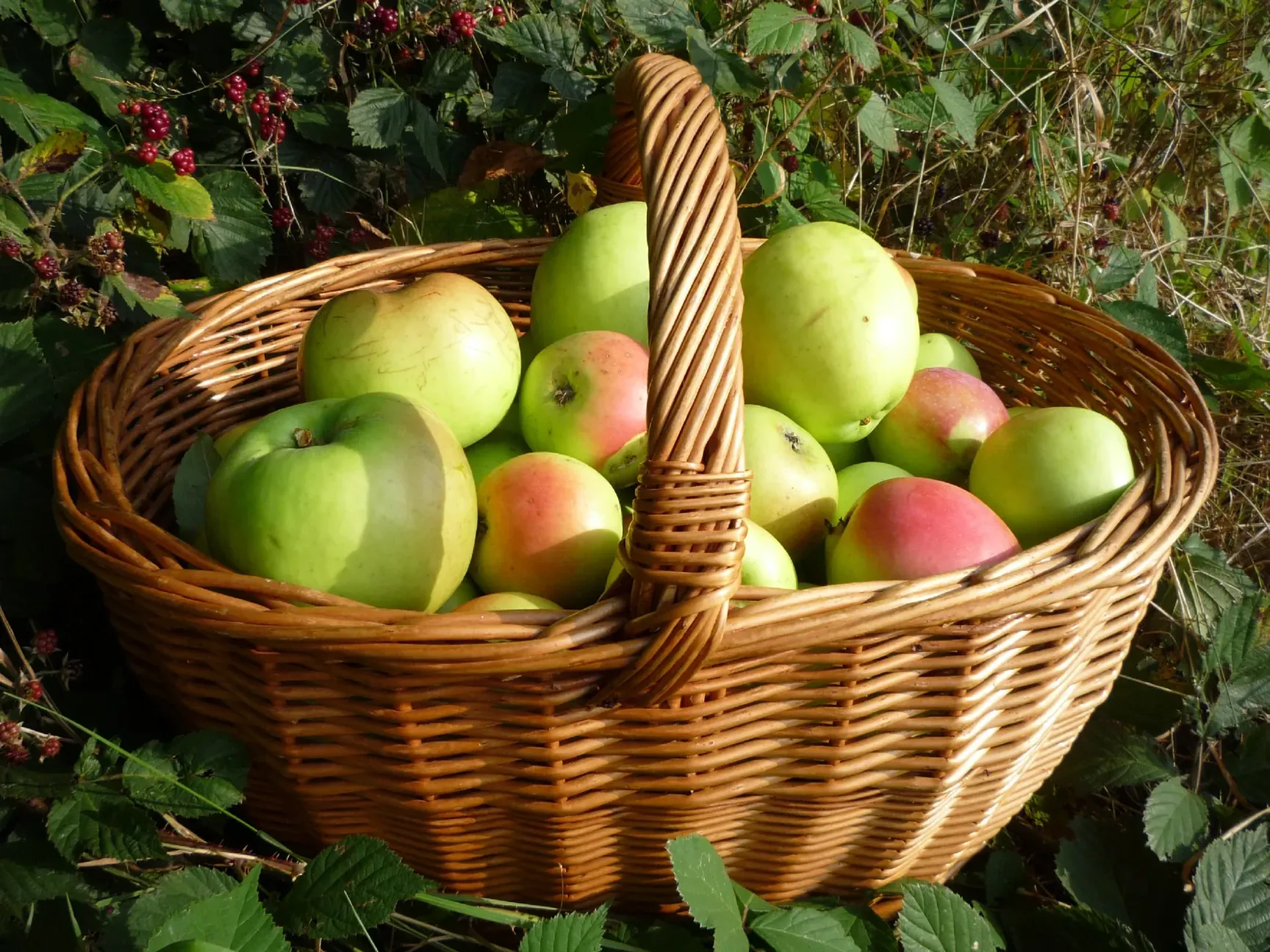
On 17 and 18 October, Tuingoed Foltz puts old fruit varieties in the spotlight, with free admission, pruning demonstrations and a guided tour.
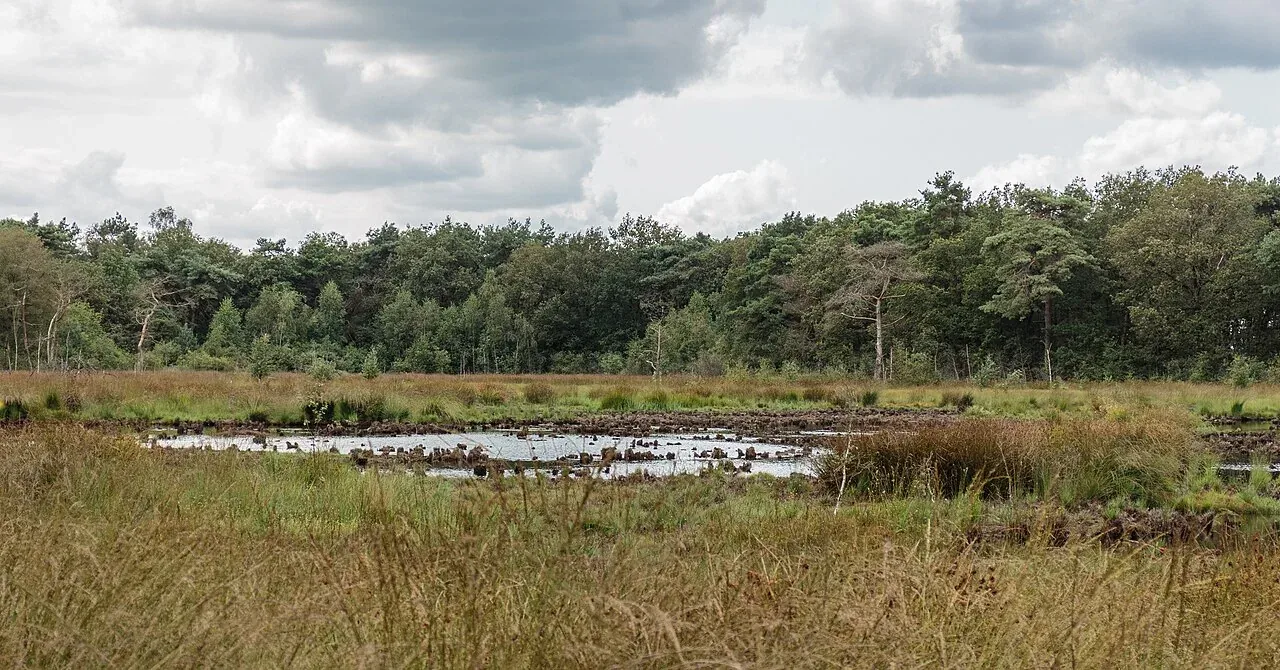
Pools, woodland and heath alternate in this Drenthe park. The visitor centre near Ruinen is a good starting point.
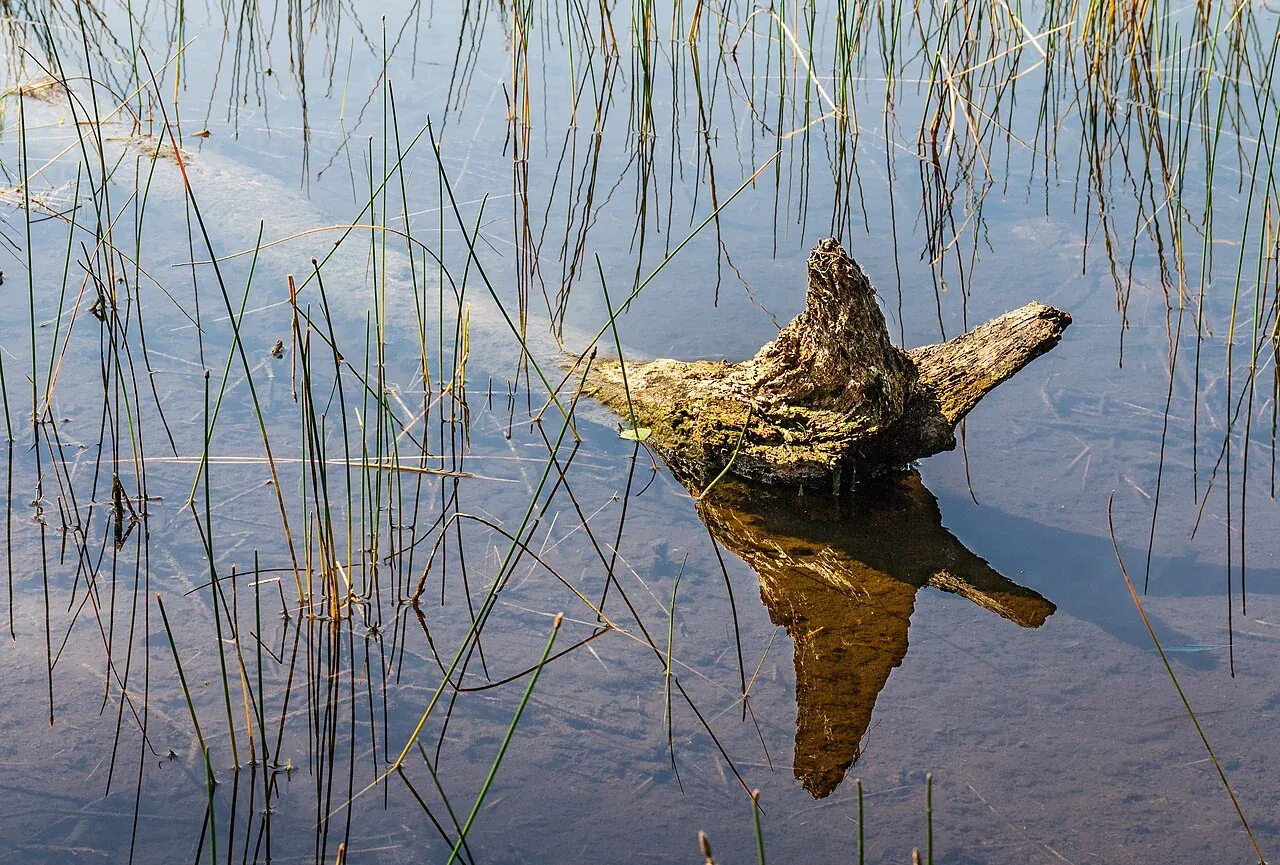
The national park has an accessible family trail near Appelscha. According to the calendar, October is excursion month.
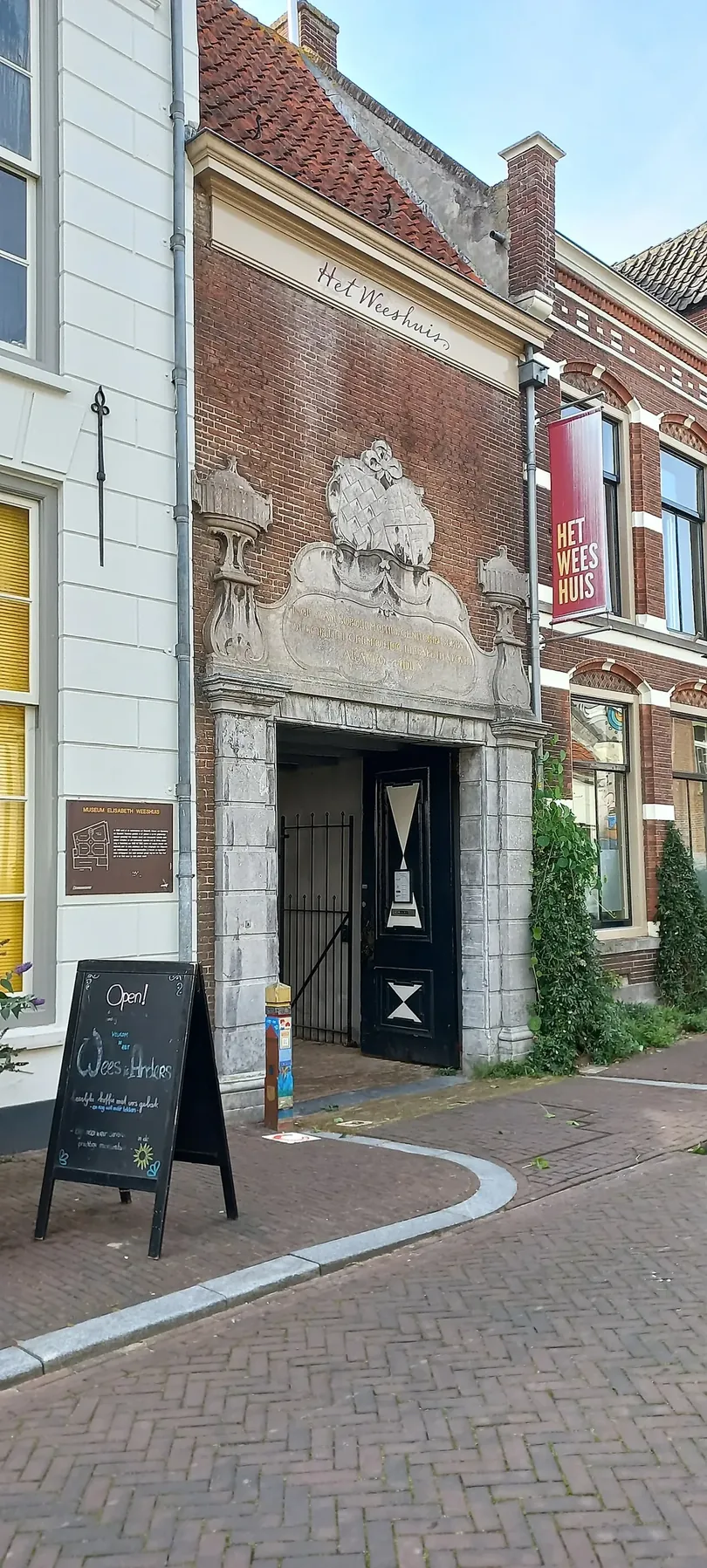
In a centuries-old building, stories of growing up and the history of Culemborg come together.
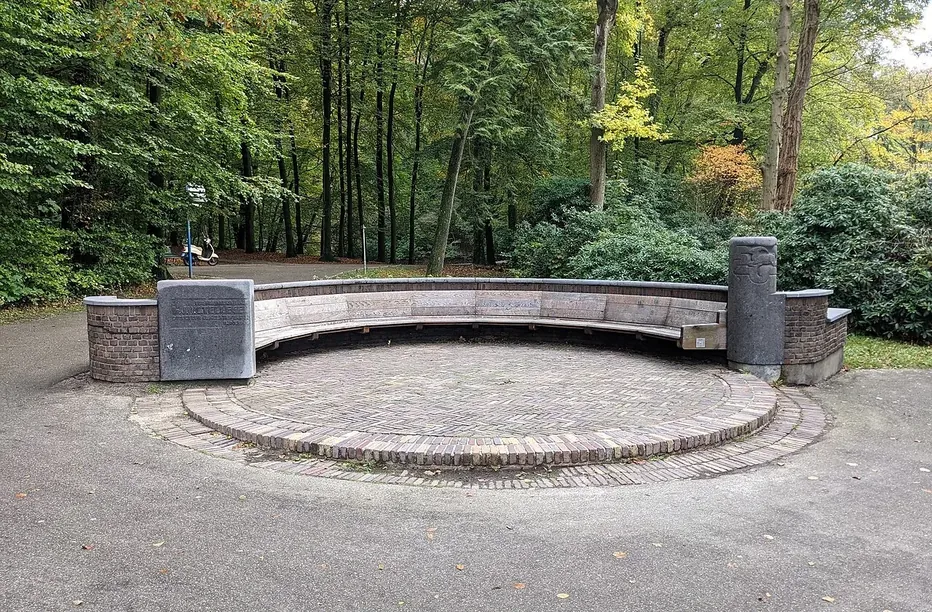
Sonsbeek lies close to the station; the Open Air Museum and Burgers’ Zoo each call for their own day plan.
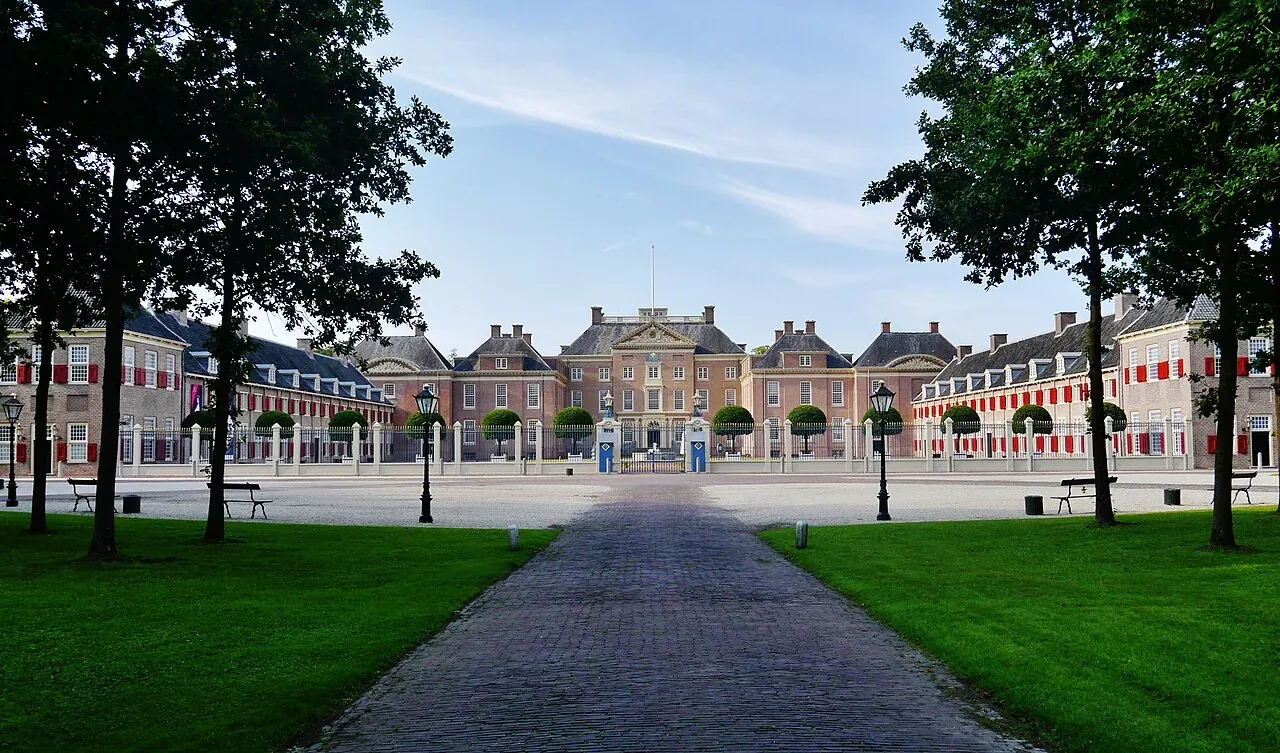
The palace, the gardens and the landscape park offer different routes through the Orange past.
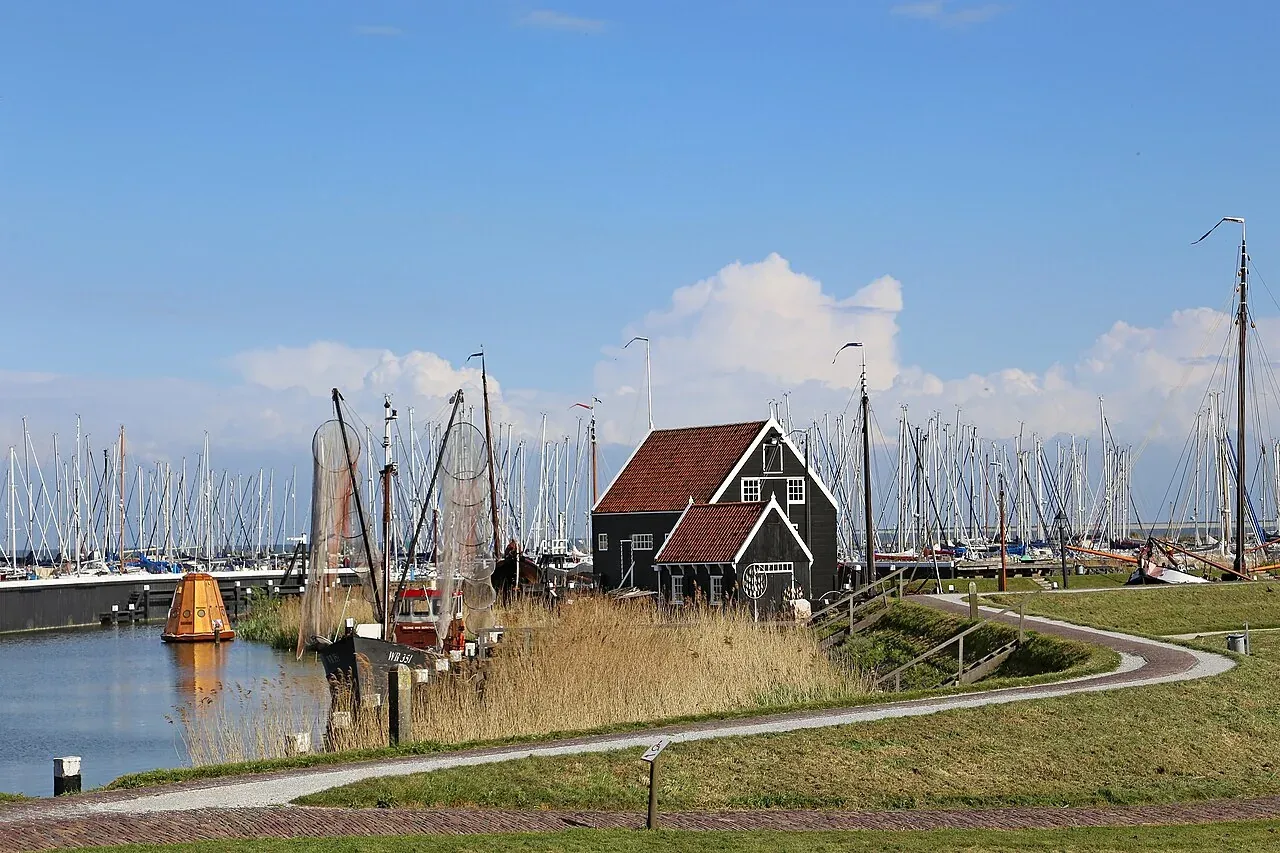
The Zuiderzeemuseum uses these two names for its locations. The village remains open until and including 25 October.

The ruin and the Fluweelengrot together tell the story of marl, defence and underground passages.
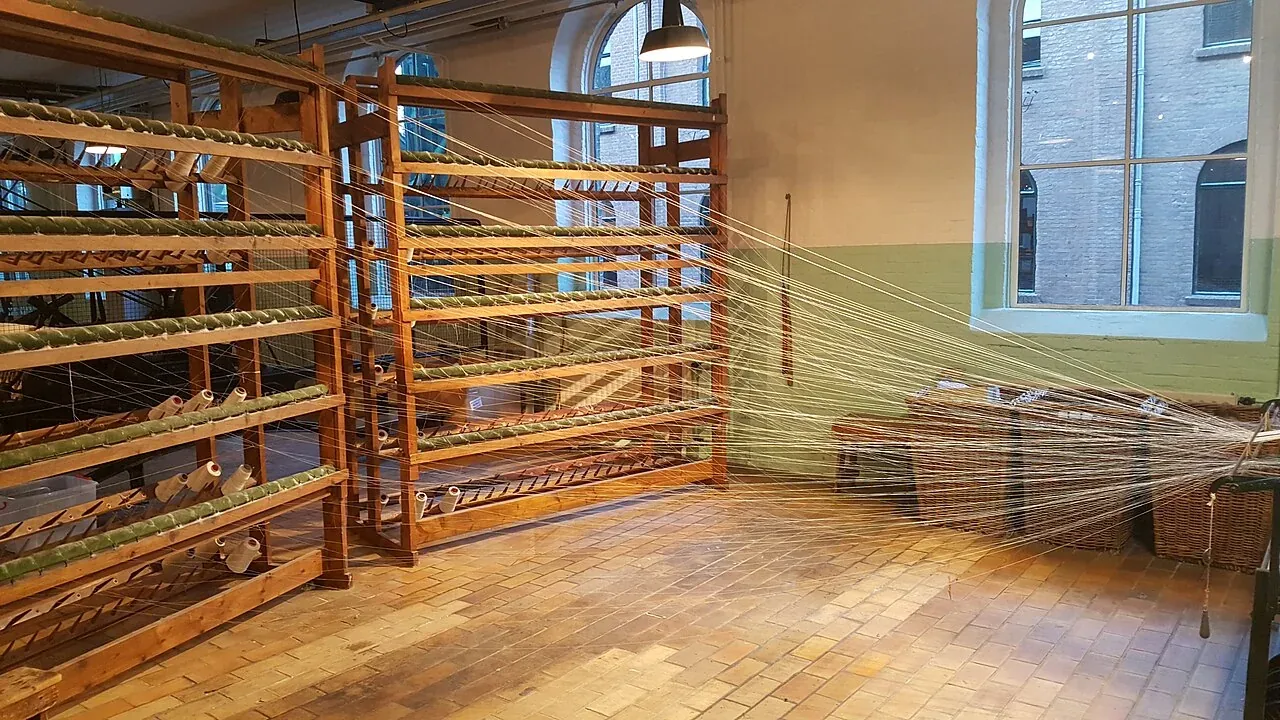
The TextielMuseum is housed in the former complex of Christiaan Mommers. The current exhibitions look at stories and new work in textile.

The white façades catch the eye, but the Abdijkerk holds the story of a noble women’s foundation.

The castle near Utrecht was inhabited until 1952. The garden adds to the story, while a new exhibition does not open until 21 October.
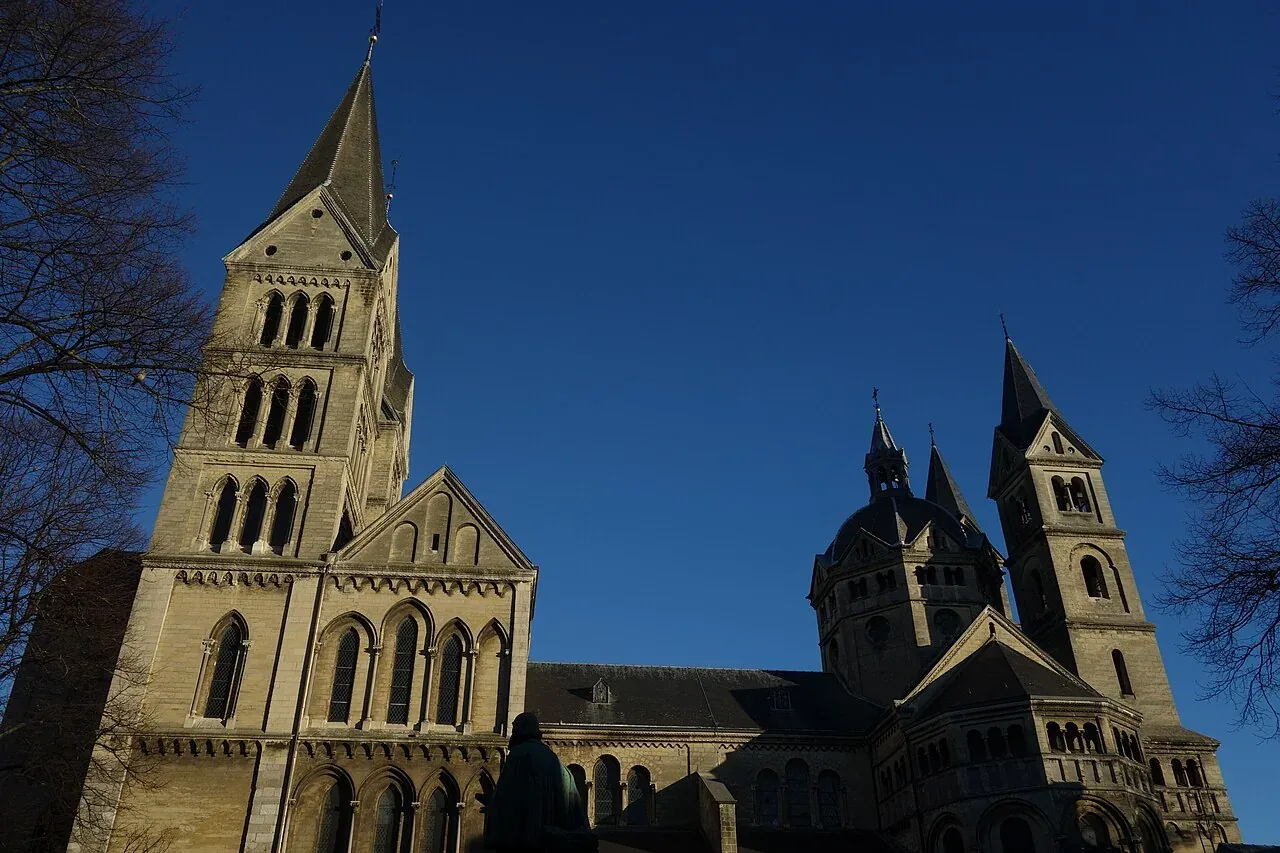
An abbey church with a medieval tomb stands in a town whose surroundings also include the Roer, the Maas and lakes.
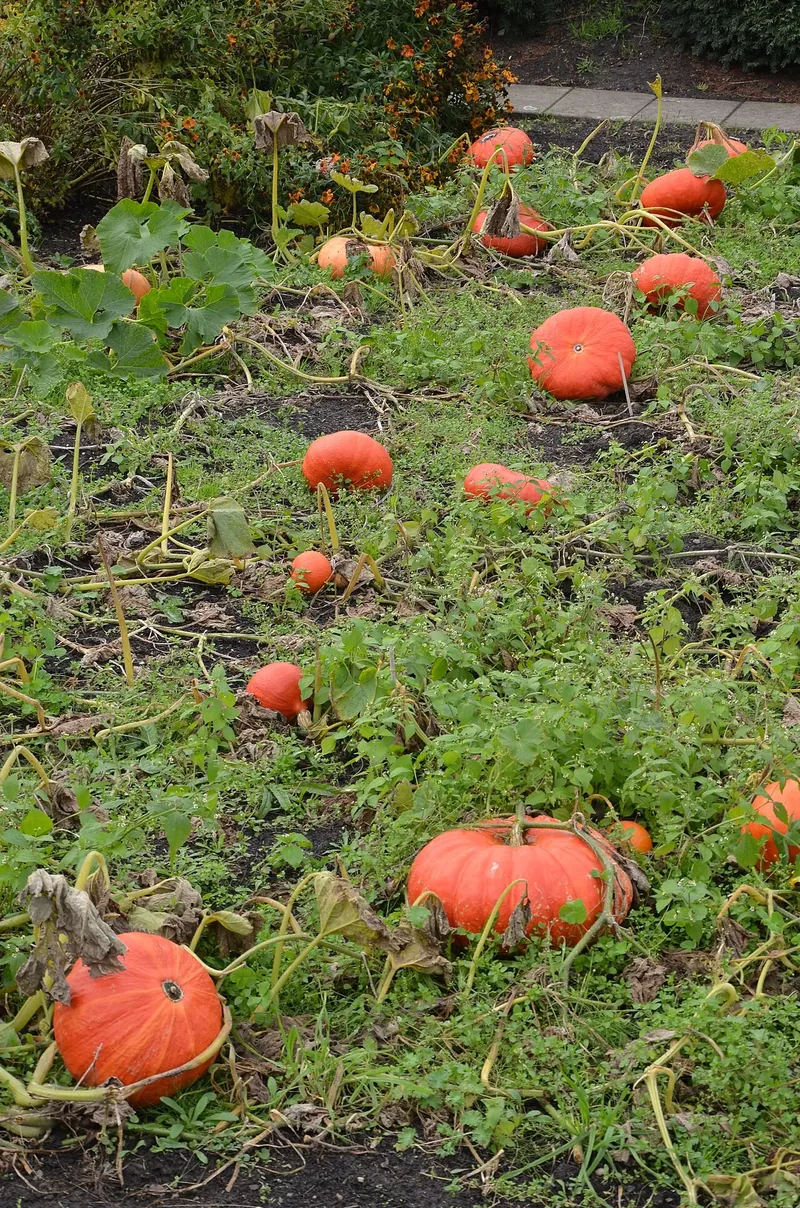
Boerderij Nieuw Slagmaat holds picking days on Fridays and Saturdays in October.
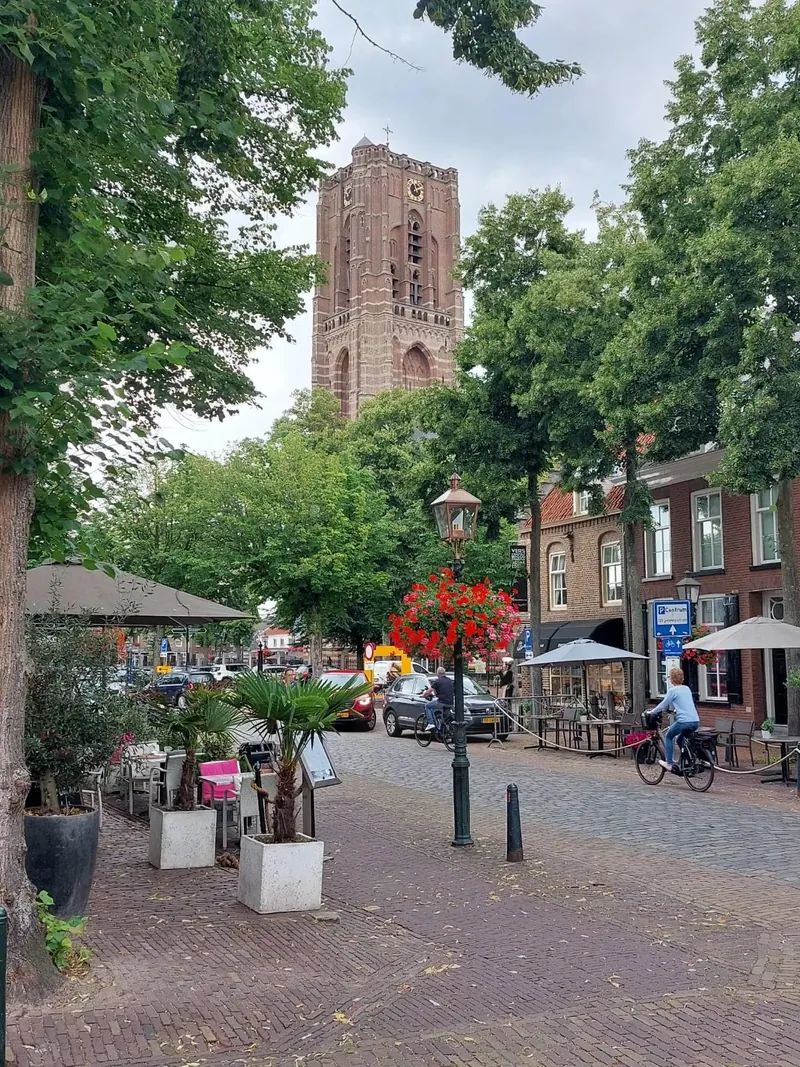
The Sint-Petrusbasiliek tells the history of the village. In October, limited weekend hours apply for visiting the interior.
 AI-generated image
In 2025 the statistics office CBS saw a decline for the first time since 2010. The Chamber of Commerce (KVK) counted registrations at the start of 2026 on a different basis.
 AI-generated image
Staatsbosbeheer publishes opening dates for its own sites. A small number stay open in winter too.

The evening has a museum programme from 17:00 to 21:00 and an afterparty afterwards. Adults and children both need a ticket.
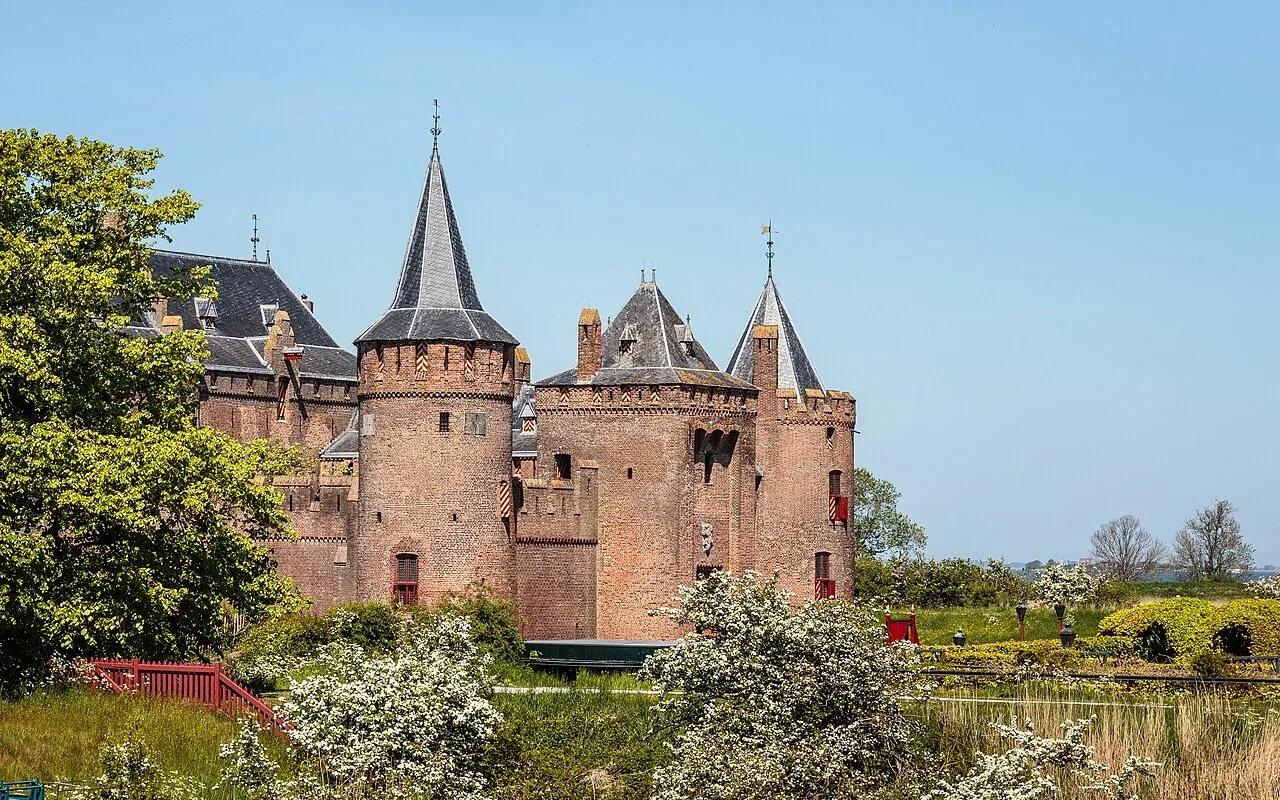
The castle in Muiden is open daily in October. The Knights and Crafts Weekend follows on 17 and 18 October.

A route through the city links church history with a bookshop and modern art. One floor of the Bonnefanten is temporarily closed.

The Herfstkasteel runs until 25 October. The museum offers craft activities and, from 17 October, meetings with castle residents.
Published rides of 35 to 41 kilometres run around Oud-Zuilen, the Vechtstreek and ’s-Graveland.
Strijp-S shows its industrial past during the design festival from 17 to 25 October. The Van Abbemuseum has one closing day that week.
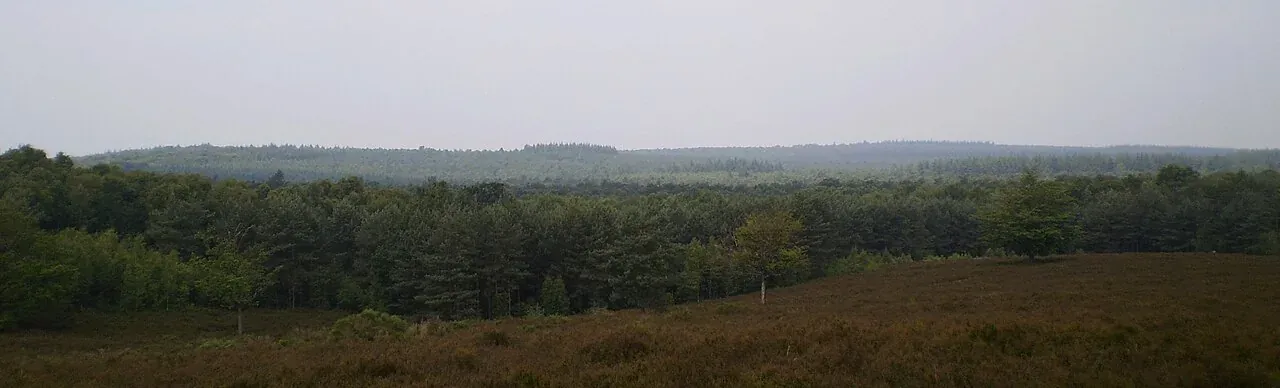
Doorn, Amerongen and Leersum offer woodland and heath. A closed platform and poorly visible waymarkers deserve attention when planning.
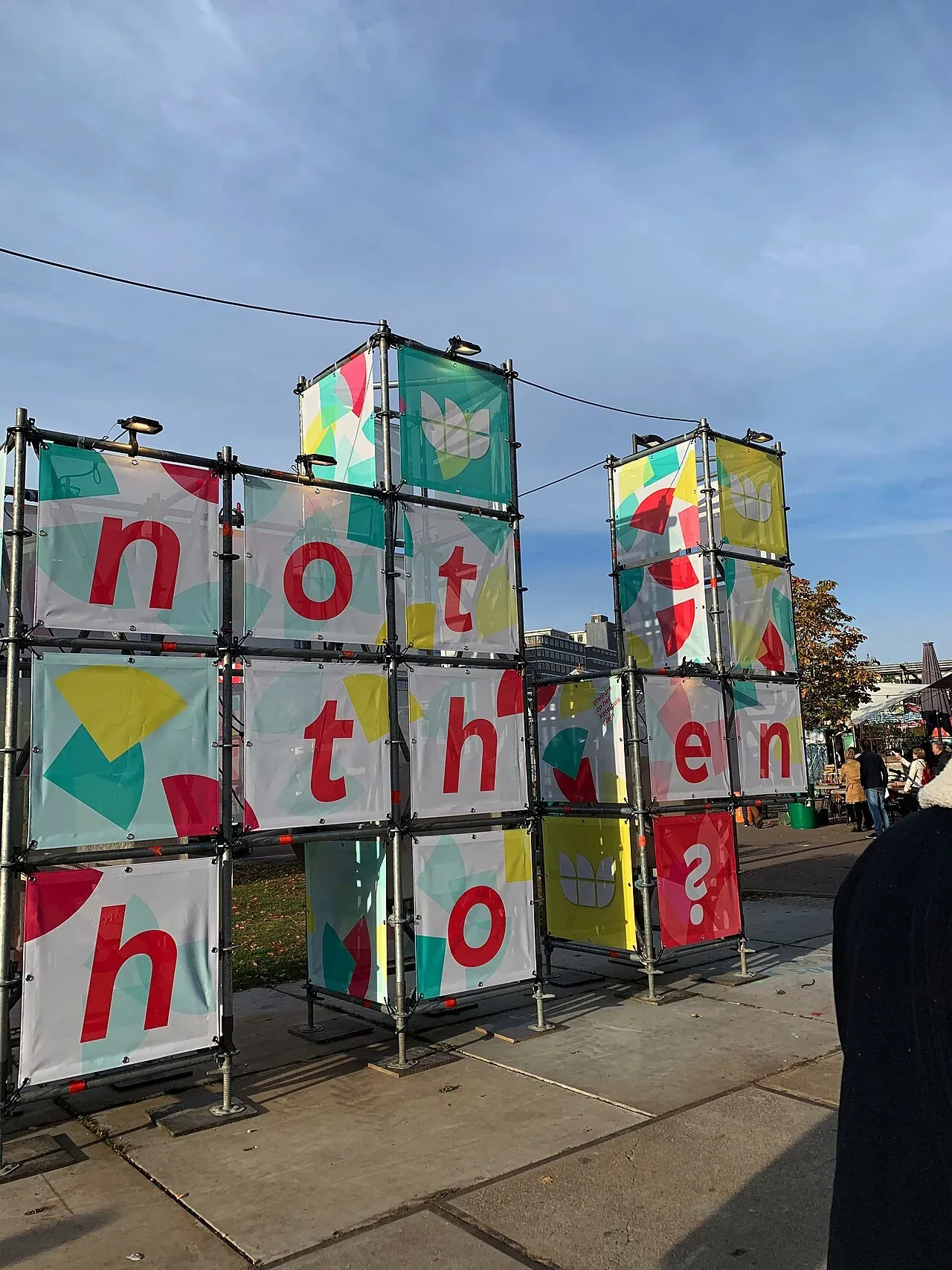
According to the organiser, the Bastiaansplein will have stalls, performances and music. Start and end times have not yet been confirmed.
 AI-generated image
Nature managers point out routes at Beestenveld, on the Veluwezoom, in Wolfheze and on the Utrechtse Heuvelrug.
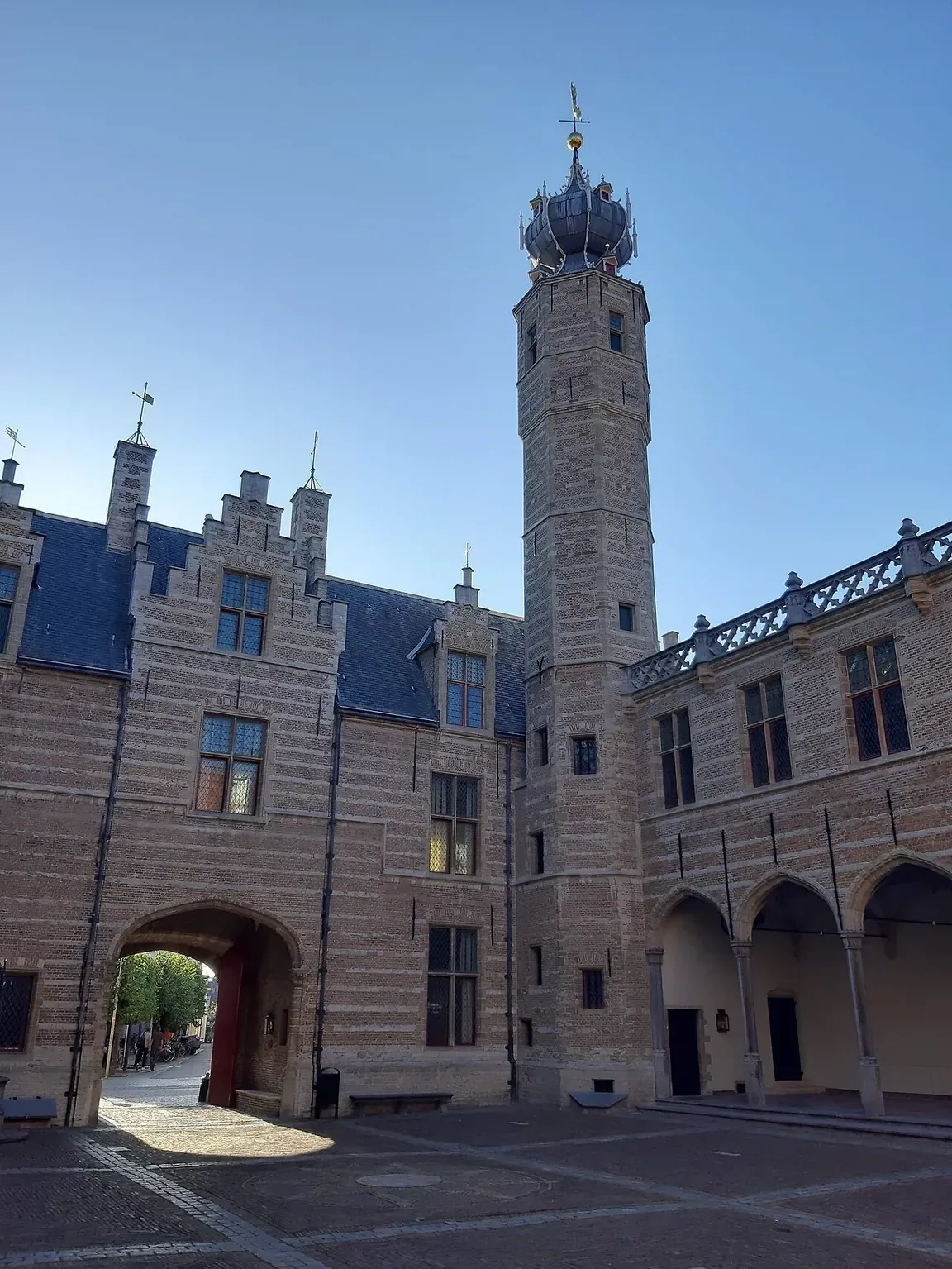
The Markiezenhof is open, although two sections are temporarily closed. The Gevangenpoort offers a second look at the fortress past.
 AI-generated image
The ramparts on the Hollands Diep and the Mauritshuis tell how a fortified village turned into a fortress town.
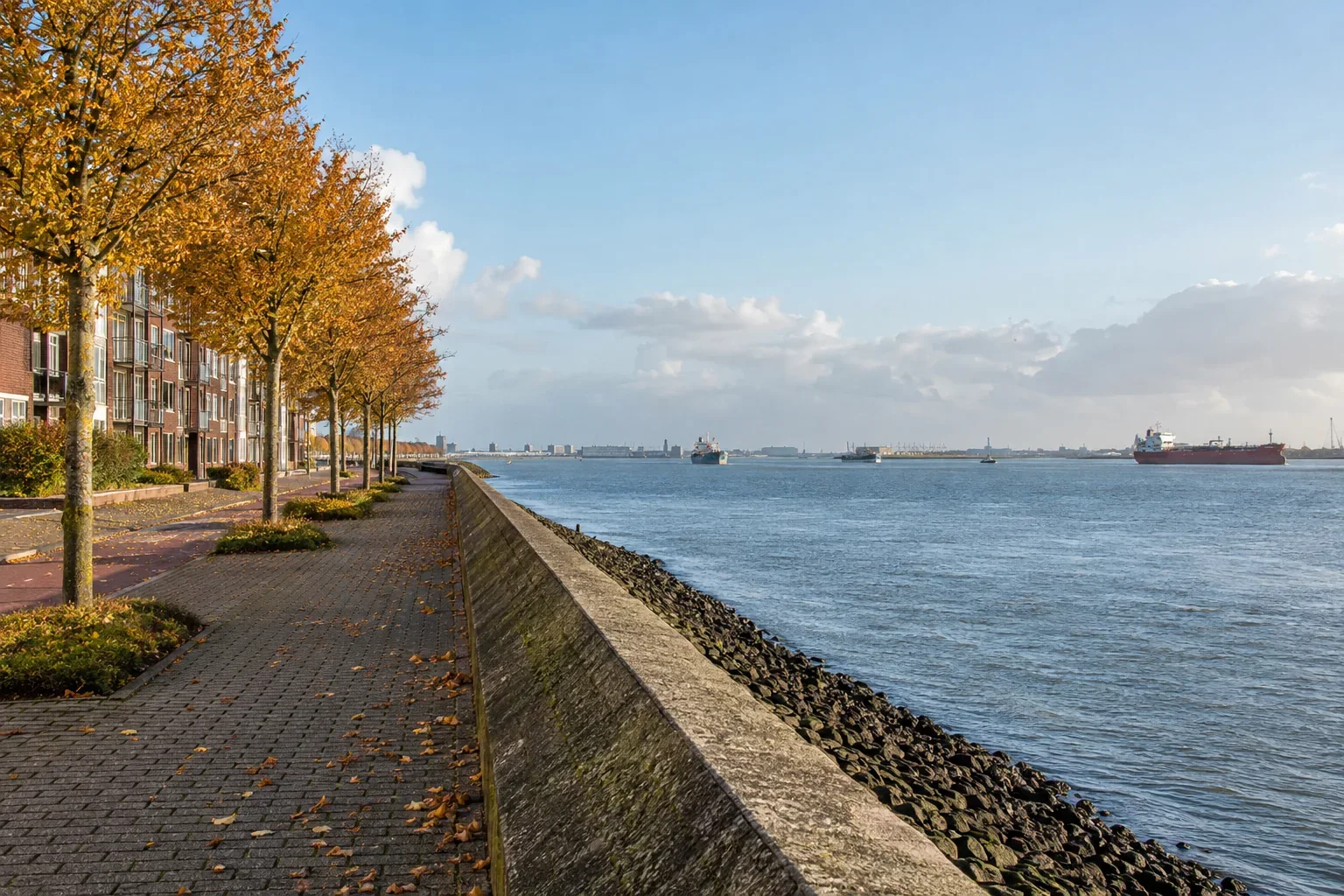 AI-generated image
The Westerschelde, Michiel de Ruyter and the memory of the war come together along the coast of this port town.
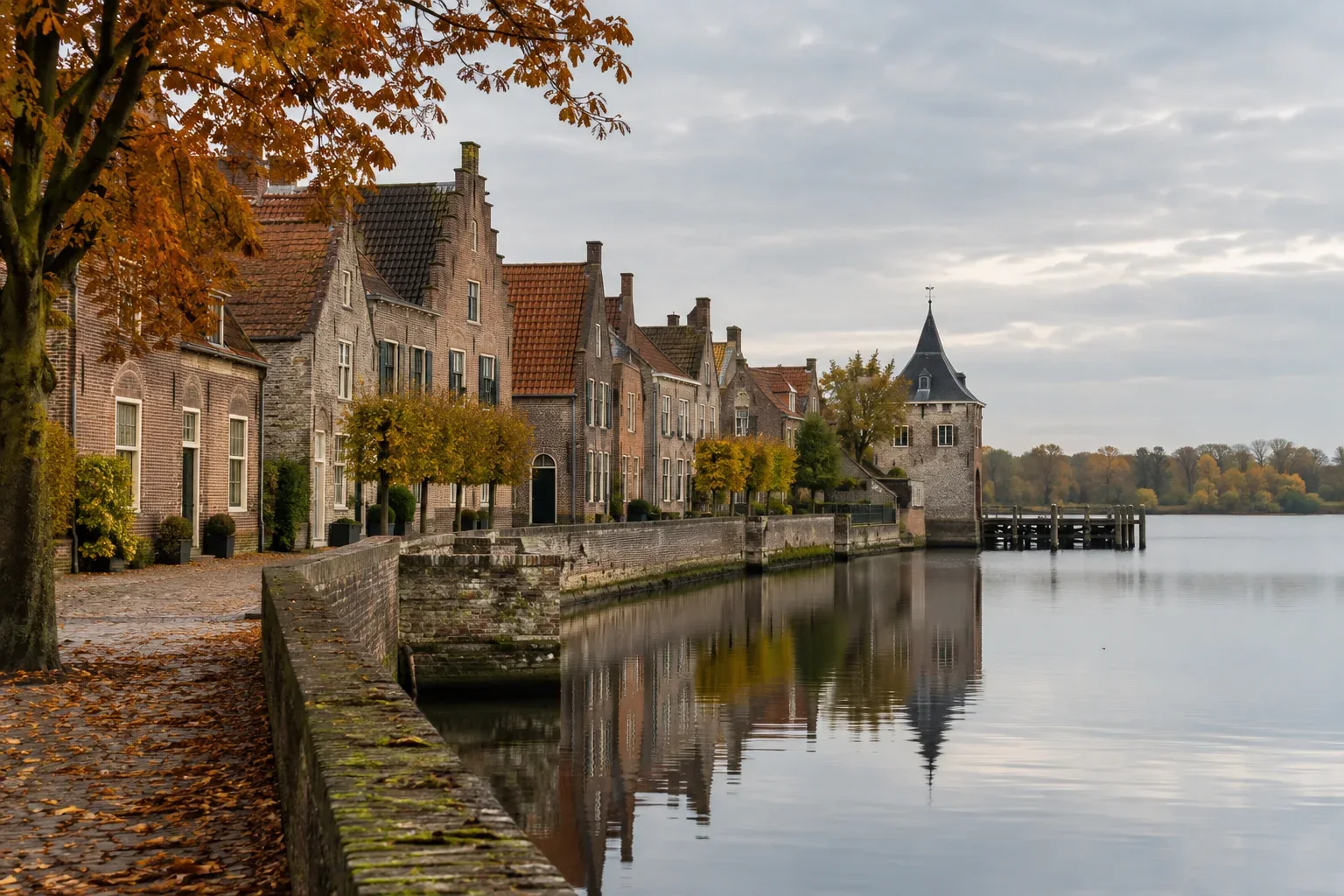 AI-generated image
In the historic town centre, houses and streets recall the fifteenth and sixteenth centuries. Museum Veere links the town hall with the Scottish Houses.
 AI-generated image
A version from Groningen and old text variants show how the song changed. How children sing in each province today has not been established.
 AI-generated image
The festival recalls a shared cloak. The present-day round of the doors looks different from one neighbourhood to the next.
 AI-generated image
By day, crafts, buildings and autumn activities can be seen; in the evening Uitgelicht offers a walk with a separate time slot.
 AI-generated image
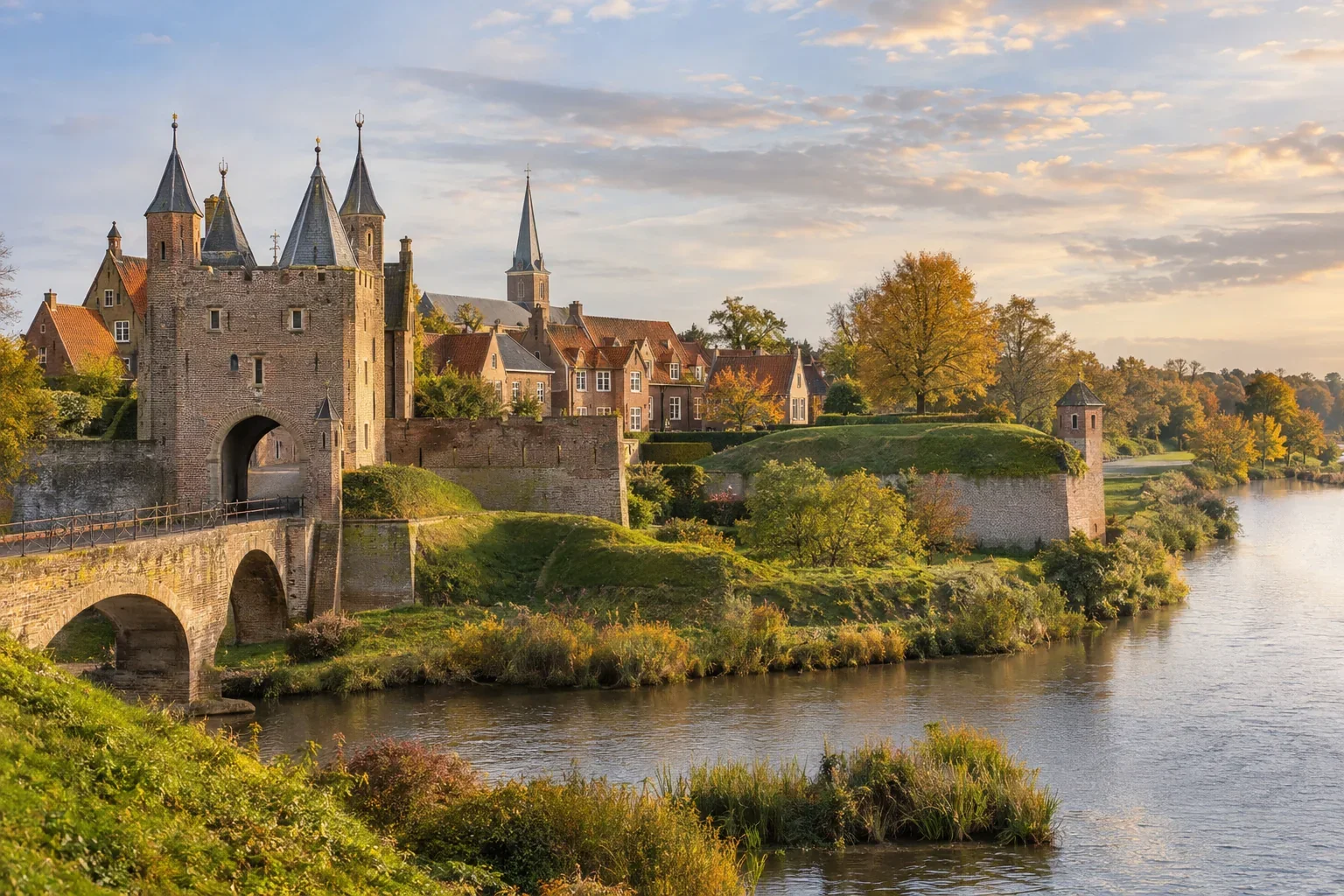
The restored town ramparts, nine bastions and three gates form a readable route around the historic core.
 AI-generated image
After heavy damage in 1944, Heusden got its gates and harbour back. On the ramparts, three windmills look out over the Bergsche Maas.
 AI-generated image
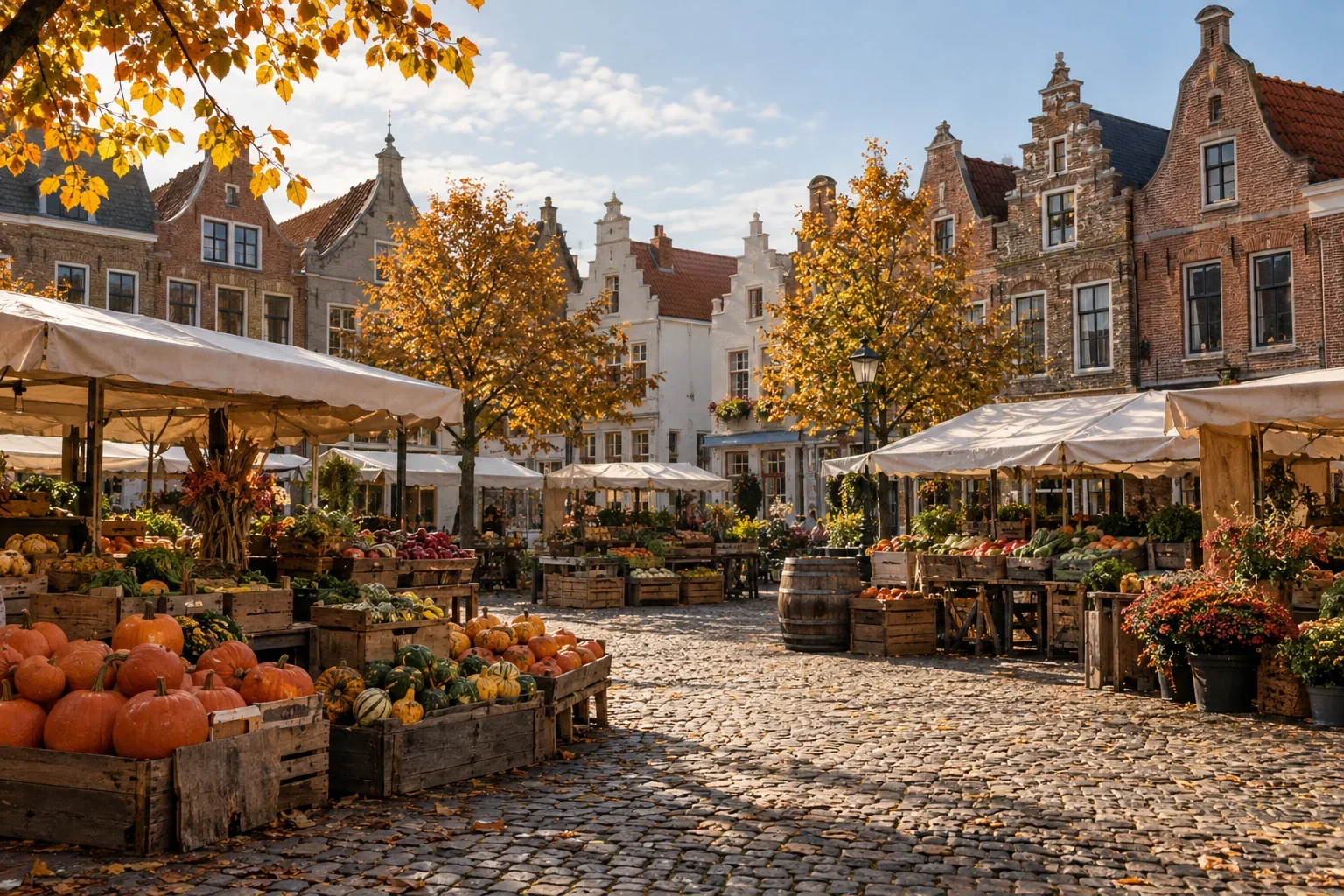
The Tuesday and Saturday markets are a starting point for a visit to the town centre and the surroundings of Zuid-Beveland.
 AI-generated image
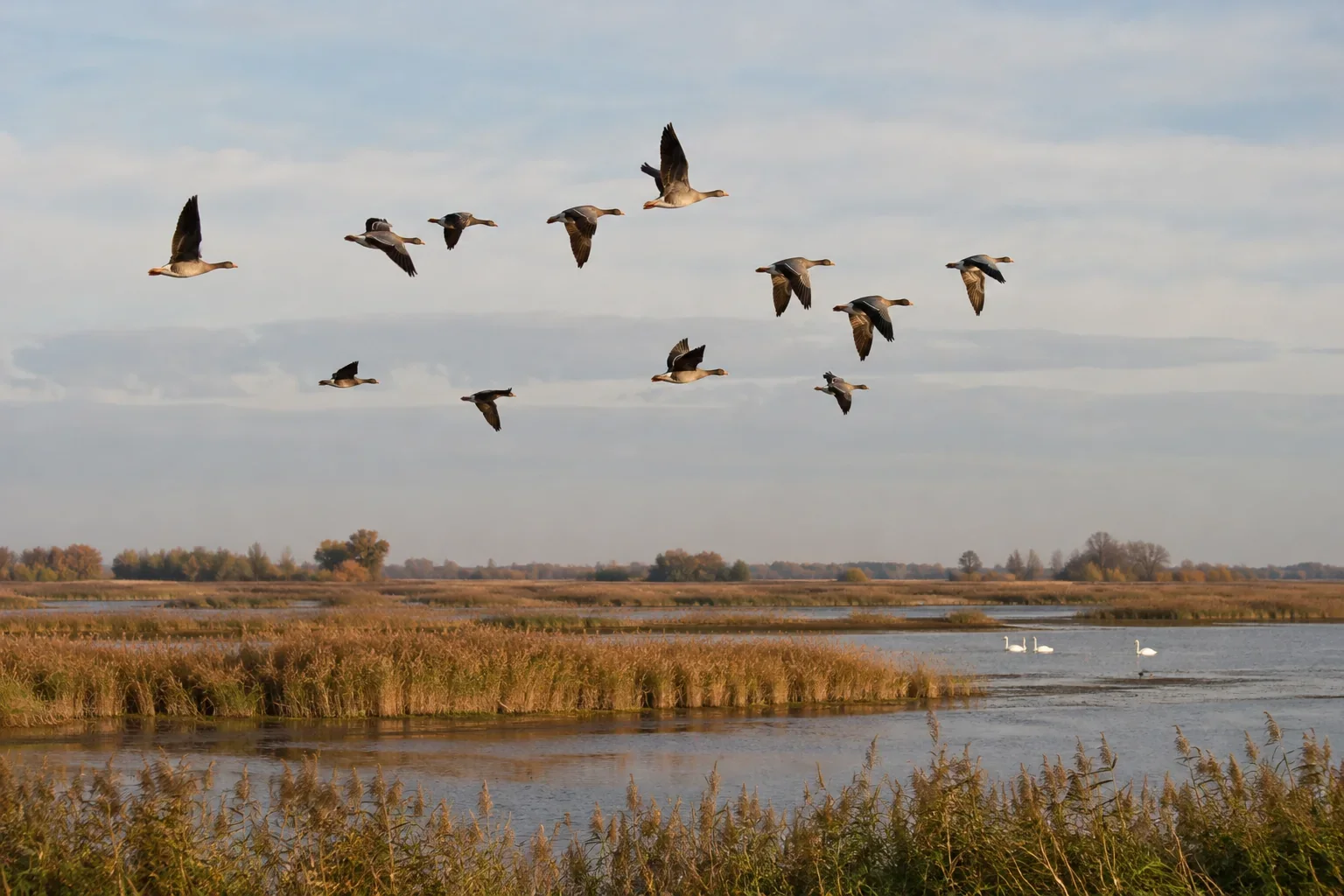
The Oostvaardersplassen and the Lauwersmeer are important bird areas, but not every species reaches the Netherlands at the same time.
 AI-generated image
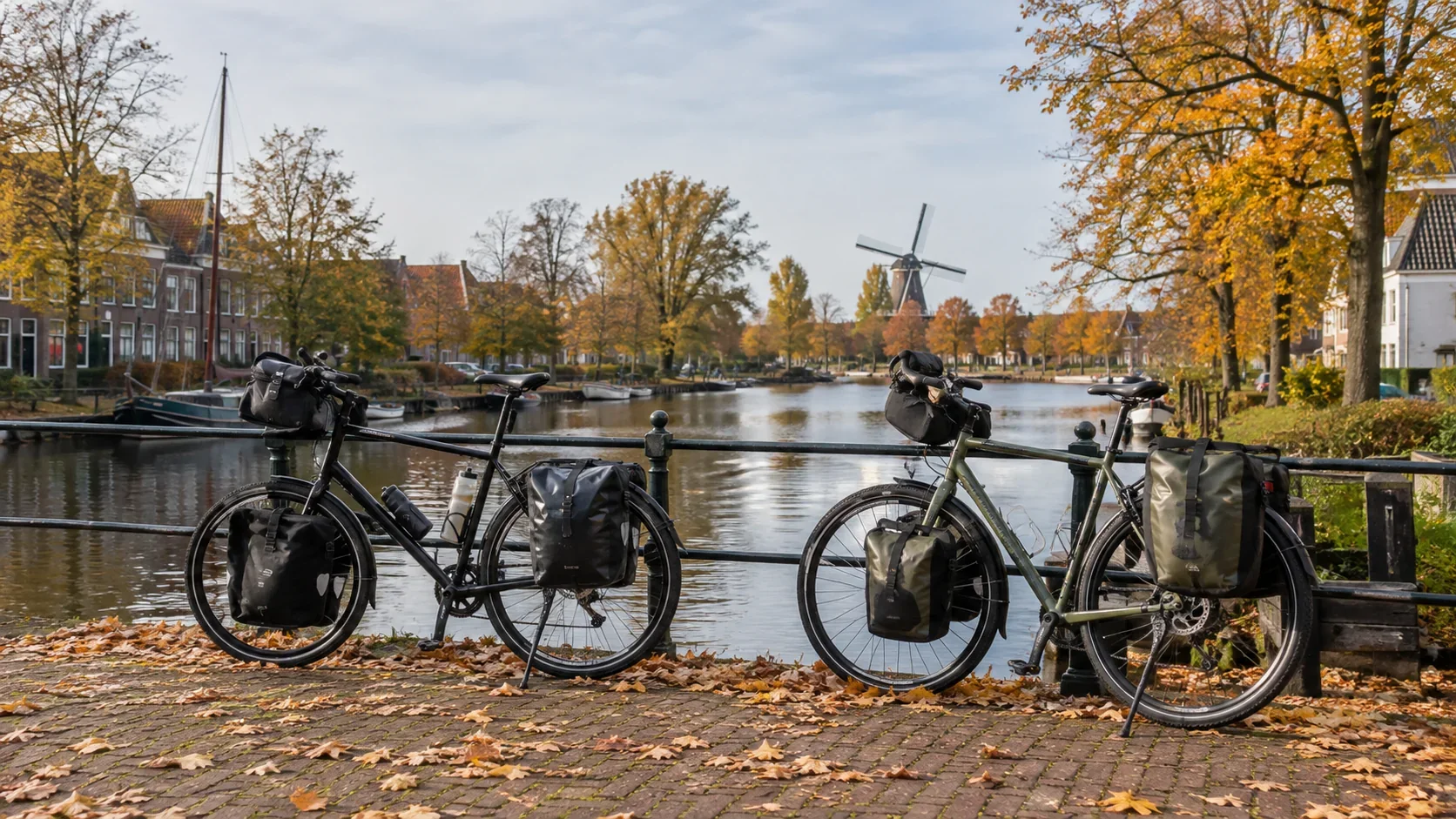
The figures for 2024/2025 distinguish trips from a single base and tours with several overnight addresses.
 AI-generated image
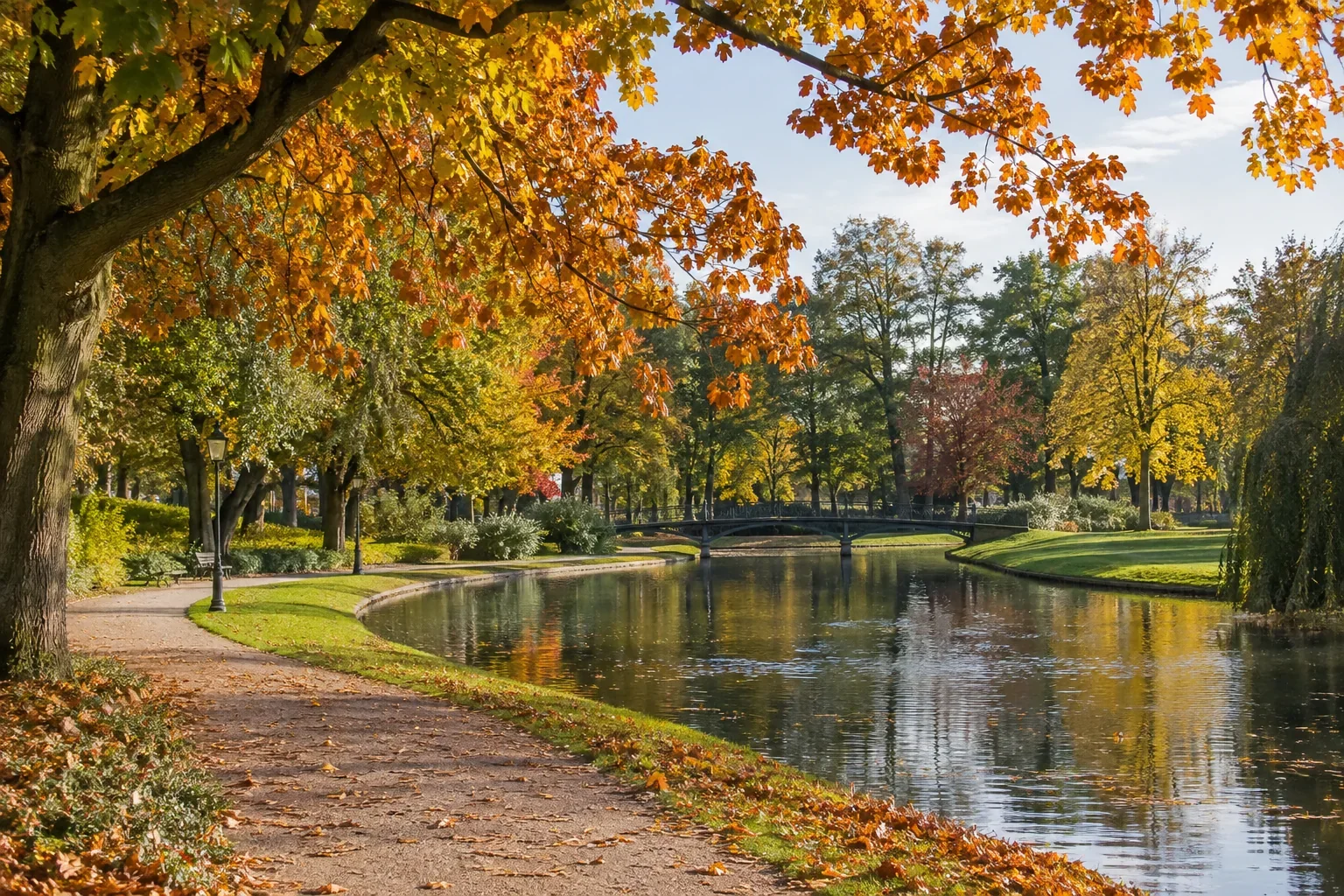
The Amsterdamse Bos, the Haagse Bos and the Vondelpark each have a history of their own. The precise autumn colours cannot be dated.
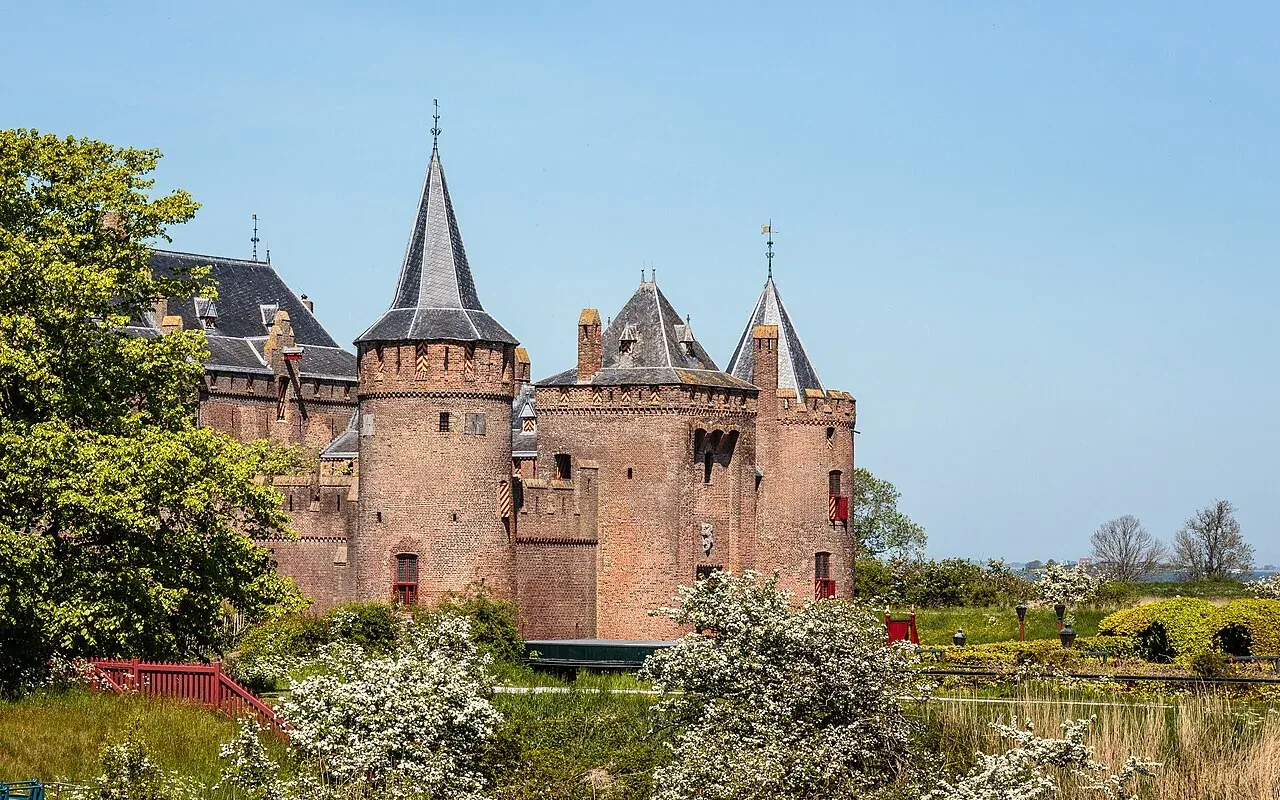
Loevestein, the Muiderslot and De Haar combine stories, treasure trails and castle visits. The holiday dates differ by region.
 AI-generated image
The coastal town on Walcheren attracted artists such as Toorop and Mondriaan. In autumn the attention shifts to beach, village and light.
 AI-generated image
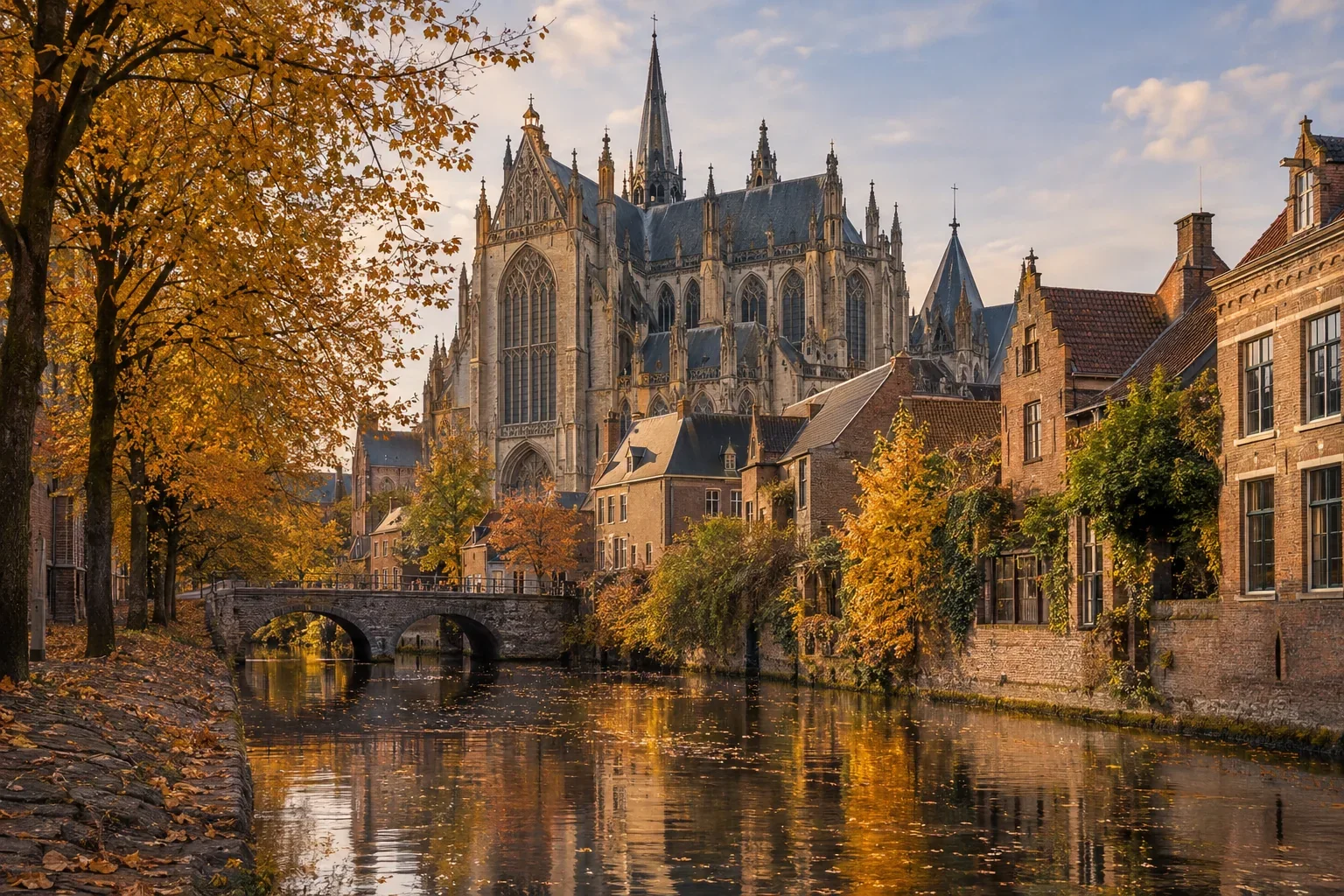
The cathedral is open daily and the boatmen still sail under town walls and vaults until 31 October.
 AI-generated image
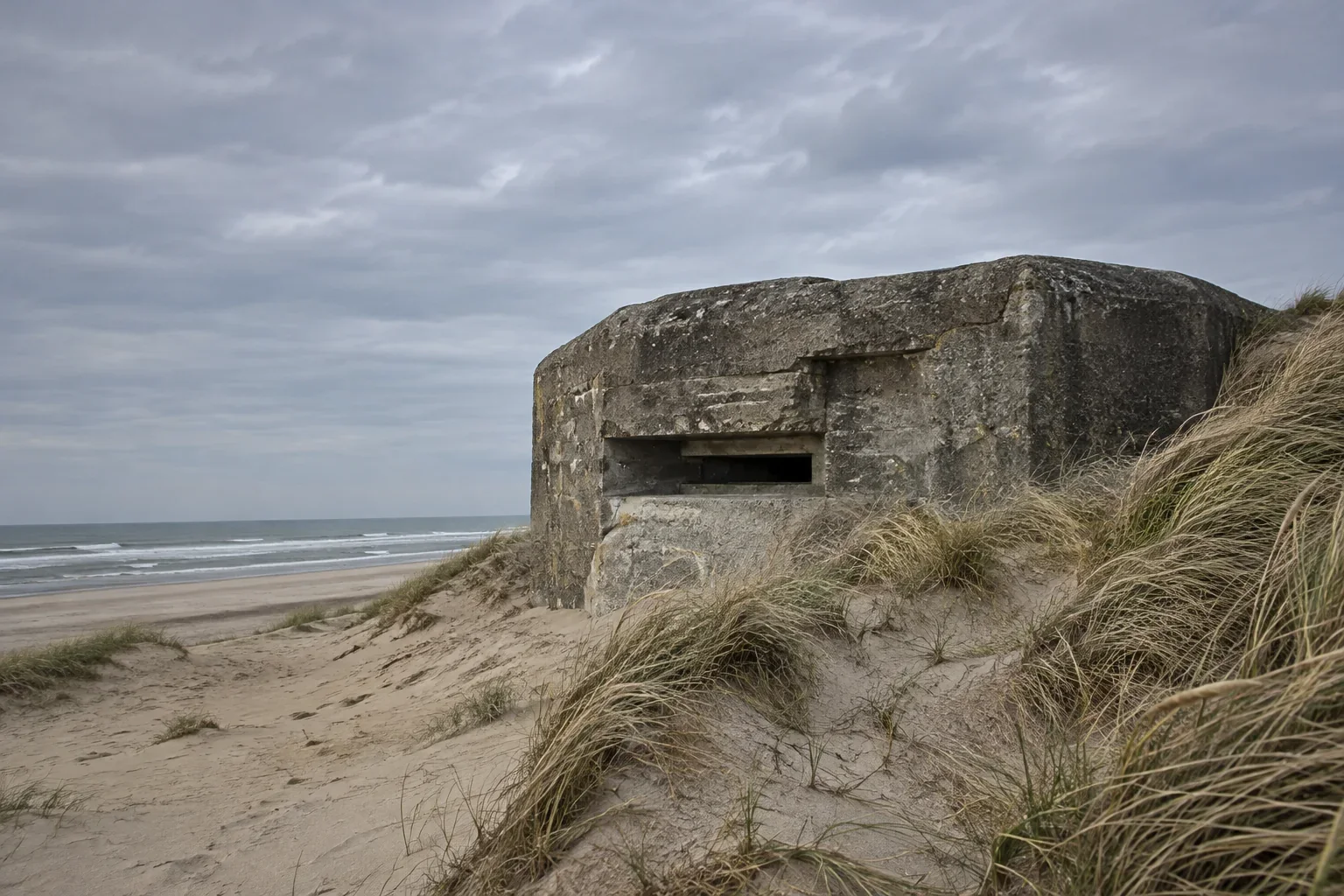
Bunkers remain visible along the Dutch coast. In Scheveningen, a command bunker is still open on two days in October.
 AI-generated image
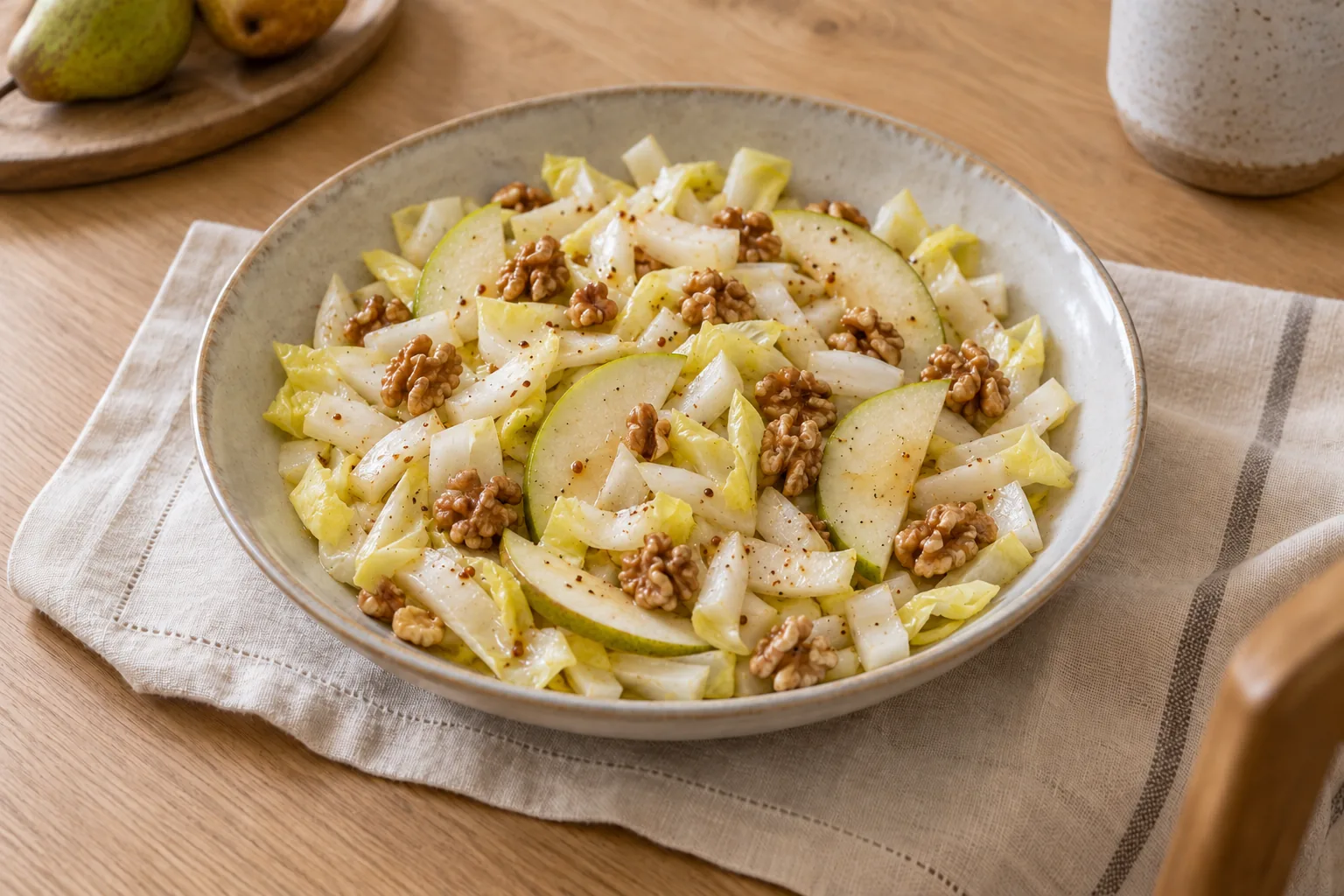
Wait until the dressing is ready before slicing the pear. It can then go straight in with the crisp chicory, with walnuts for crunch. This salad needs no pan and makes an easy side dish for a warm meal.
 AI-generated image
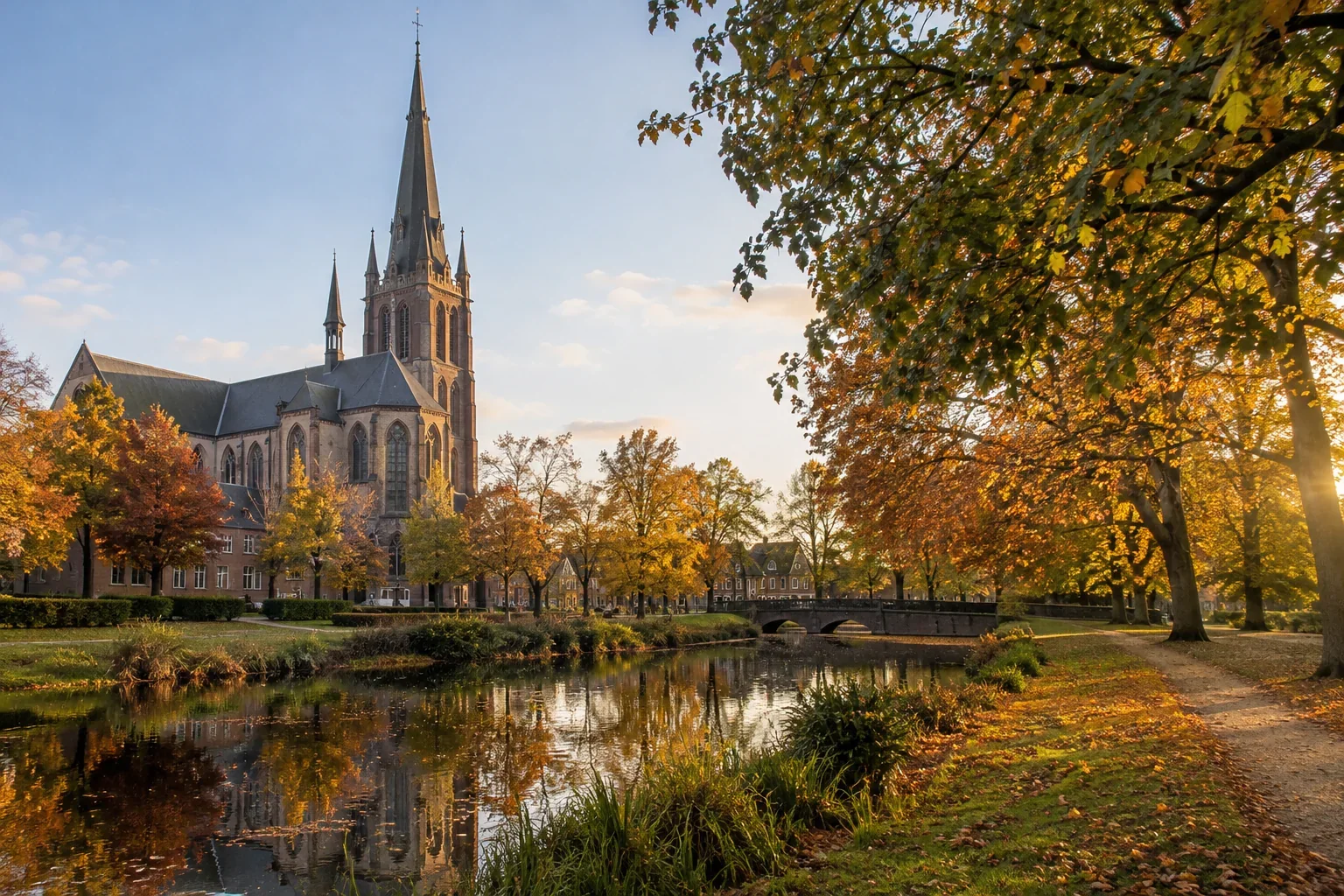
The Grote Kerk and the Valkenberg can be visited; a different access situation applies to Breda Castle.
 AI-generated image
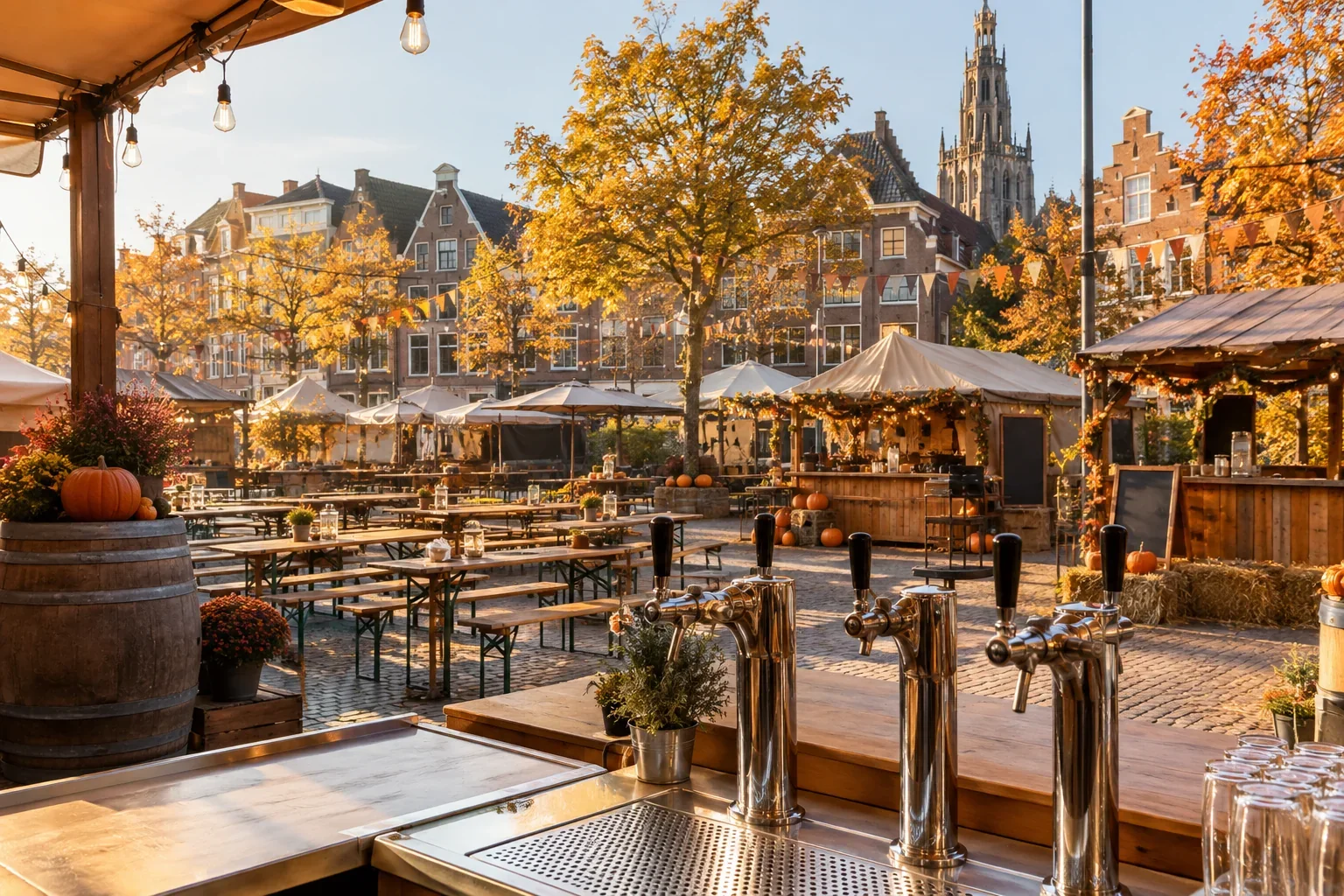
The 27th edition on the Janskerkhof brings together bock beers from more than 25 breweries, music and tastings.
 AI-generated image
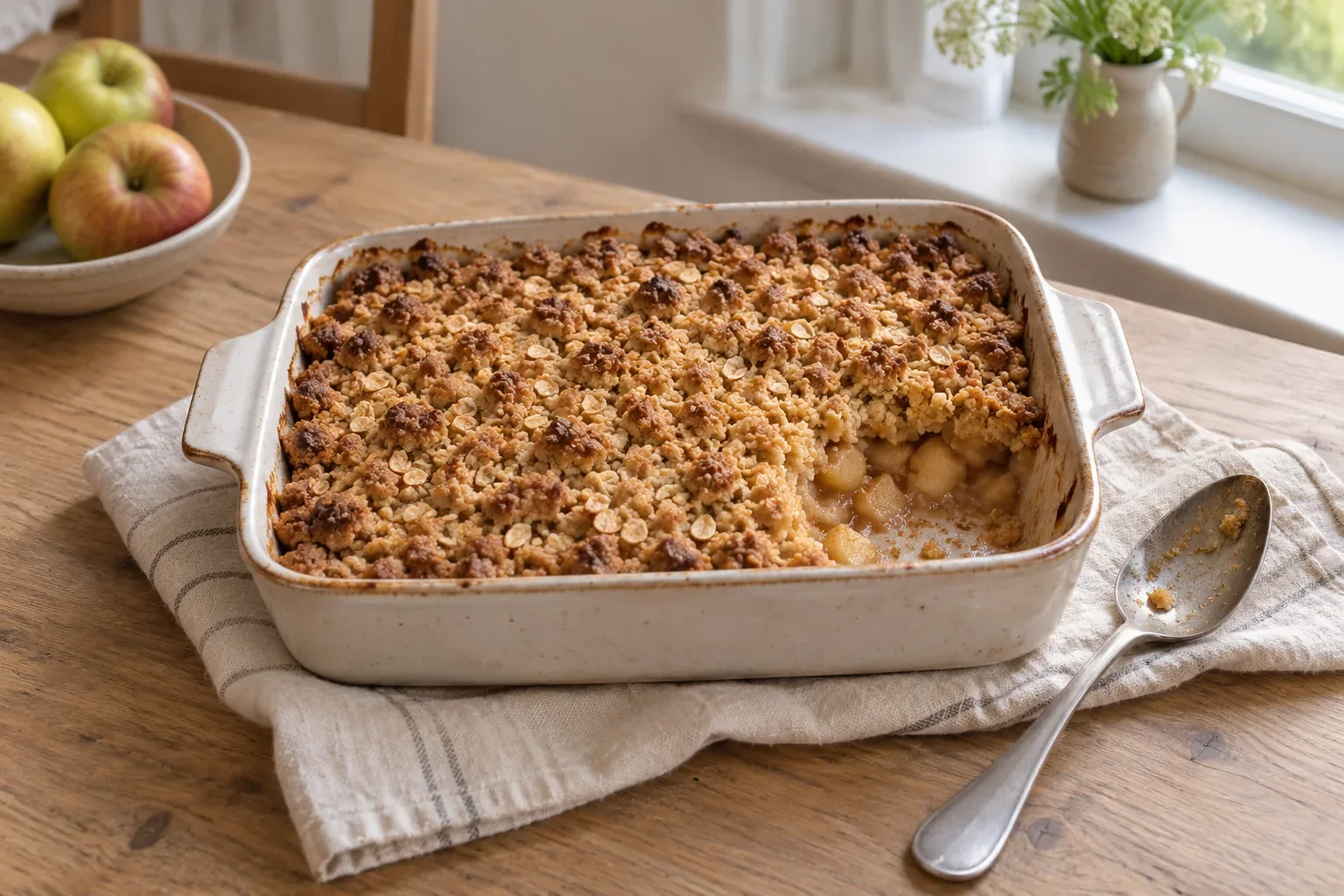
Do not rub the mixture too finely. The larger crumbs are part of the pleasure of spooning through the topping to the soft apples below. Oats give the top a coarser texture, while cinnamon goes in with the fruit.
 AI-generated image
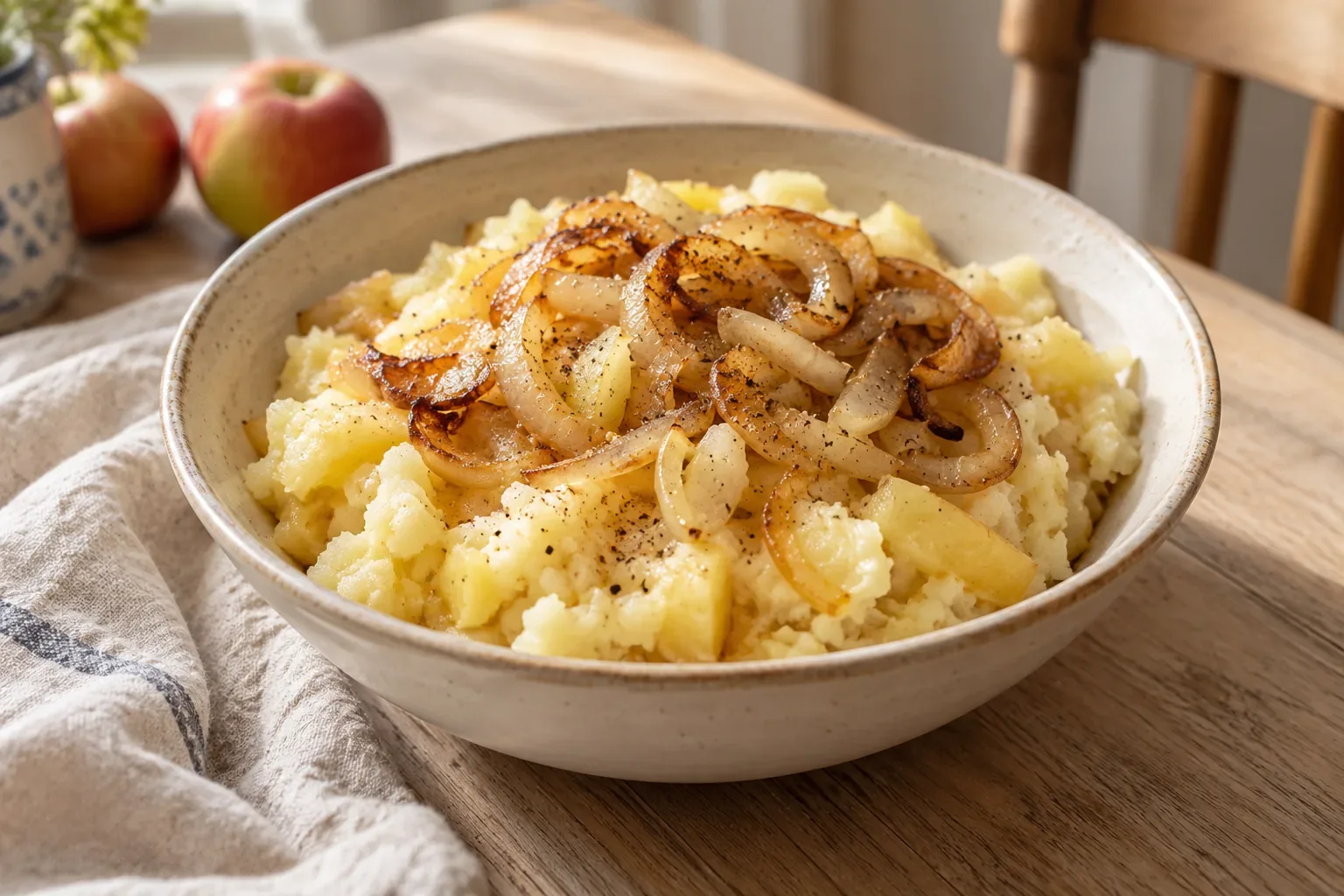
Apples need not wait for dessert. In this chunky mash they bring a fresh, sweet note to the potatoes, while the onions take their time turning golden in a separate pan. Spoon them over at the table to keep the two textures distinct.
 AI-generated image
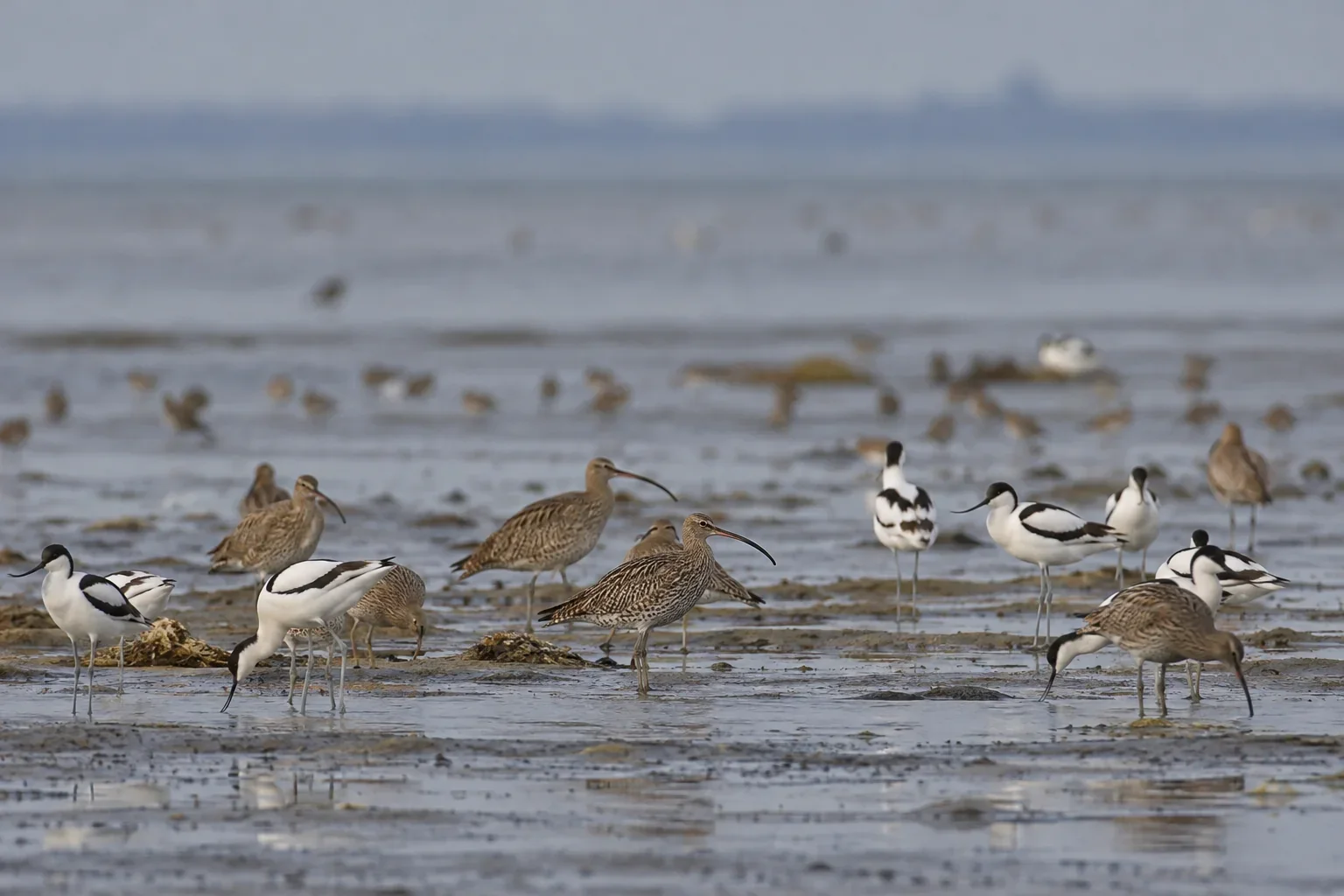
By mid-October the wader migration on Schiermonnikoog is almost over. At Zwarte Haan, avocets and curlews are still a reason to look out over the mudflats.
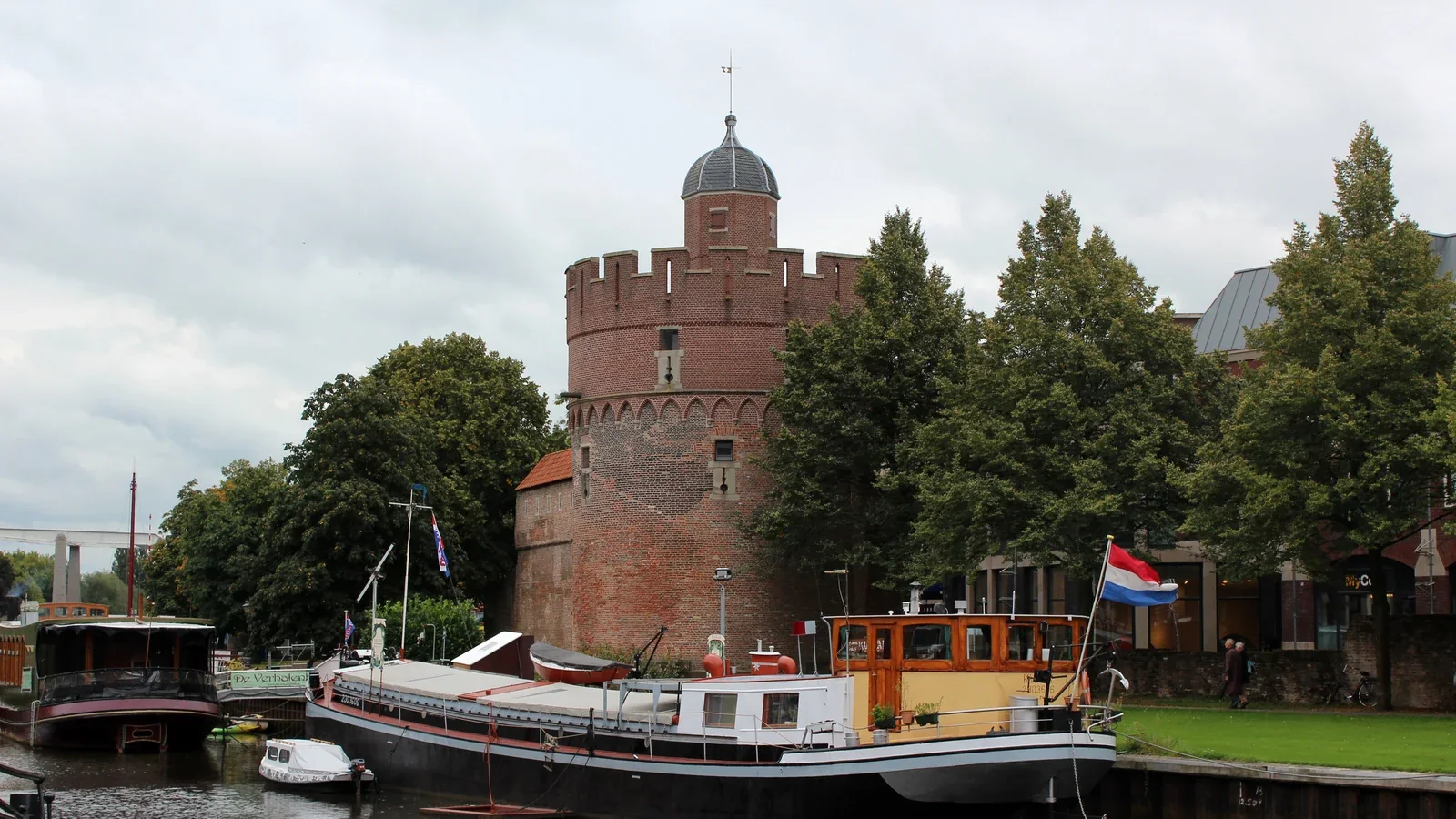
A walk past the Sassenpoort, the Peperbus and the Thorbeckegracht makes the Hanseatic city legible. During the autumn holidays, ANNO explores how Zwolle came into being.
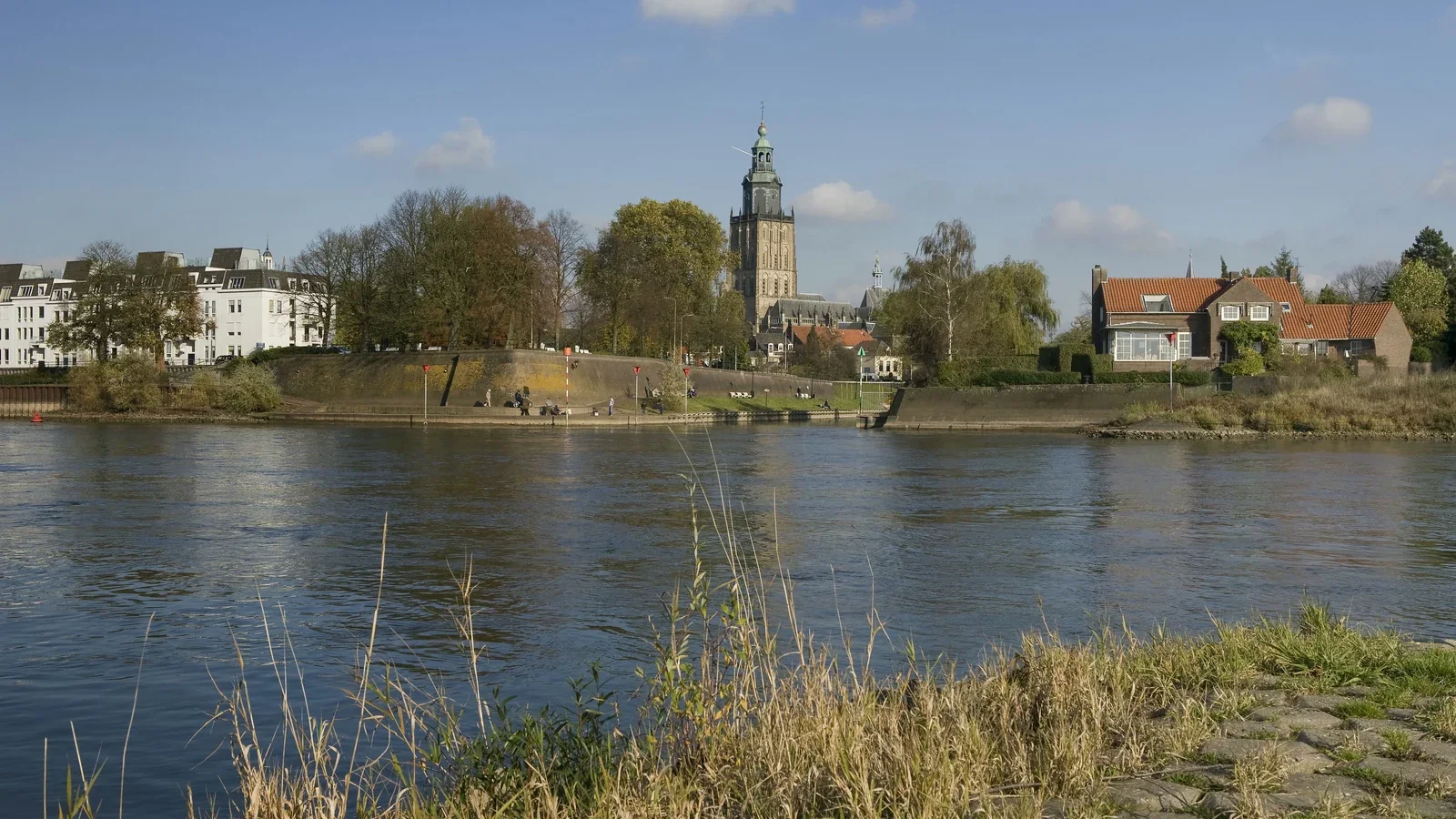
The IJssel, the Berkelpoort and the book room of the Walburgiskerk each tell a different part of the history of this Hanseatic city.
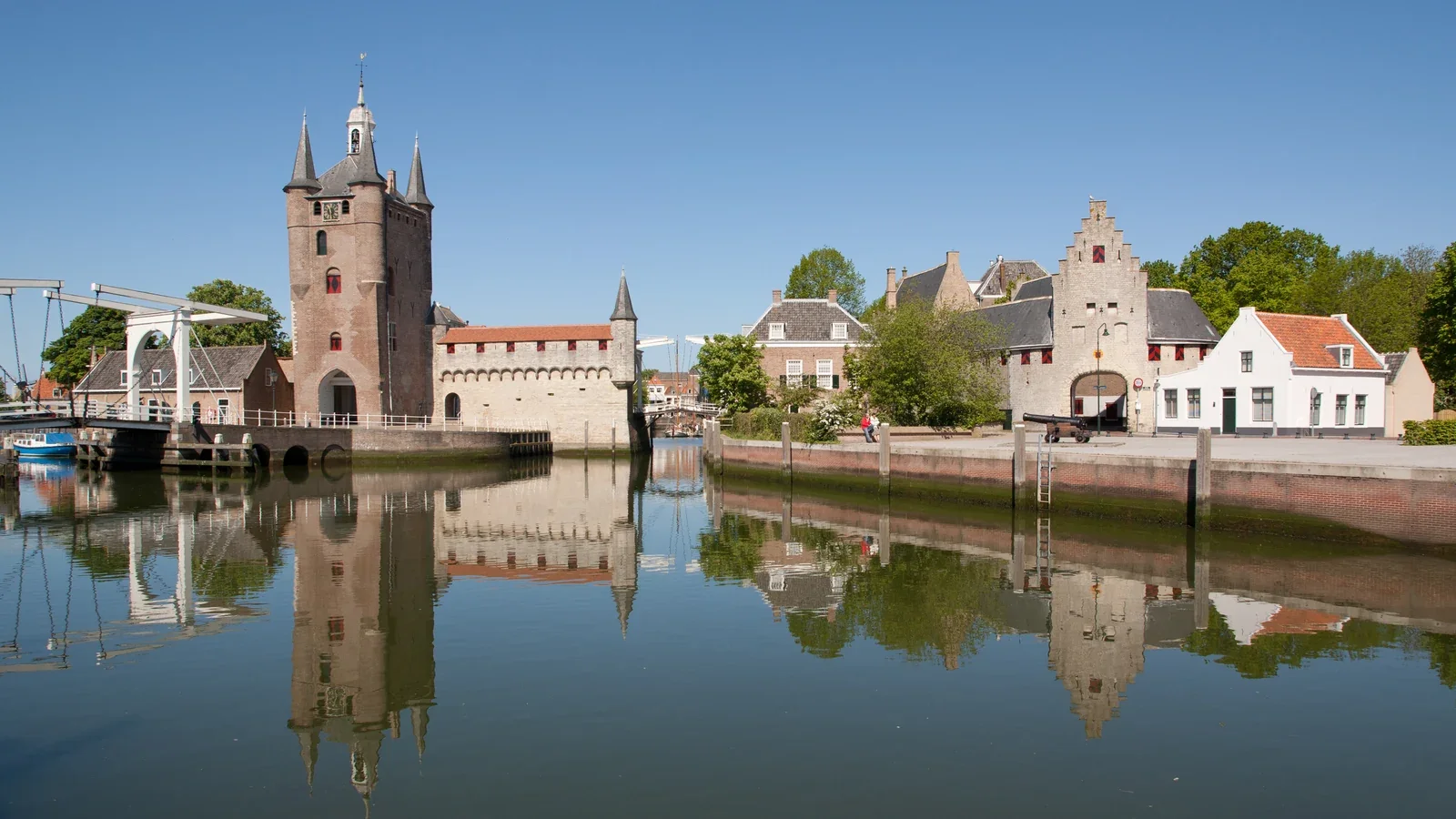
Two gates face each other at the harbour; the Nobelpoort leads the eye to the old core of Schouwen-Duiveland.
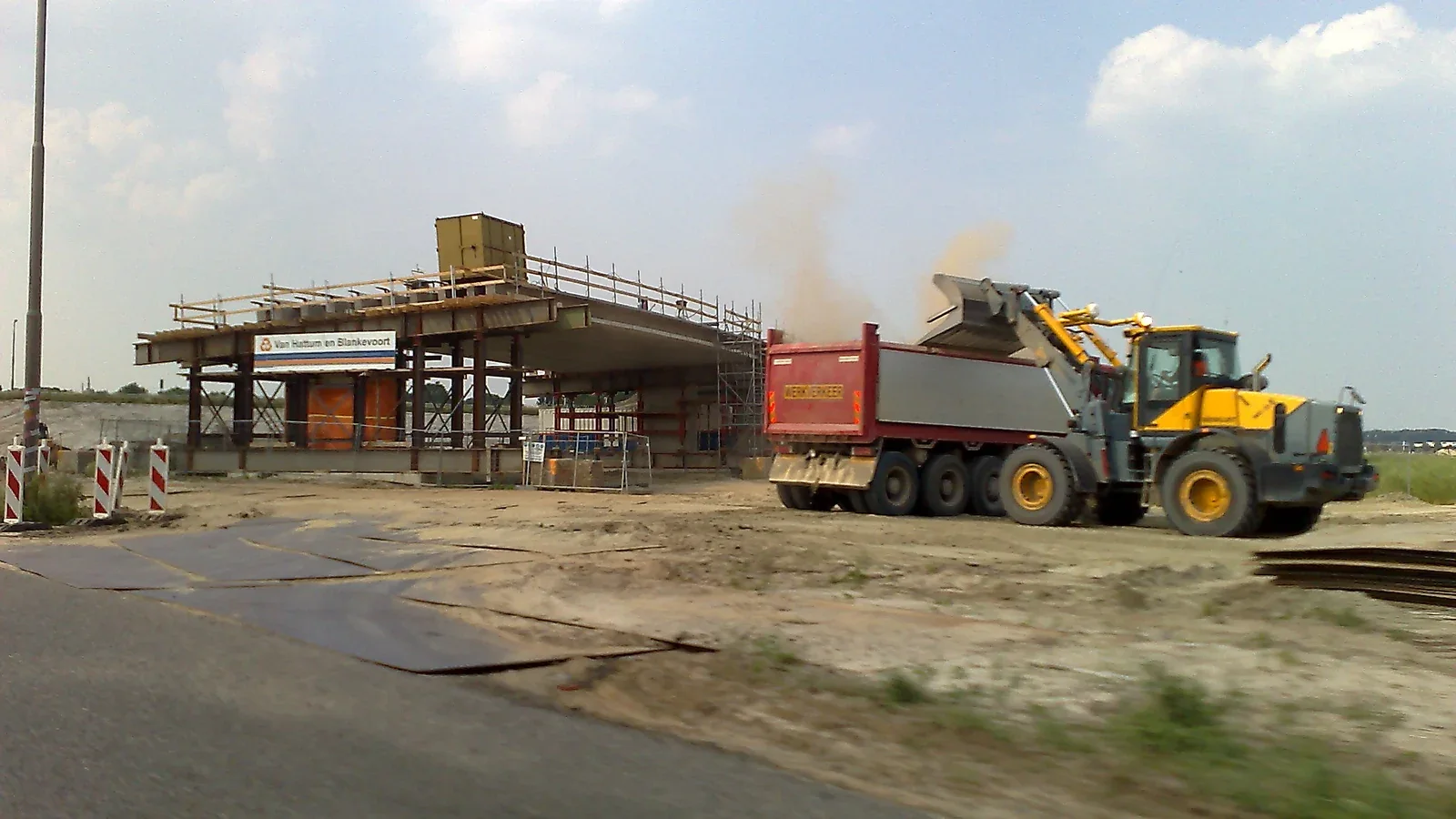
Maintenance is under way on the A2, while multi-day closures on the A15 and A59 begin on 16 October. The diversion differs per phase and direction of travel.
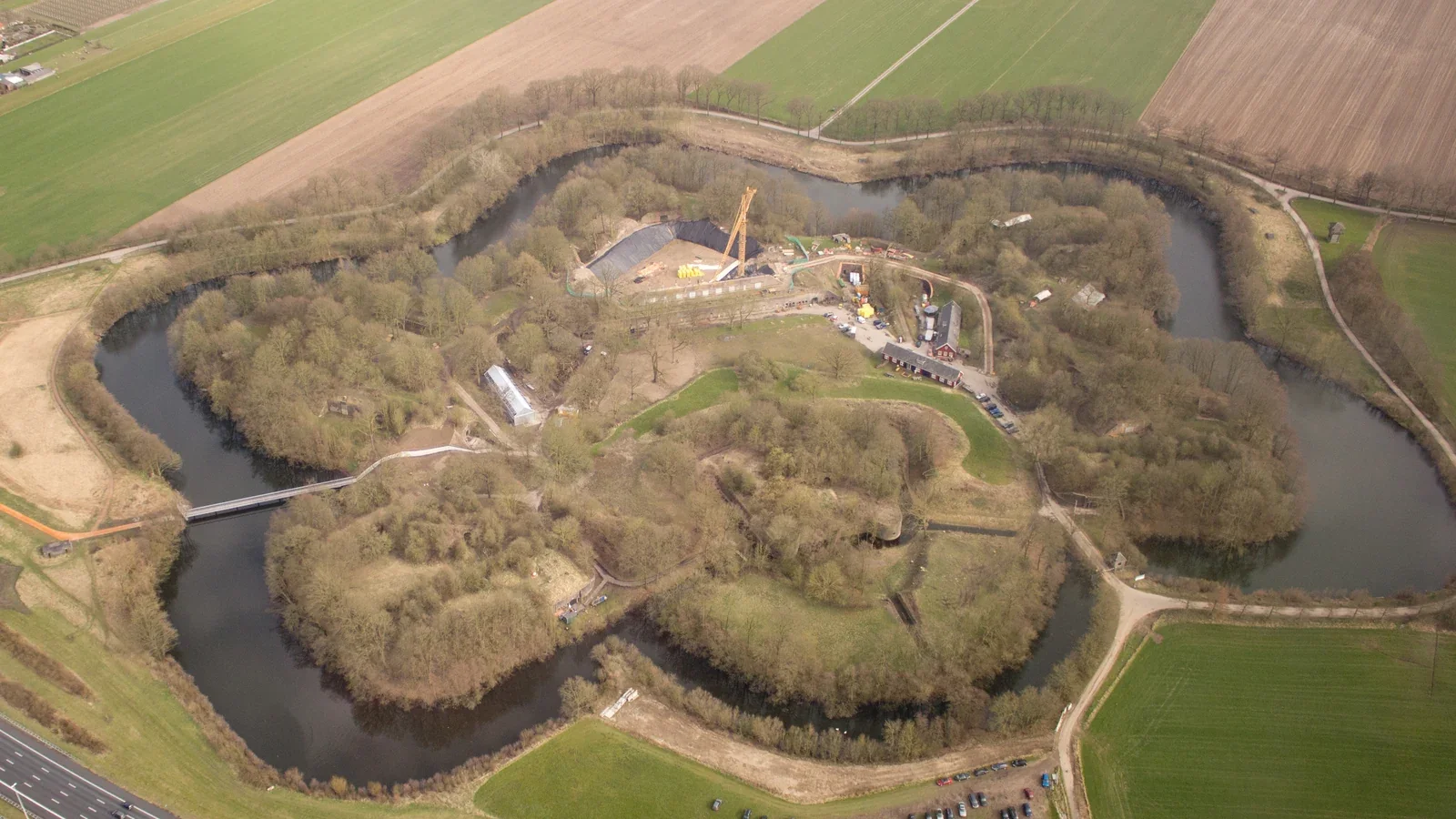
Fort bij Vechten and Fort Honswijk are starting points for a larger story about locks, dikes and polders. What can actually be visited this autumn?
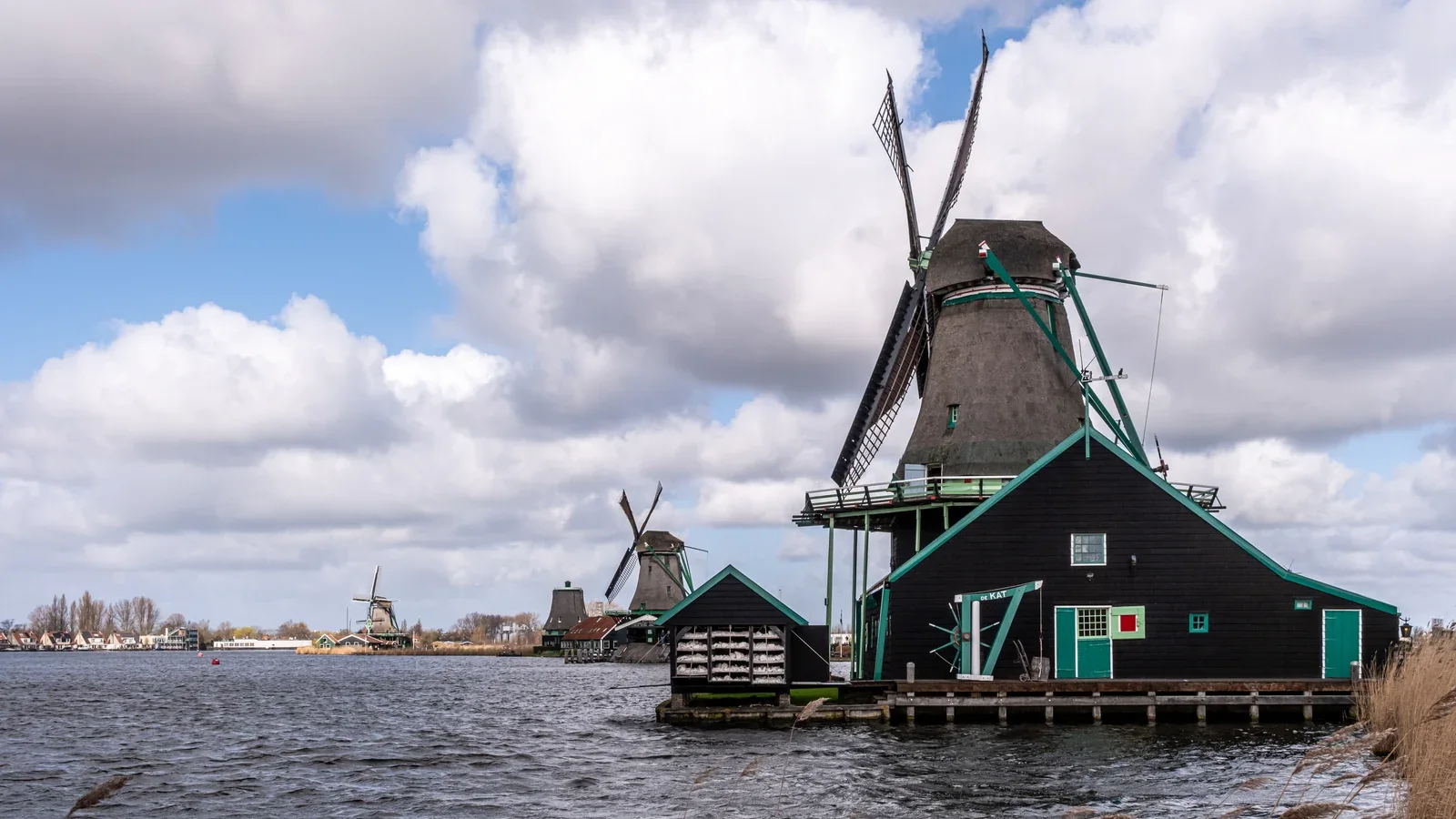
The Zaanse Schans, Kinderdijk and a mill near you each offer a different story.
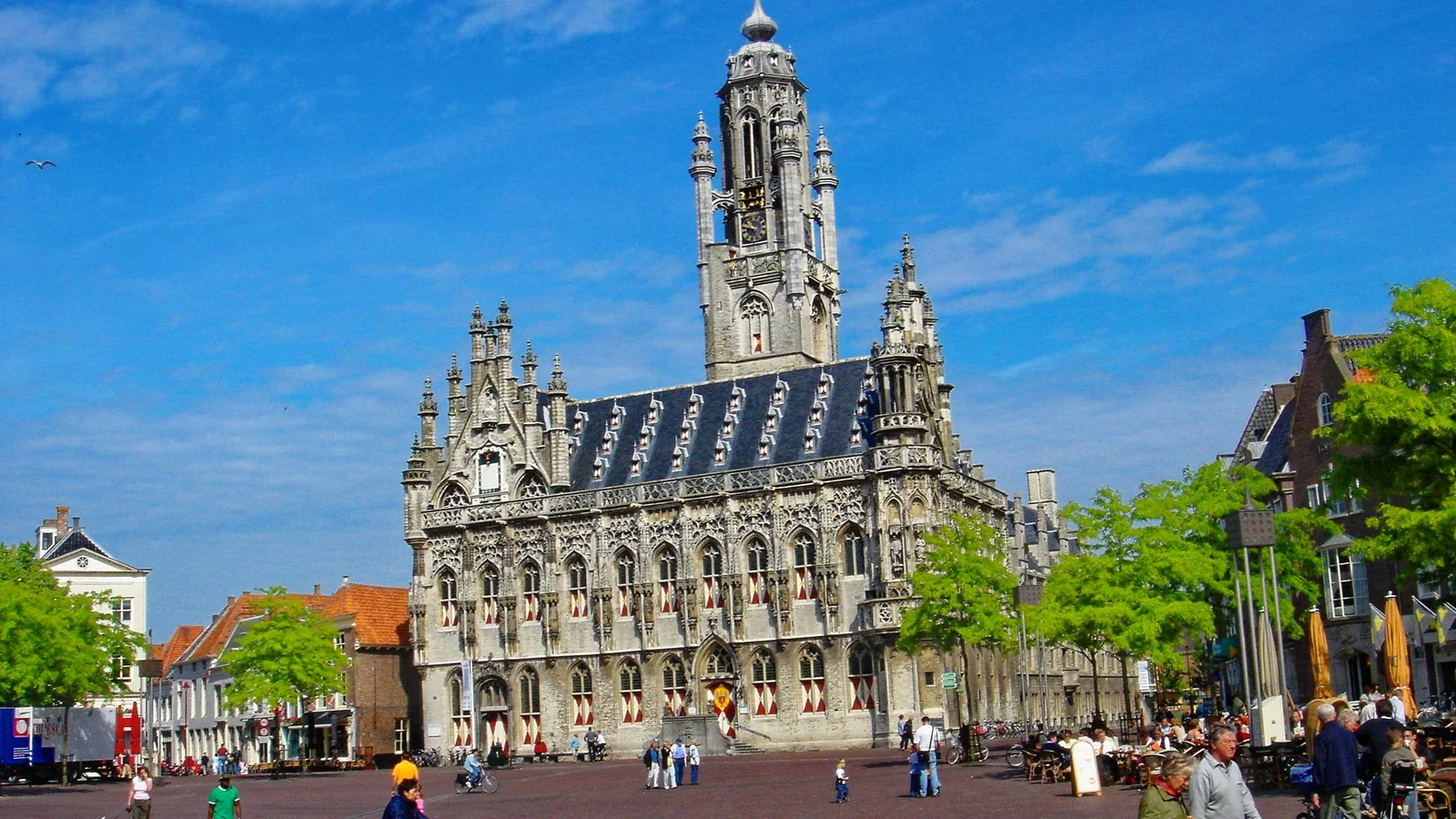
Two squares, a tower and the old city edge make the history of the Zeeland capital legible on foot.

The school holidays overlap with track work around Amersfoort and Rotterdam. NS shows expected crowding; the conditions of day tickets and off-peak tickets differ.
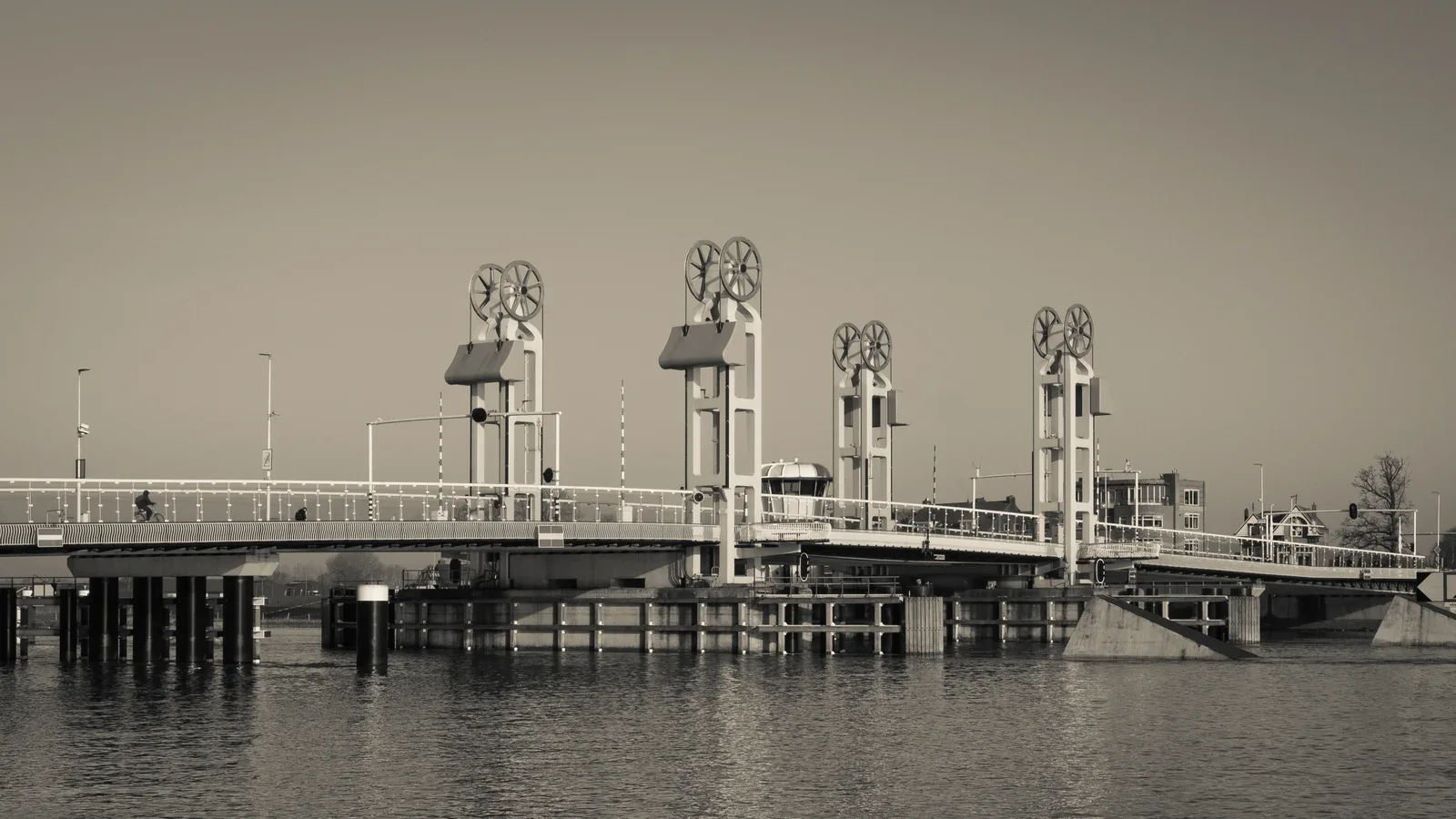
See-through panels link the IJssel to centuries-old city gates. A walk shows how trade and defence shaped the townscape.
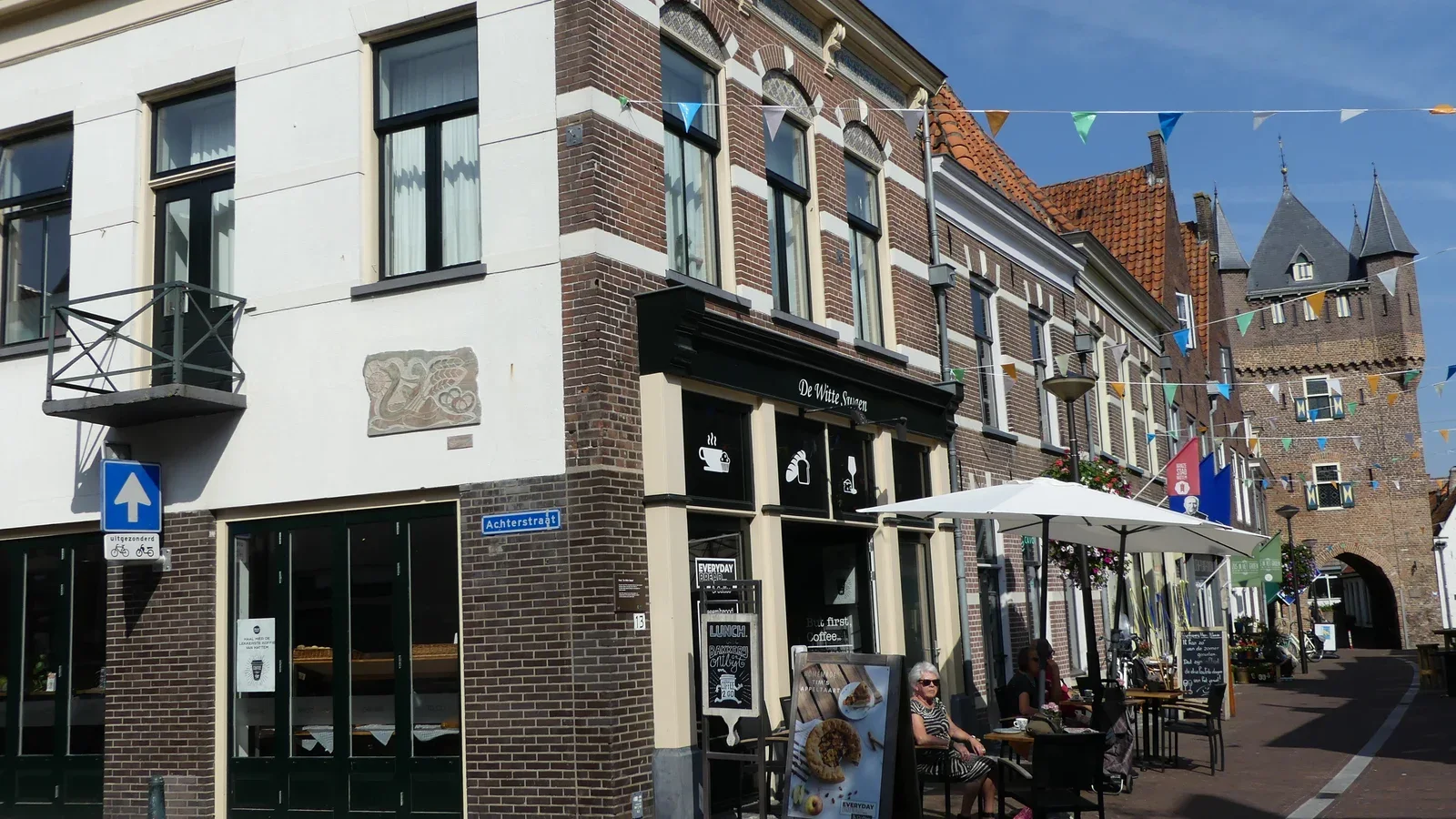
The compact fortified town on the IJssel shows its trading past in streets, facades, wall remnants and its last city gate.
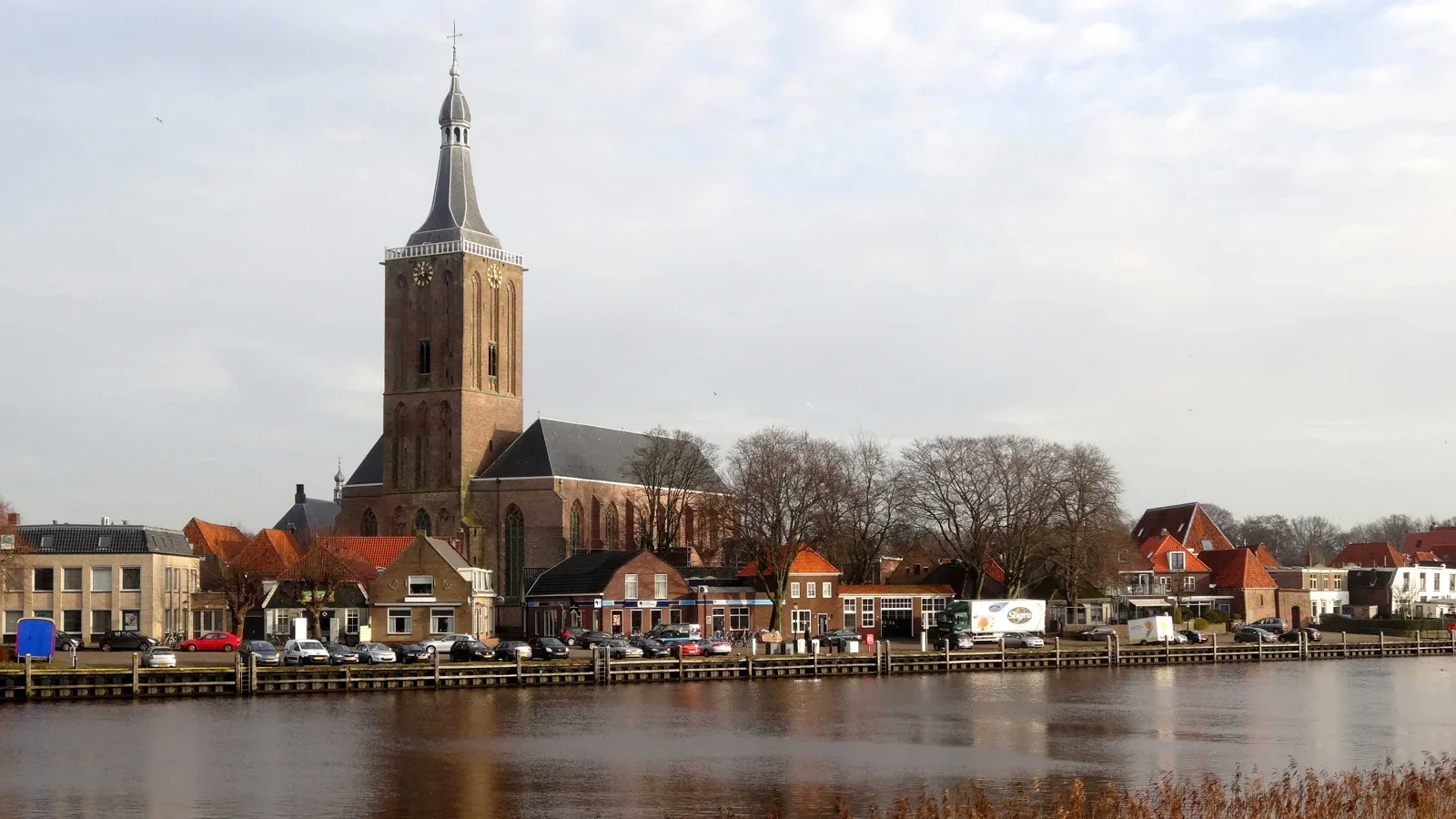
On the Zwarte Water, the traces of Hanseatic trade, fortifications and lime kilns lie close together.
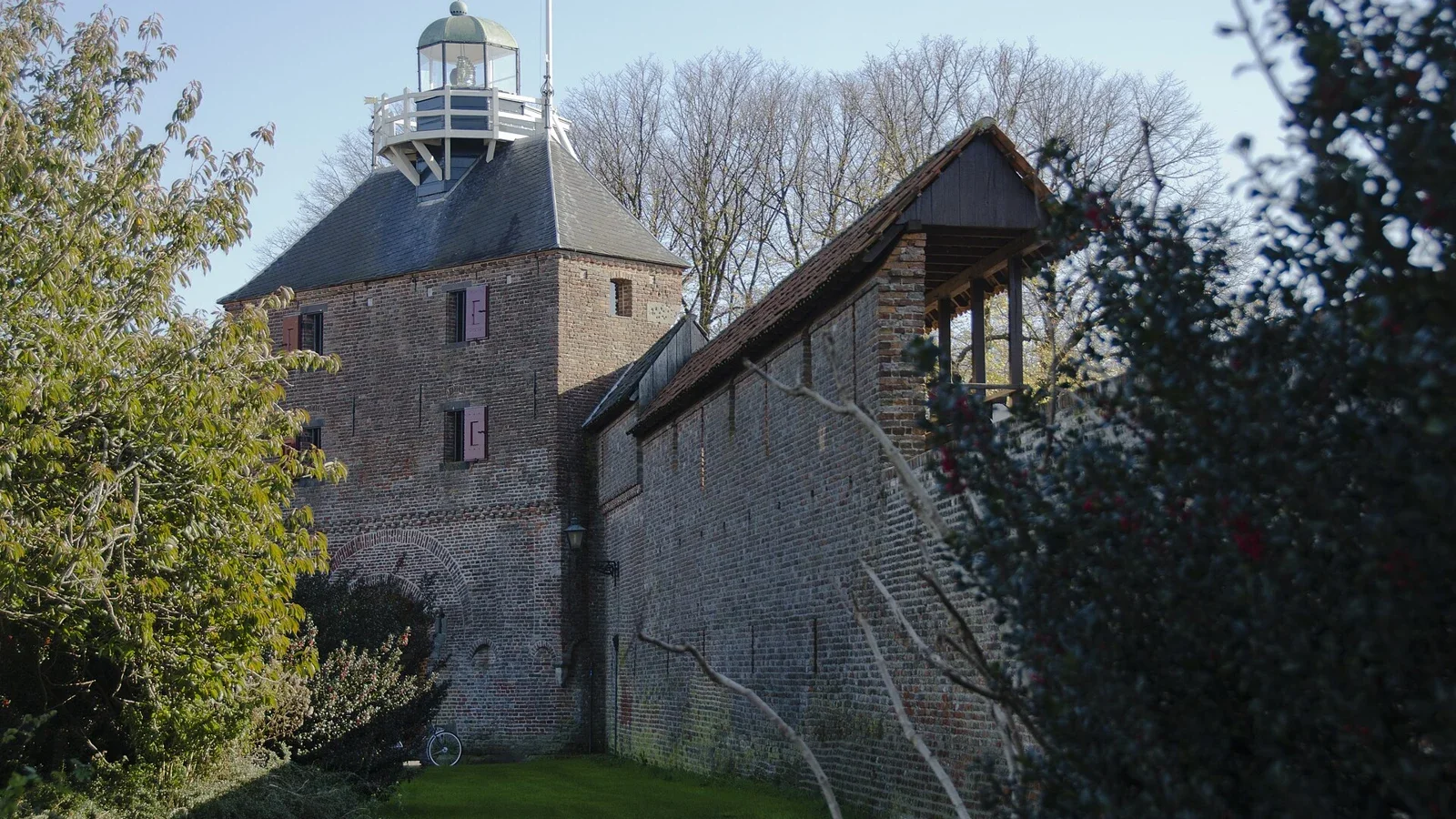
The old city gate, the harbours and the new waterfront show how Harderwijk kept its gaze on the water.

The name refers to All Saints’ Day, but in Dutch theme parks Halloween is about a choice between family activities and fright nights.
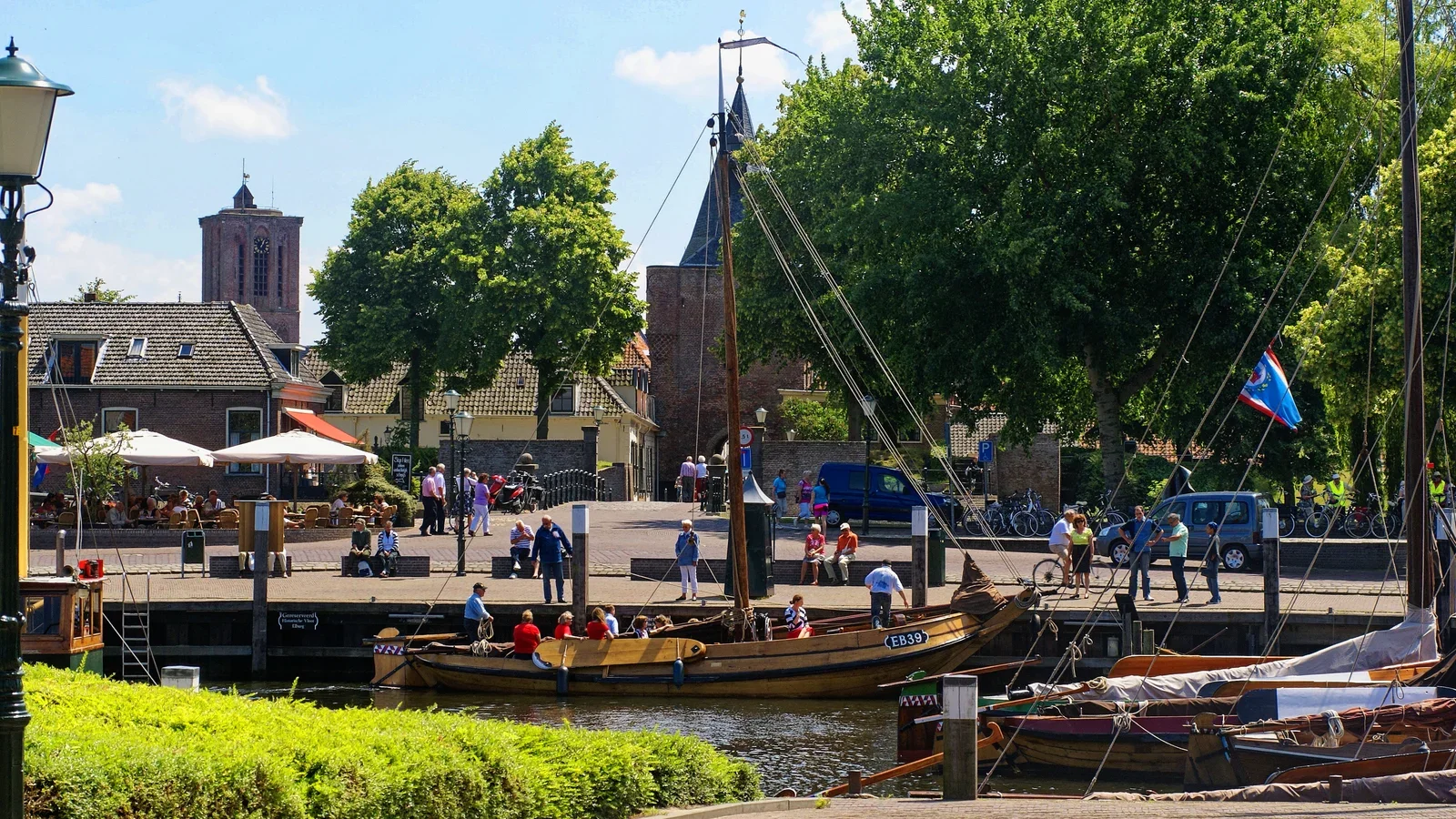
The old fishing harbour and the straight street plan of the fortified town together tell how Elburg lived from water and land.
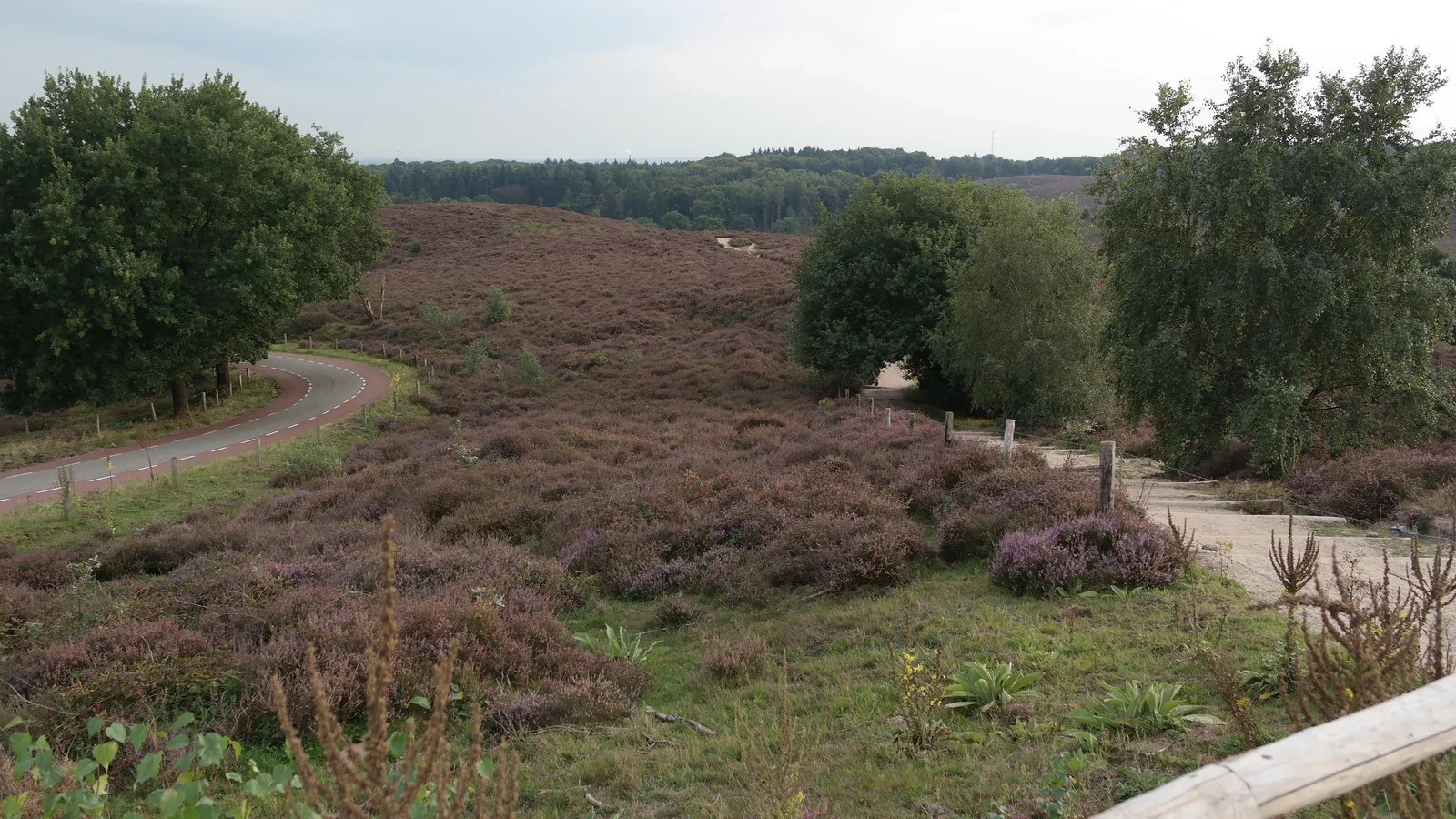
From 4.5 to 14 kilometres: Hoog Buurlo, the Deelerwoud and the Veluwezoom each show a different part of the landscape.
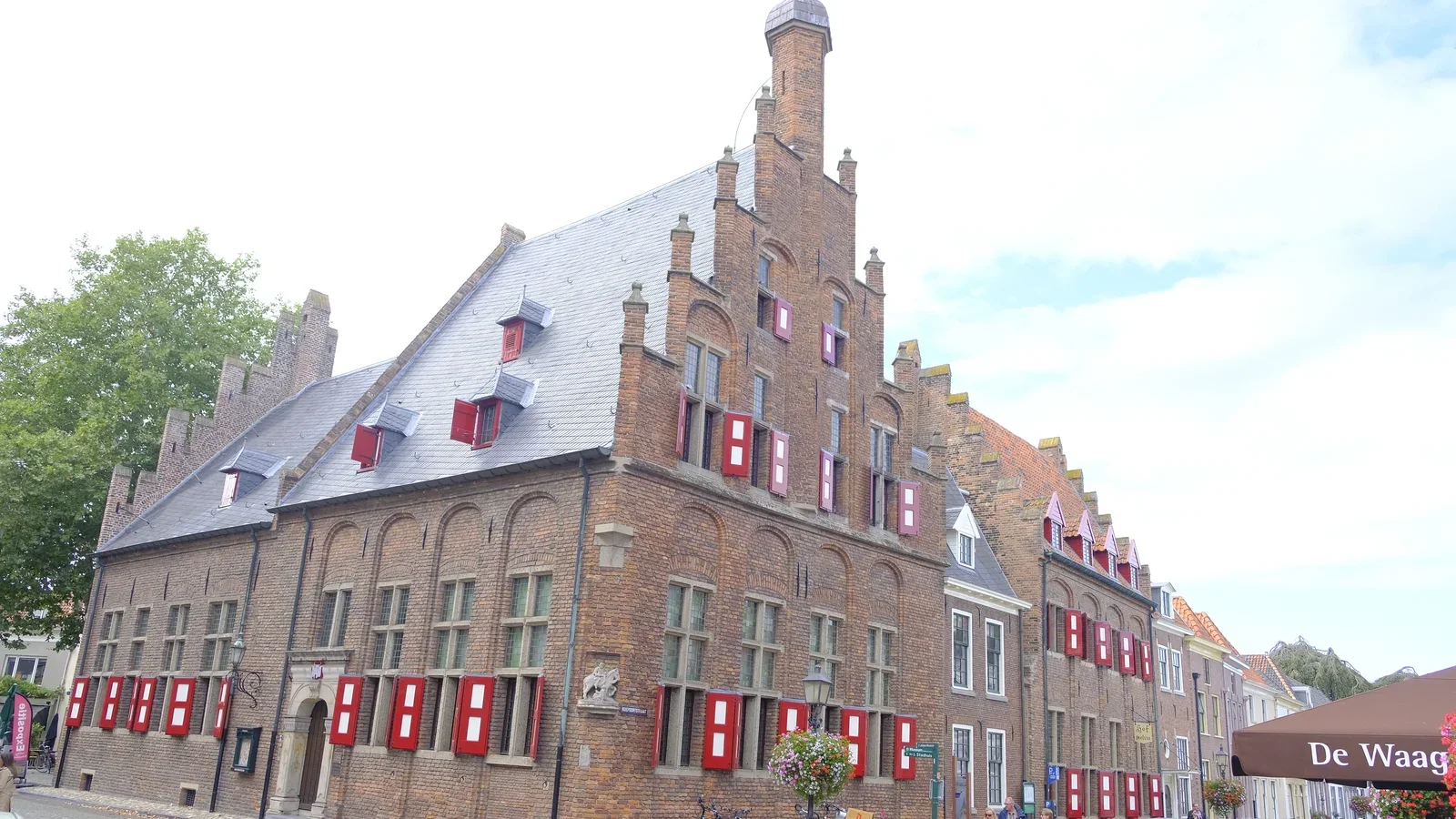
A walk through the Hanseatic city leads from the river past old fortifications to a museum where the mustard craft is still on view.
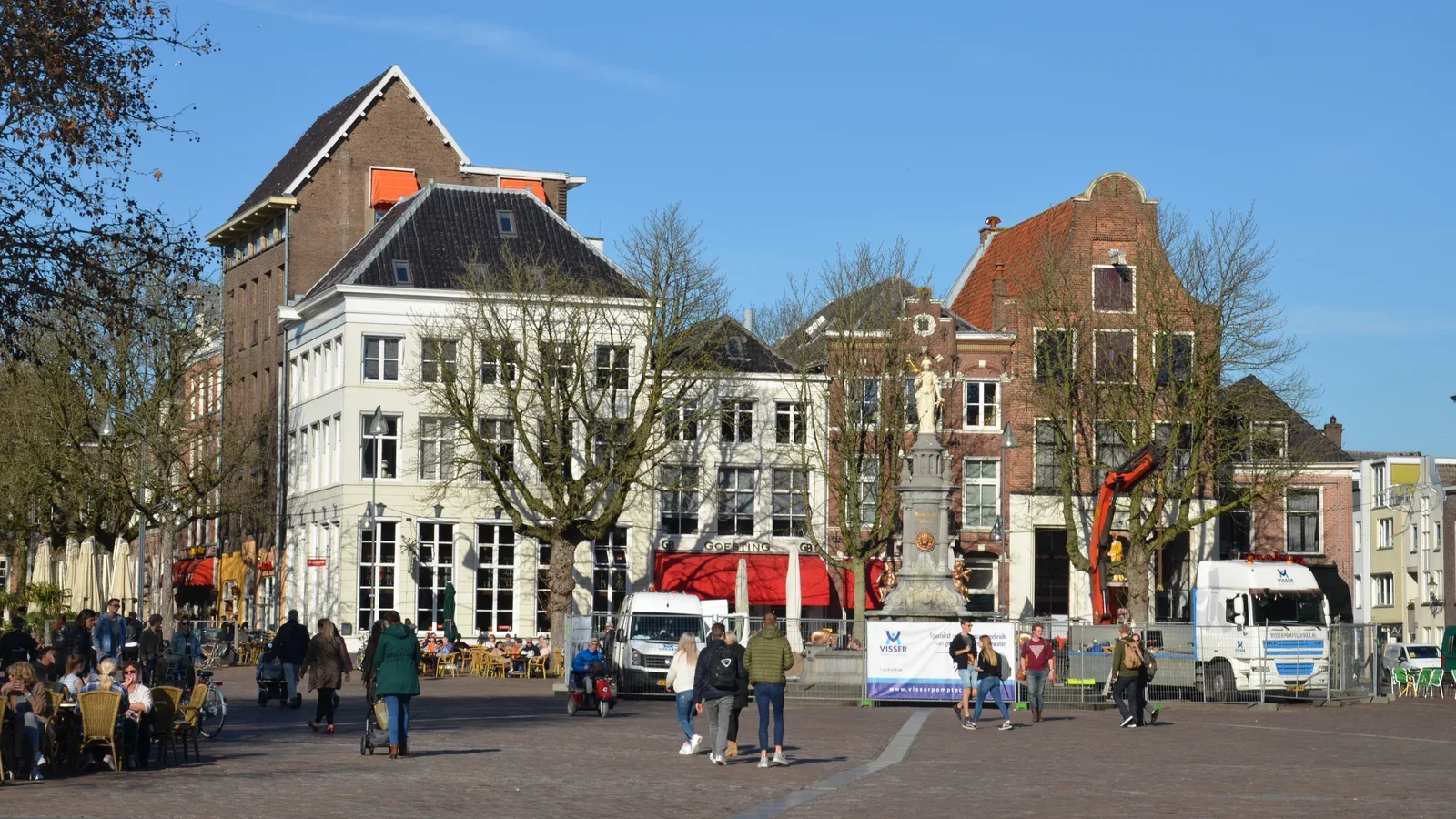
The Book Market was in August; the Bergkwartier is there all year round. A walk shows how trade, decay and restoration shaped the district.
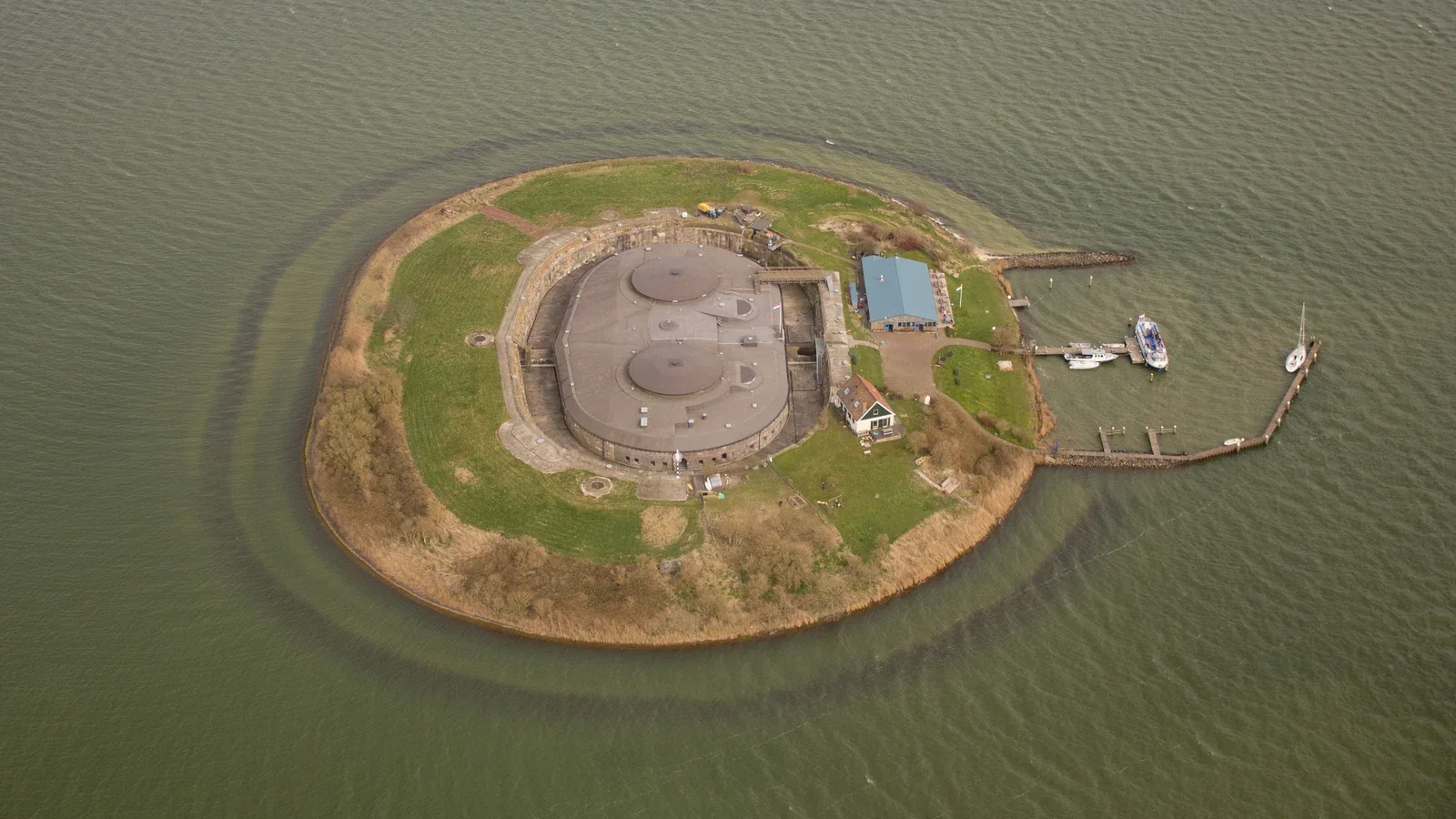
Pampus has an autumn programme; Spijkerboor is closed for hibernating bats. Along dikes and polders you can see how the defensive ring worked.
Editors Holland Magazine · 12 October 2026

Editors Holland Magazine · 12 October 2026
Editors Holland Magazine · 12 October 2026
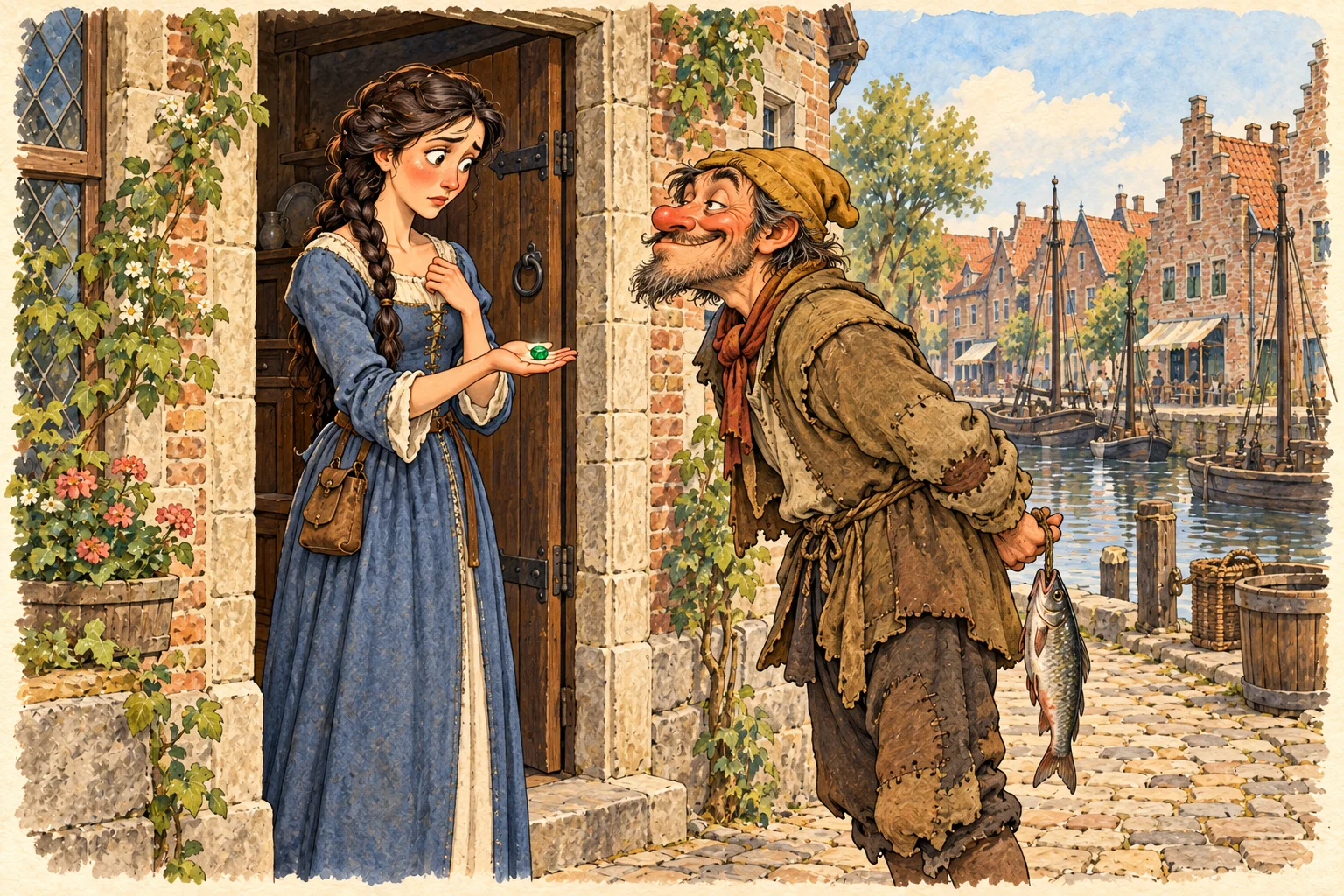
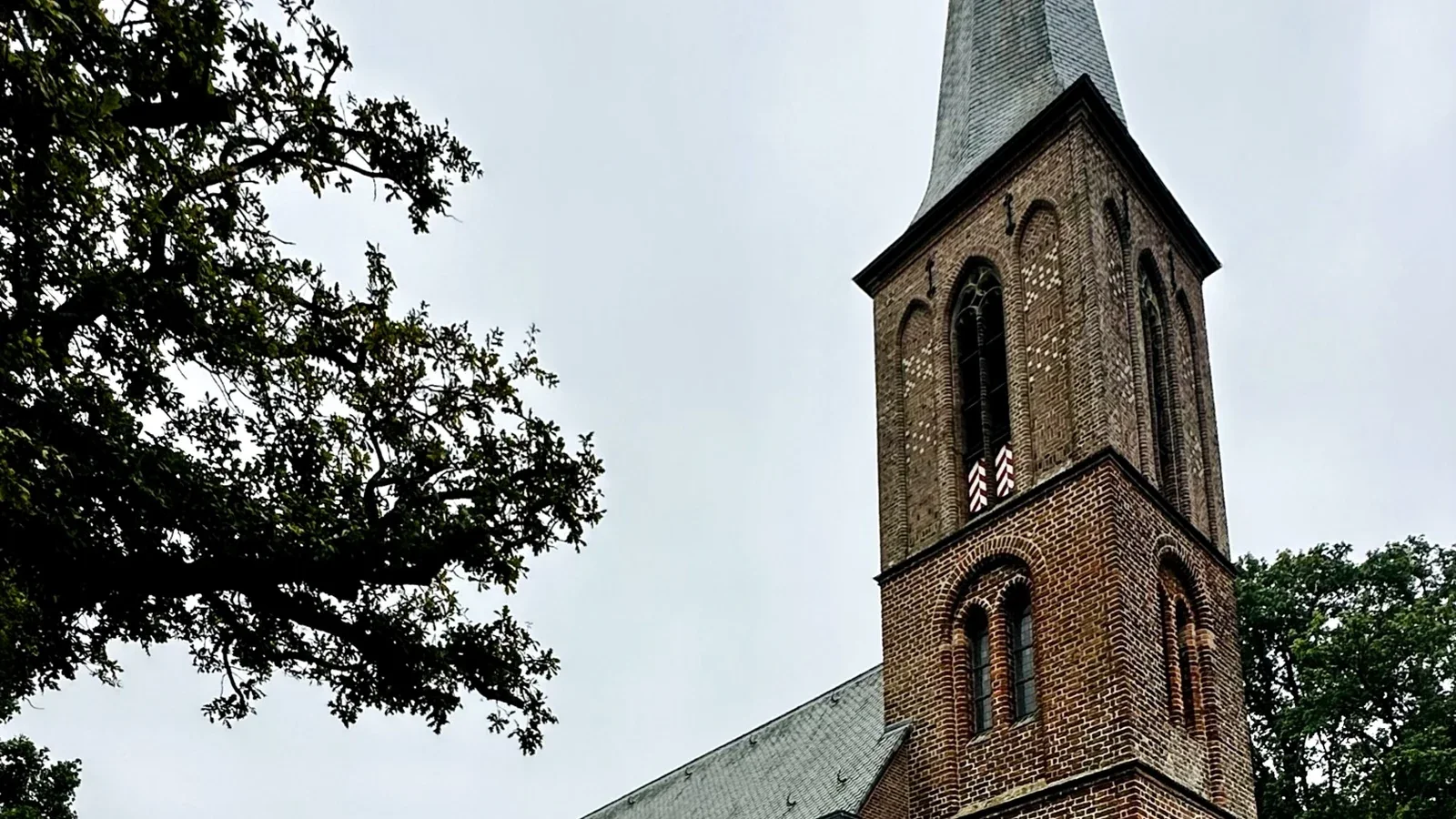
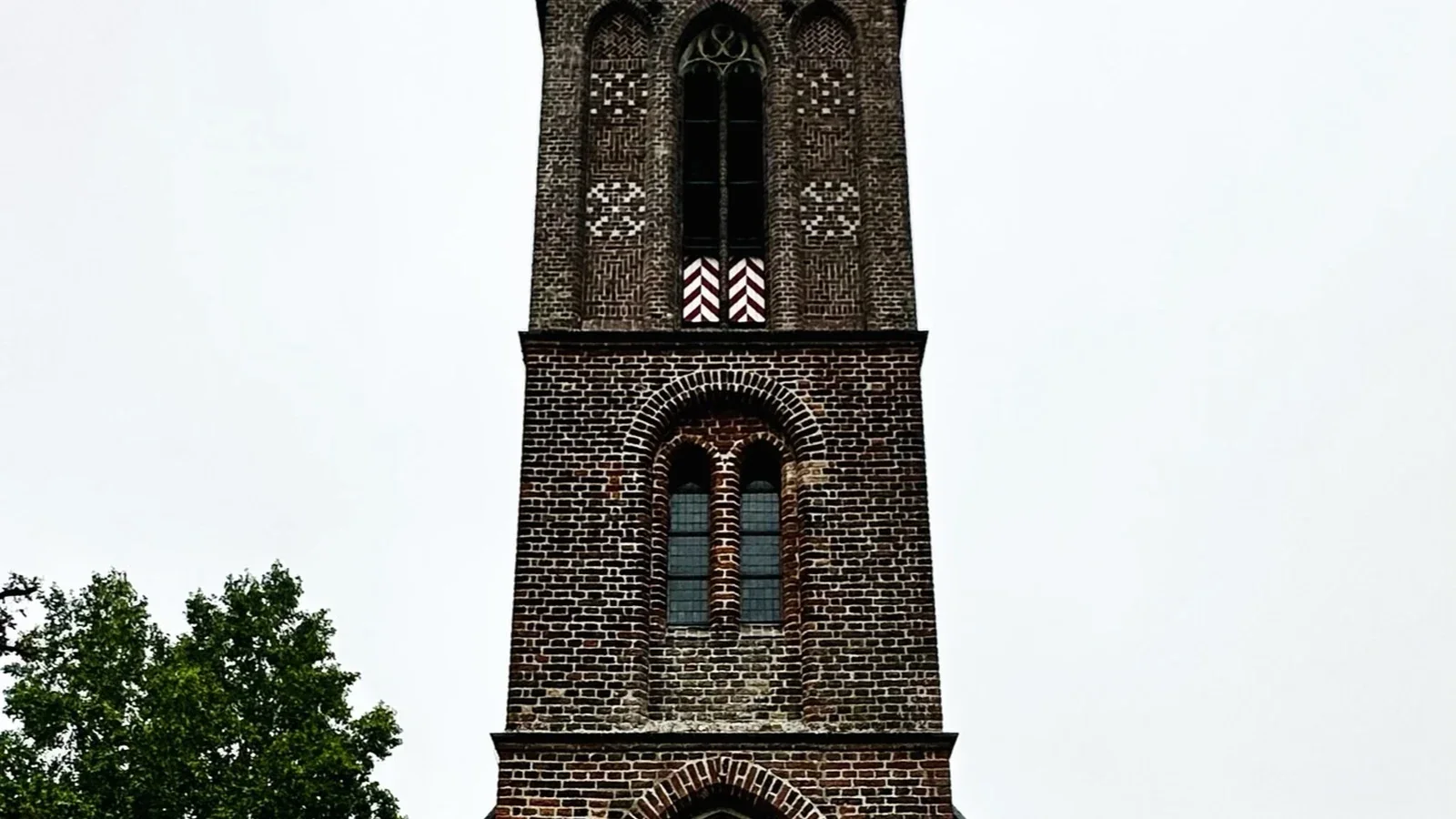
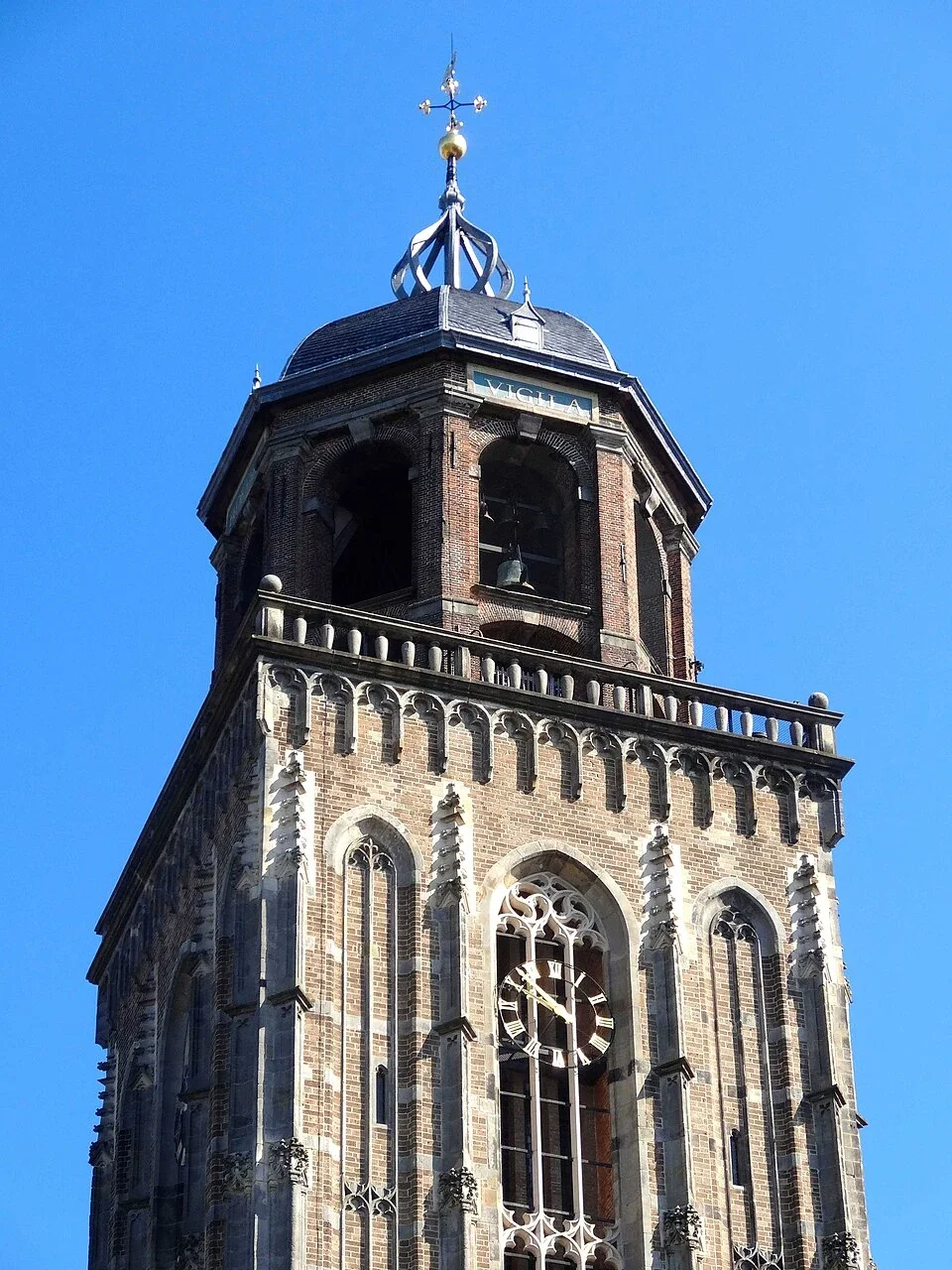
In Deventer, on the IJssel in Overijssel in the east of the Netherlands, the Bergkerk has two towers. According to an old story, they are linked to two sisters: Martha and Beatrix. Martha was a little taller, and so, people said, were the towers: side by side, one just a little higher than the other.
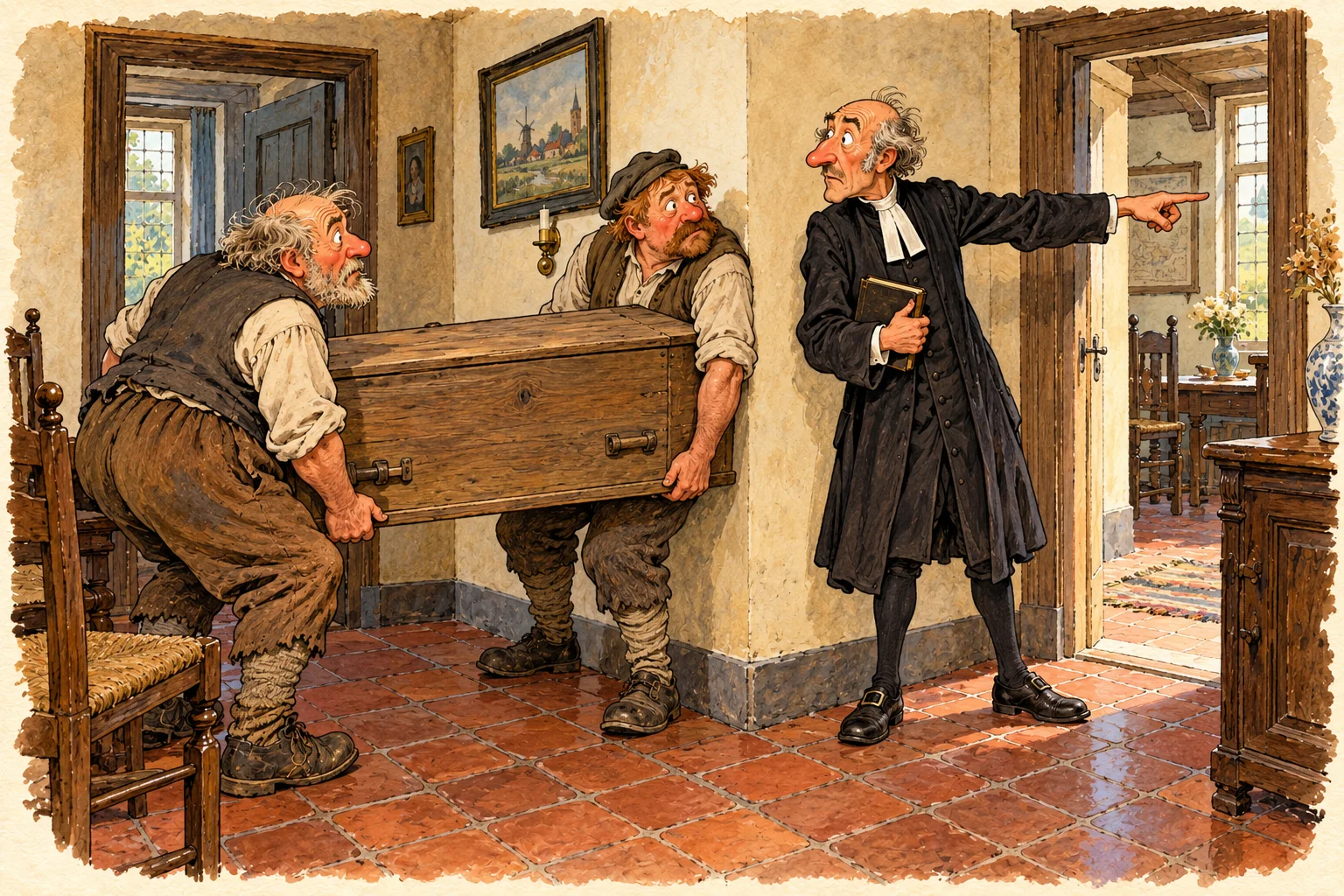
In Pietersbierum, a village near Harlingen in Friesland, in the north of the Netherlands, people told of a woman who saw her own funeral before she died. Such a vision was called a voorloop, a forewarning. Her husband was a minister, and he wanted none of it.
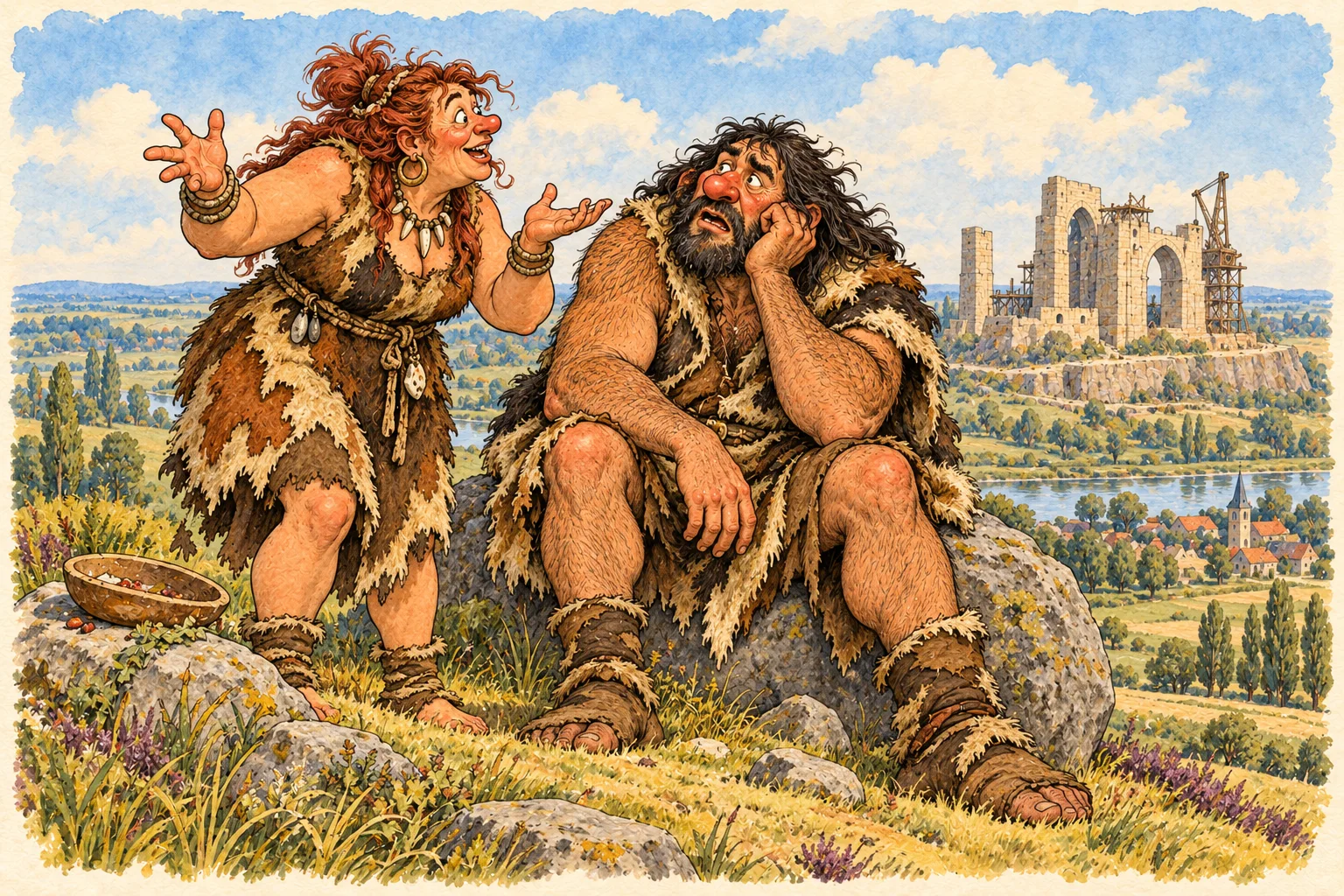
In Limburg, in the southeast of the Netherlands, people told of the giant king Halichem. His people wanted him to marry. He wanted them to stop bringing it up.
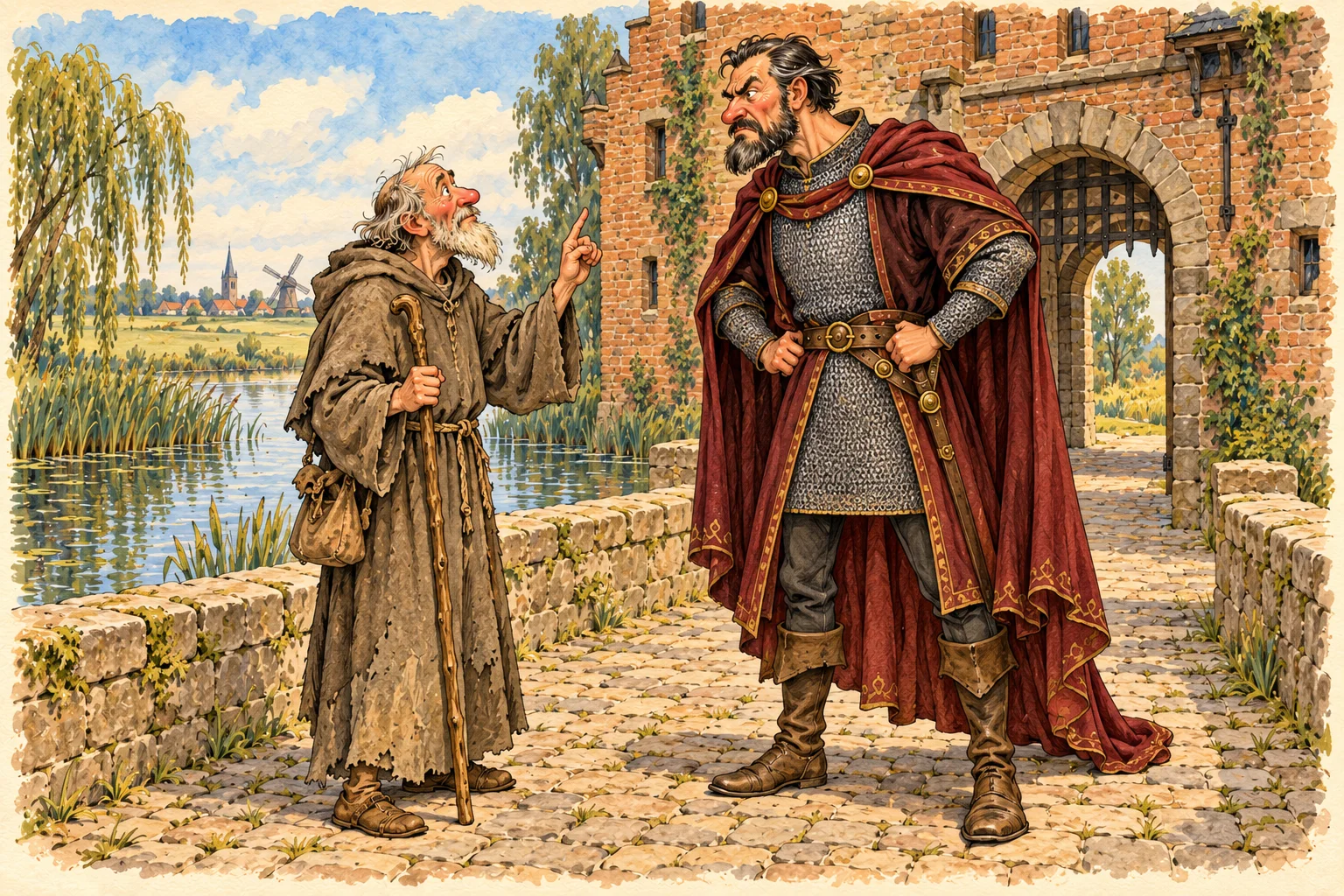
Knight Allaert had the hermit drowned because the man told him something he did not want to hear. The hermit reproached him for his sinful life. Allaert could answer a reprimand with an order; he expected the water to take care of the rest.
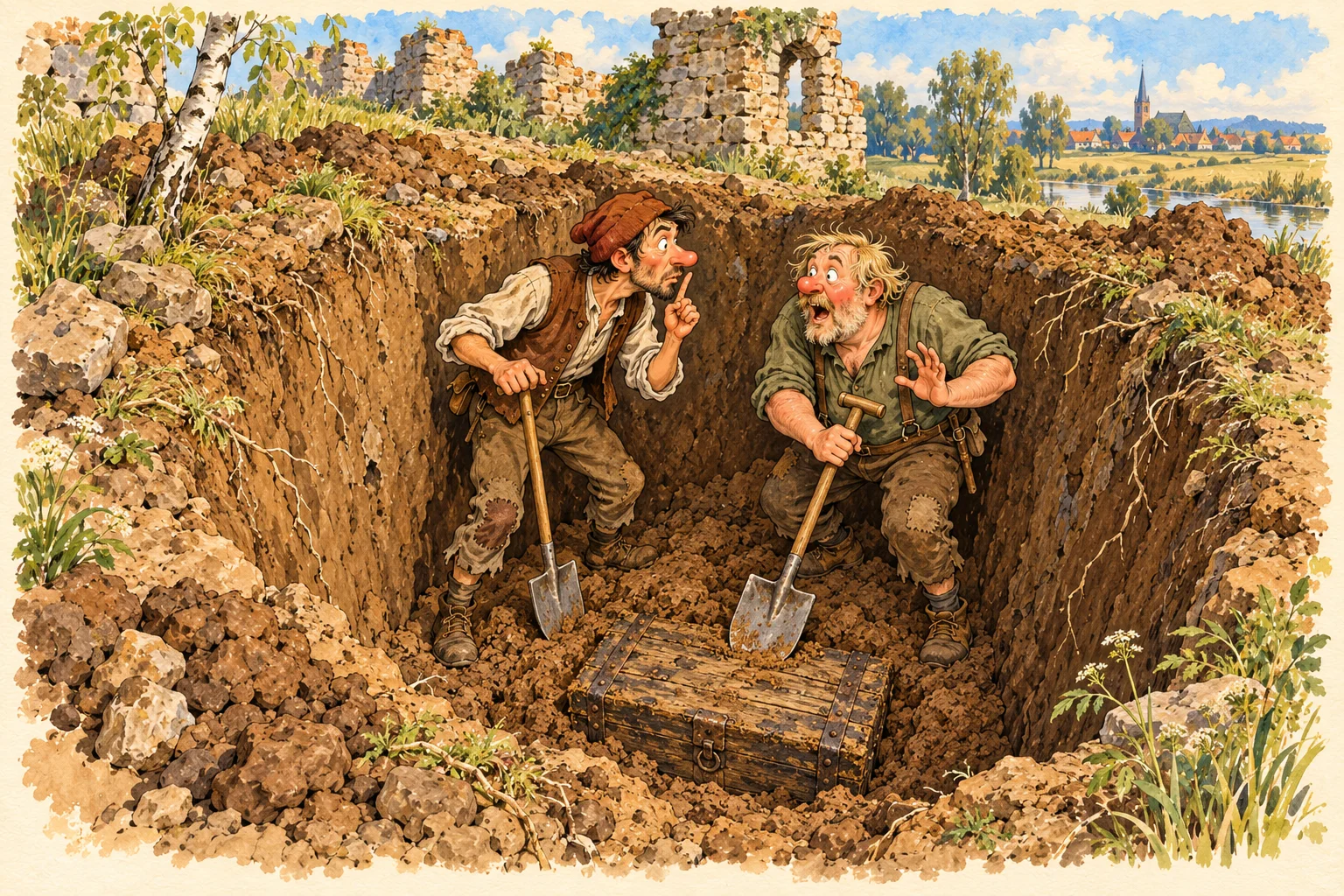
Near Echt, in Limburg in the southeast of the Netherlands, people told of a headless woman who wandered by the ruins of Sleutje. In wartime, local people had killed her before she received the church’s forgiveness. Her ghost had sworn vengeance on the people of Echt.
Editors Holland Magazine · 12 October 2026
Editors Holland Magazine · 12 October 2026

Editors Holland Magazine · 12 October 2026
Editors Holland Magazine · 12 October 2026
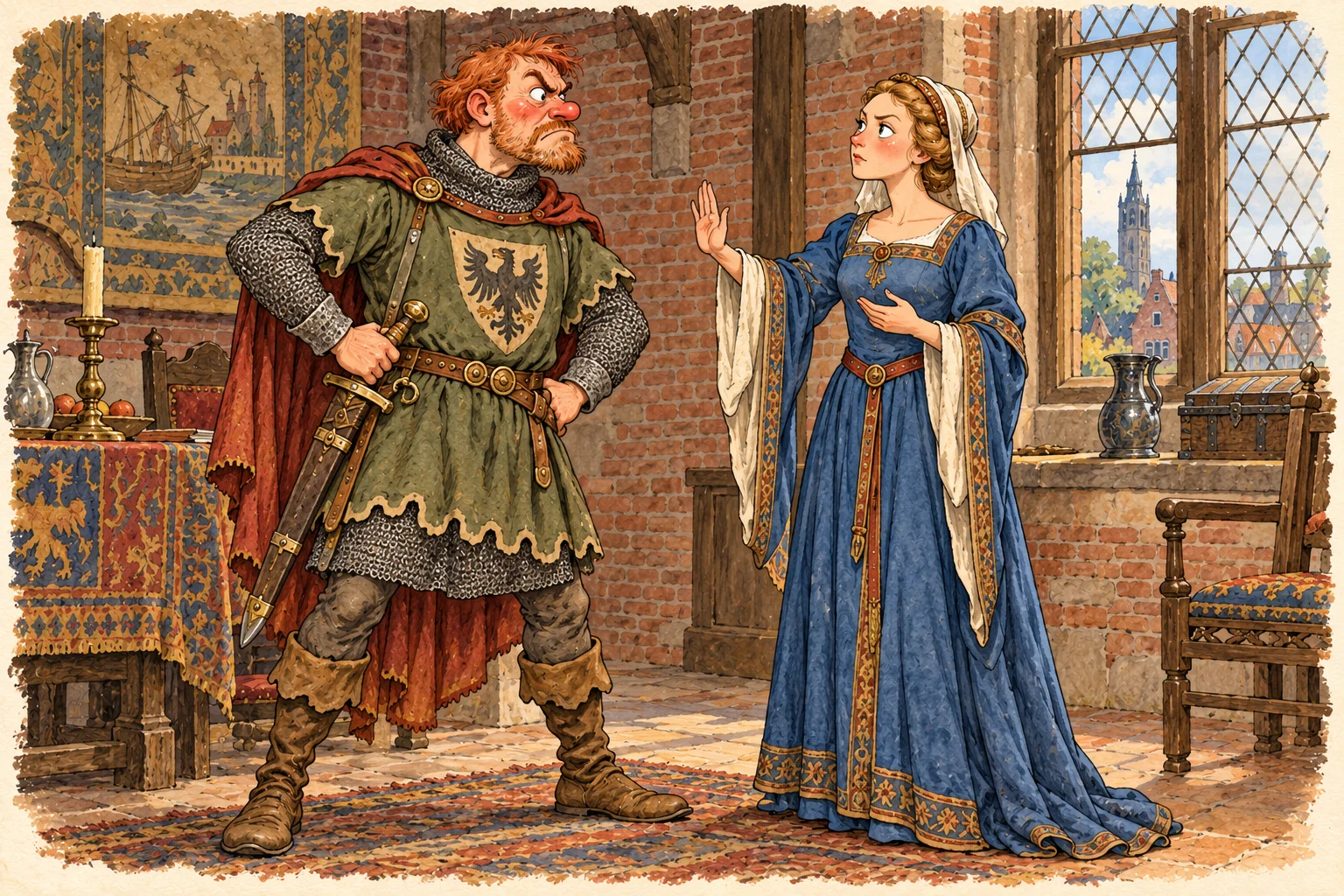
In Groningen, in the north of the Netherlands, people told of the knight of Stenhuisheerd. He had many enemies. Most of them he had made himself.
Editors Holland Magazine · 12 October 2026
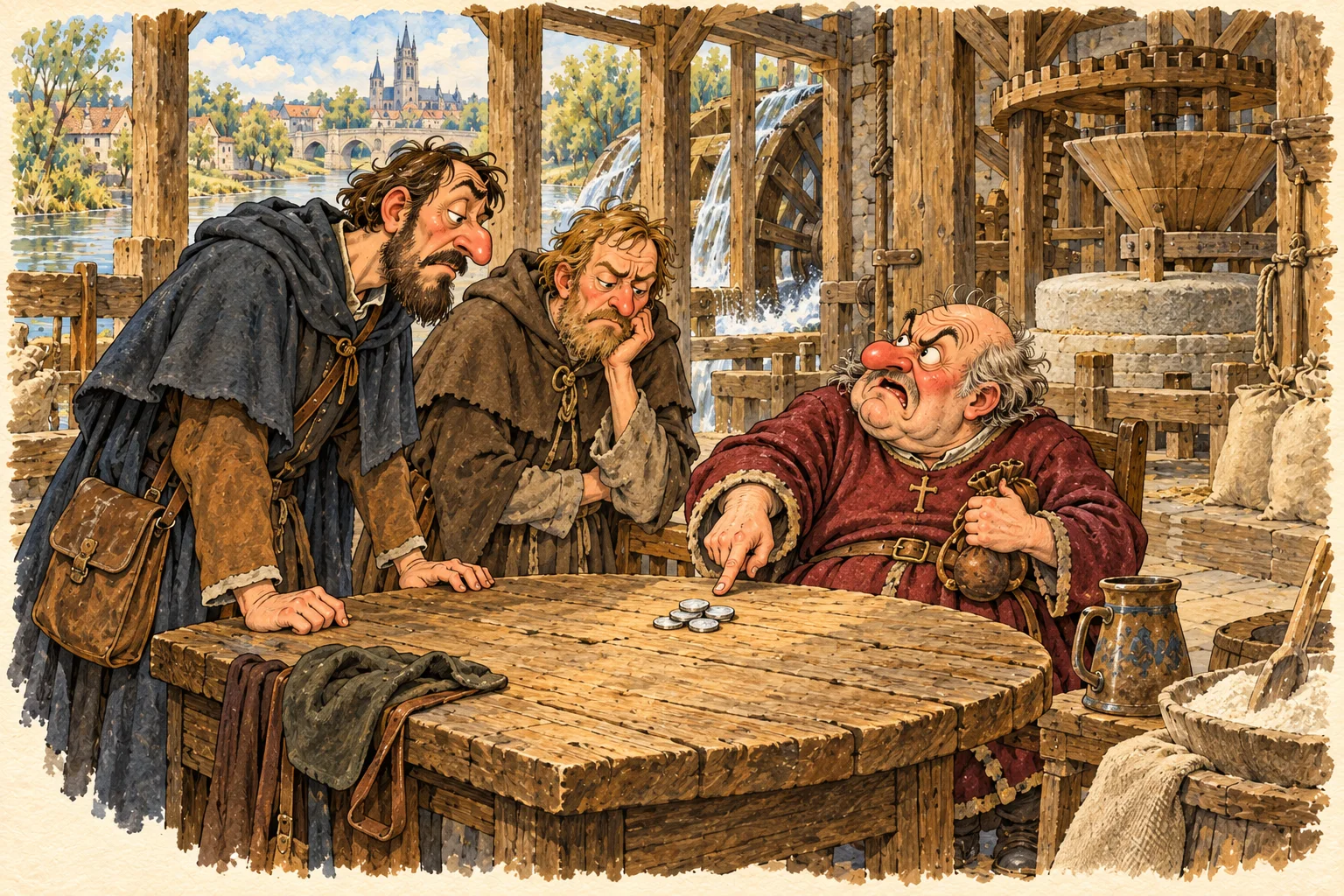
Near Maastricht, on the Meuse in Limburg in the southeast of the Netherlands, people knew an old story about the owner of the Black Mill. It takes place during the Crusades, when preachers called on men to travel to the Holy Land for their faith. The miller Godeslas listened to one such sermon and worked out what it would cost him.
Editors Holland Magazine · 12 October 2026

In Twente, in the province of Overijssel in the east of the Netherlands, people told that the plague travelled like a little cloud past the farms near Enschede. People called the feared disease the Black Death. In this tradition, an entire farmstead could perish while almost nothing could be seen from outside.
Editors Holland Magazine · 12 October 2026
 AI-generated image
Thin slices of celeriac and potato cook in cream beneath a golden cheese crust.
 AI-generated image
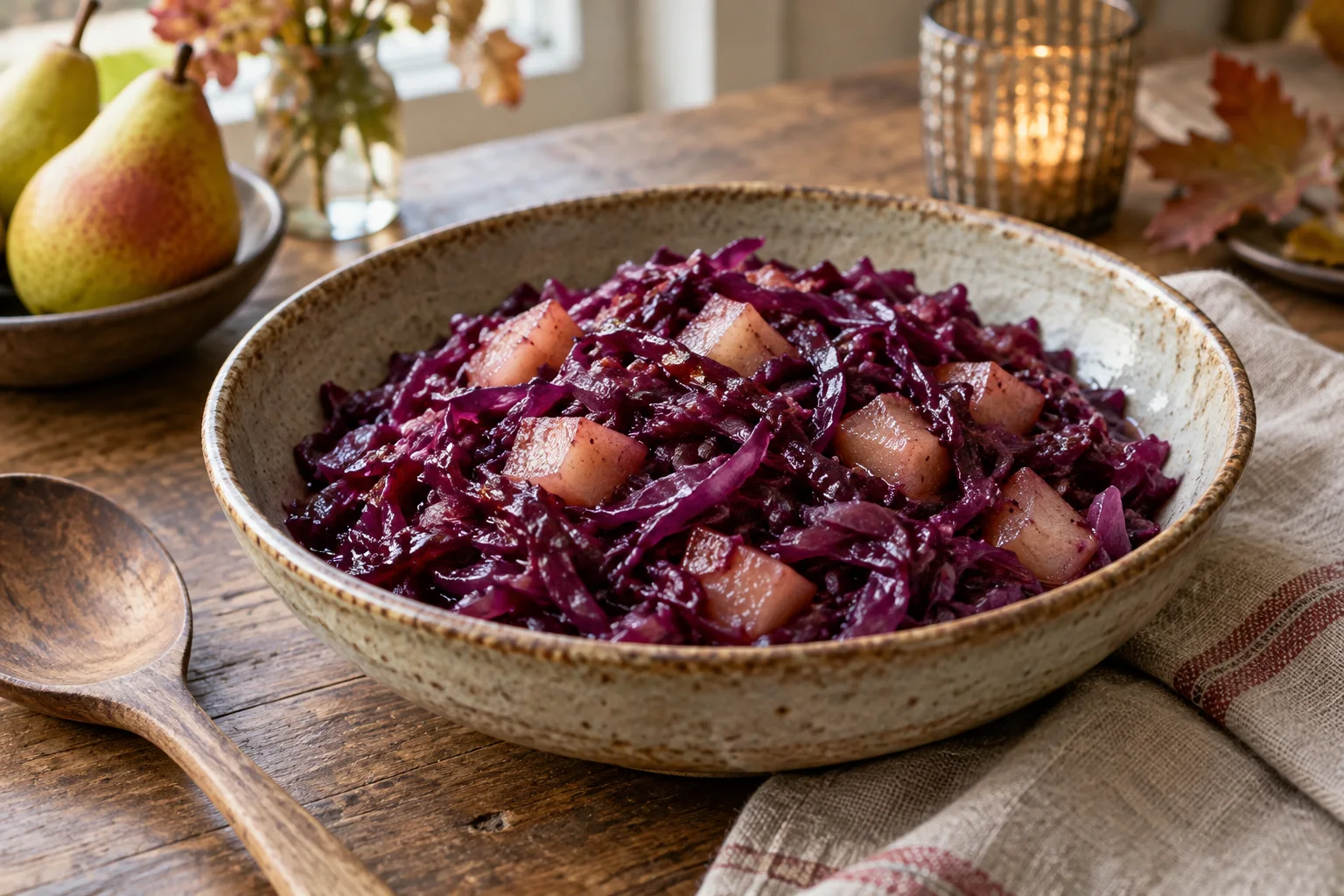
Red cabbage softens in the pan; pear is added later so it keeps some shape.
 AI-generated image
Earthy beetroot, crisp apple and walnuts get a fresh mustard dressing.
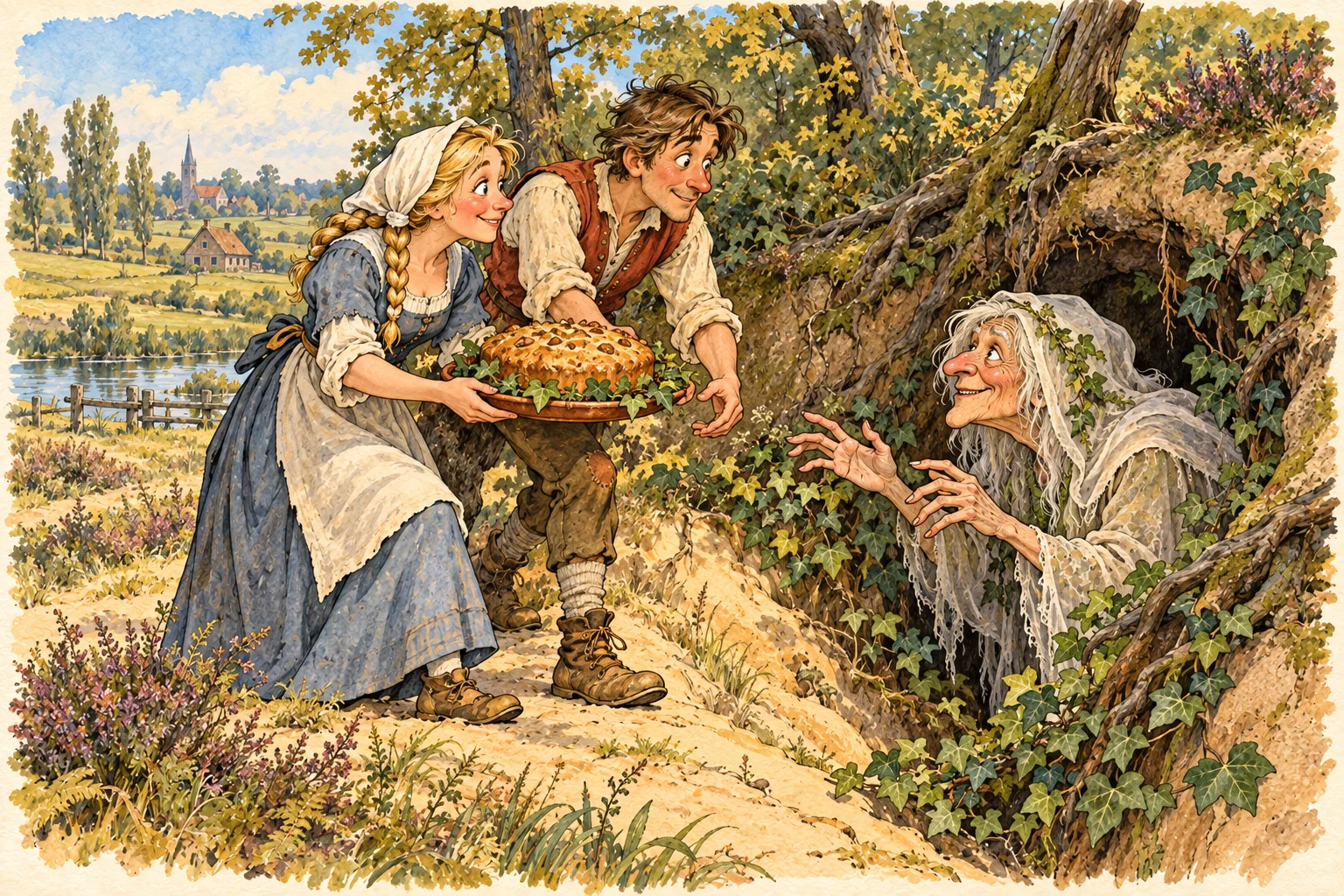
Near Lochem and Barchem, in the Achterhoek region of Gelderland in the east of the Netherlands, people told of the witte wieven: mysterious women who appeared over the land like mist. According to this old story, three lived in a hollow near the Koerbelt. The eldest had nails sharp enough to peel a potato without a knife. She ruled the witte wieven as far as the Veluwe.
Editors · 11 October 2026
Editors · 11 October 2026
Editors · 11 October 2026
Editors · 11 October 2026
Editors · 11 October 2026
Editors · 11 October 2026
Editors · 11 October 2026
 AI-generated image
A small baking dish is enough: the apple juices keep the bottom soft while the oats brown on top.
 AI-generated image
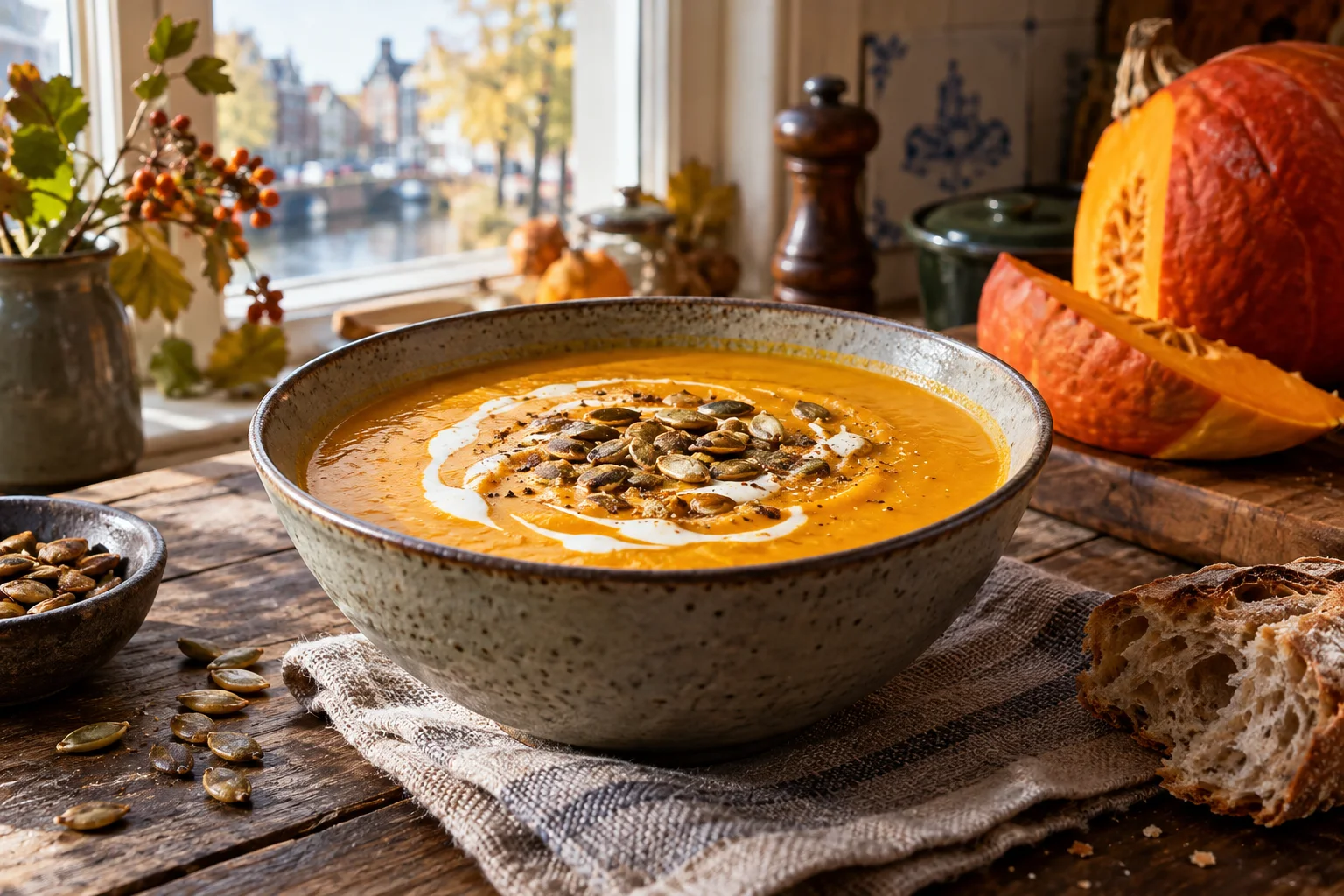
Roast the pumpkin first; only then add it to the stock. Keep the seeds separate until serving.
 AI-generated image
Editors · 10 October 2026
 AI-generated image
Cook off most of the mushroom moisture first so the pastry stays crisp. Then the filling only needs to set.
Editors · 10 October 2026
 AI-generated image
Editors · 10 October 2026
Editors · 9 October 2026
Editors · 9 October 2026
 AI-generated image
Add the mustard after roasting the vegetables. You can adjust its bite while the potatoes and leeks keep their browned edges.
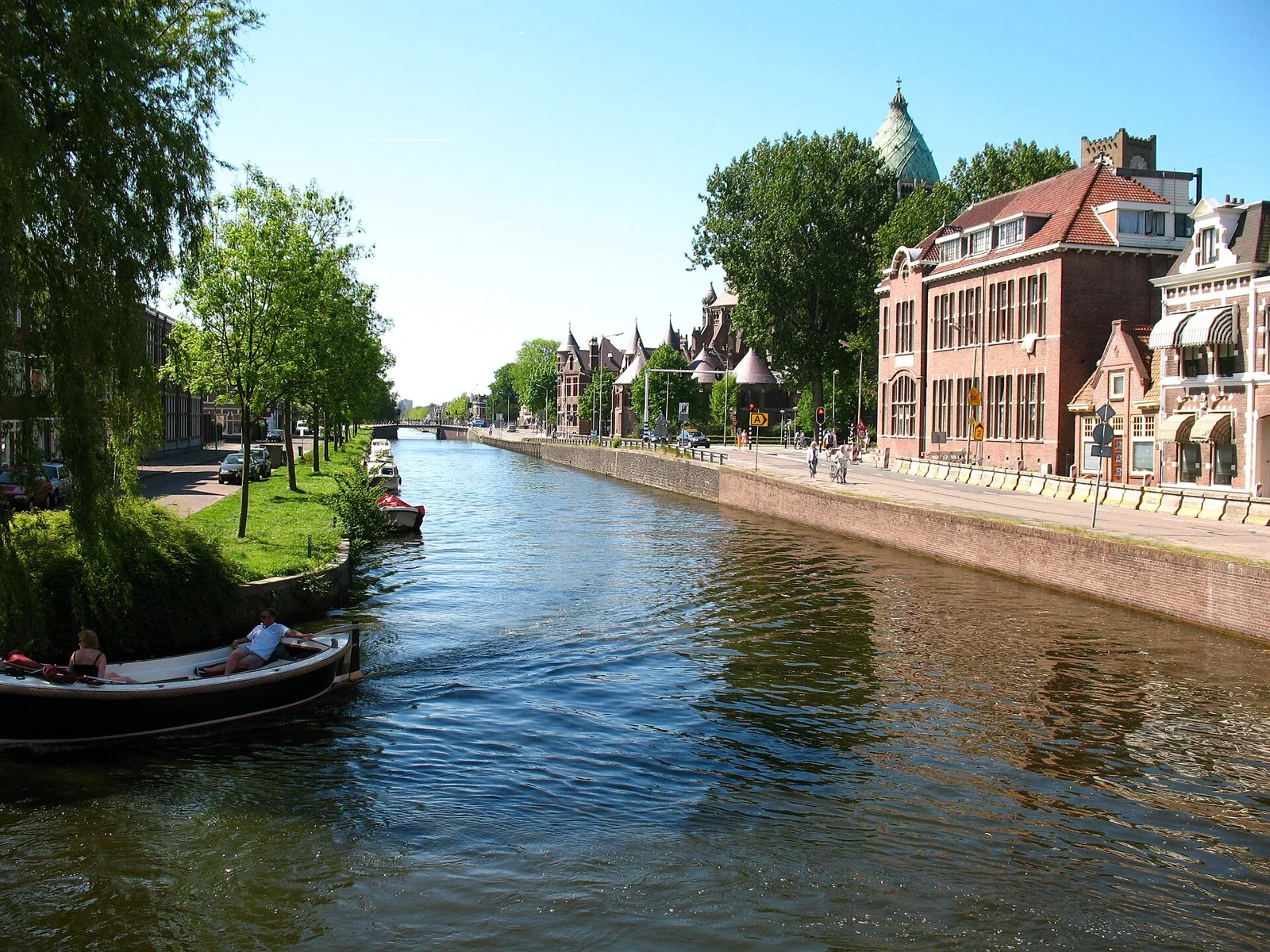
Editors · 9 October 2026
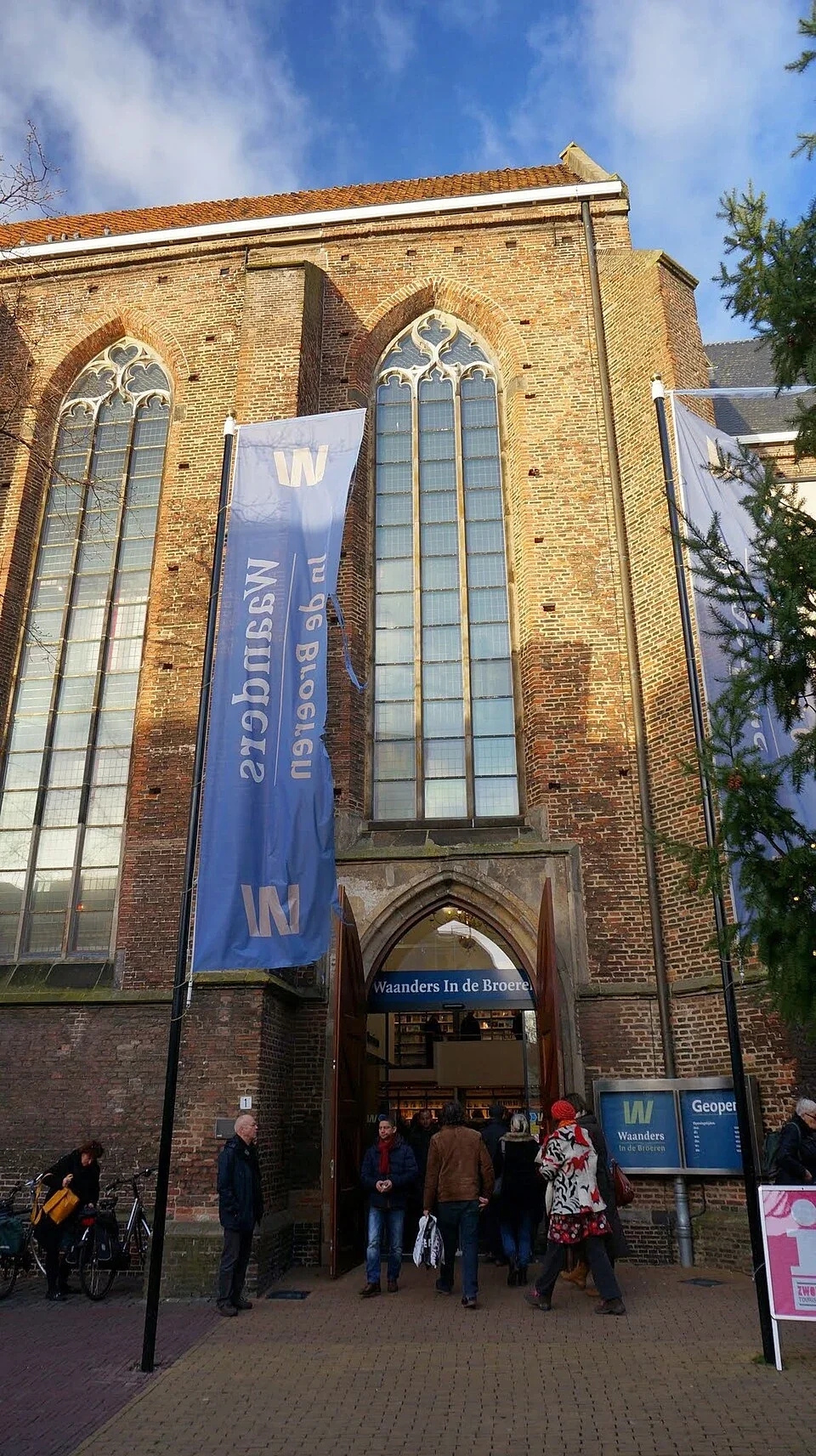
Editors · 9 October 2026
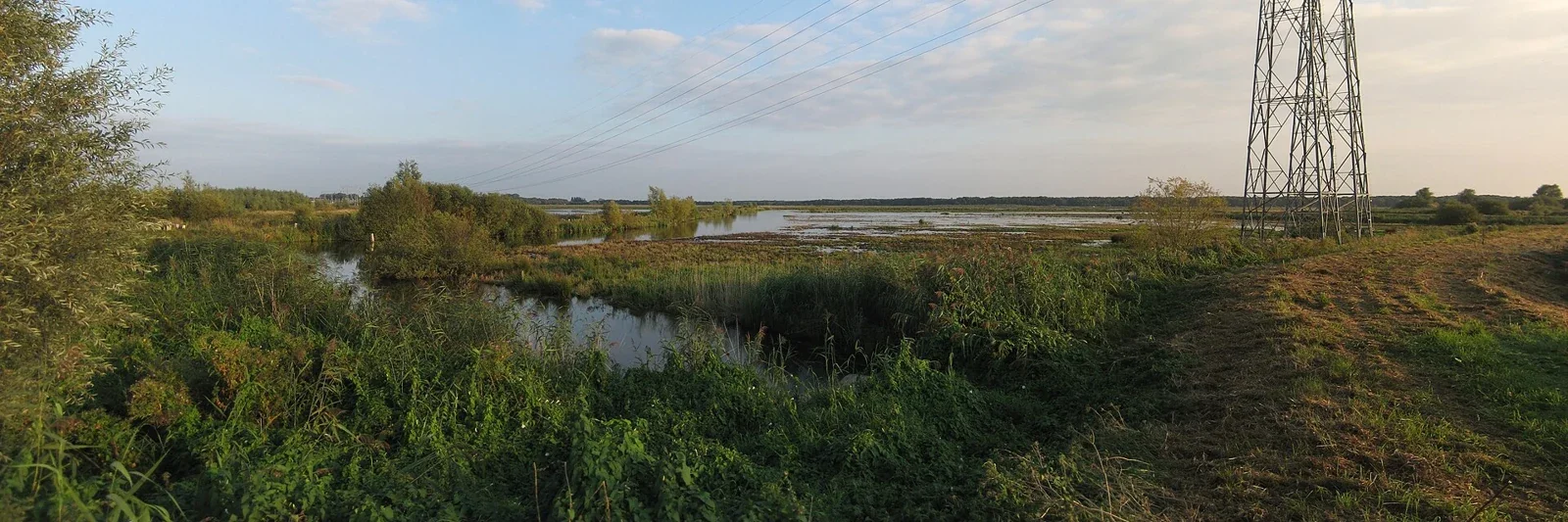
Editors · 9 October 2026
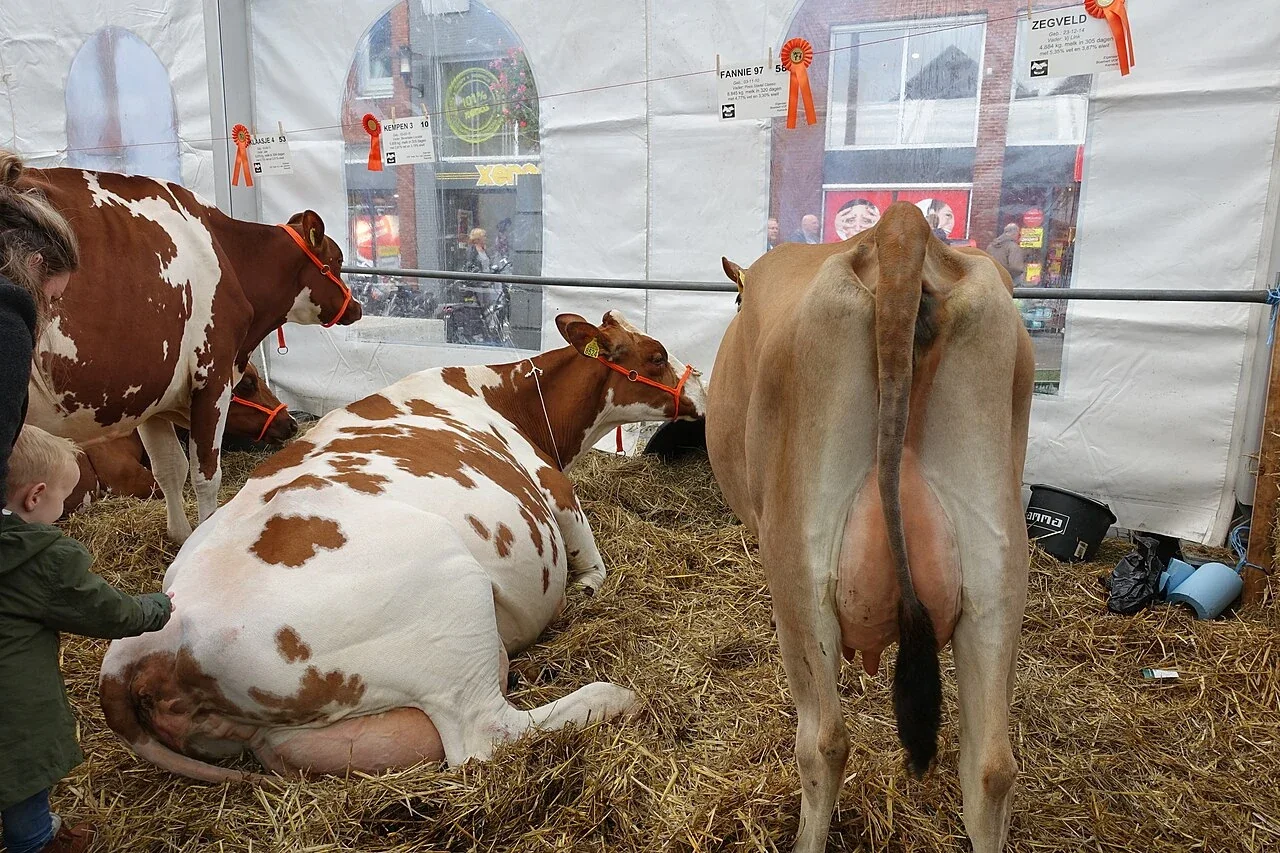
Editors · 9 October 2026
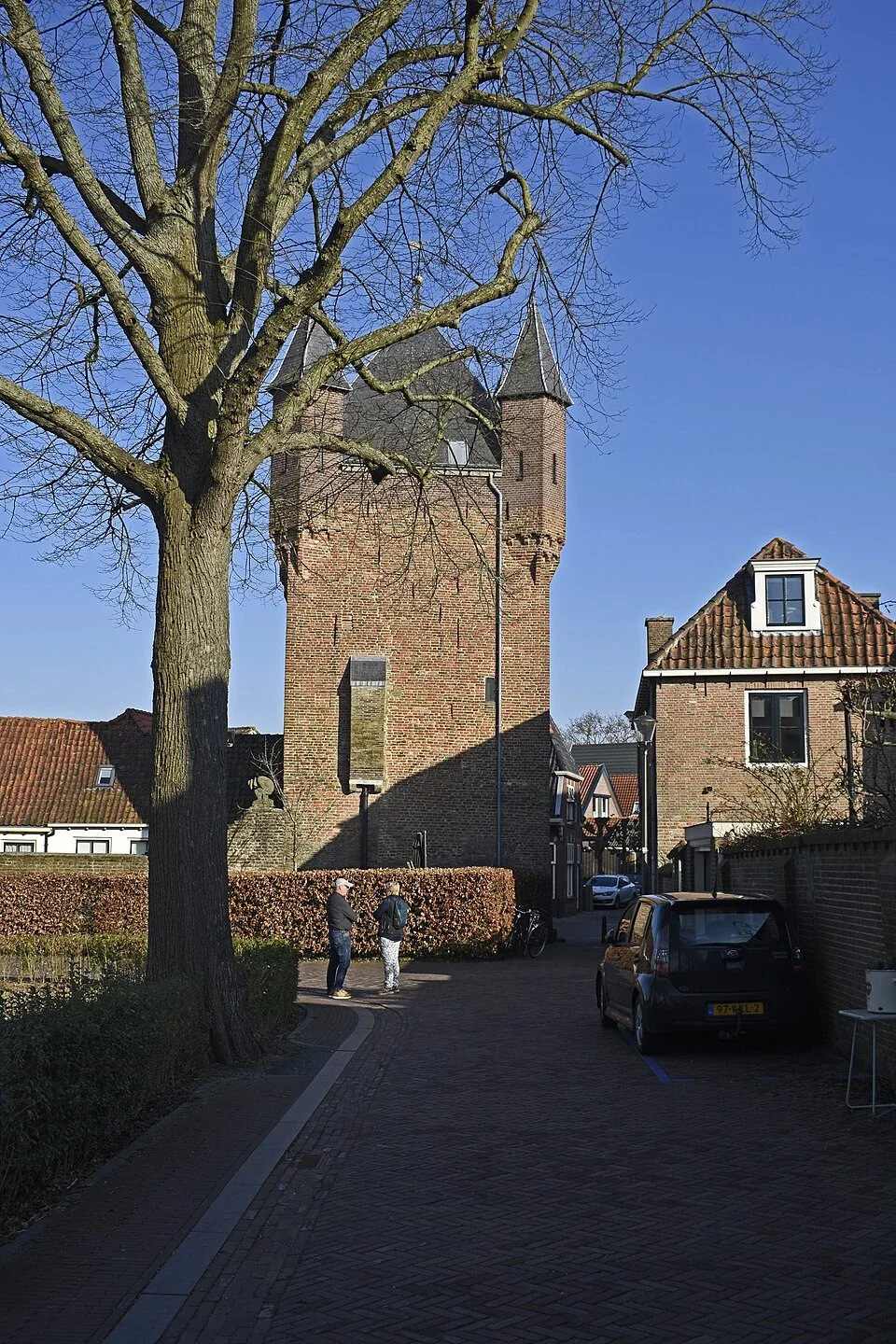
Editors · 9 October 2026
 AI-generated image
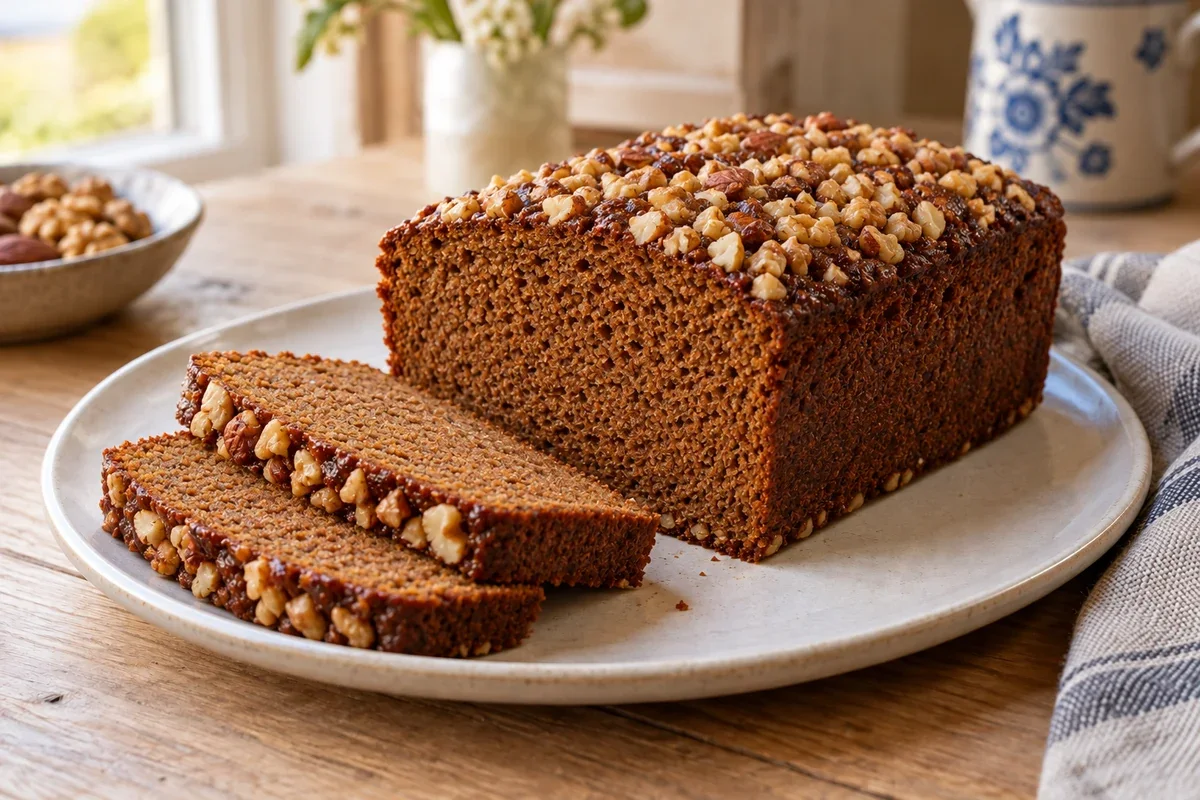
The nuts go underneath and on top of the dough. A low oven temperature gives this firm spiced loaf time to cook right through.
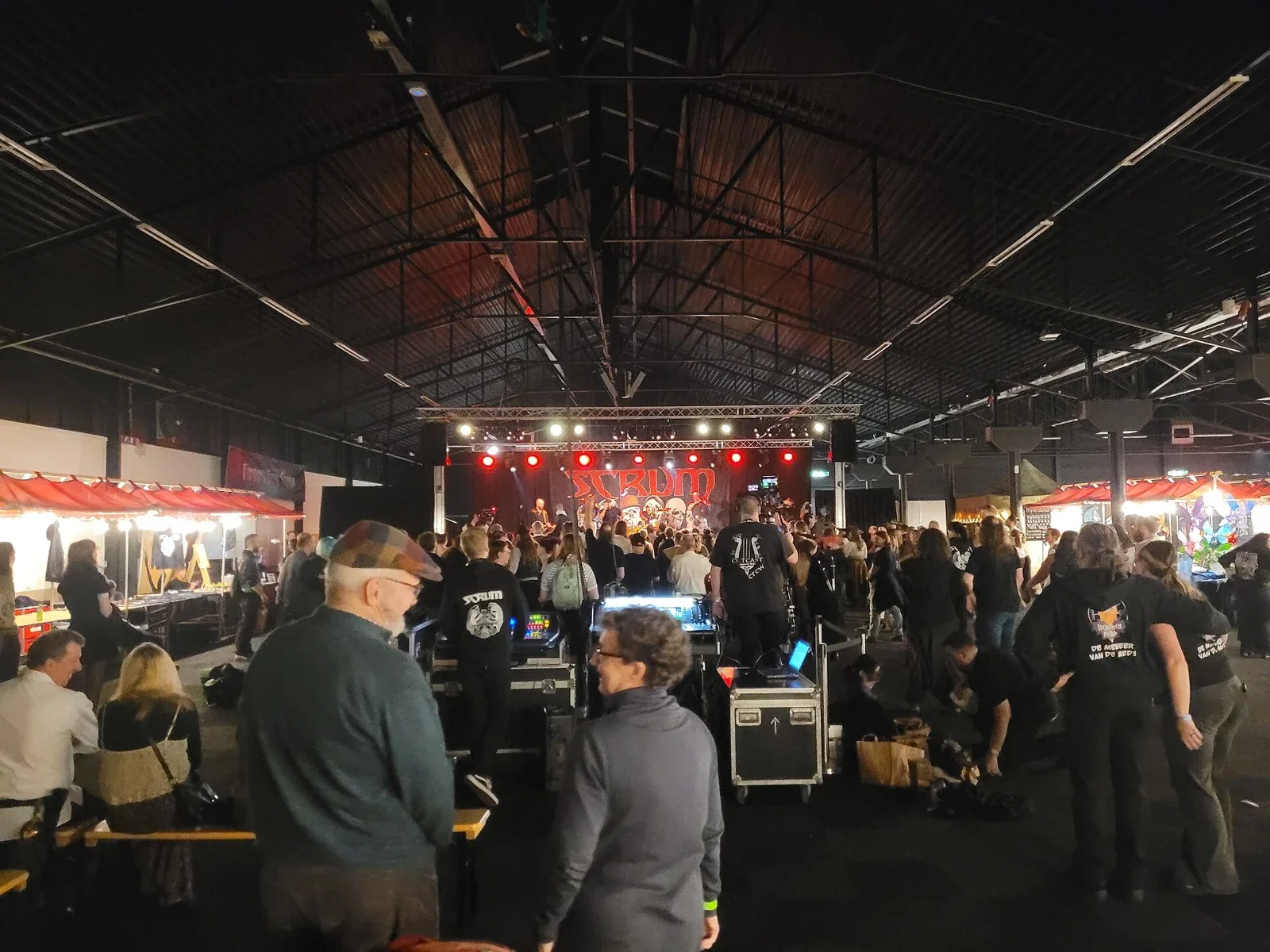
Editors · 9 October 2026

Editors · 9 October 2026
 AI-generated image
Precooked beetroot makes this tart manageable on an ordinary cooking evening. A thin pastry base holds a pink filling, soft goat cheese and a little thyme.
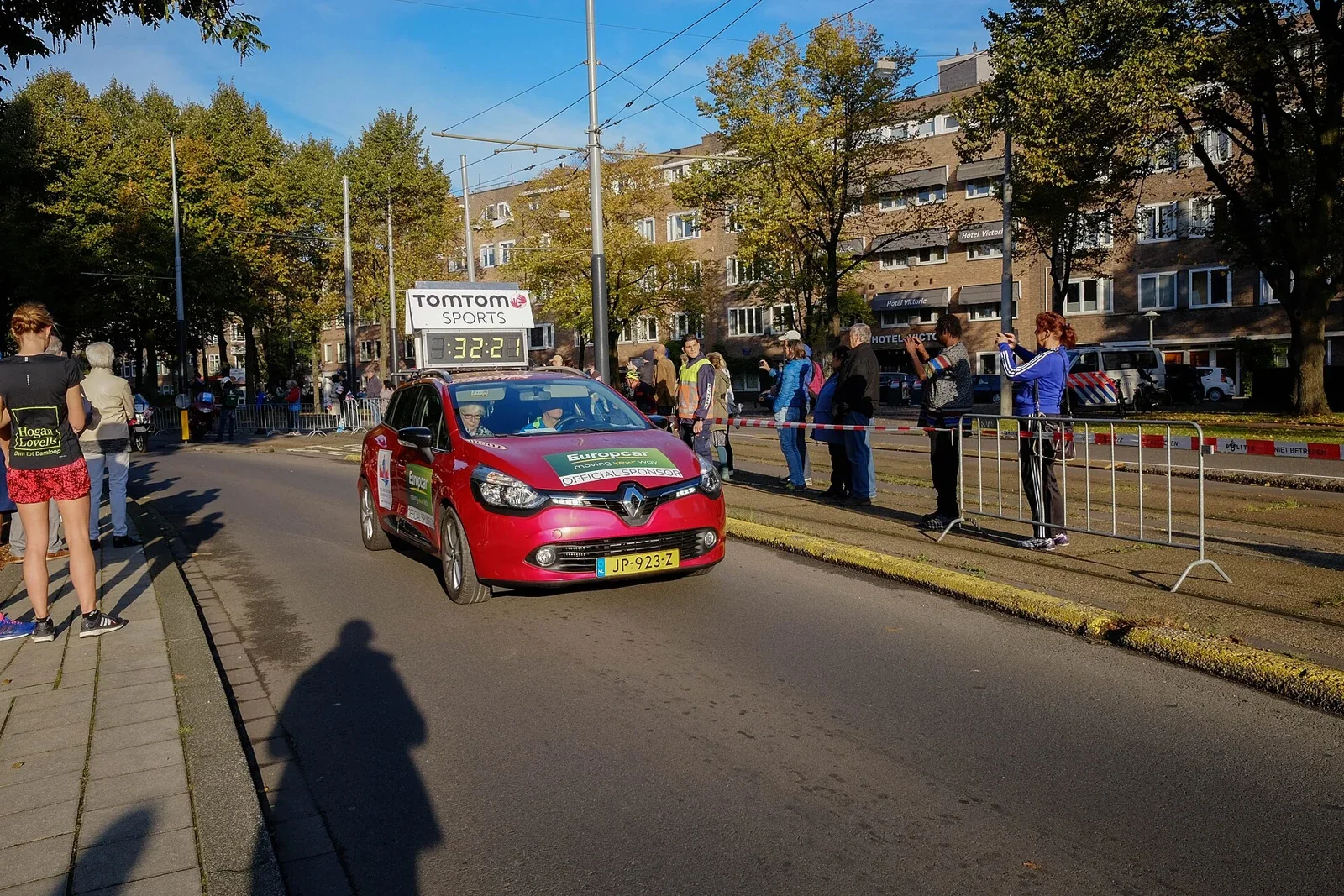
Editors · 9 October 2026
 AI-generated image
Roast the carrots until their edges colour, then toss them with chewy barley. Mustard, lemon and pumpkin seeds give this warm salad a fresh, crunchy finish.
 AI-generated image
Thin potato slices give this frittata substance, while gently cooked leeks add flavour. The oven does the final part; there is no need to turn the filled pan over.
 AI-generated image
The apple goes into the pan too, adding a fresh note to this smooth celeriac soup. A spoonful of yogurt and a few chives finish each bowl.
At Haarzuilens, close to Utrecht in the middle of the Netherlands, stands Castle de Haar. About the medieval stronghold on that spot, people tell the story of a knight who needed nobody. That was his own opinion, at least.
 AI-generated image
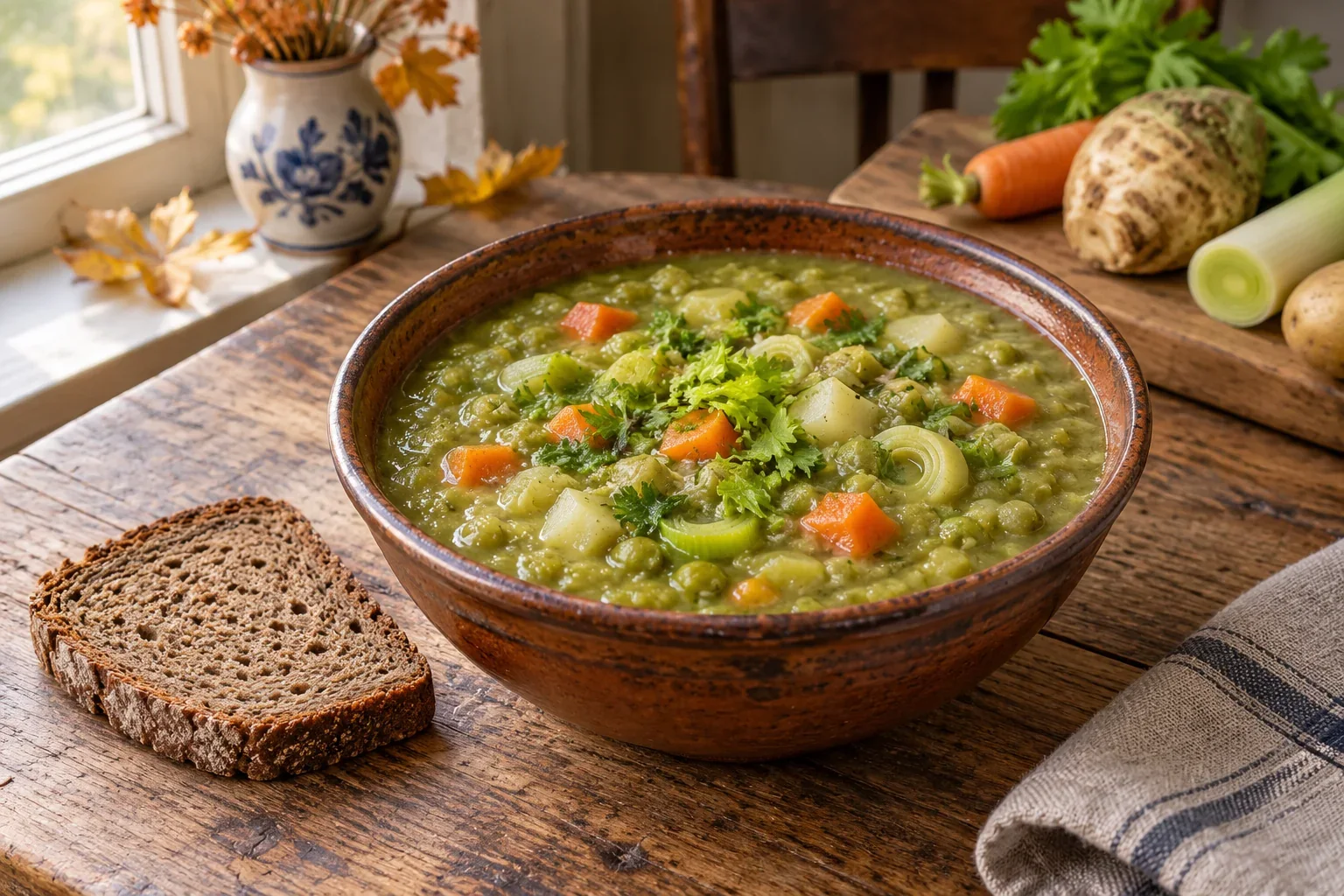
Split peas need no soaking. They slowly cook down into a thick base, in which leek, carrot, celeriac and potato then cook through. This soup becomes even thicker and tastier the next day.
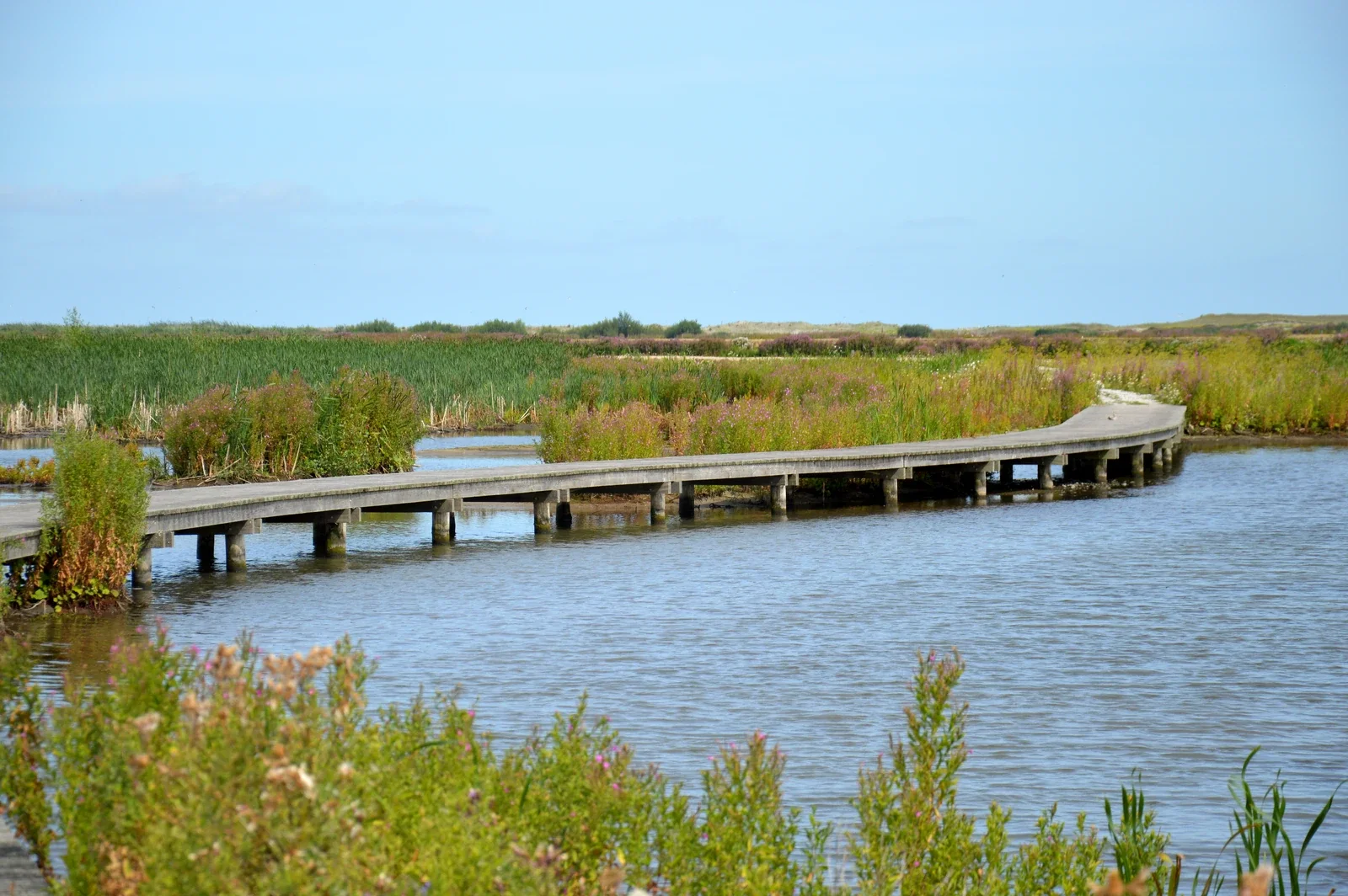
Until the last sailing weekend on 31 October and 1 November, the ferry still runs from Lelystad to Marker Wadden. Why the islands are there, what the dike next to them has to do with it, and which birds you see there in autumn.
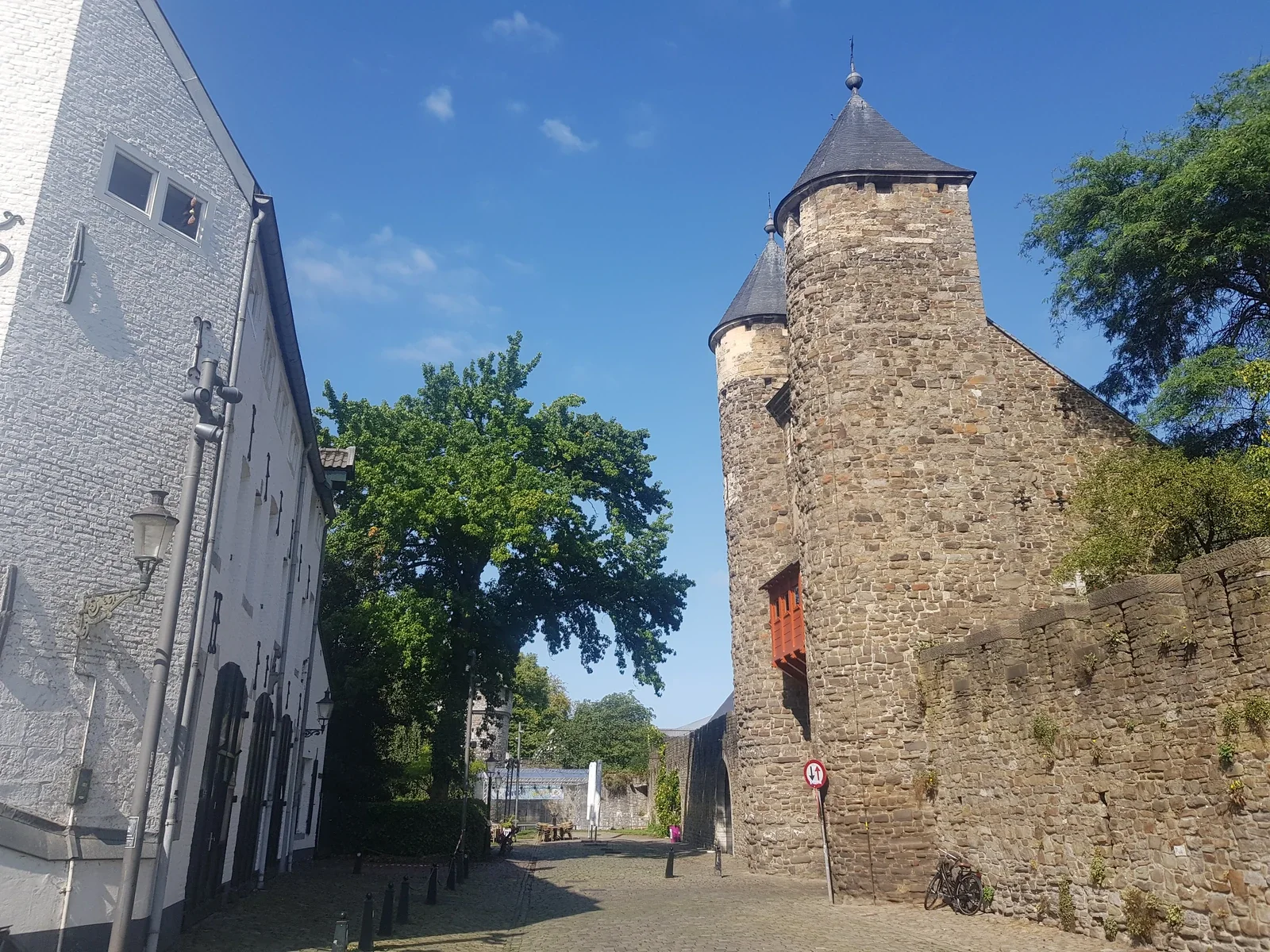
From Friday 9 to Sunday 11 October, bands play in cafés, hotels and on the street. A walk through the oldest part of the city, past the Helpoort and a watermill that grinds flour for vlaai.
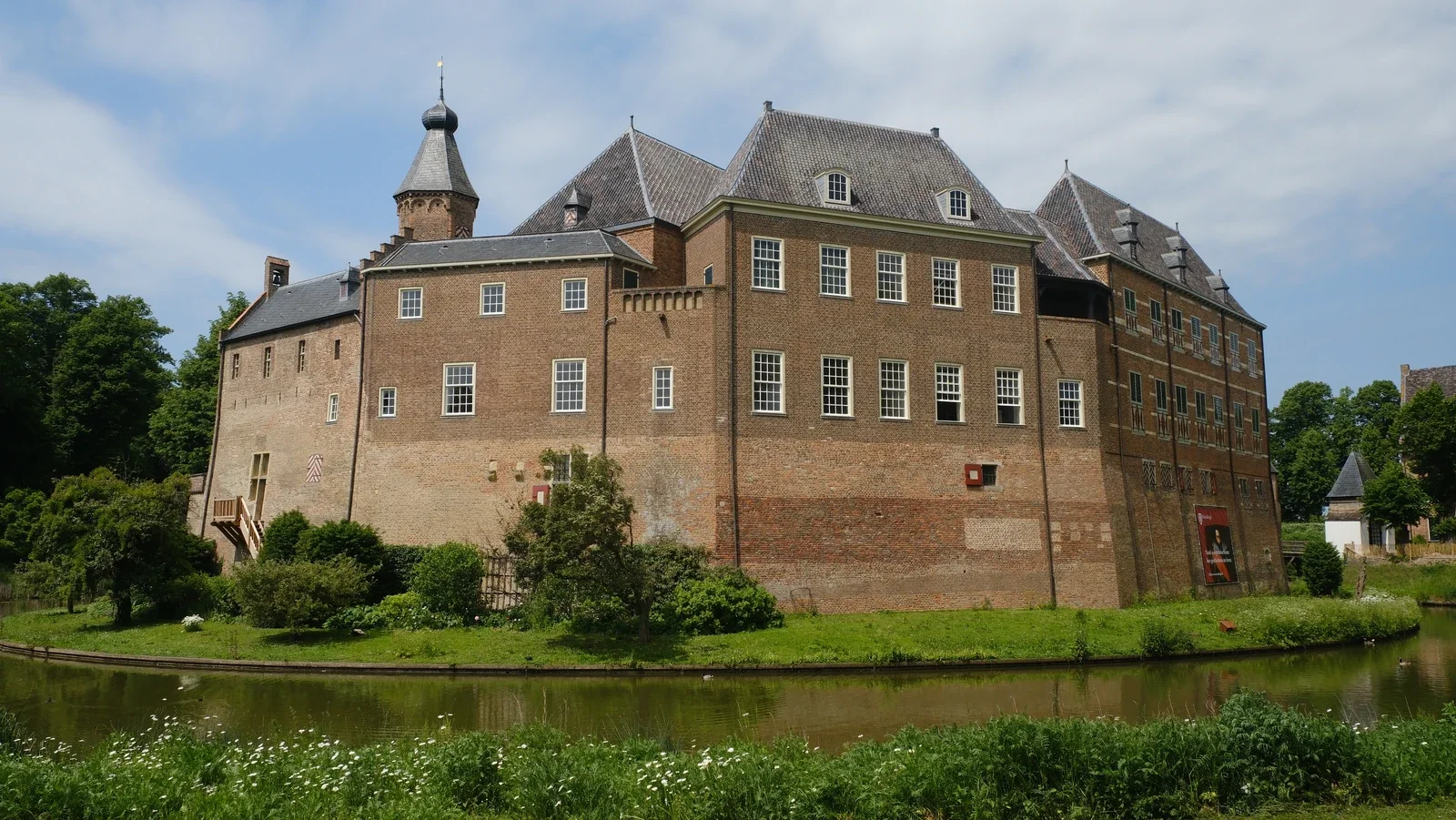
King Willem-Alexander reopened the castle in ‘s-Heerenberg on 17 September by striking a coin. What the restoration changed, why the Bergh mint had a poor reputation, and what you can see there now.

The Draconids reach their maximum on Friday 9 October around 3 a.m.; Thursday evening around 21.00 is the best time to watch, under an almost moonless sky. On Saturday 24 October, municipalities and businesses switch off lights for the Nacht van de Nacht. Why a dark spot makes the difference, and where to find one.
 AI-generated image
The familiar bakery Bossche bol is large; this home version makes eight smaller choux buns about 7 cm across. Bake them thoroughly or they will collapse. Dip only the tops in dark chocolate and fill with whipped cream just before eating.
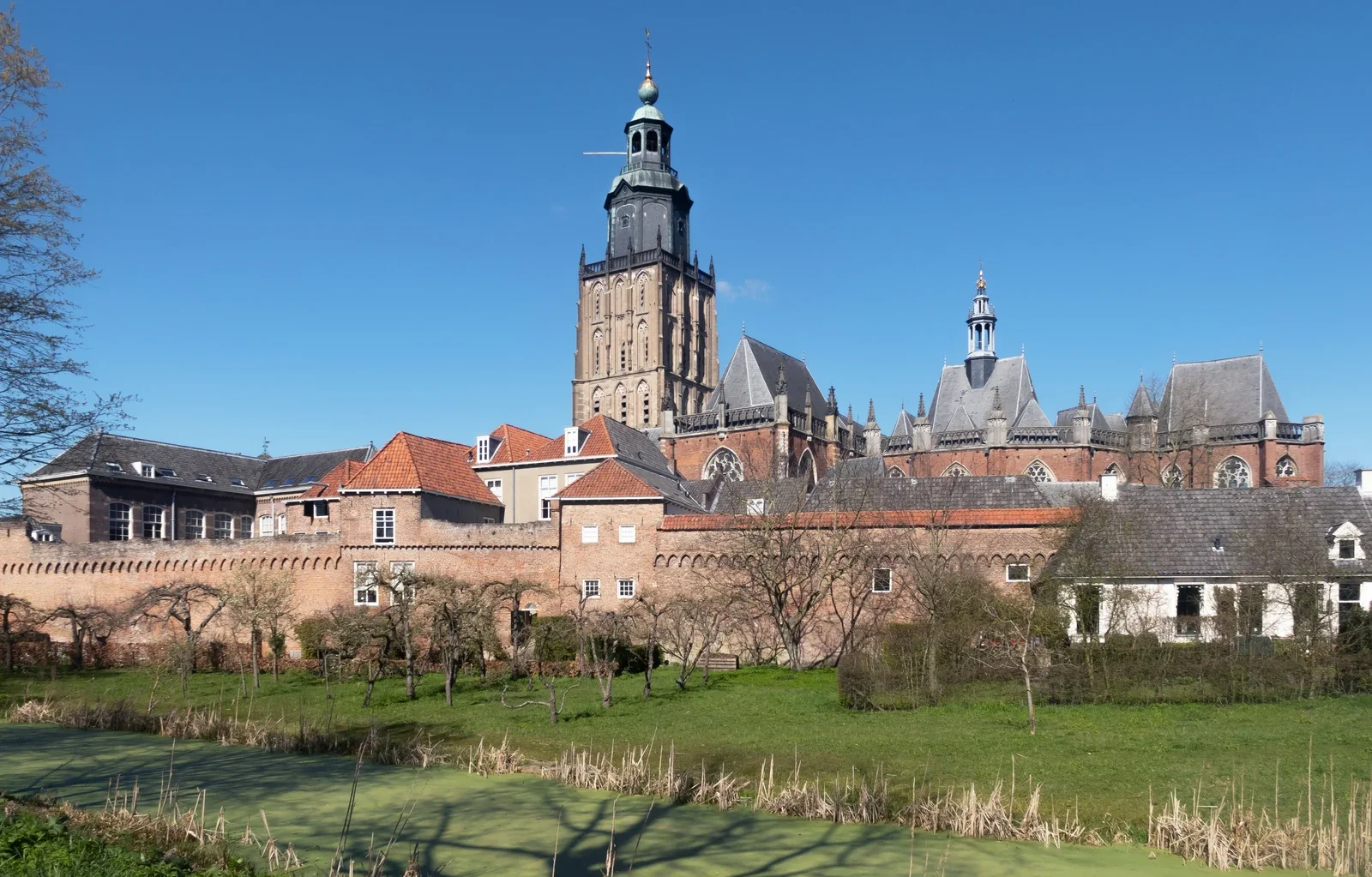
On Sunday 11 October, bock beer stalls stand at five spots in the town centre and a nostalgic parade winds through Zutphen. What else the town offers, from a chained library to tower climbs.
 AI-generated image
A krol is a soft white bun with a knot in it and enough anise to scent the kitchen when the oven opens. In Veghel and the surrounding area, it is spread generously with butter and topped with a crisp speculaas biscuit.
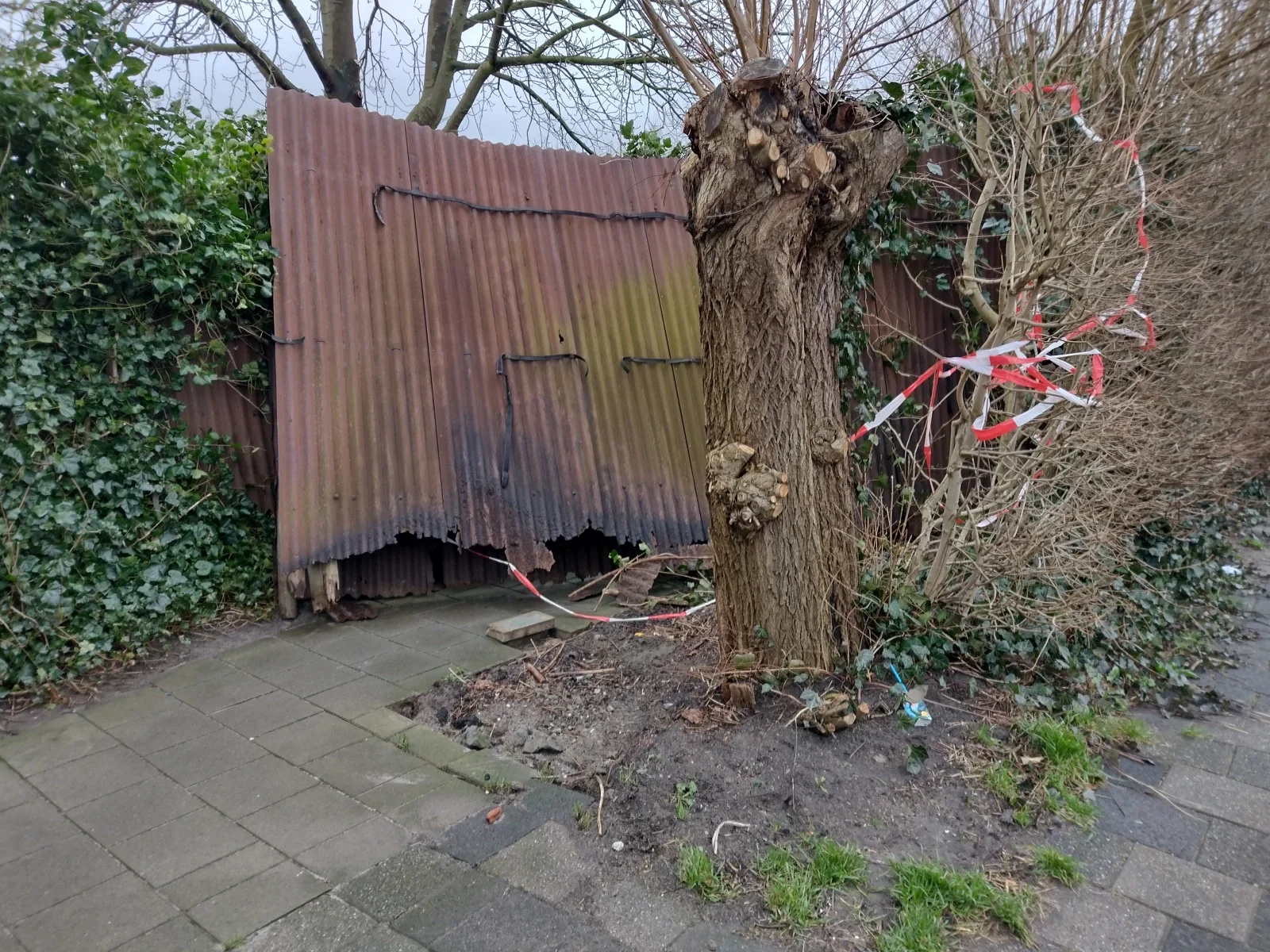
Last year a storm had already been named by 1 October; this season the list is still untouched in early October. When does a storm get a name, who comes up with it, and what lies behind the Dutch entries?
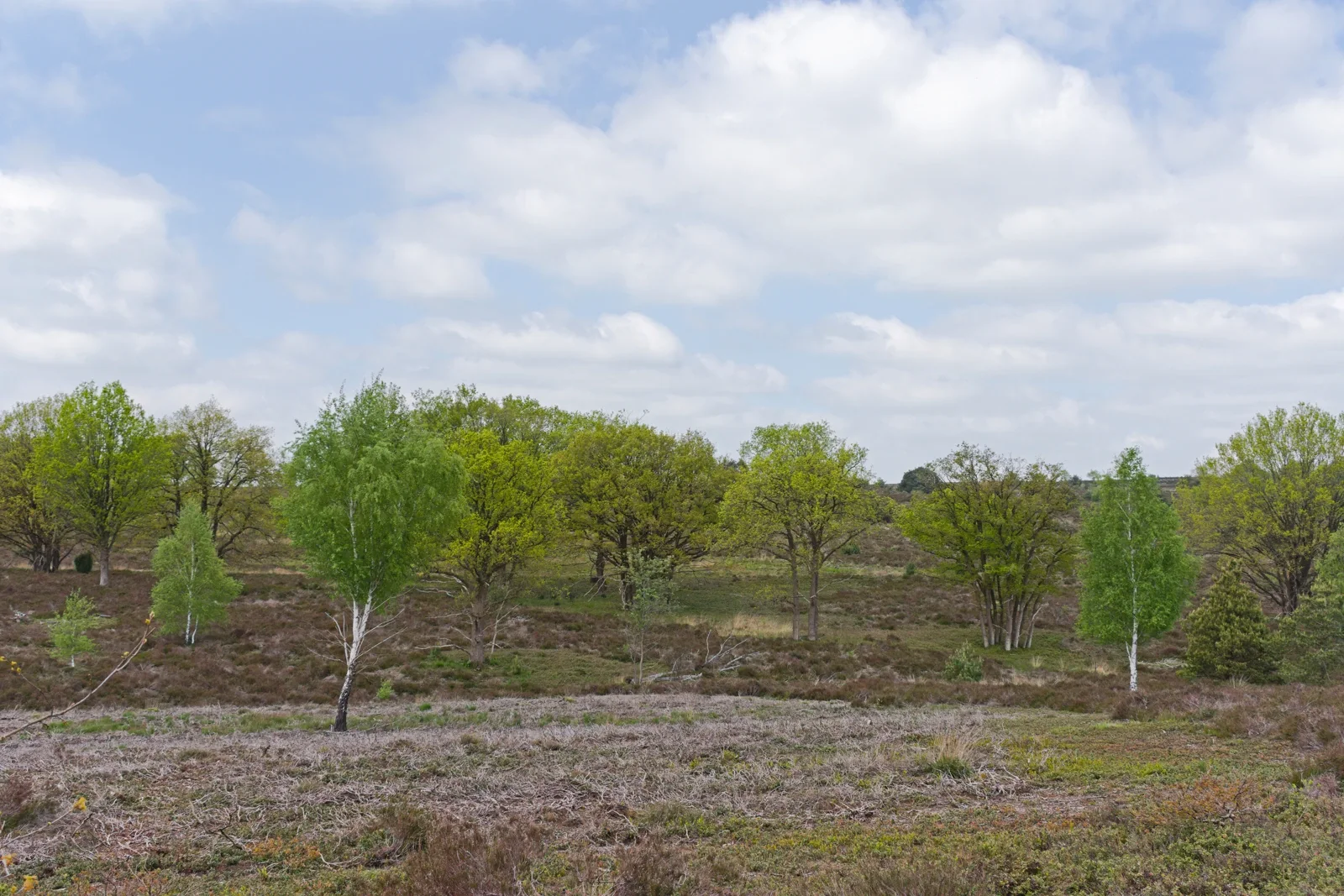
On Saturday the Beleefweek begins in Salland, Overijssel, right in the autumn half-term of region North. What makes this ridge of heath, boulders and pine forest planted for mining a region of its own, and where to start.

Rijkswaterstaat reports that the Rhine and the IJssel are lower than normal for the time of year. How a dry summer half-year works its way into the river, what you can see from the bank, and why winter water is not simply stored.
 AI-generated image
Dúmke is Frisian for little thumb, although nobody knows for sure where the name comes from. The dough goes into the fridge as a log and is then cut into slices. In this version, aniseed and ginger provide the aroma and finely chopped hazelnuts the bite.
 AI-generated image
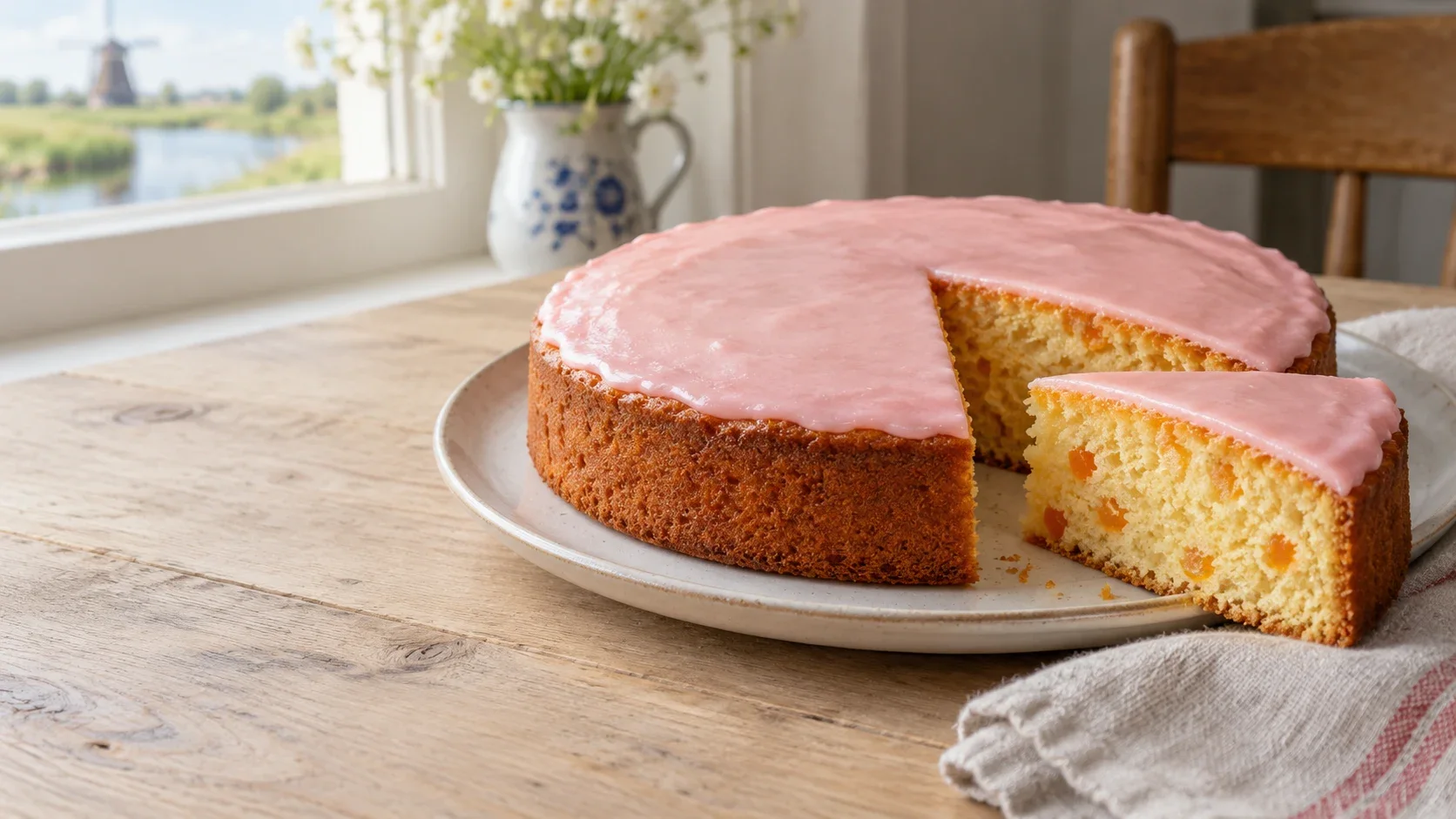
Order an oranjekoek and you get something pink. The name is hidden inside: slivers of candied orange peel baked into the batter. This home version is a flat 24 cm cake with a pinch of aniseed and an icing of icing sugar and orange juice.
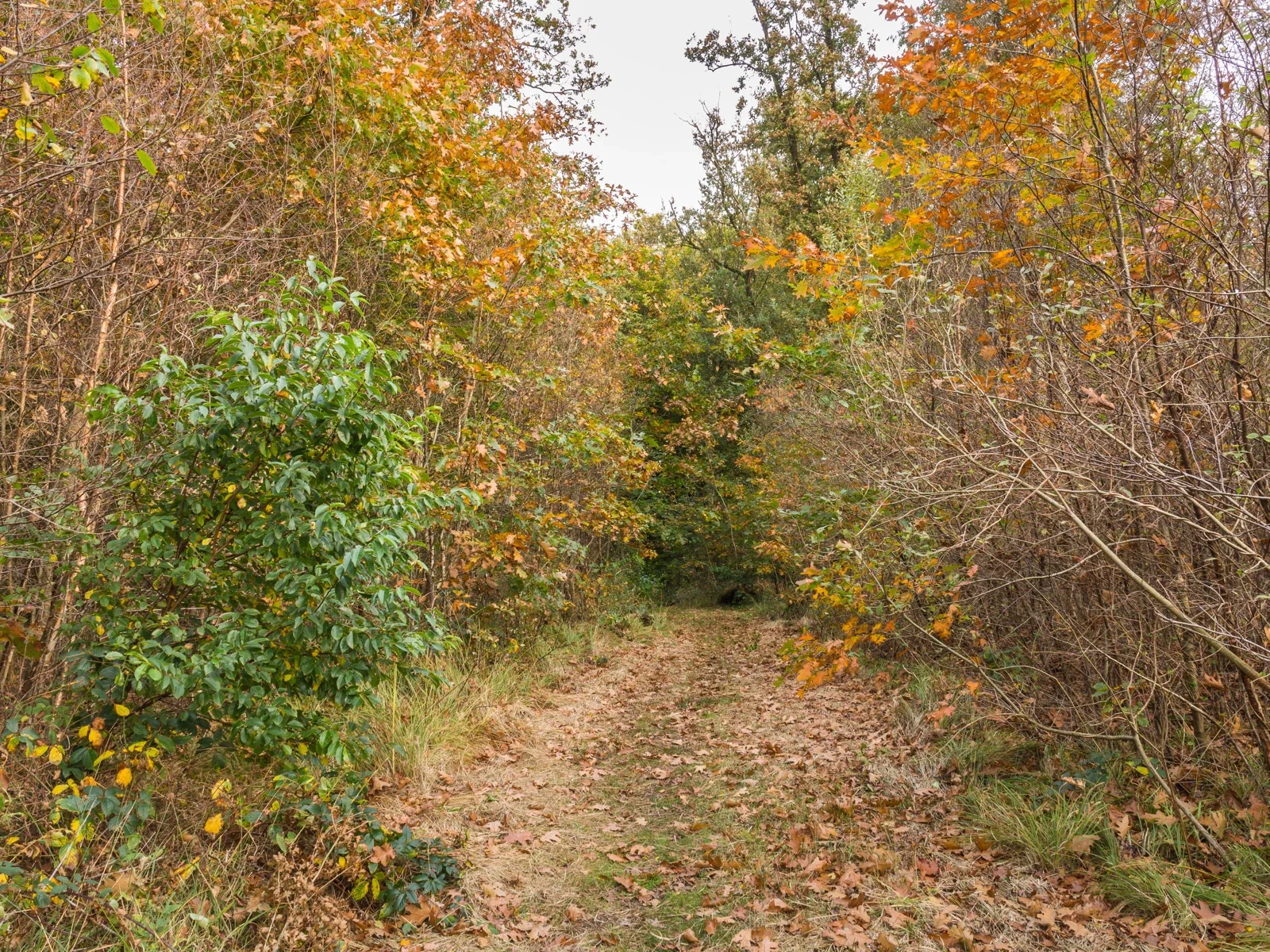
Region North has the autumn holiday first, from 10 to 18 October. Middle and South follow from 17 to 25 October. Which region are you in, and why can your school deviate?
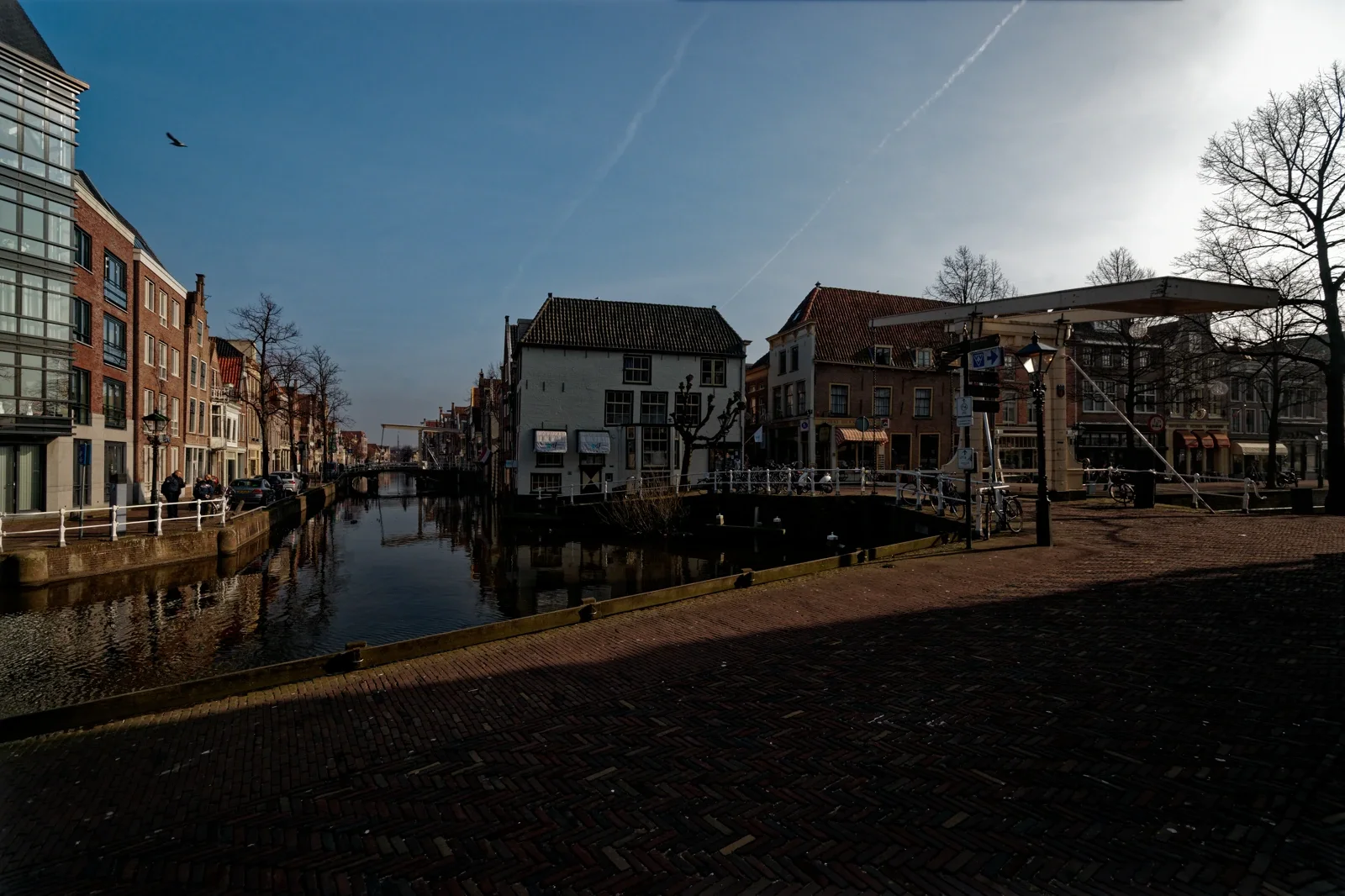
On Thursday, Alkmaar celebrates the day the Spanish army left in 1573. How breached dykes turned into a city festival, and what you can see and taste in the city centre on 7 and 8 October.
 AI-generated image
You taste nagelkaas straight away: cloves and cumin are in the cheese itself. In this oven dish it melts between thin slices of potato and soft leek. That is why the rest of the seasoning stays modest: a clove of garlic, a pinch of nutmeg and some pepper in the milk.
Redactie Holland Magazine · 4 October 2026
 AI-generated image
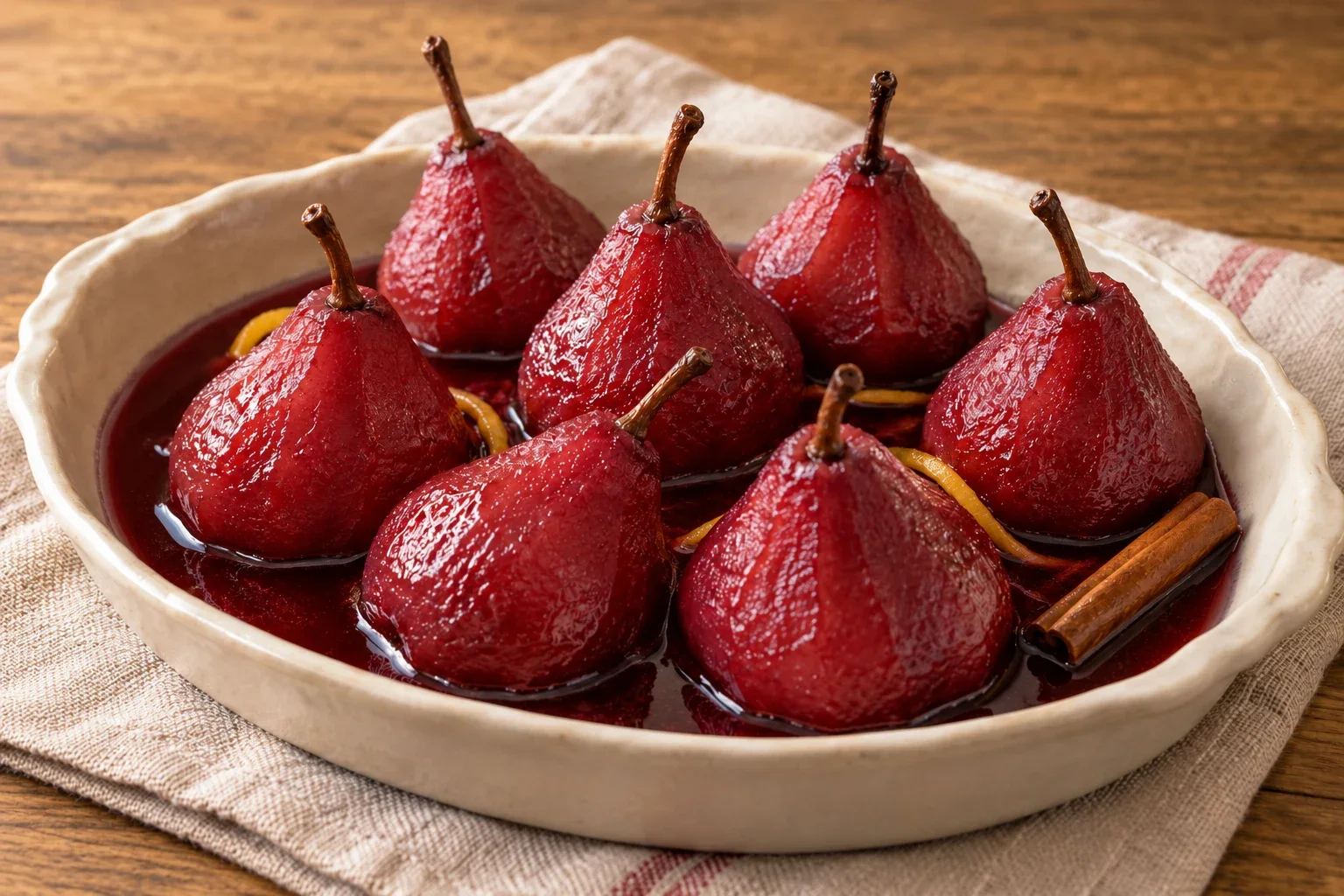
A cooking pear does not soften on its own; it needs hours in the pan. A spoonful of apple and pear syrup gives the liquid a dark, fruity depth. The longer the pears stew, the redder they become.
 AI-generated image
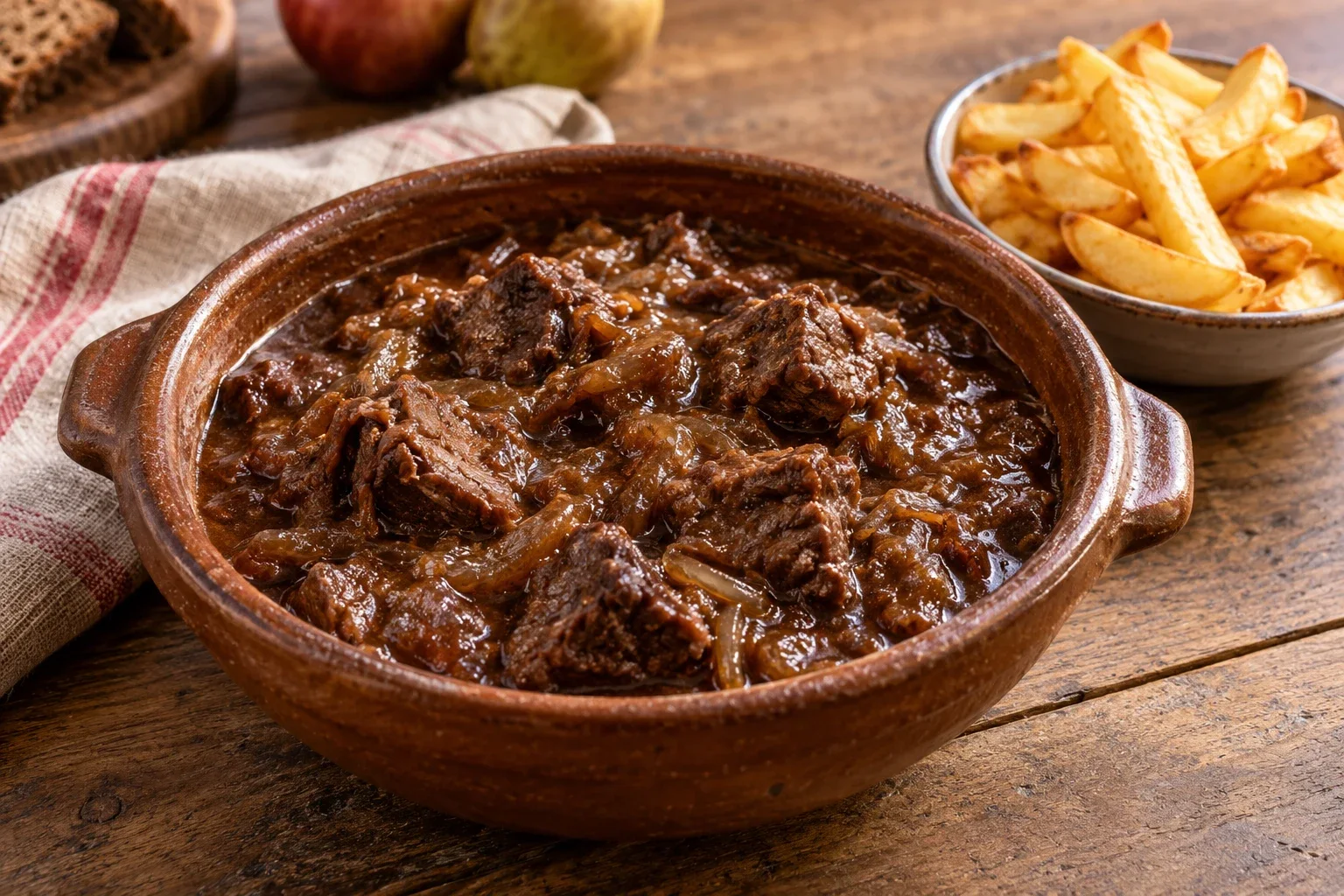
The vinegar does its work overnight in the fridge. Then the meat braises gently for hours until gingerbread and syrup thicken the sauce and turn the sourness into something deeper. Taste it and you look for the sour, but mostly find sweetness.
 AI-generated image
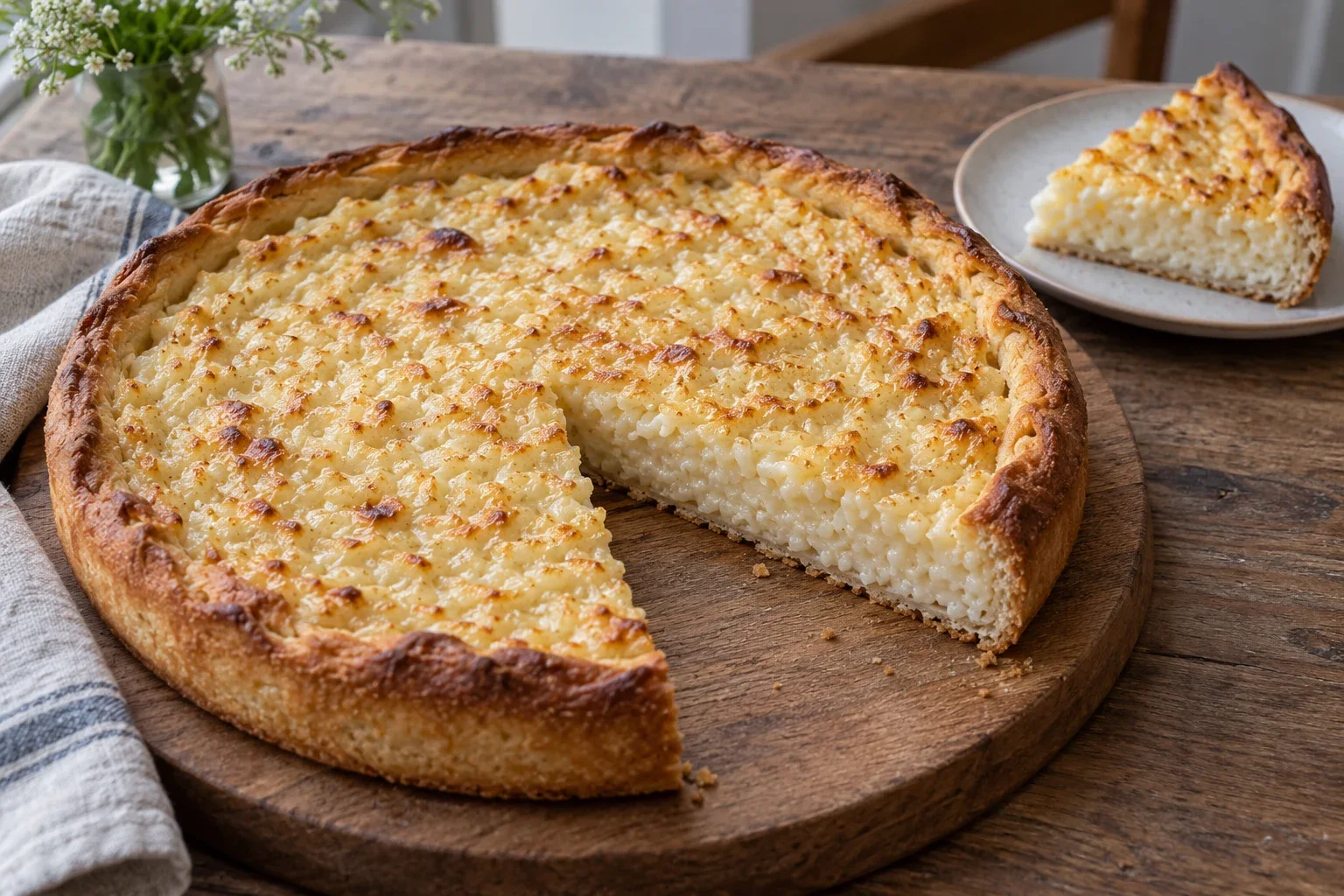
First the rice slowly turns into pudding in the milk; then it goes into the oven on a thin base of yeasted dough. The result is a creamy vlaai with a firm crust you can eat from your hand if need be, saving the crust for last.
Holland Magazine editorial team (Dutch)
Holland Magazine editorial team (Dutch)
Holland Magazine editorial team (Dutch)
 AI-generated image
The runner beans remain visible here: fine green strips through roughly mashed potatoes, with soft fried onions on top. A small spoonful of mustard gives the mash a little bite.
 AI-generated image
You do not need an oven for these thin wafers. A small ball of dough goes between the hot plates; a few minutes later, a light-brown biscuit is resting on the rack.
 AI-generated image
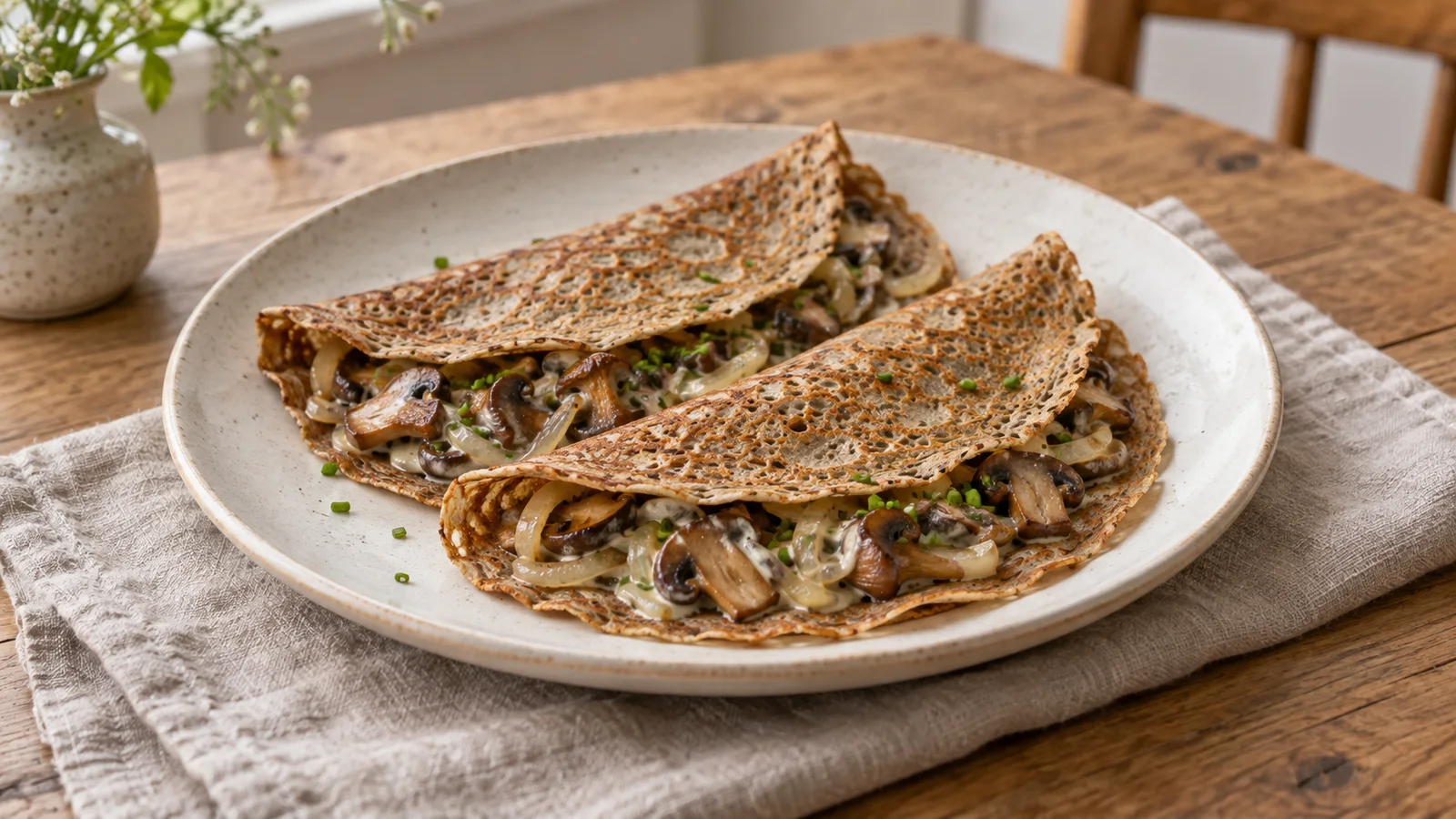
No syrup today: these thin pancakes are filled with fried mushrooms and a spoonful of crème fraîche. Buckwheat gives the batter an earthy flavour; the wheat flour helps when you turn the pancakes.
 AI-generated image
The burgomaster’s trousers begin to smoke. The council sets out to find a solution that requires nobody to stand up.
 AI-generated image
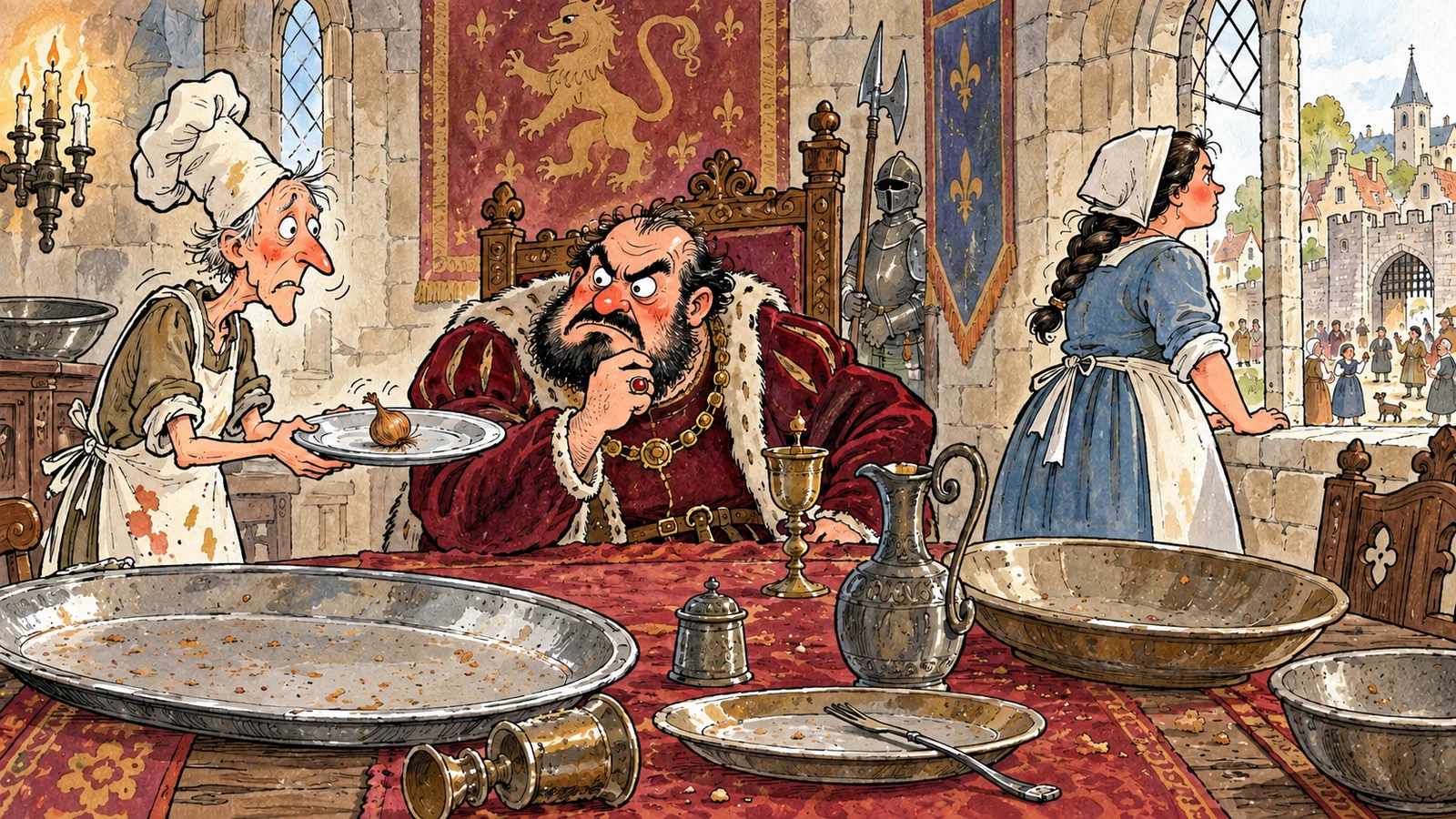
The lord of the castle has made his subjects pay one time too many. Emma may leave with whatever she can carry herself.
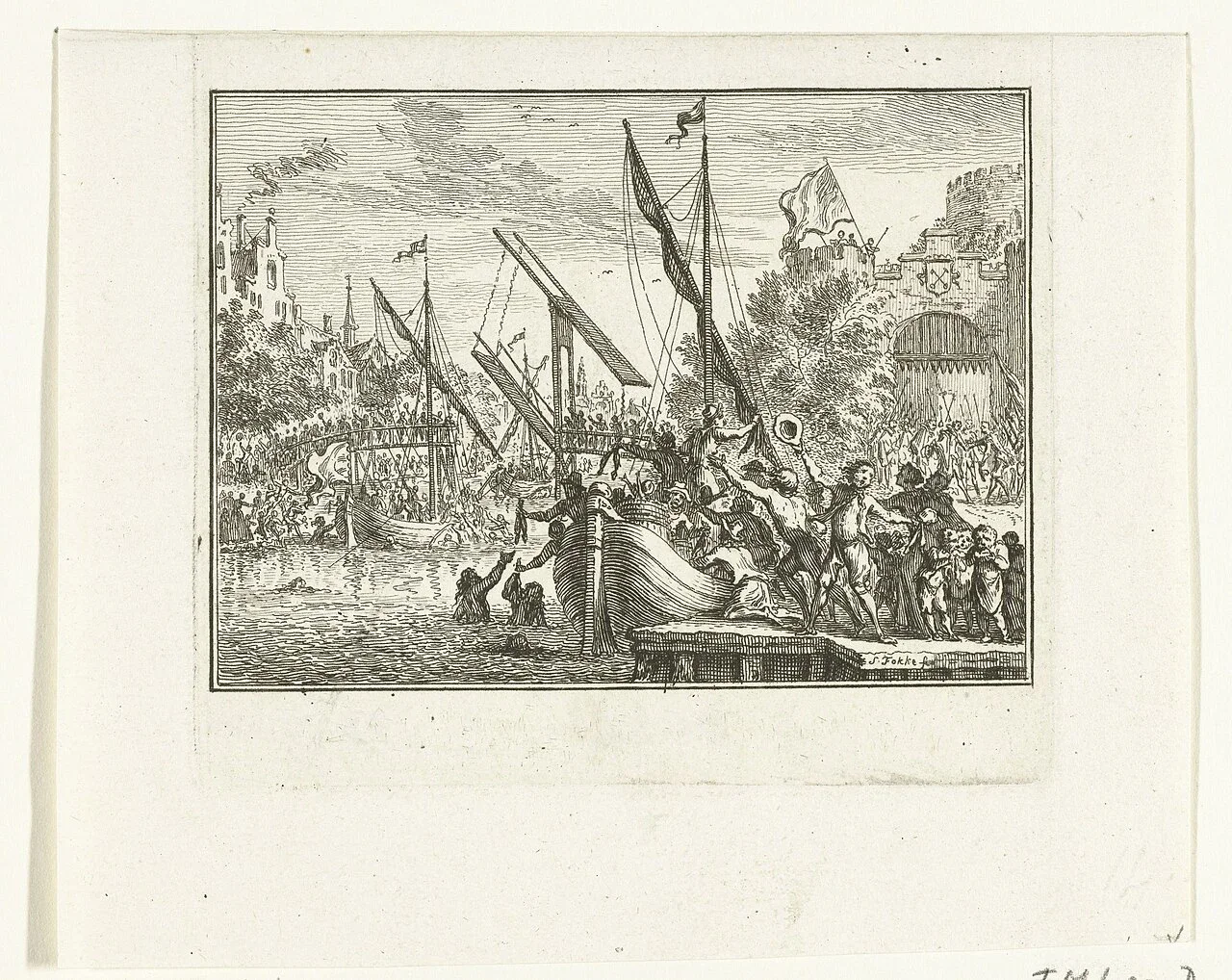
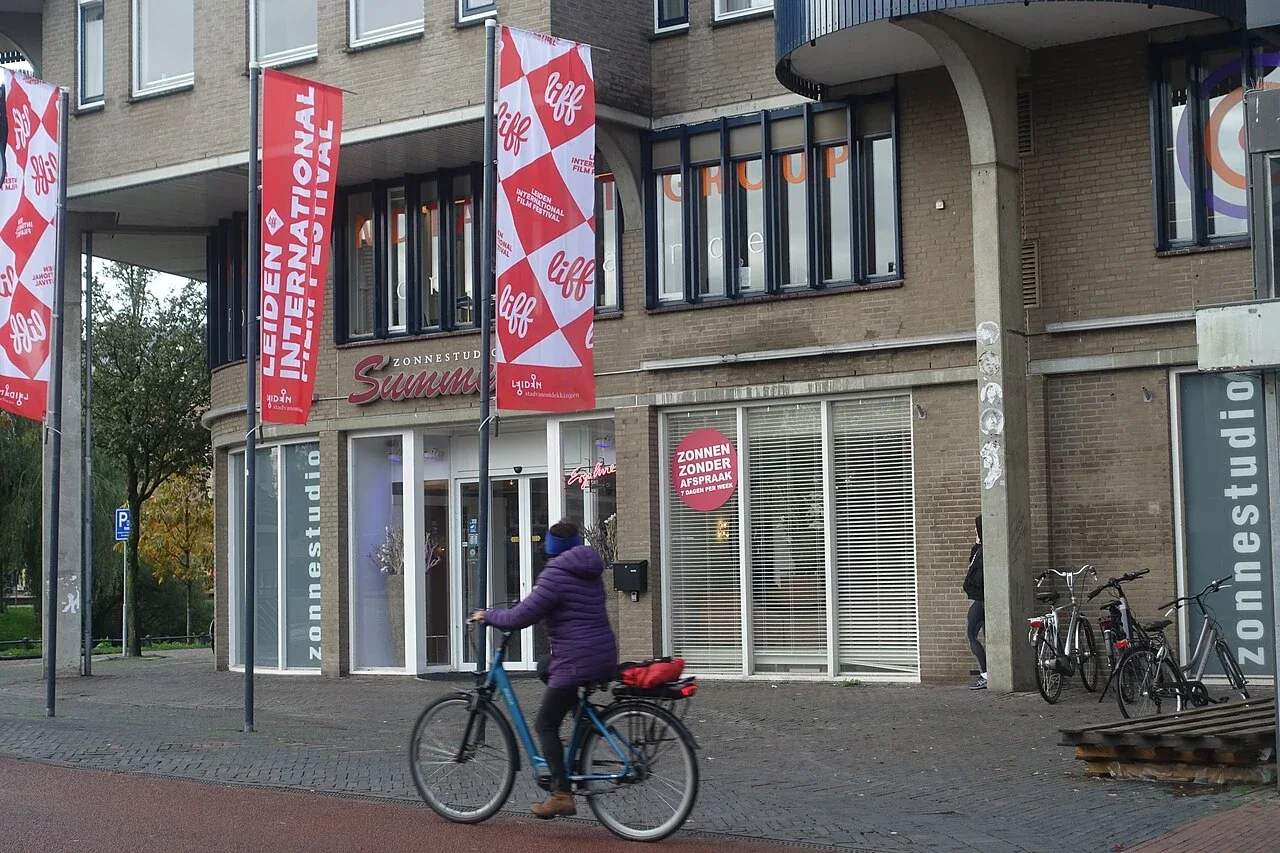
On 3 October, Leiden celebrates its liberation in 1574. Outside the city walls, the same event tells a different story: that of farmers who watched their land disappear under water.
 AI-generated image
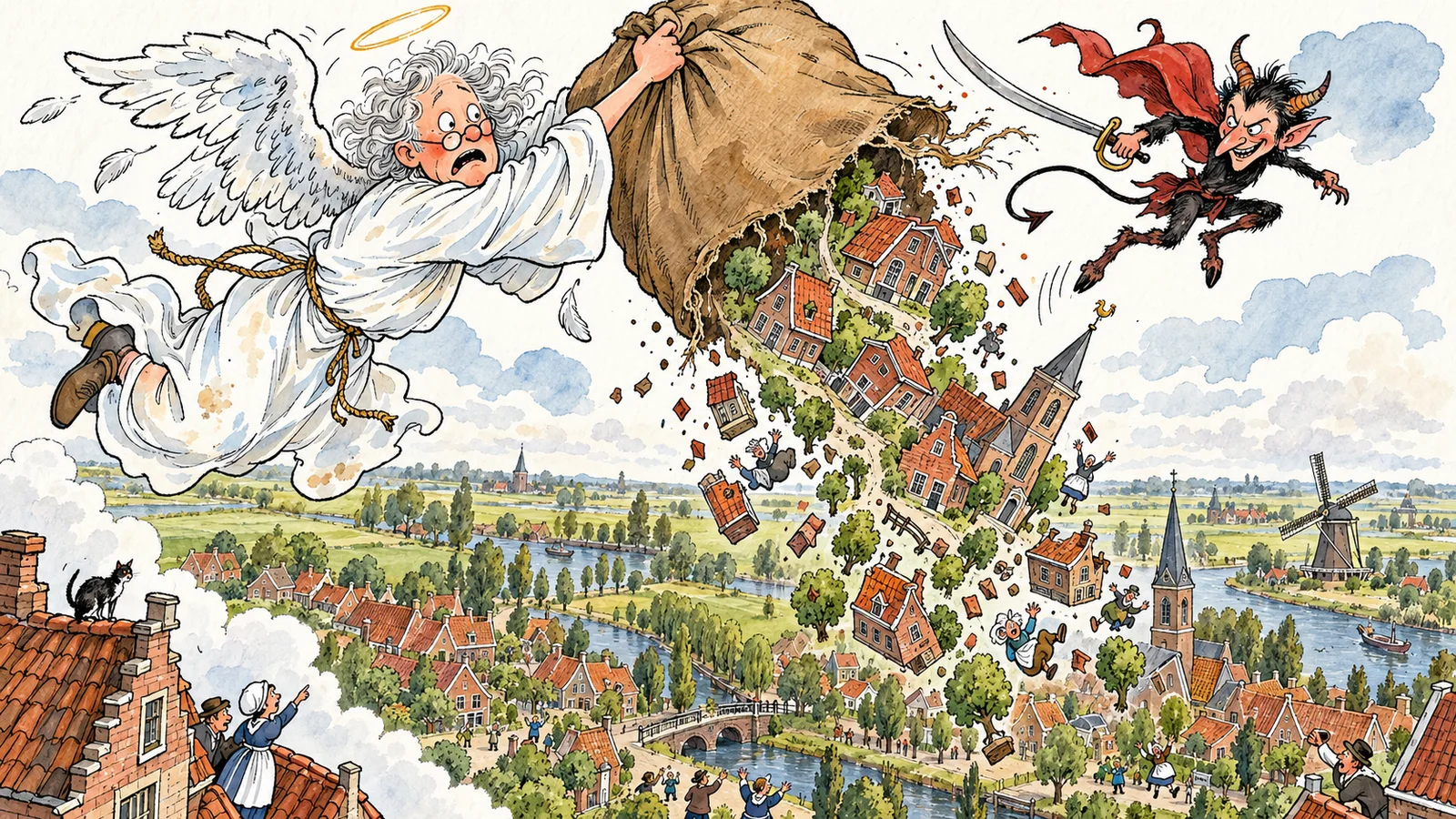
Gabriel has measured Limburg out neatly. The devil has a sword. And the residents have ideas of their own.
 AI-generated image
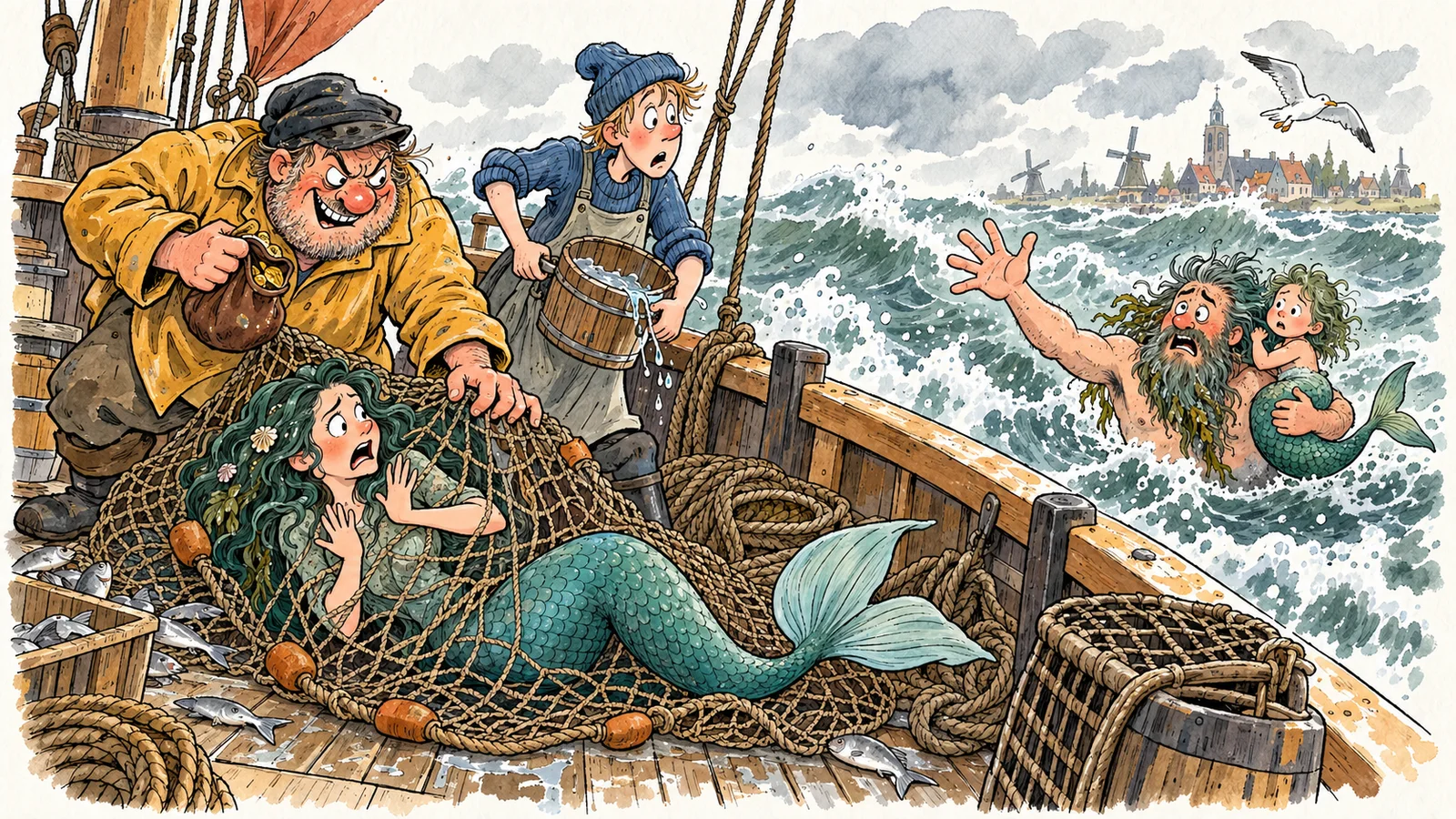
Skipper Job catches something that isn’t his. He sees even grief at sea as a business opportunity.
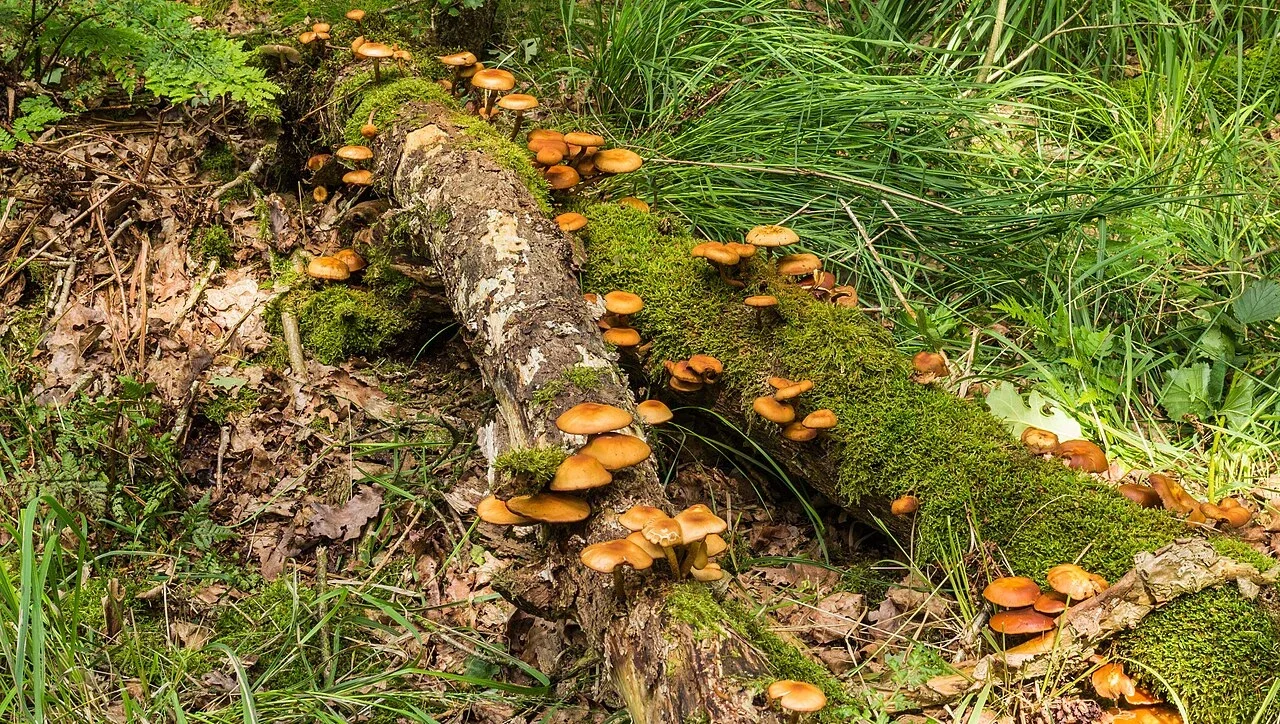
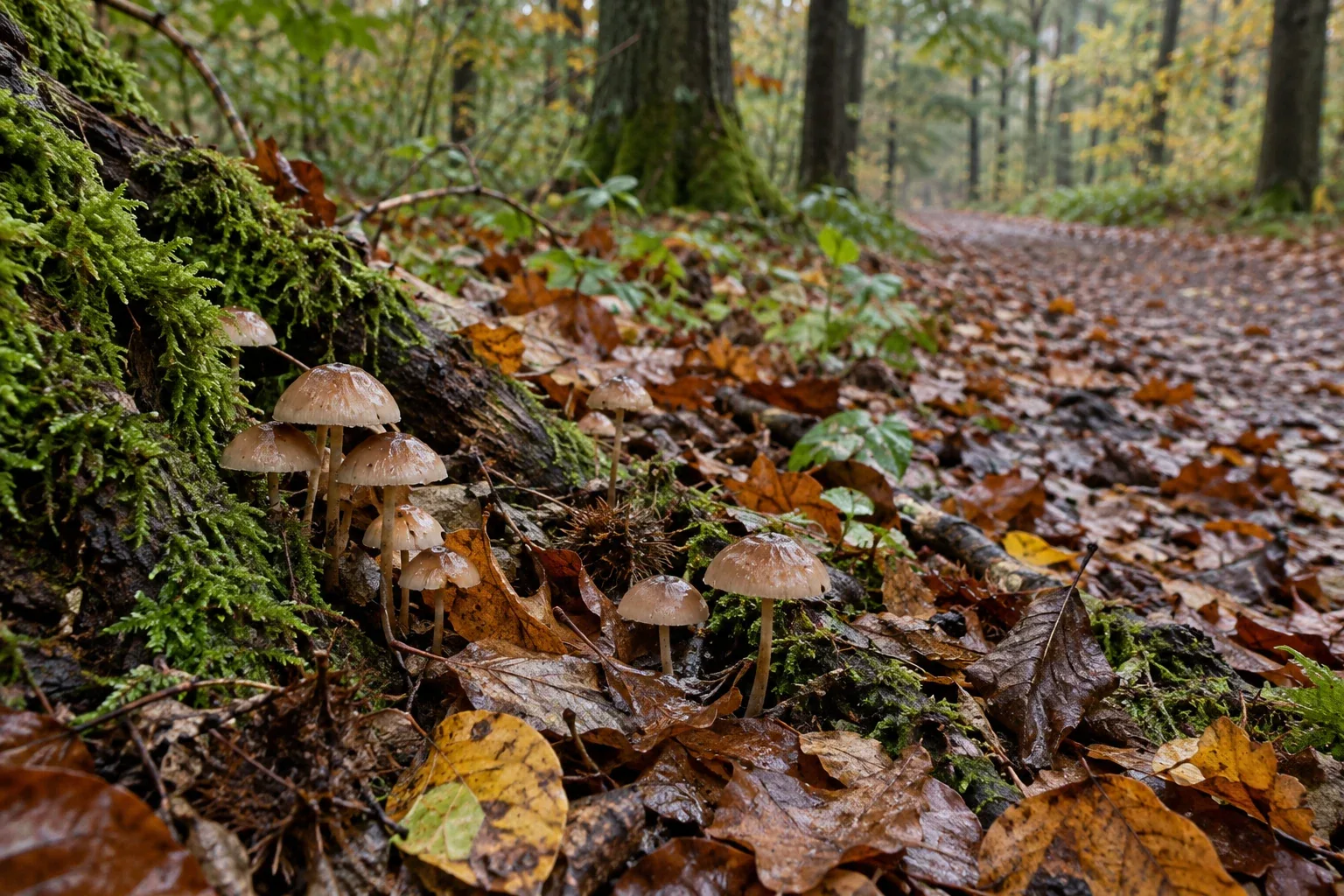
A mushroom seems to shoot out of the ground overnight. The fungus it belongs to was often there already. In autumn, a hidden part of the forest shows a visible face.
Since 16 September, all traffic heading for the Maasvlakte has been driving on the hard shoulder. What a main girder does, what Rijkswaterstaat says about the cracks and how traffic is being diverted.
On Tuesday 6 October, Rijkswaterstaat will close the barrier between the Ketelmeer and the Zwarte Meer as a test. How three rubber bellows form a dam 10 metres high, and what the major maintenance achieved.
Oil washed ashore from Westkapelle to Vrouwenpolder, on Noord-Beveland and in Zeelandic Flanders. What kind of oil it is, who cleans the beach, and how discharges at sea are tracked down.
After a cool Thursday, weather services expect days of 20 degrees or more. What an Indian summer is, how the warm air reaches us, and why the North Sea is only at its warmest in August.
The astronomical autumn began on 23 September at 2.05 a.m., while meteorologists have been counting autumn since 1 September. How that works, and why day and night are not exactly the same length at the equinox.
National government and the region want to keep areas behind the dykes free for measures after 2050. What such a reservation means, and what the Maas learned from 1995 and July 2021.
The Dutch cabinet is exploring cooperation with Italy on the underground telescope. What is the Einstein Telescope, what makes the ground in the border region suitable, and who decides?
From September onwards, stags on the Veluwe battle noisily for the hinds. Natuurmonumenten calls the second half of September the high point of the rut.
This autumn, Otterlo is showing all 88 Van Gogh paintings from its own collection at the same time, where normally some thirty to forty are on display. The exhibition is arranged around the themes of faith, hope and love.
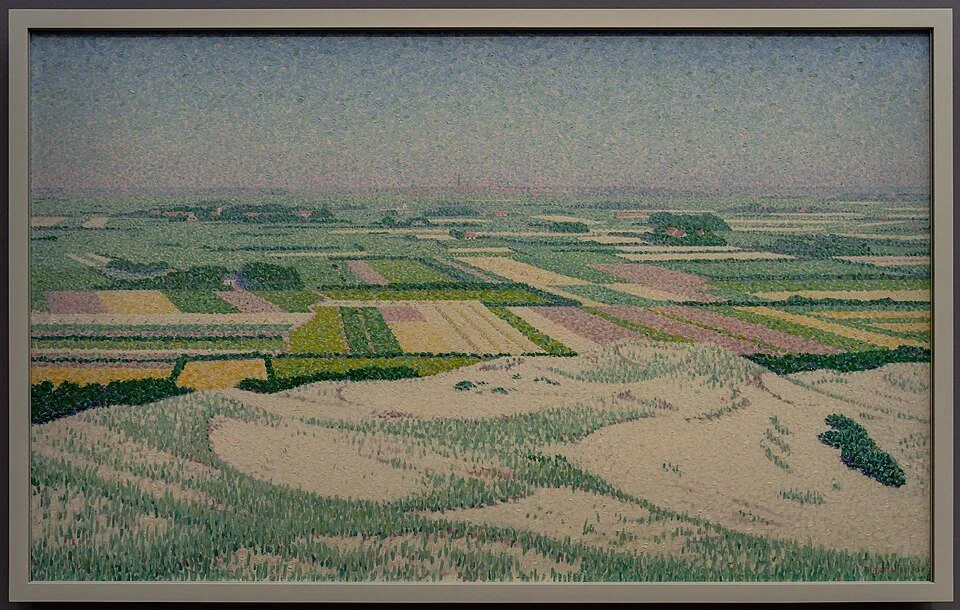
In Zeeland, a village road sometimes runs over a gentle rise while the meadow beside it lies lower. That rise is a creek ridge: sand left behind by a tidal channel.
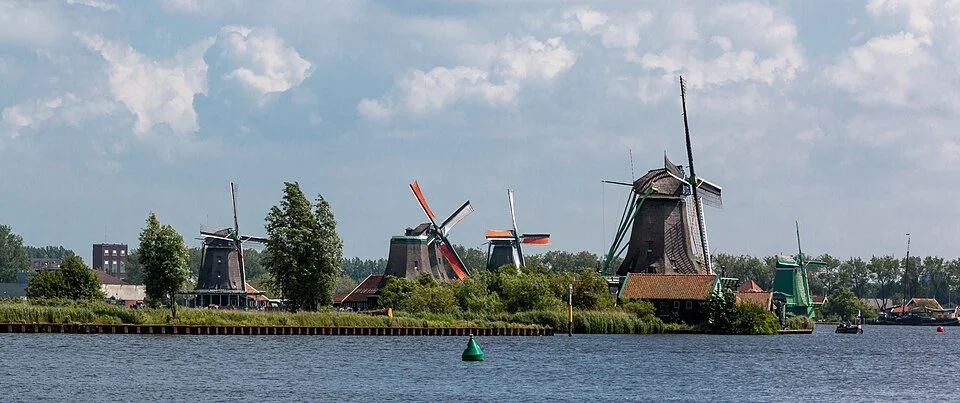
The green wooden façades look like a seventeenth-century village. Most of the buildings have stood here only since the 1960s.
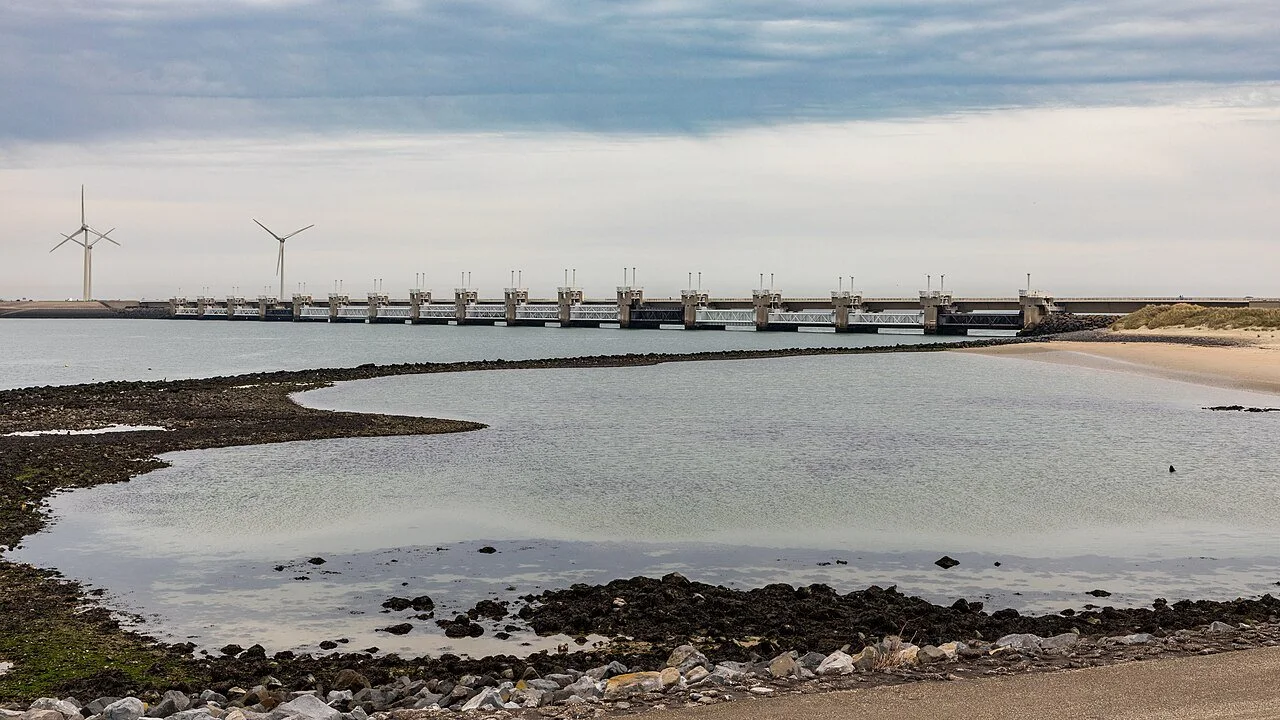
A barrier that is almost always open may sound like a job half done. In Zeeland, that is the essence of the design.
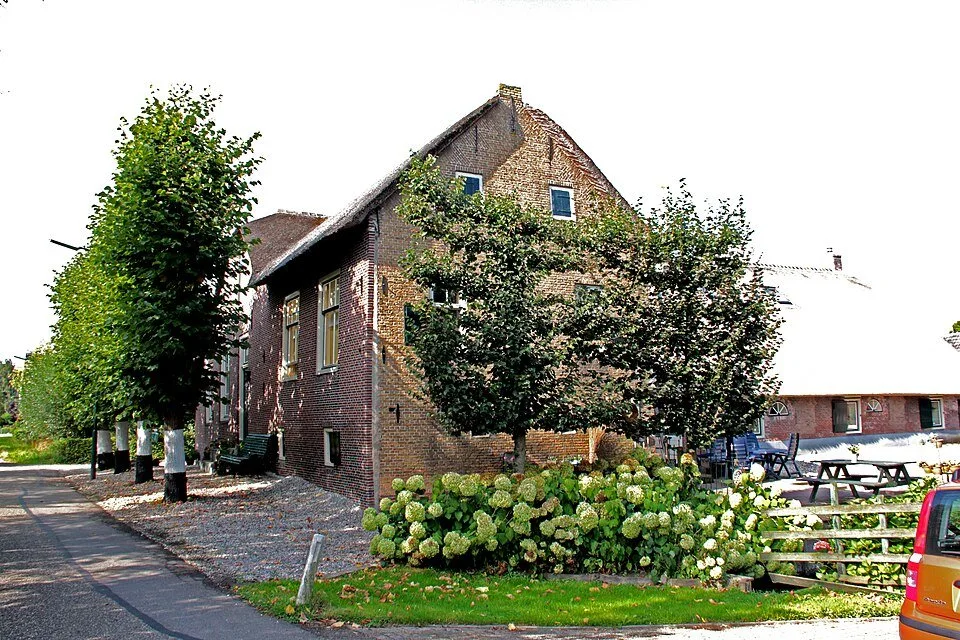
Walk into a Dutch street and the numbers alternate: 1 opposite 2. That is not carelessness. It is a late-nineteenth-century way of making a house easy to find.
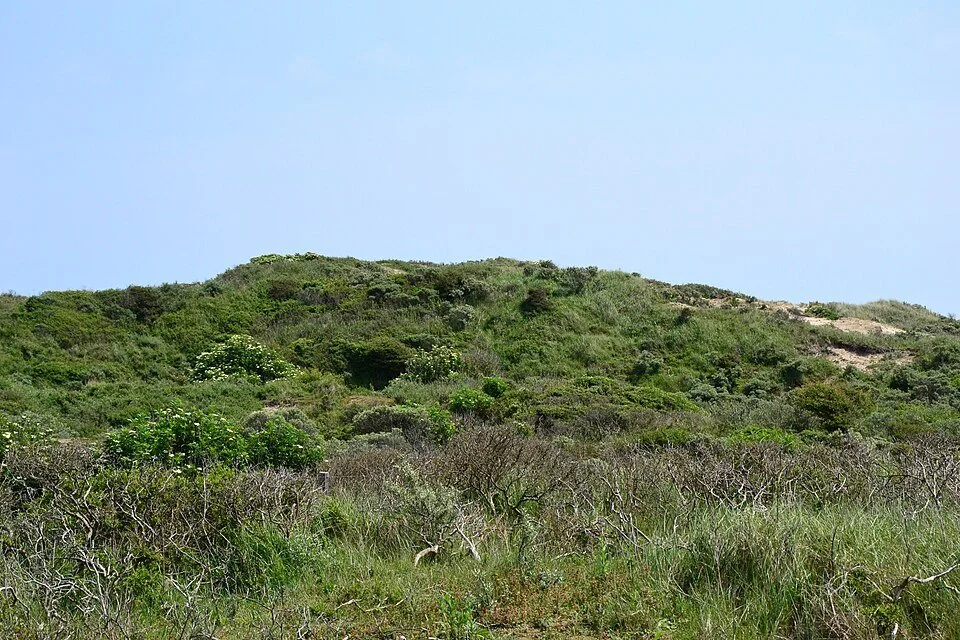
Beneath the sand of the Dutch coast, fresh water lies on top of salt water. Drinking-water companies use this reservoir as both a filter and a reserve.
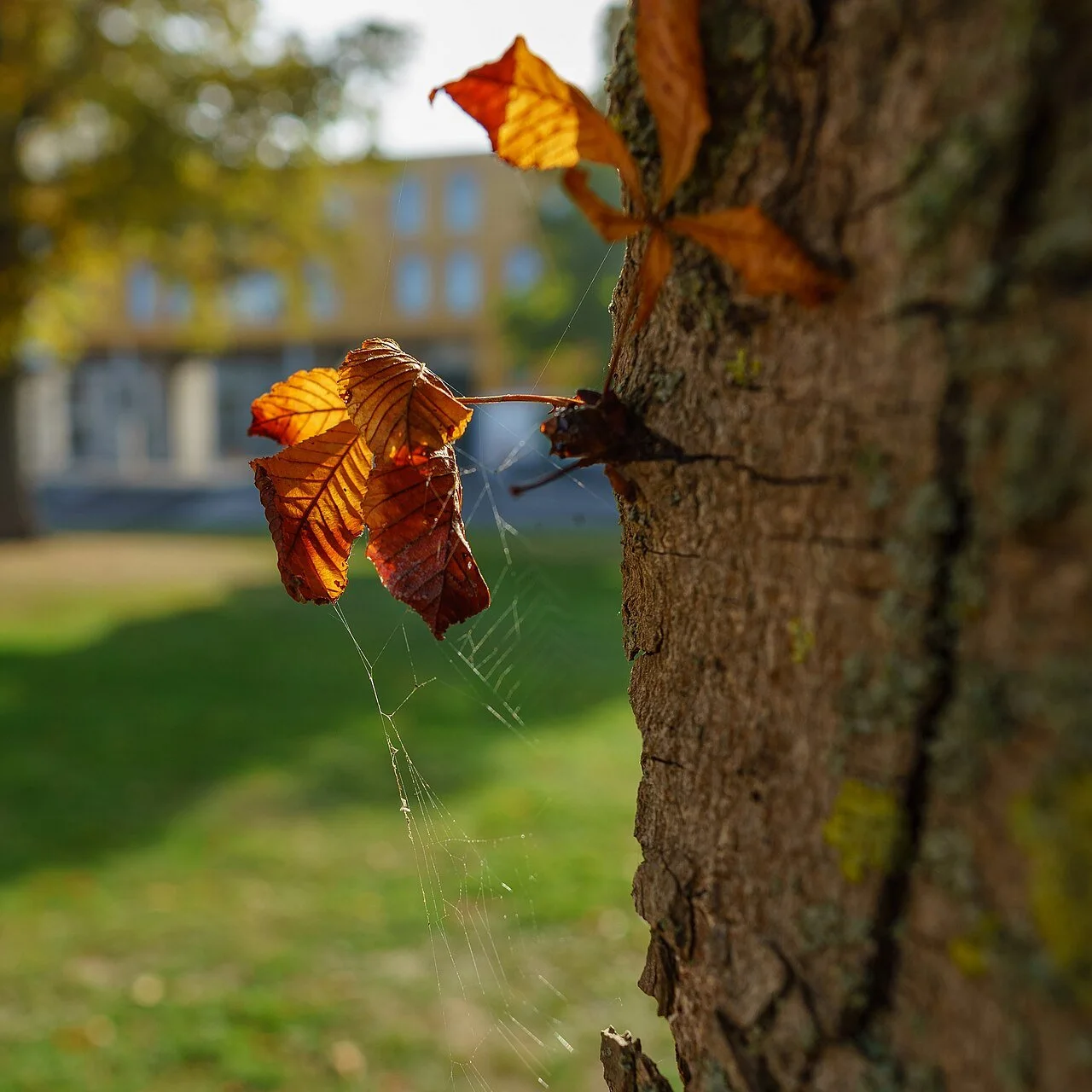
Yellow and orange are present in the leaf for almost the entire year. You only see them when the green disappears.
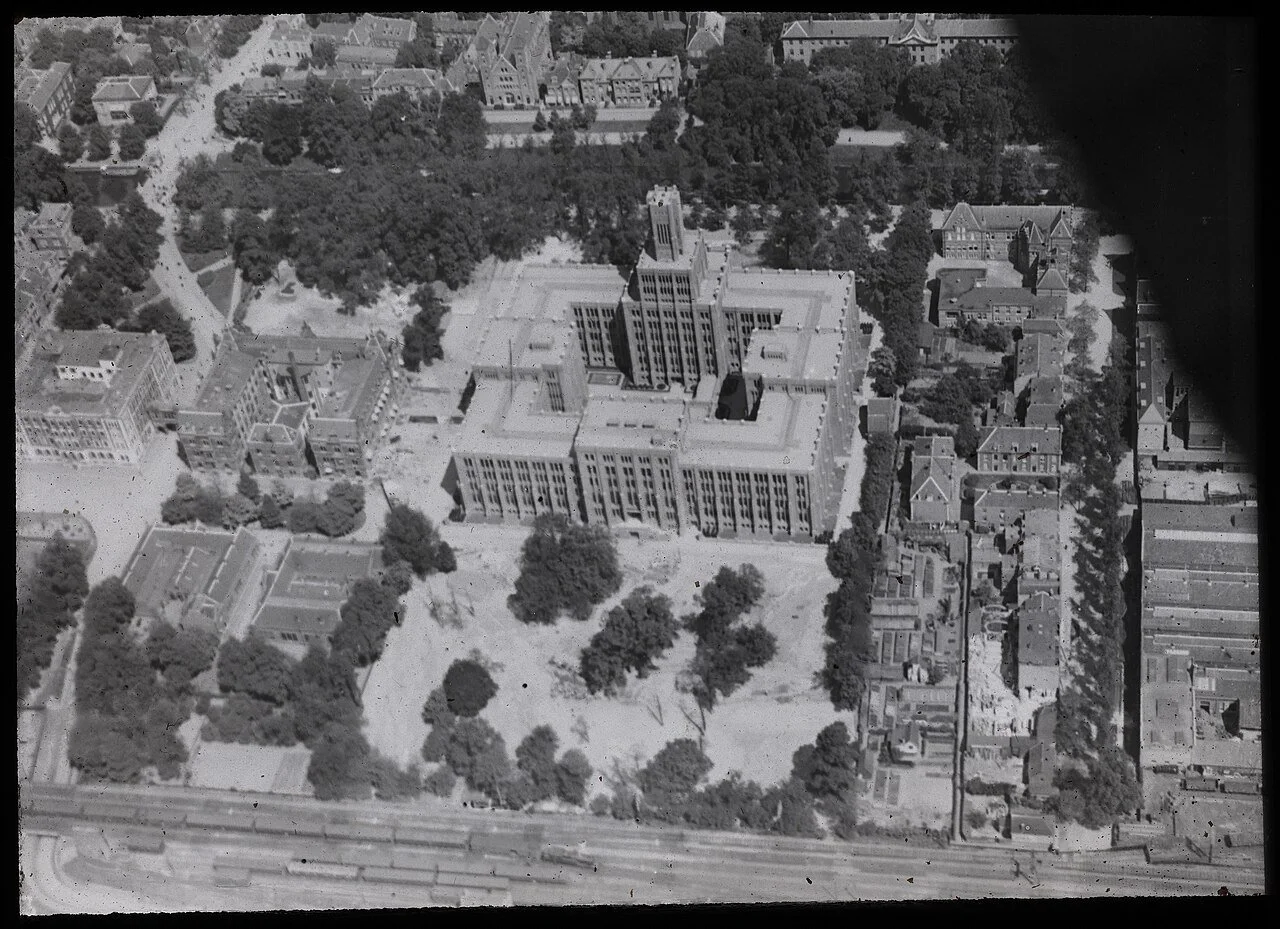
In the evening, the air changes as soon as the buildings become denser. Stone has stored the sun’s heat during the day and releases it slowly.

The coloured image on your phone is not a bucket sitting on the grass. It is an echo high in the atmosphere, converted into an estimate of rain.
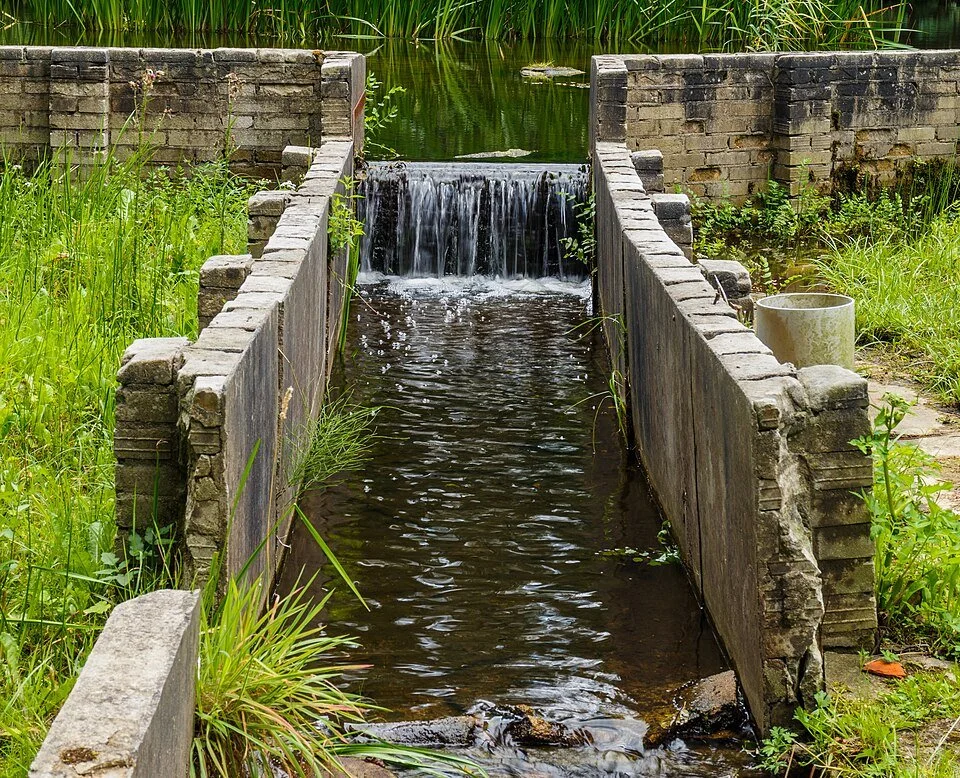
Among the trees near Marknesse lie concrete basins and winding channels. This is not an ornamental park pond. They are scale models of hydraulic works.
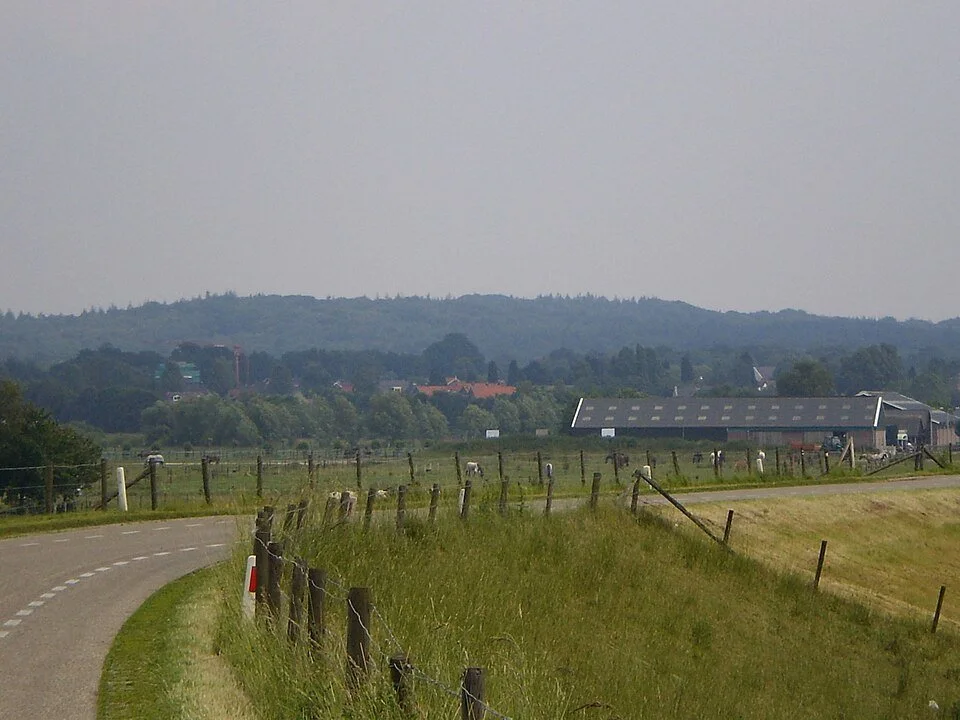
Between the Gooi and Rhenen lies a sandy ridge above the peat and river clay. The Gelderse Vallei beside it is the hollow left behind by the ice.
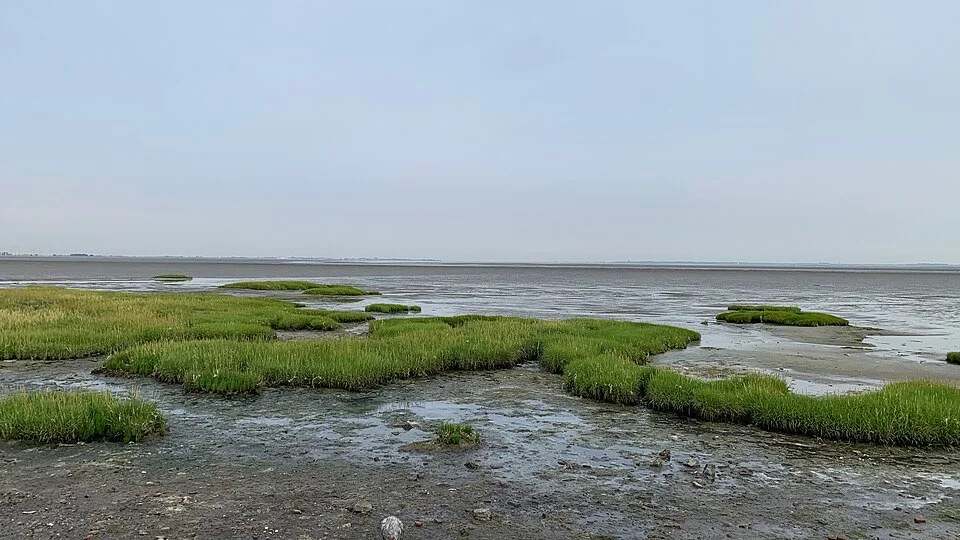
Forget the gates in the storm surge barrier for a moment. The tide itself covers and exposes mudflats, tidal flats and salt marshes — and with them the birds’ food supply.
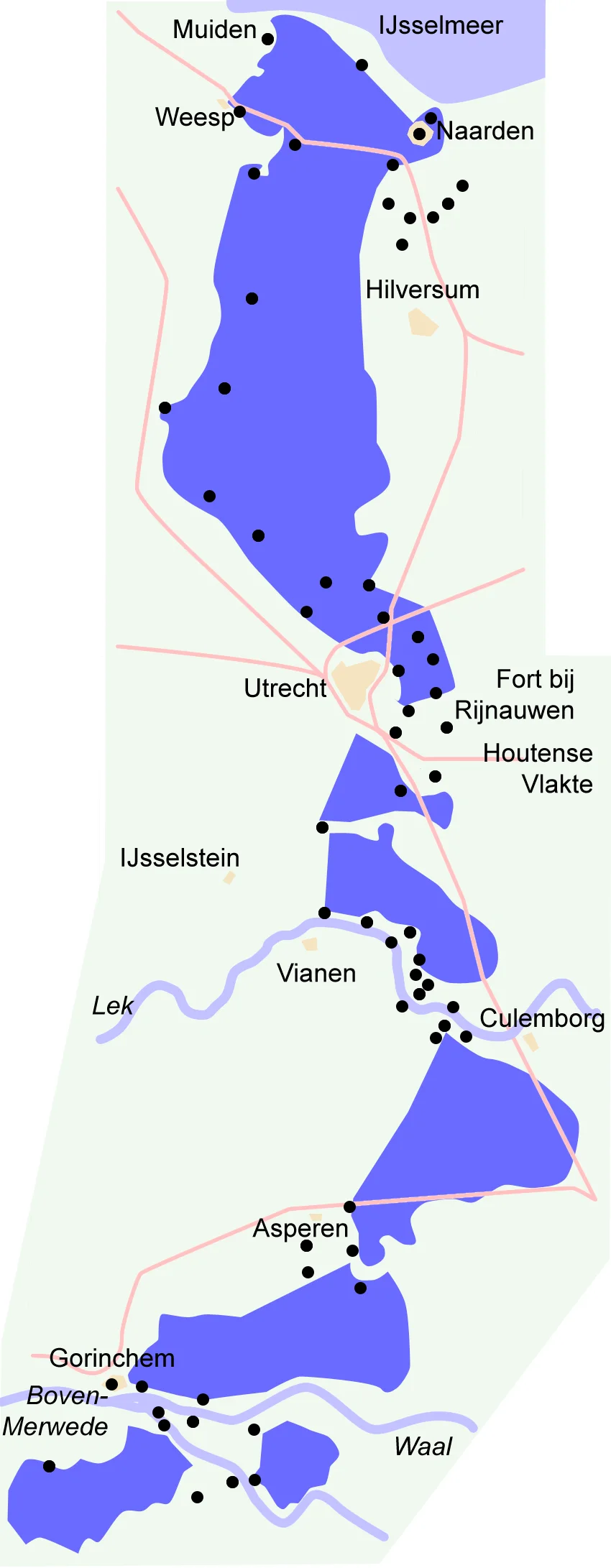
East of Utrecht lies more than an ordinary river dyke. There is an old agreement embedded in the landscape: in wartime, let the land flood so that an army would become bogged down in the water.
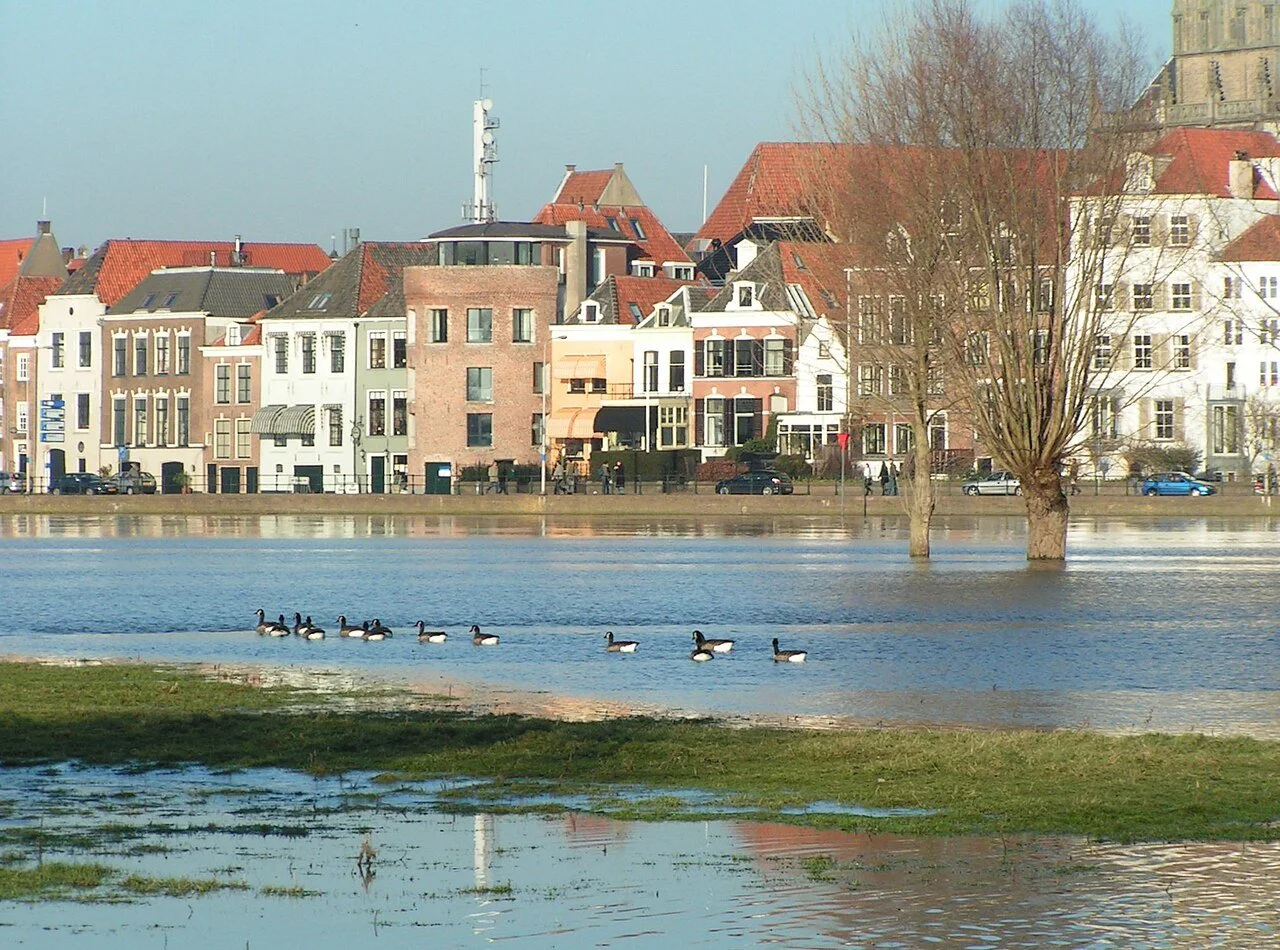
The IJssel winds right past the city. When the water rises, it has to go somewhere. That is why channels run through the floodplains.
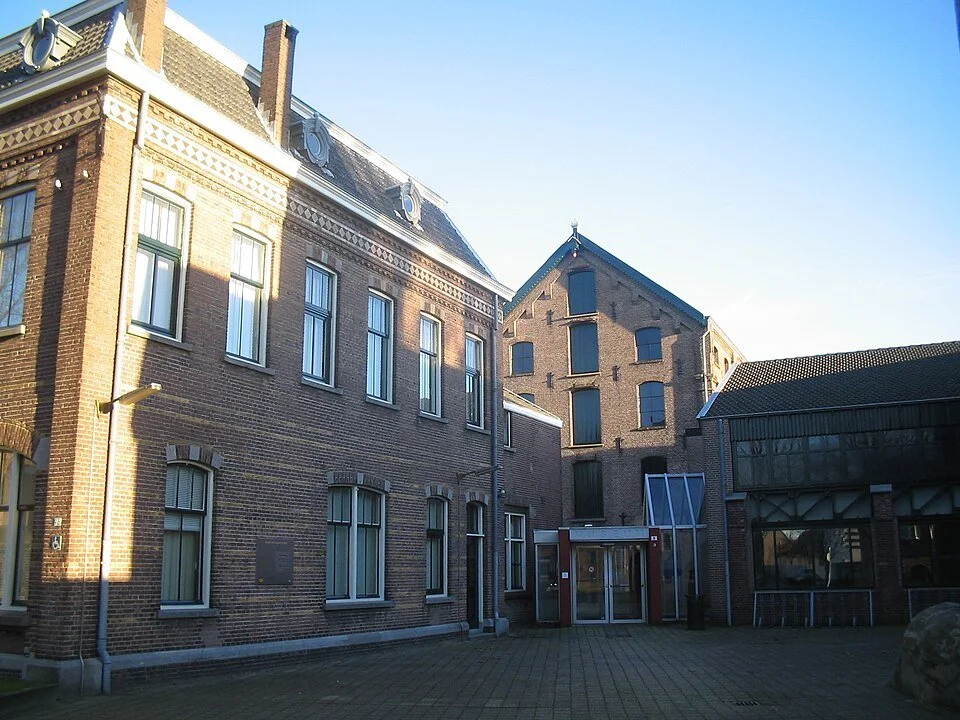
Tilburg was a wool city. The TextielMuseum does not merely preserve samples. It shows the machines that turn thread into cloth.
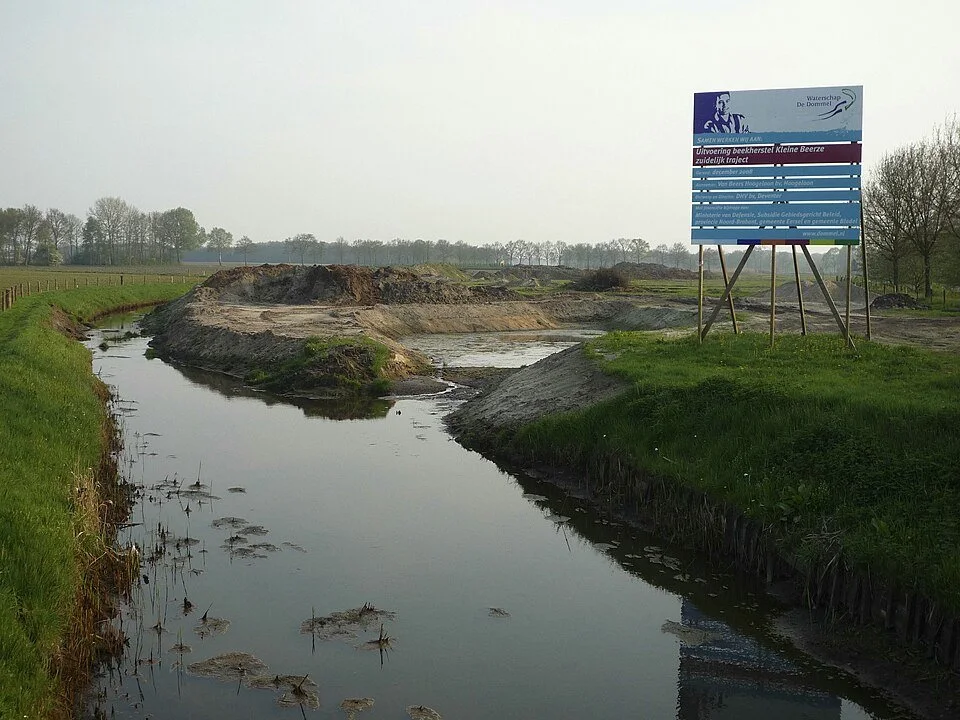
Many Dutch streams were straightened to drain water quickly. Stream restoration gives some of those bends back.

When cities still used their own local time, arranging to meet somewhere farther away was less straightforward than it is today. The railway made a common clock urgently necessary.
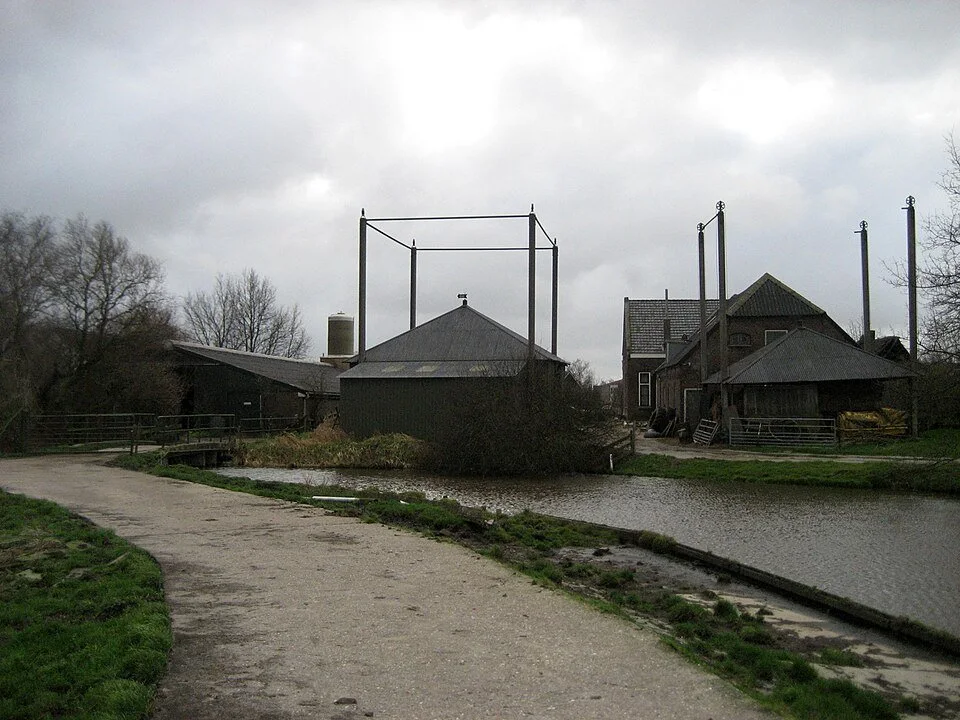
Between Gouda, Woerden and the Nieuwkoopse Plassen lies land that feels soft and is slowly sinking. This is peat meadow: grass growing on an ancient marsh.
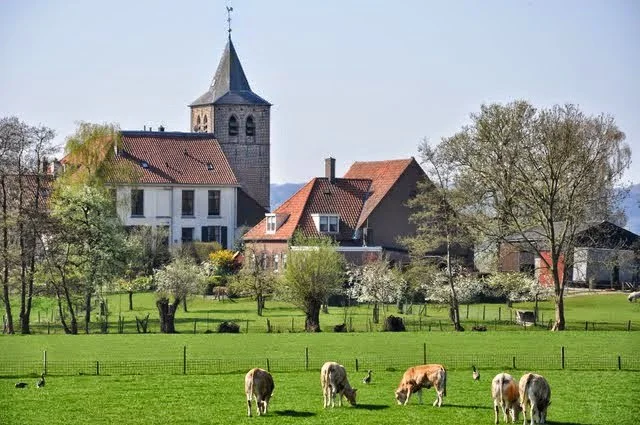
East of Nijmegen, the push moraine rises steeply above the Waal. In the adjacent Ooijpolder lie low sandy rises. That is a different kind of sand.
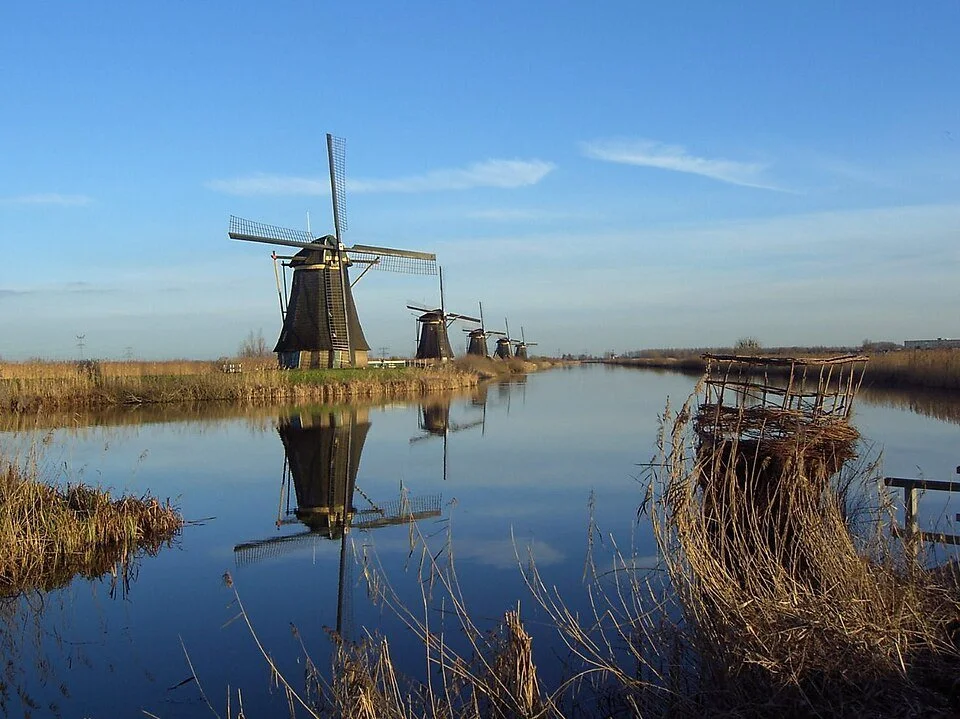
Nineteen windmills in a row make the picture. UNESCO protects something larger: polders, storage basins, pumping stations and sluices that work together to lift water upwards.
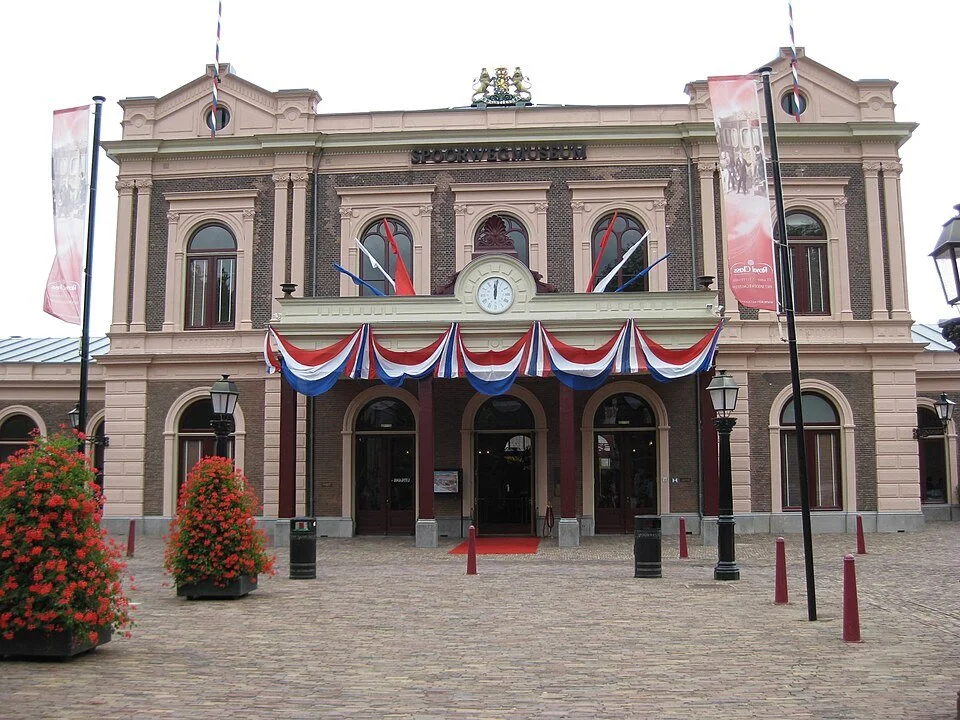
The Railway Museum is not housed in a station by coincidence. Maliebaan was a railway stop. The collection explains how that building once fitted into a network.
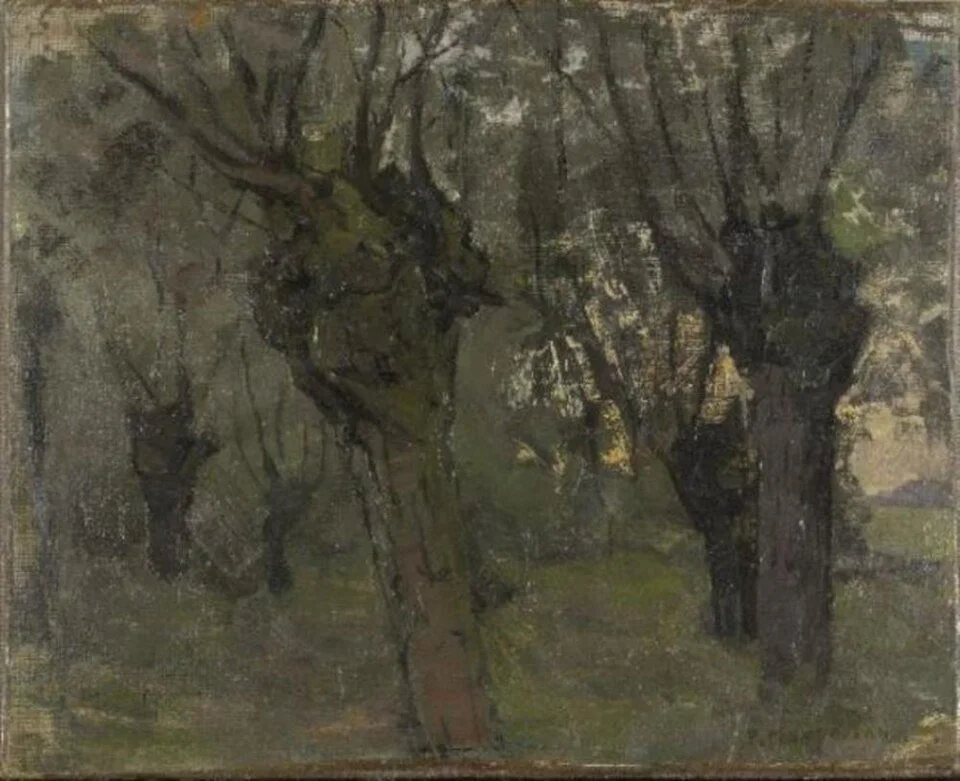
Along ditches in river-clay landscapes stand willows with a thick knob and a crown of twigs. That knob is not a disease. It is a pollard head.

In Twente, wooded banks, hedges and tree belts repeatedly interrupt the view. Beyond one green boundary, another meadow appears. That is how the landscape gets its name: coulisses, like the wings of a theatre stage.
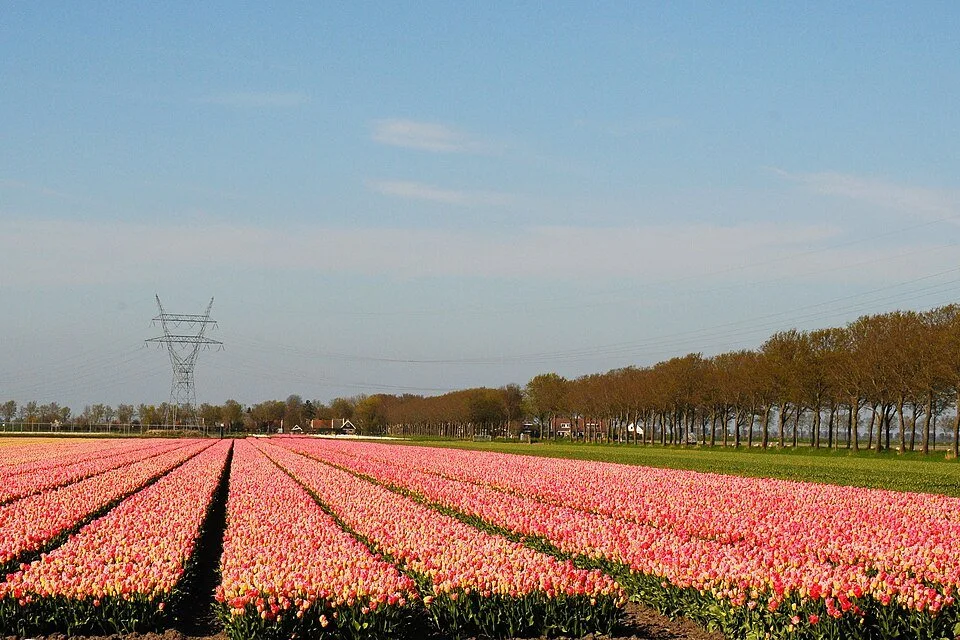
Beemster, Purmer, Schermer: names of lakes that disappeared. What remained is a floor of clay below NAP, laid out in straight plots.
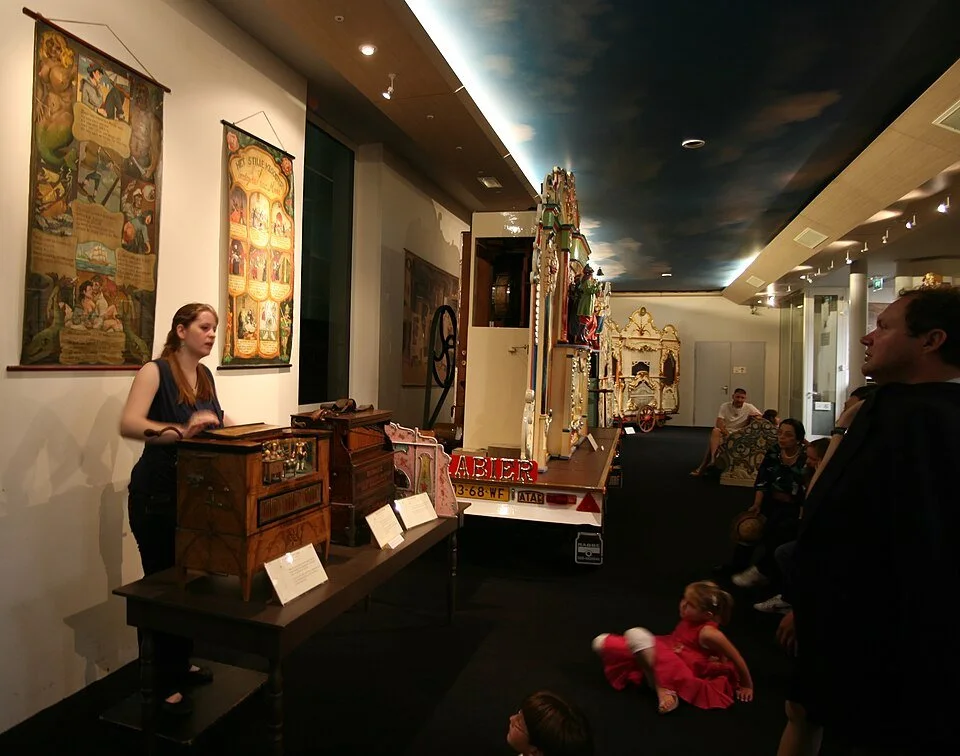
In Utrecht, an entire museum is devoted to instruments that play themselves. The question is not only how they sound. The question is how the music is stored inside them.

In September, the skies begin to shift. Breeding birds leave, while northern species pass through. Whether you see them depends on wind and visibility — not on one fixed number.
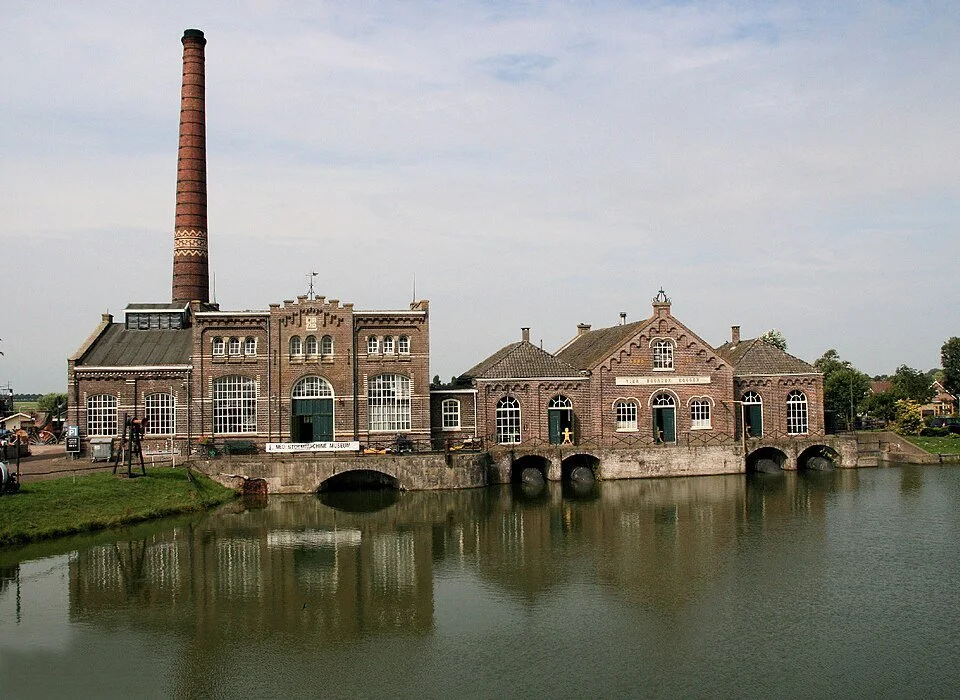
On the IJsselmeer stands a museum in a former steam pumping station. Its machines tell the story of why steam once made the difference between a wet polder and dry farmland.
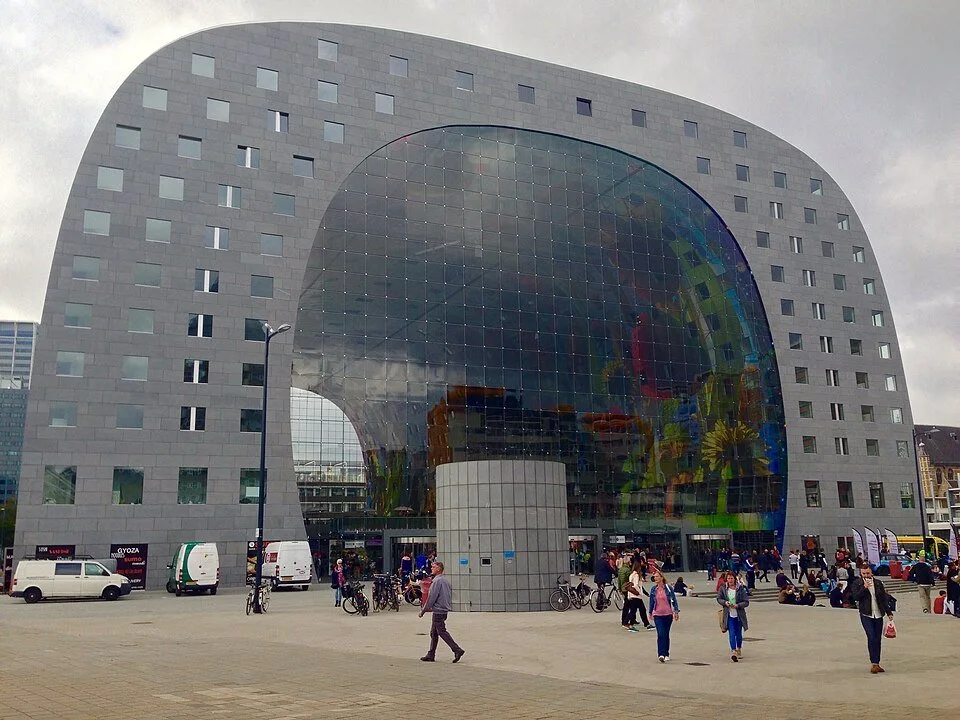
For centuries, Rotterdam held its markets in the street. In 2014, the Markthal put that trade beneath a residential arch — on top of the place where the city began.
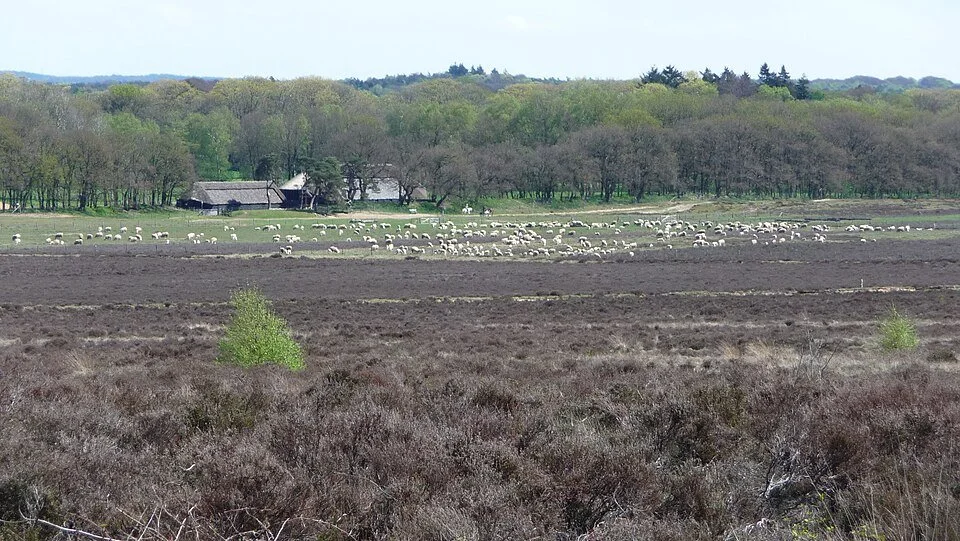
Purple heathland remains open only if something eats the encroaching vegetation. On many Dutch sandy soils, that something is still a sheep.

The Hague is home to one of the world’s oldest private car collections. The early vehicles show that driving was initially an experiment, not a daily commute.
 AI-generated image
A Limburg vlaai is not a pie made with puff pastry. It is yeast dough, fruit from a fruit-growing region, and a festive bake that was already known by that name in the nineteenth century.
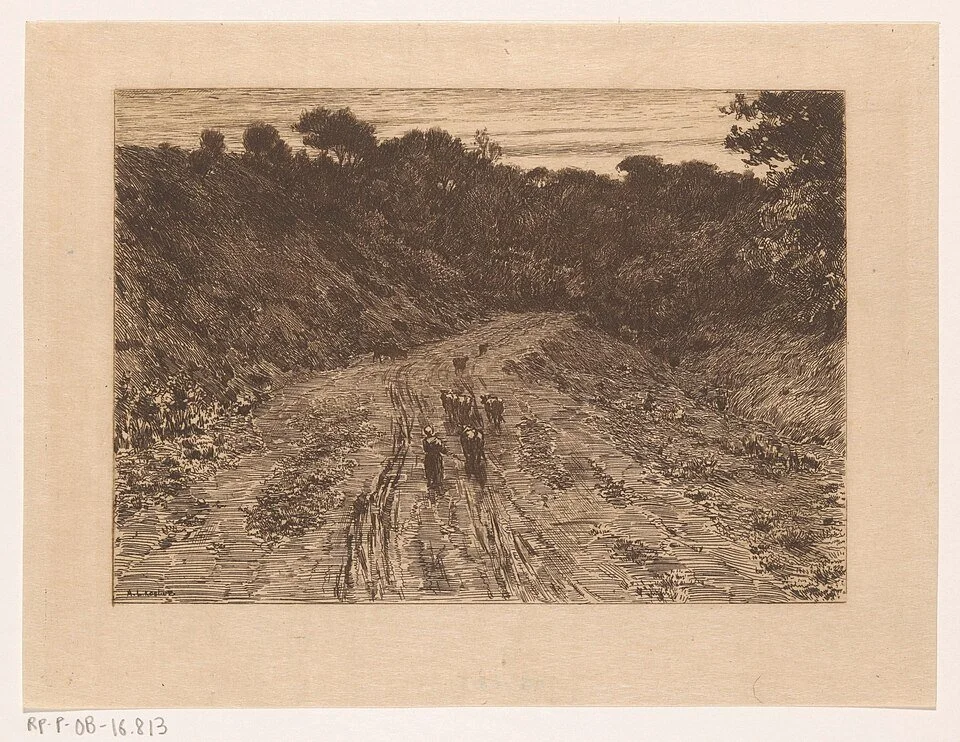
In South Limburg, you sometimes walk between two walls of loess. Above you, a tractor drives across the plateau. You are metres lower, down in the lane.
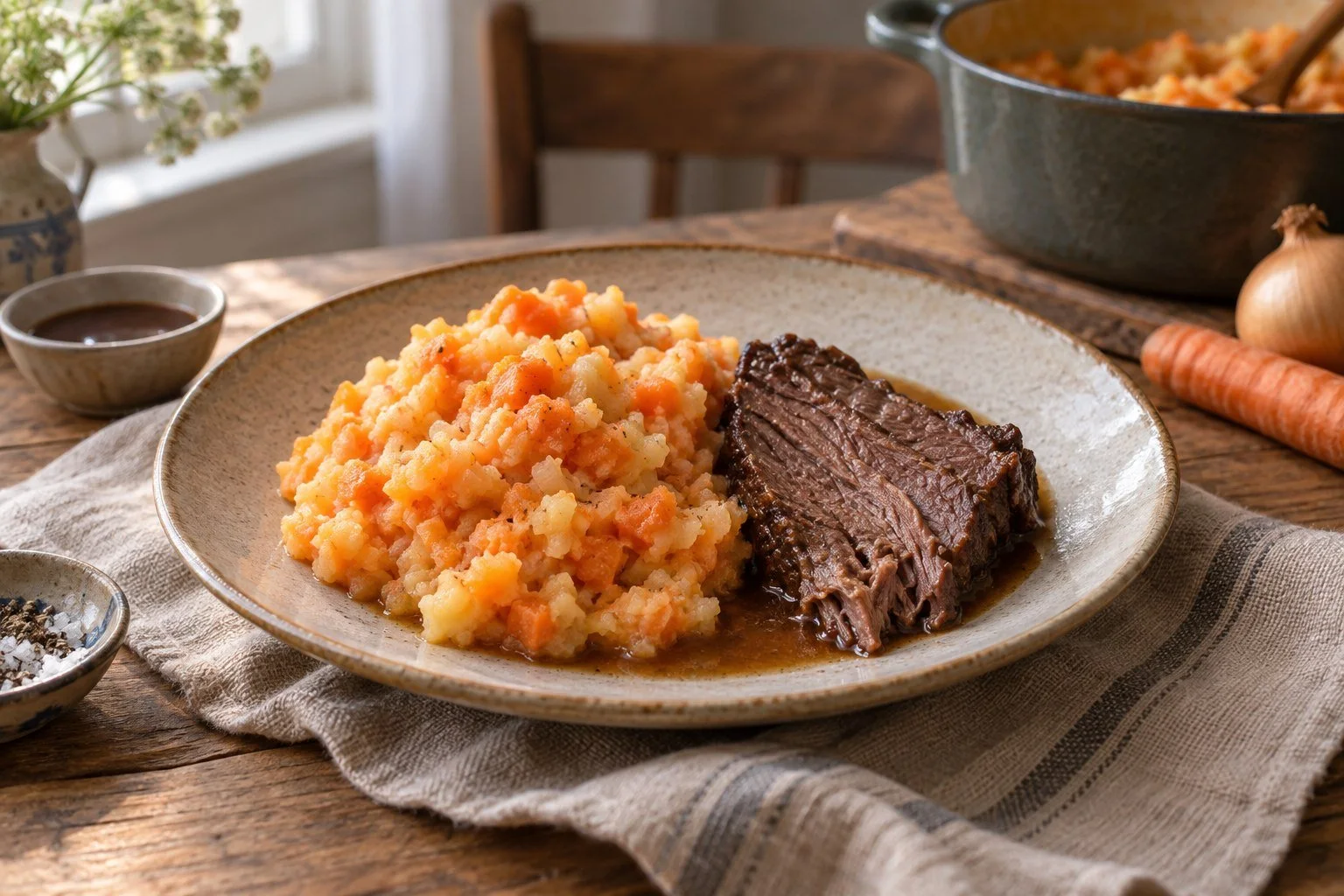 AI-generated image
On 3 October, Leiden eats hutspot. The legend places an orphan boy beside a Spanish cooking pot. There would not have been any potatoes in it in 1574.
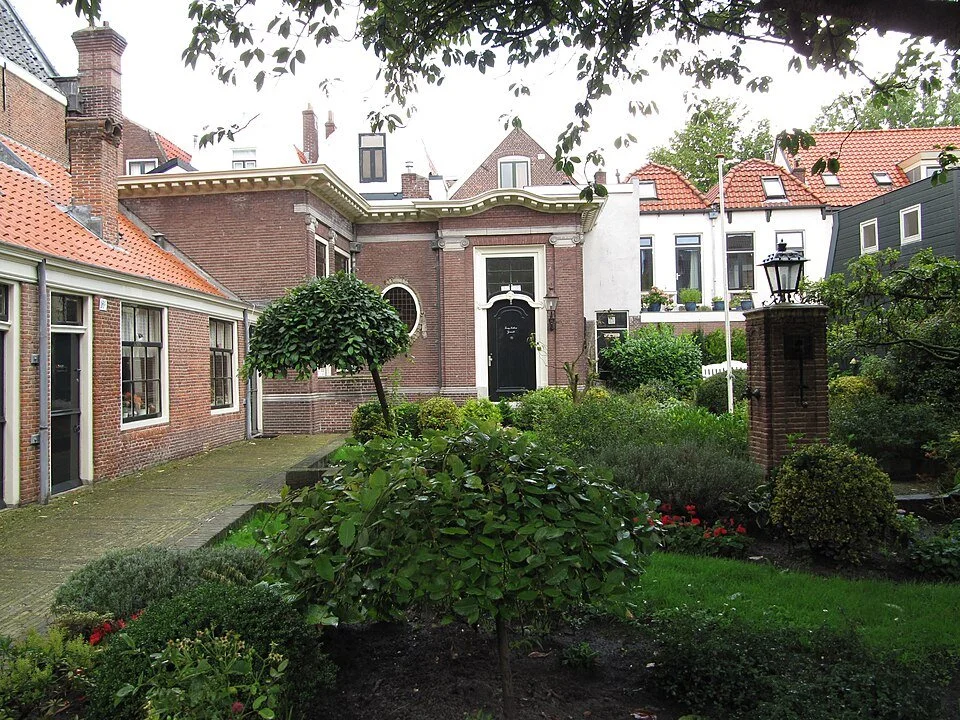
Behind a narrow gate in Haarlem or Leiden lies a garden surrounded by small houses. That garden is not an extra. It is the hof itself.
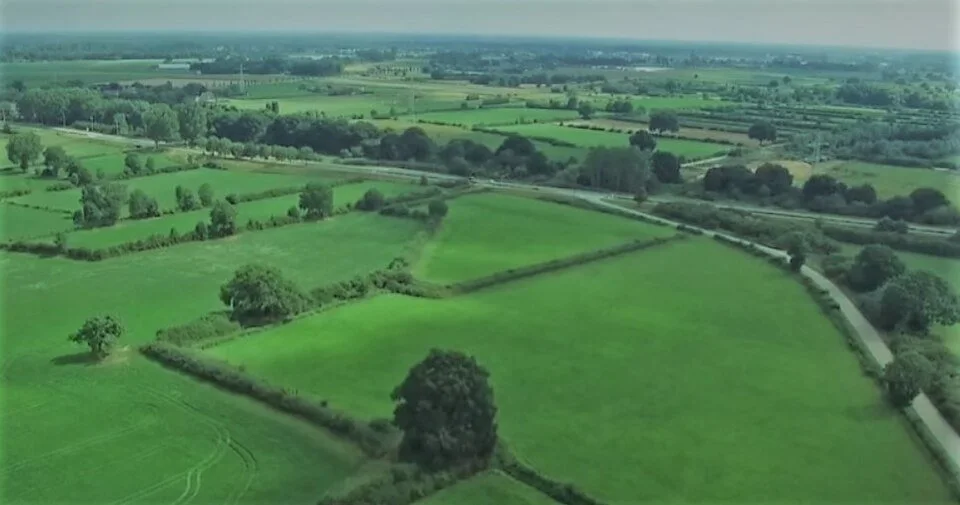
A hedge is more than a property boundary. In the Maasheggen, the woven structure itself is the monument.
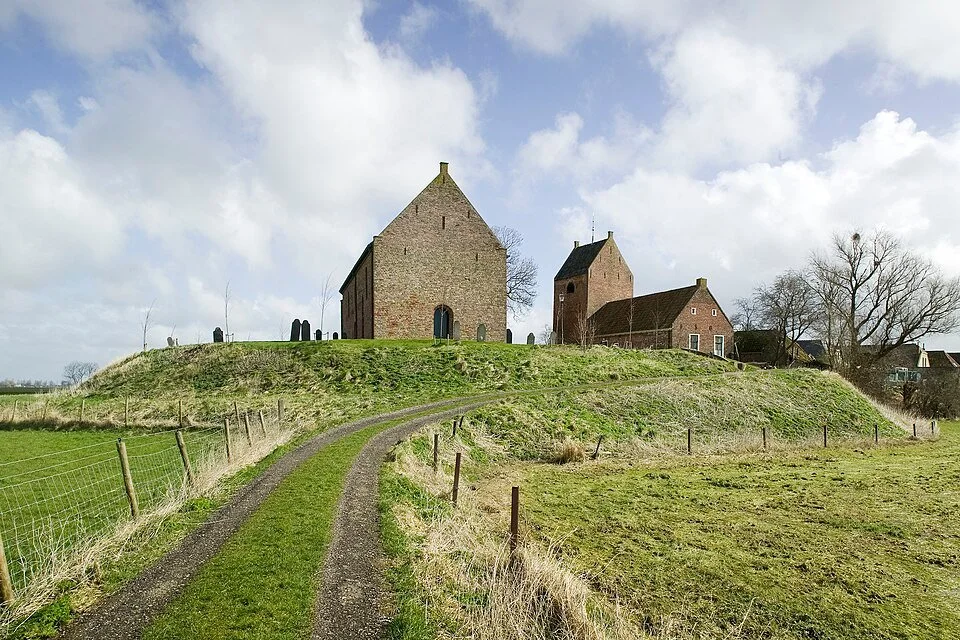
In the clay landscape of Groningen, a village rises above the surrounding ground. That mound is not a push moraine. It is a terp, known here as a wierde: earth piled up to provide a dry place to live when the sea could still flow freely in and out.
 AI-generated image
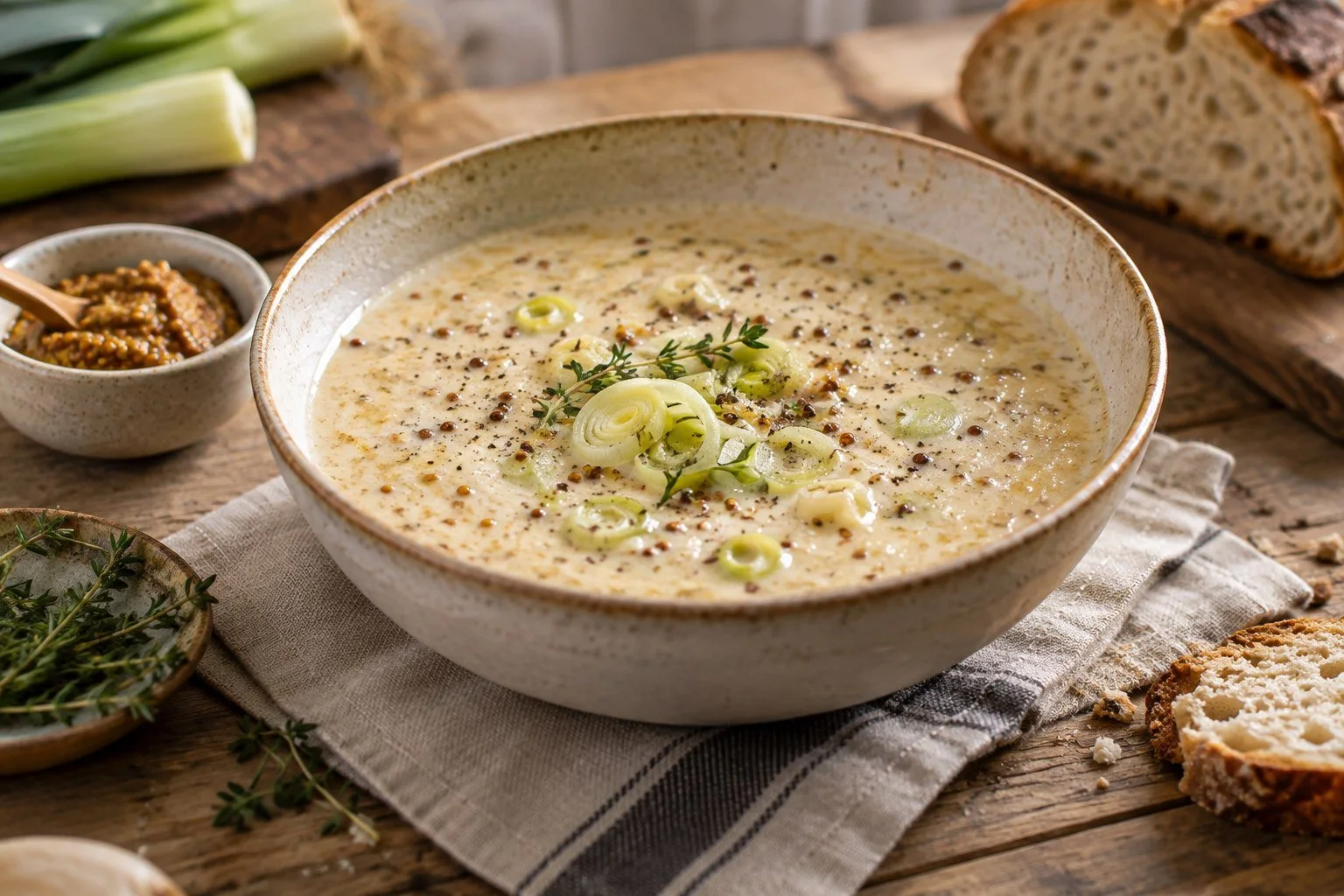
The soup is younger than the mustard. What makes it taste of Groningen lies in the coarse grind and vinegar, not in a medieval soup book.

The Veluwezoom and the hills near Nijmegen are not wind-blown dunes. They are push moraines: frozen river deposits that the land ice pushed aside during the Saalian glaciation.
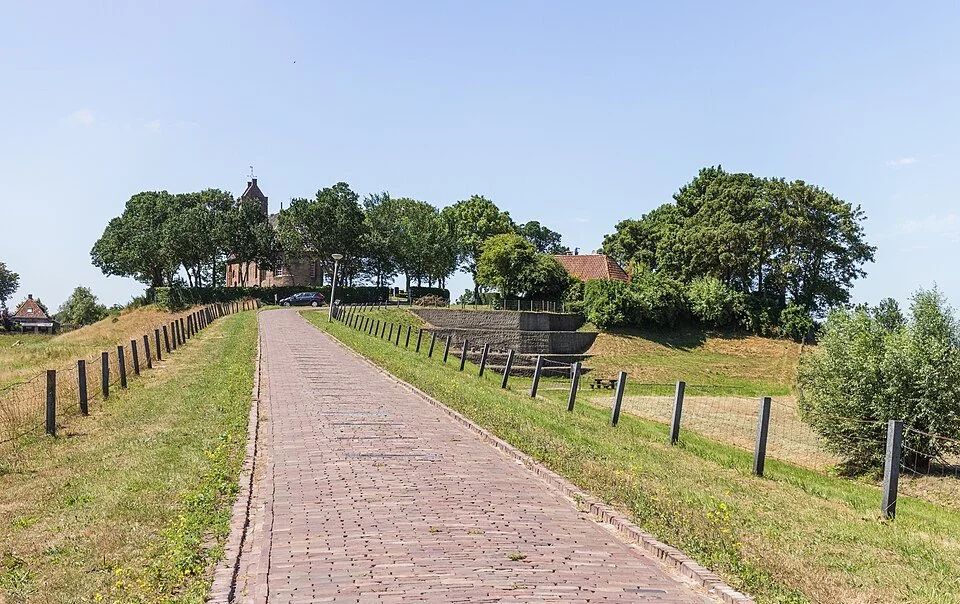
A Frisian terp is not merely a Groningen wierde with a different pronunciation. It is the same trick — living higher up — but here you can read it as a cross-section of a coast that continually changed shape.
 AI-generated image
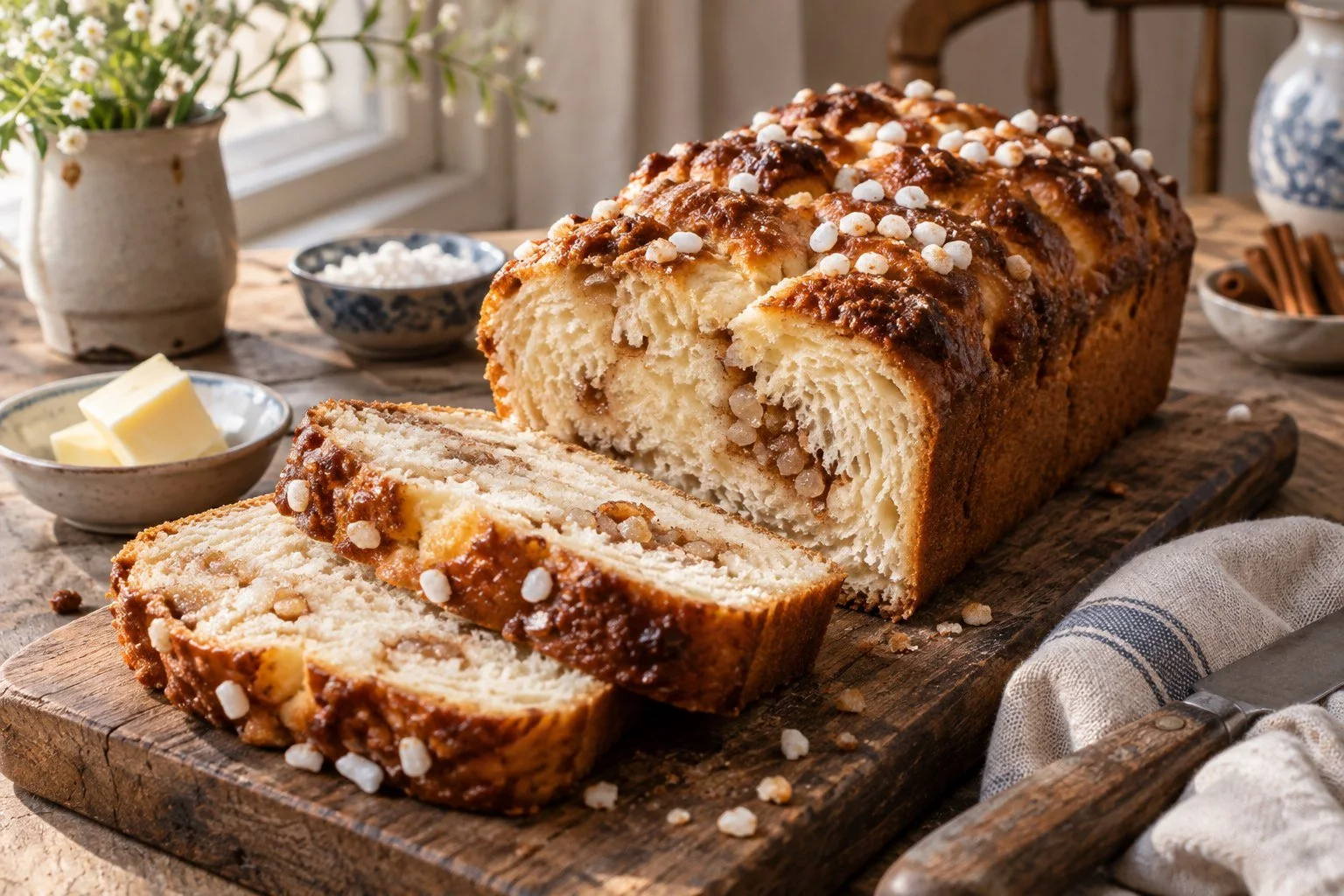
A Frisian sûkerbôle contains lumps of sugar that melt in the oven into sticky pockets. That is the point, rather than adding extra syrup to an ordinary loaf.
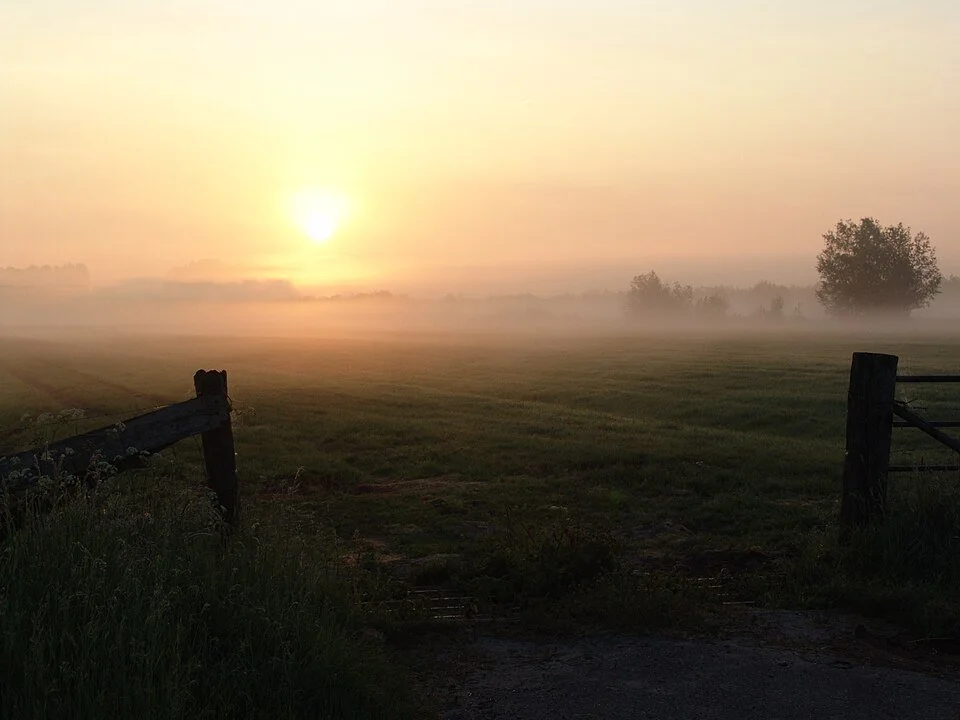
After a clear night, a white layer lies over the grass while the city is still visible. It is not a cloud that has settled on the ground. It is the meadow giving off its heat.
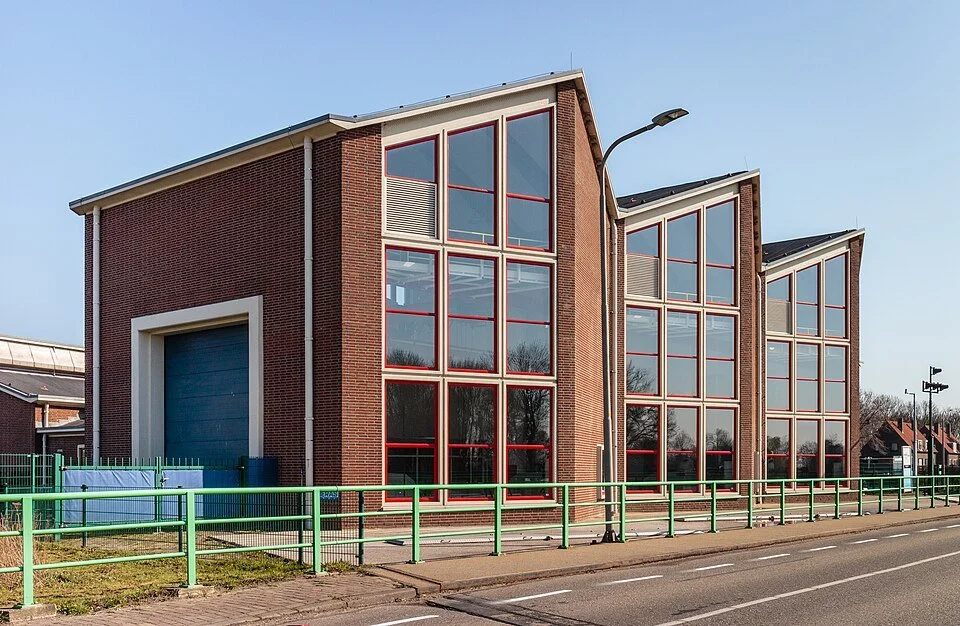
In Flevoland, you cycle across a former seabed. The IJsselmeer lies higher than many field edges. That is not an optical illusion. It is a polder.
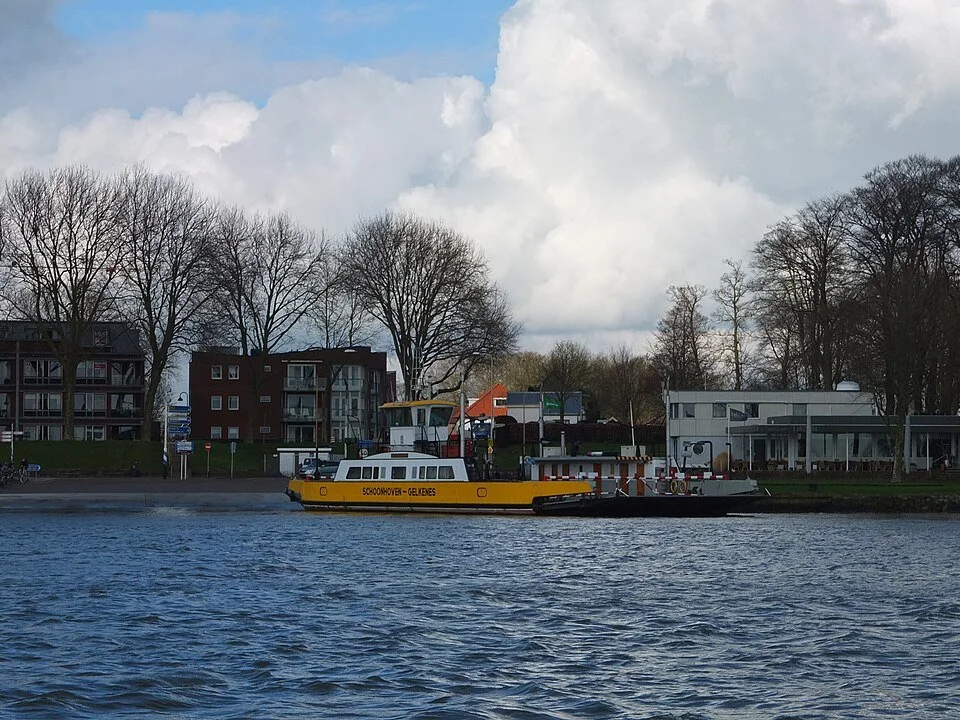
In Amsterdam, the other side is not a metaphor. It is a GVB route across the water, older than the electric tram.
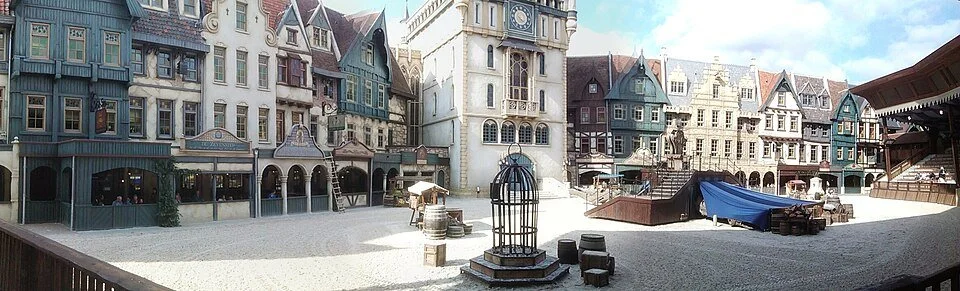
The fairy-tale houses in Kaatsheuvel look as though generations have already lived in them. Behind that impression lie drawings and craftsmanship: new buildings are given a story in their façades.
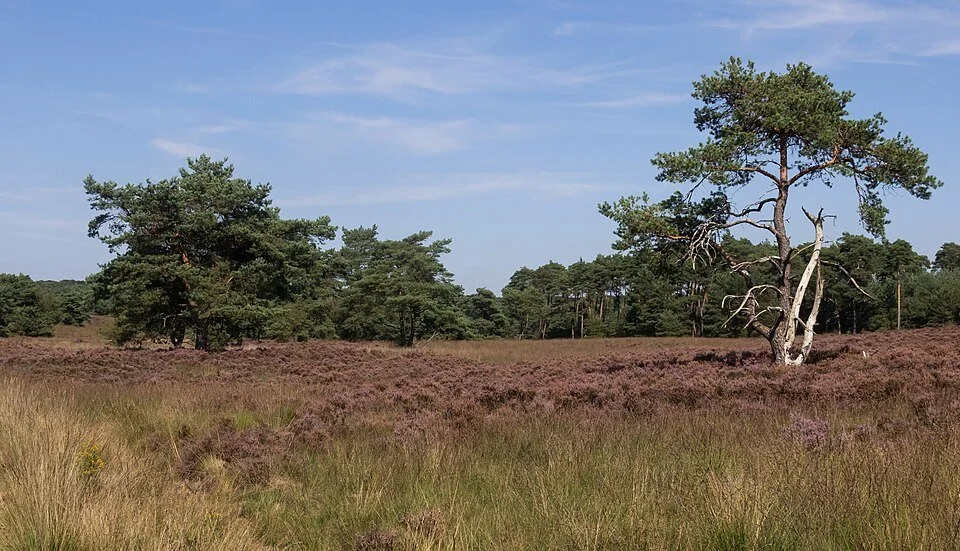
On the Veluwe or in the Achterhoek, everything can look green in May and still be too dry beneath your feet. The sponge fills more slowly than the rain falls.
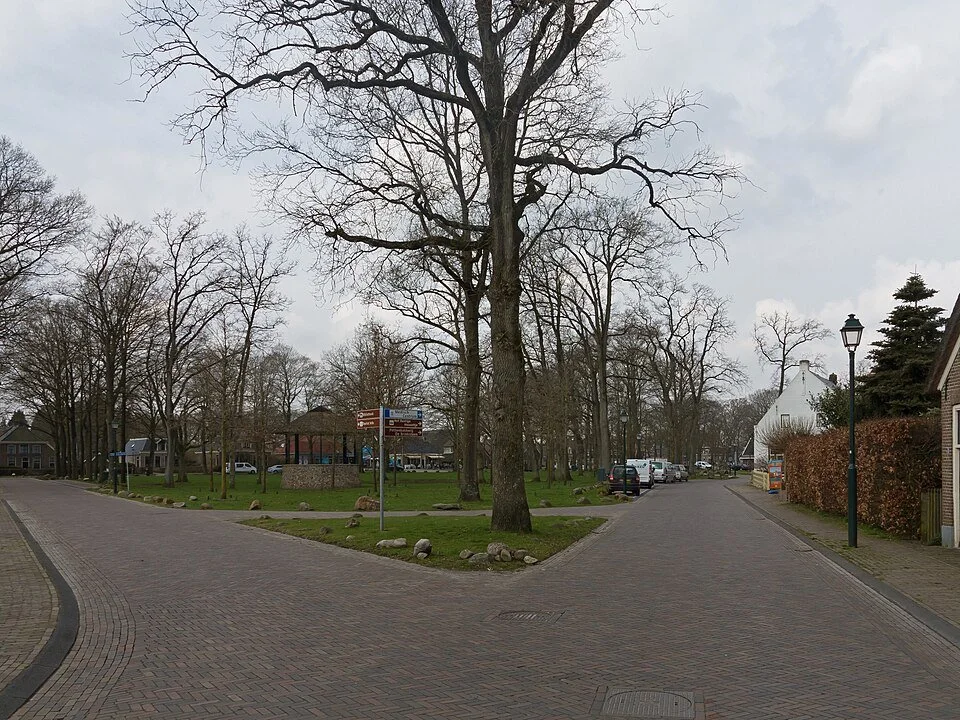
A Drenthe esdorp is not a ribbon development along a road. It is a division of labour: the es for grain, the village green for livestock, and the heath and stream valley for everything else.

Two ditches, one road between them, yet the water on the left is higher than on the right. That is not a leak. It is water-level management.
 AI-generated image
A soft white bread roll wrapped around a cylinder of seasoned minced meat. In Brabant, it belongs to slaughter day, Saturday and carnival — it is not a puff-pastry snack.
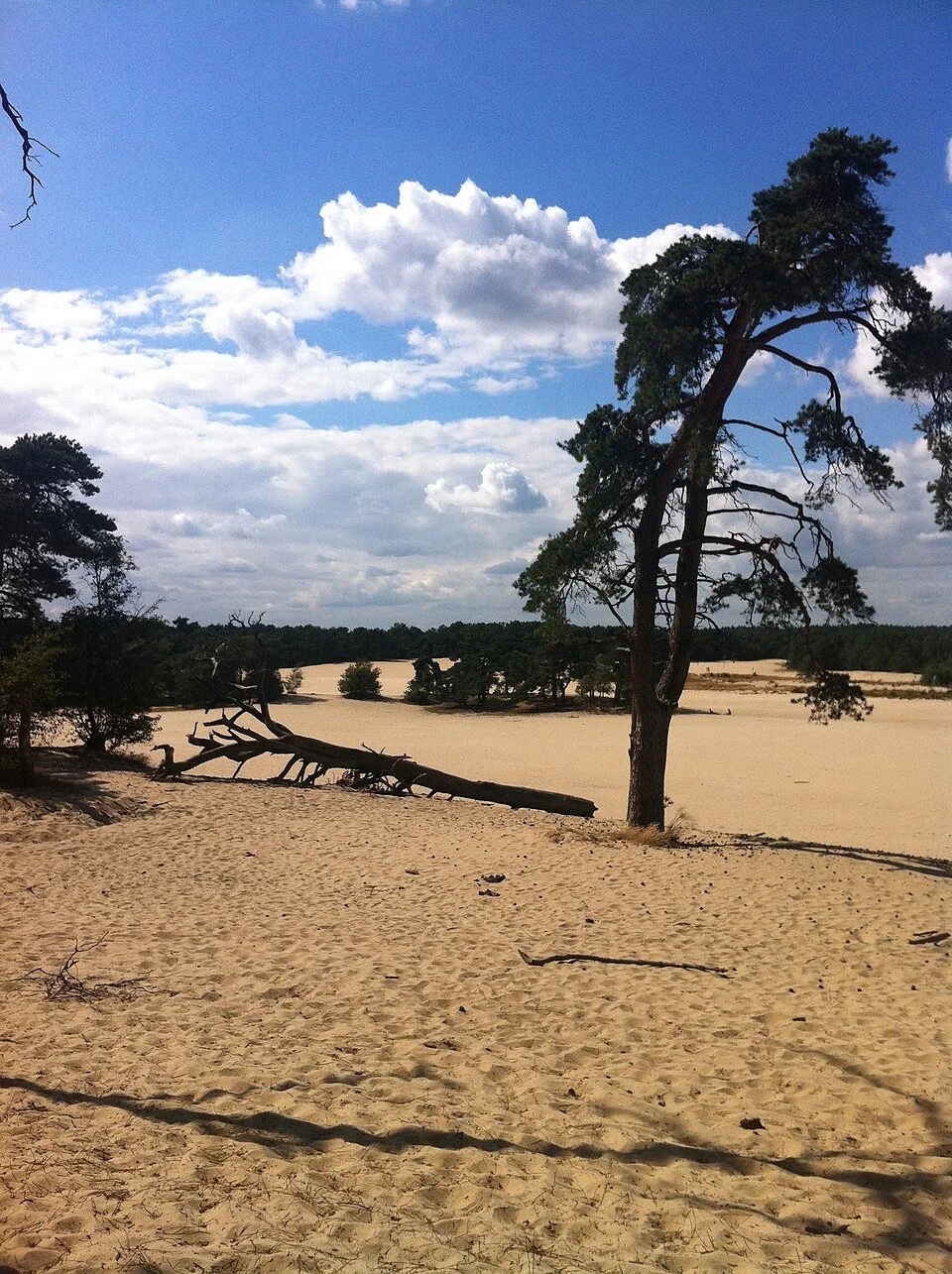
On the Loonse en Drunense Duinen, sand blows across the cycle path. This is not a beach. It is inland drifting sand created by the landscape itself.
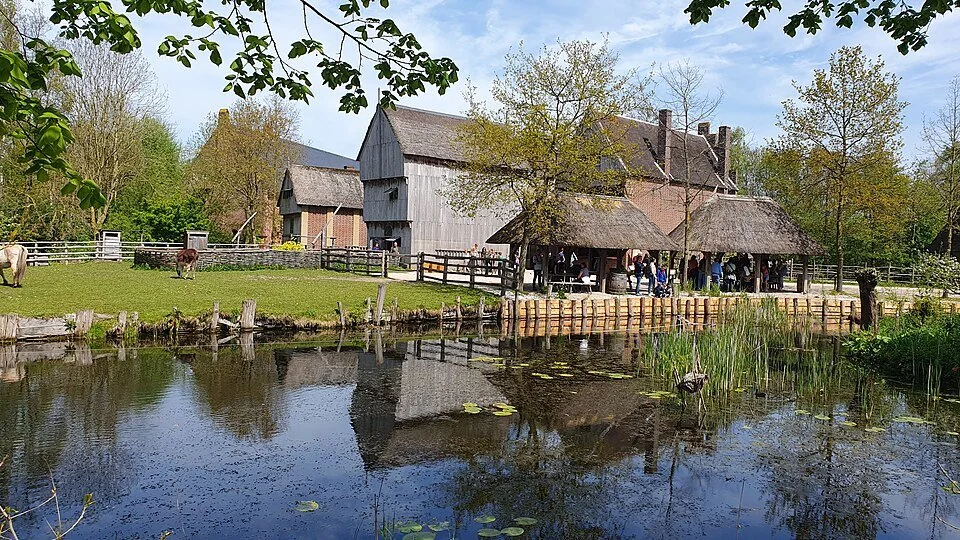
In Alphen aan den Rijn, a Roman inn, a terp farmhouse and a medieval house stand side by side. Almost none of them is the original structure uncovered by archaeologists.
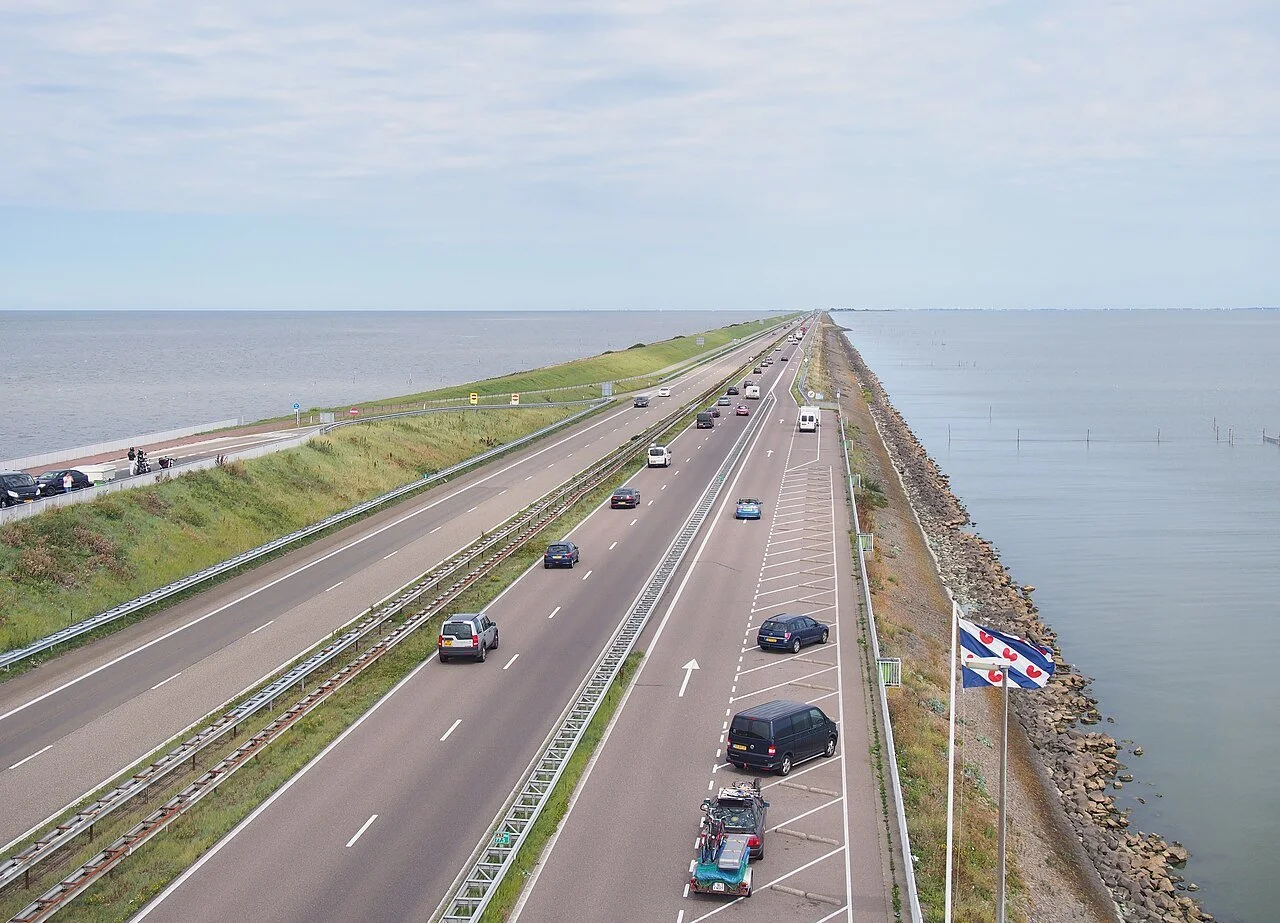
In 1932, the final gap was closed. After that, the Zuiderzee did not merely disappear from the map. The water itself changed character.
 AI-generated image
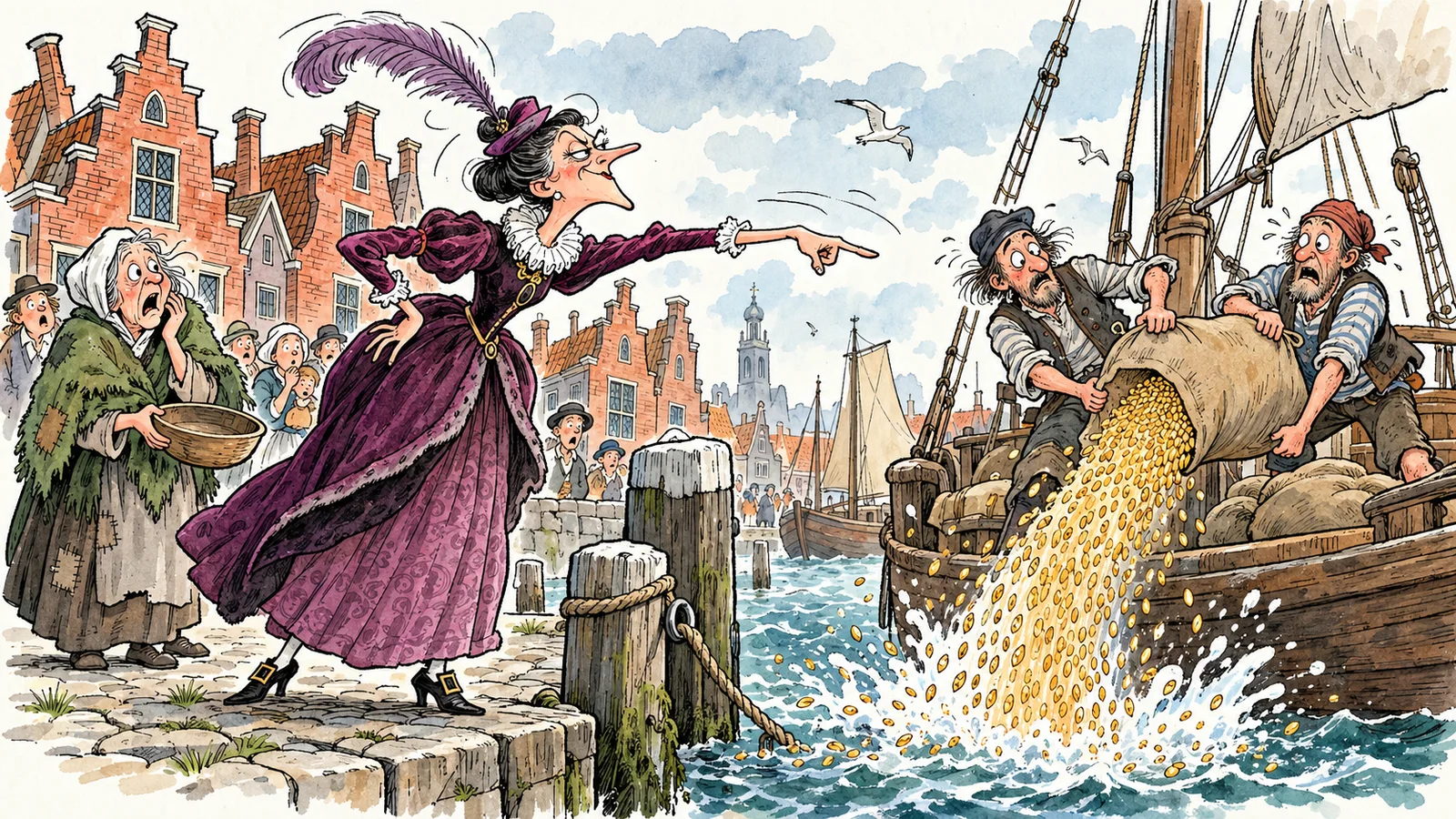
A ship full of grain is not precious enough for her. So the sea gets it. Only, the sea has kept something for her too.
 AI-generated image
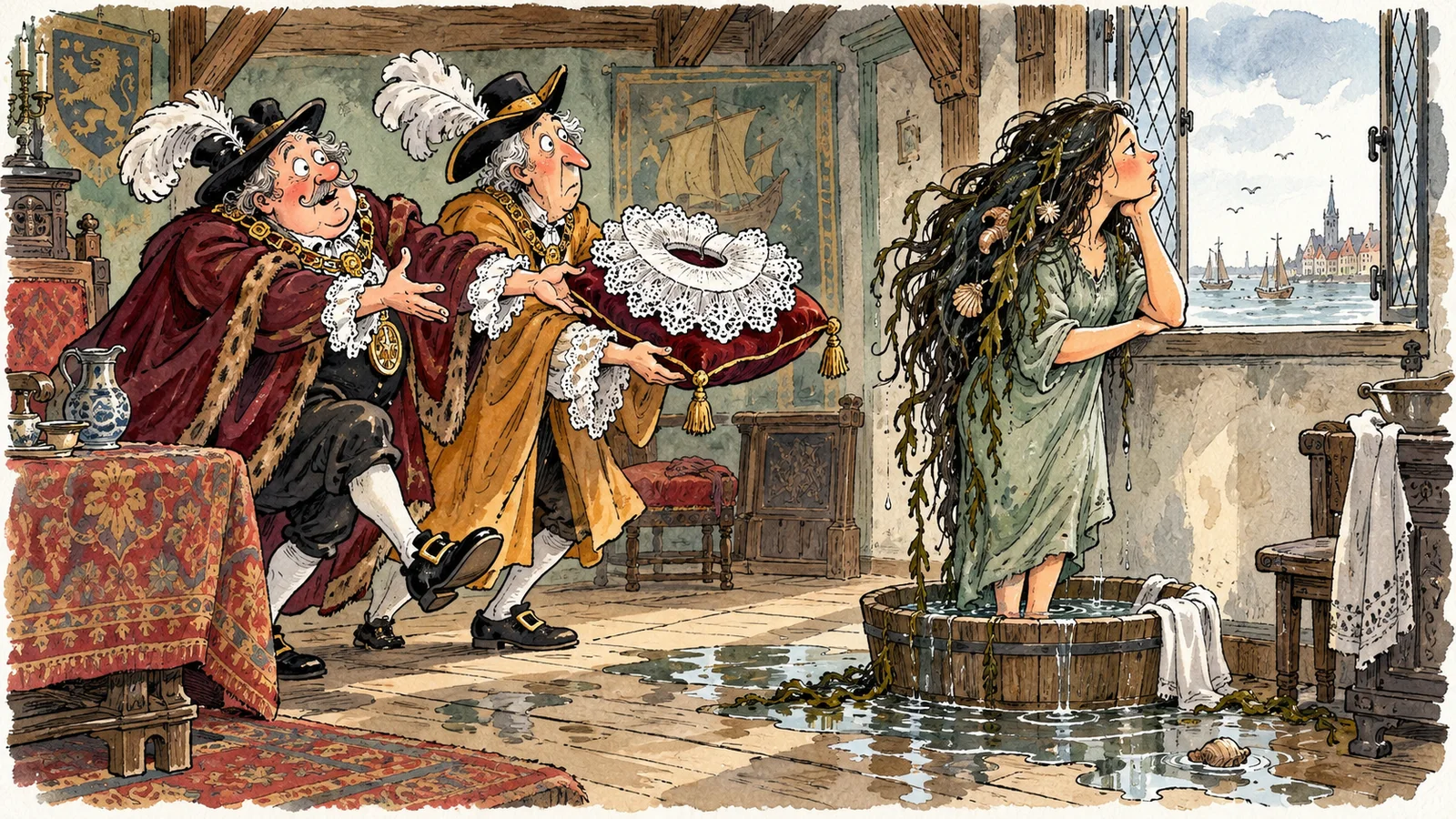
Edam catches a wonder. Haarlem feels entitled to a bigger wonder. Nobody asks the wonder what she wants.
 AI-generated image
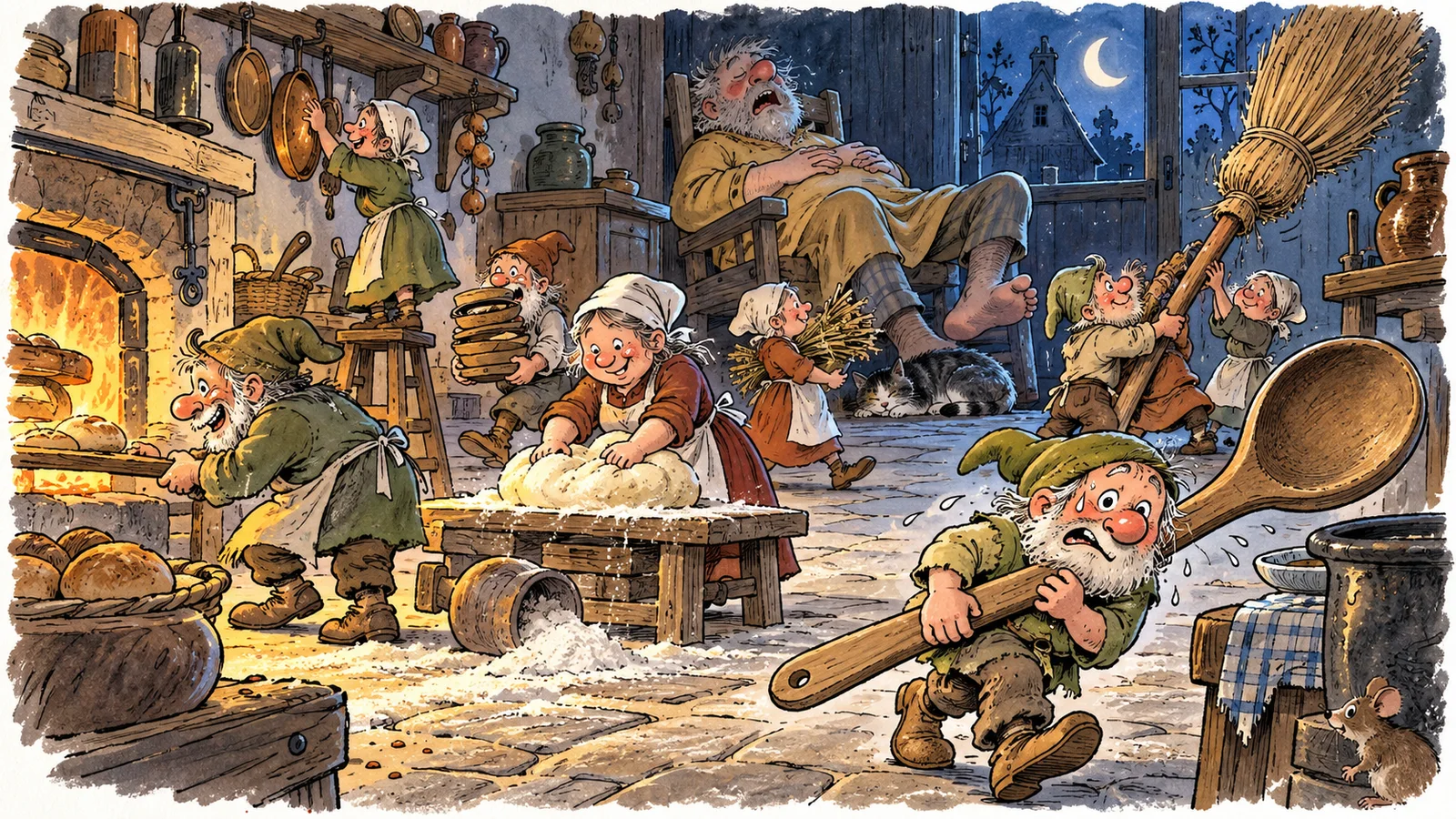
The farmer calls himself the hardest worker in the Kempen. His work mostly gets done while he is asleep.
 AI-generated image
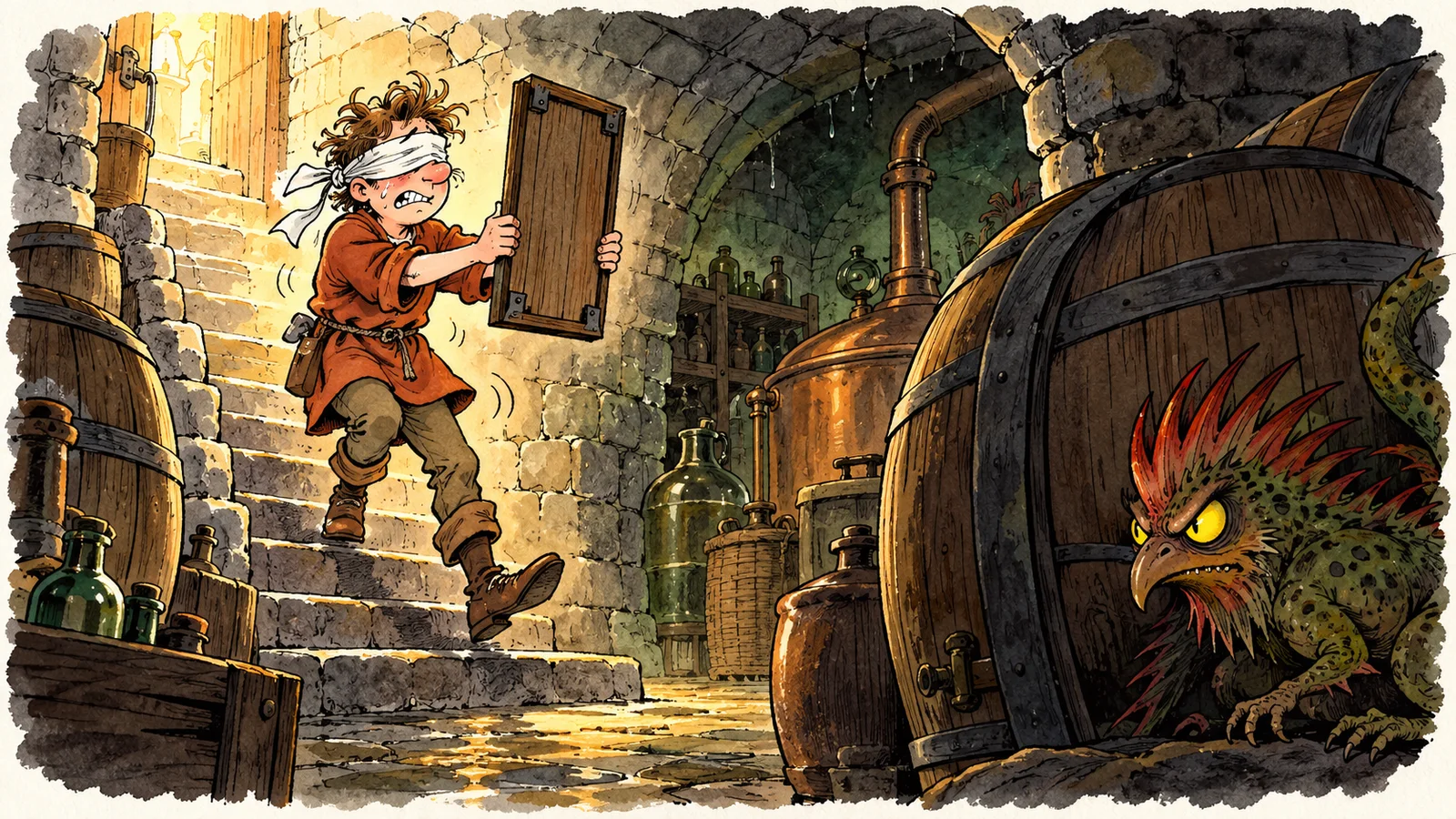
Beneath the brewery lives something nobody may look at. The youngest brewery hand goes down anyway — with his eyes shut.
 AI-generated image
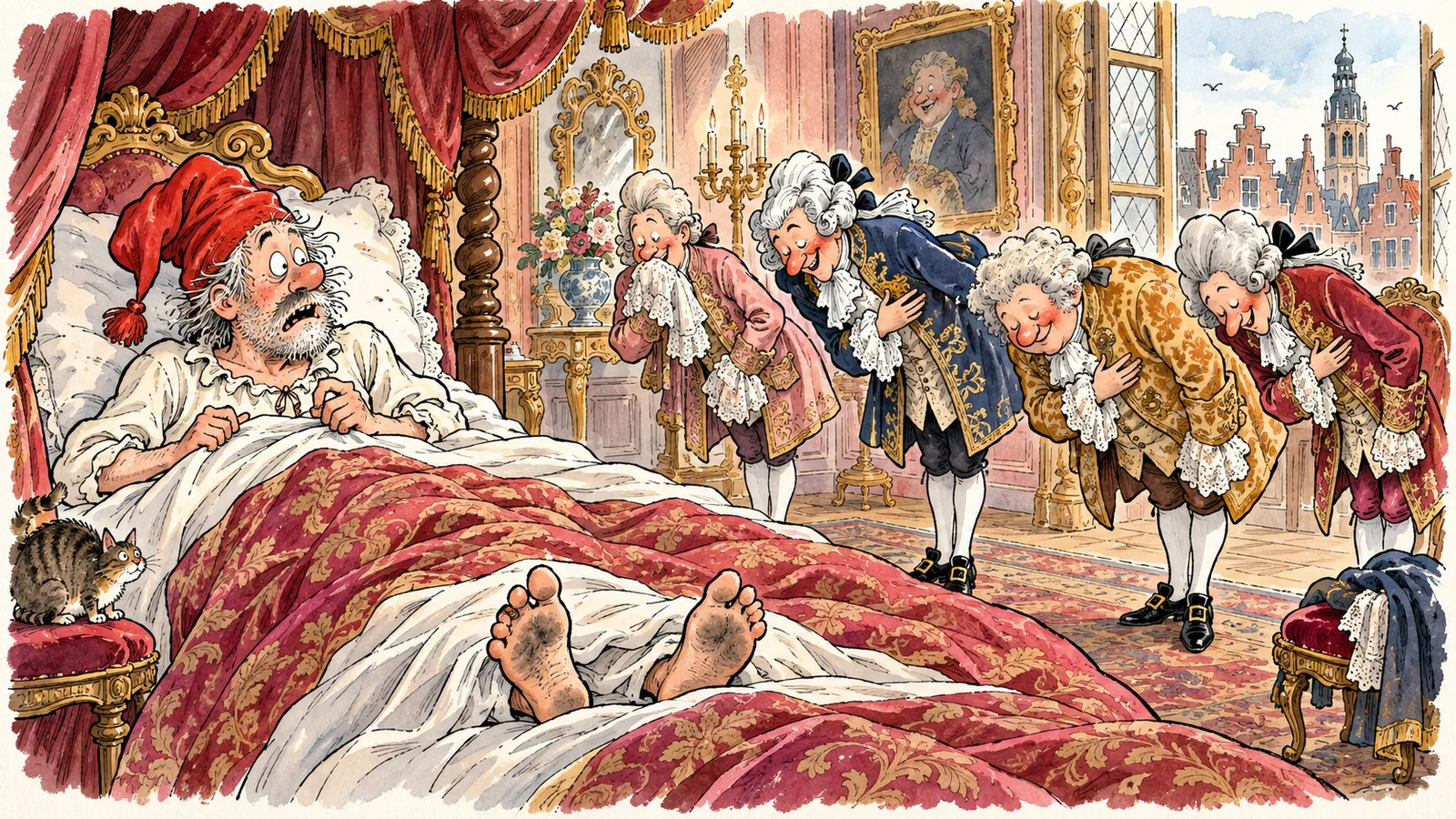
The court wants a good laugh at a cobbler on the throne. But the cobbler has a few jobs for the court.
 AI-generated image
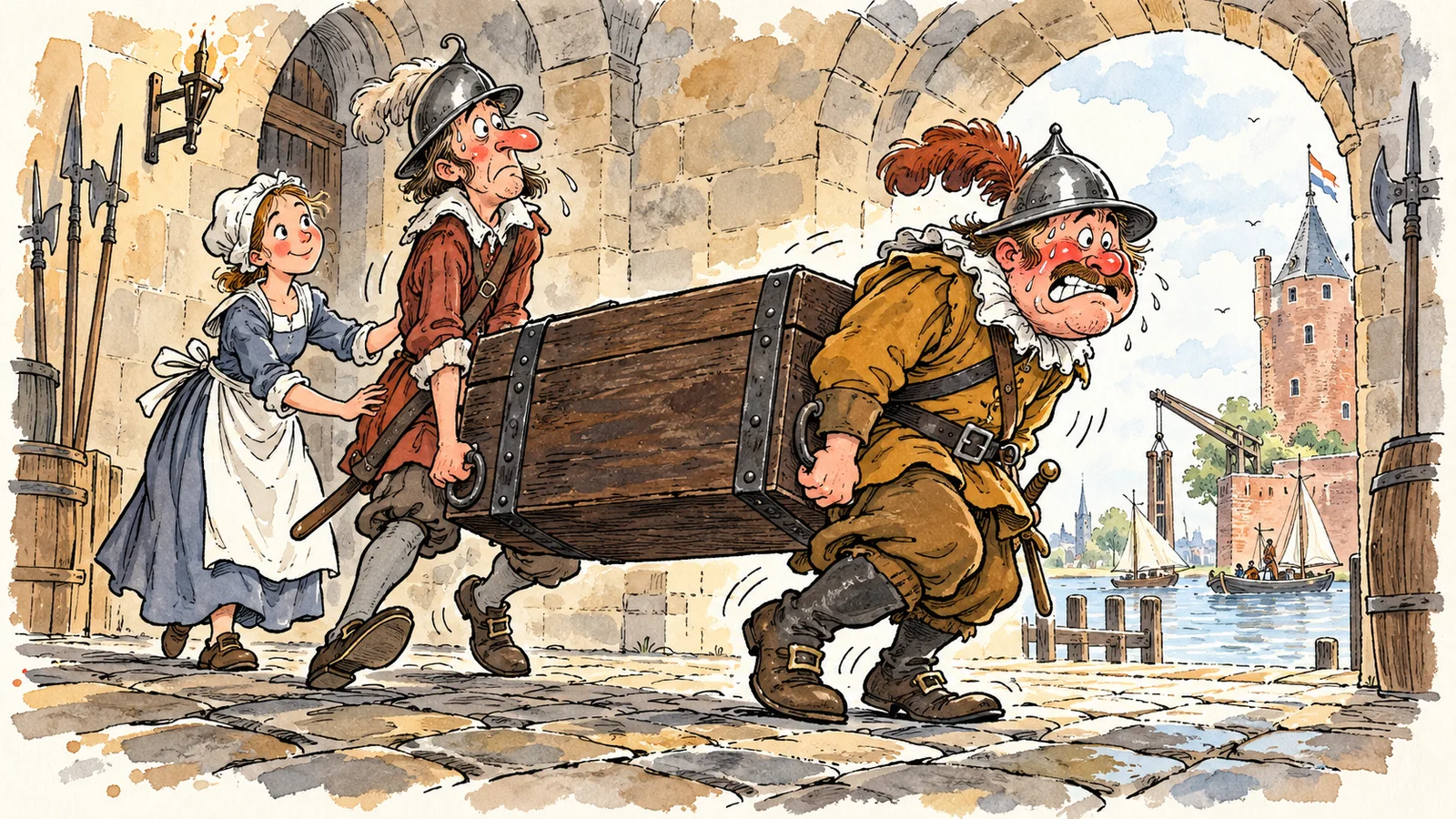
A learned head. Two unwilling knees. And guards who carry their prisoner out themselves. Provided his nose behaves.
 AI-generated image
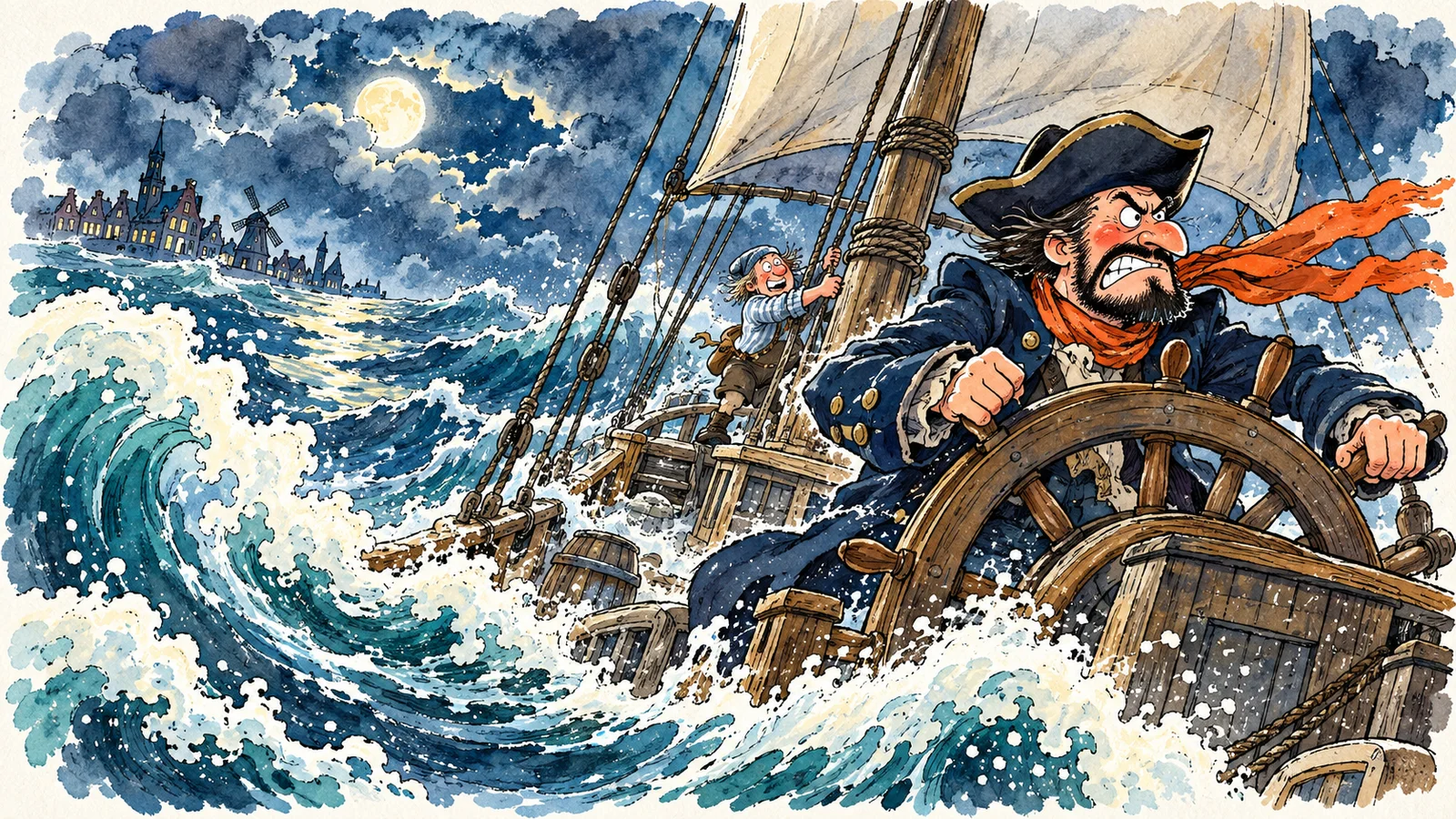
He sets sail when every sensible person stays in port. Turning back is not on his list.
 AI-generated image
Zwolle wants every last coin. Kampen makes sure there are a great many of them.
 AI-generated image
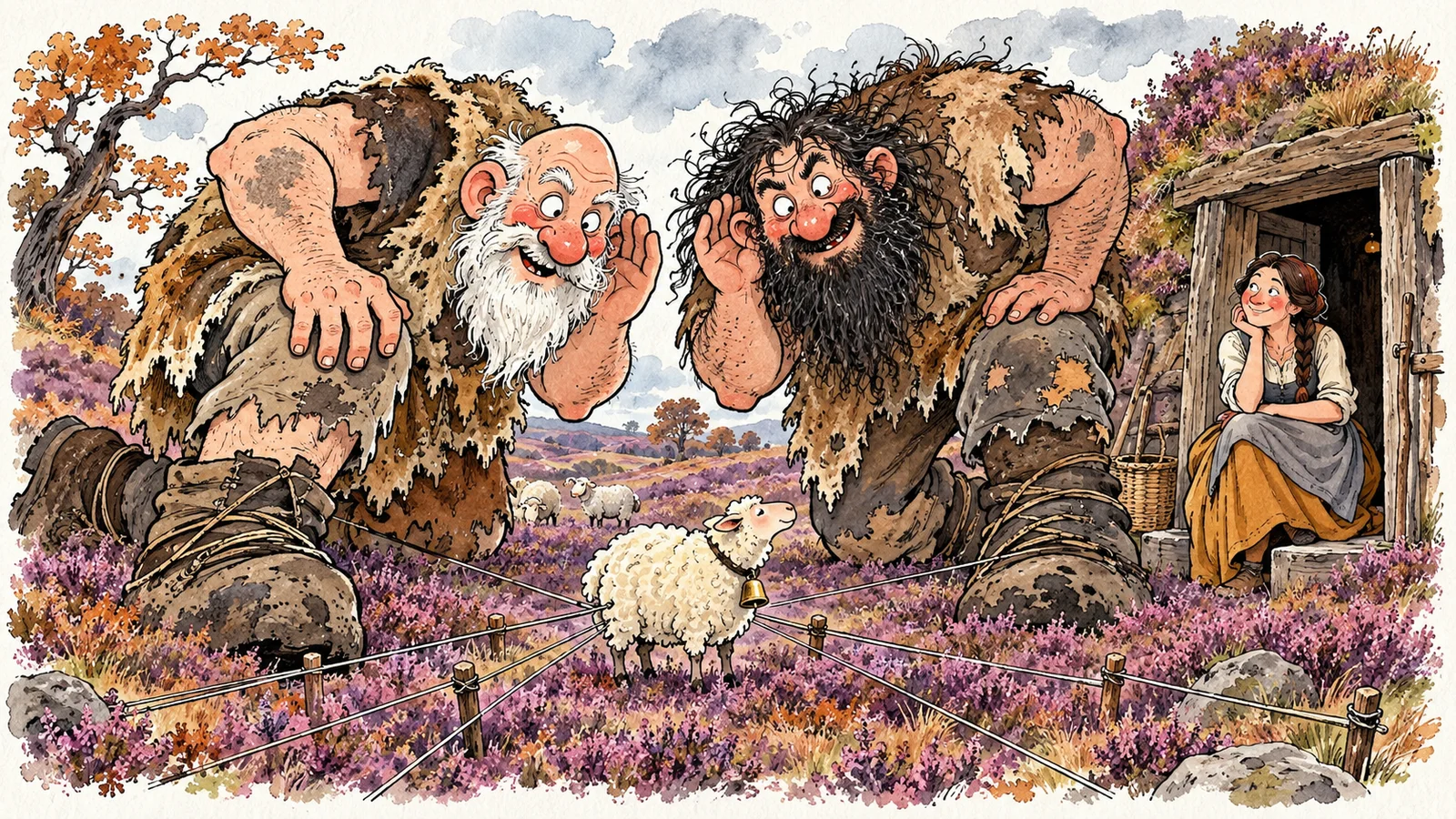
Ellert and Brammert have a bell for their victims. Marieke has been listening long enough.
 AI-generated image
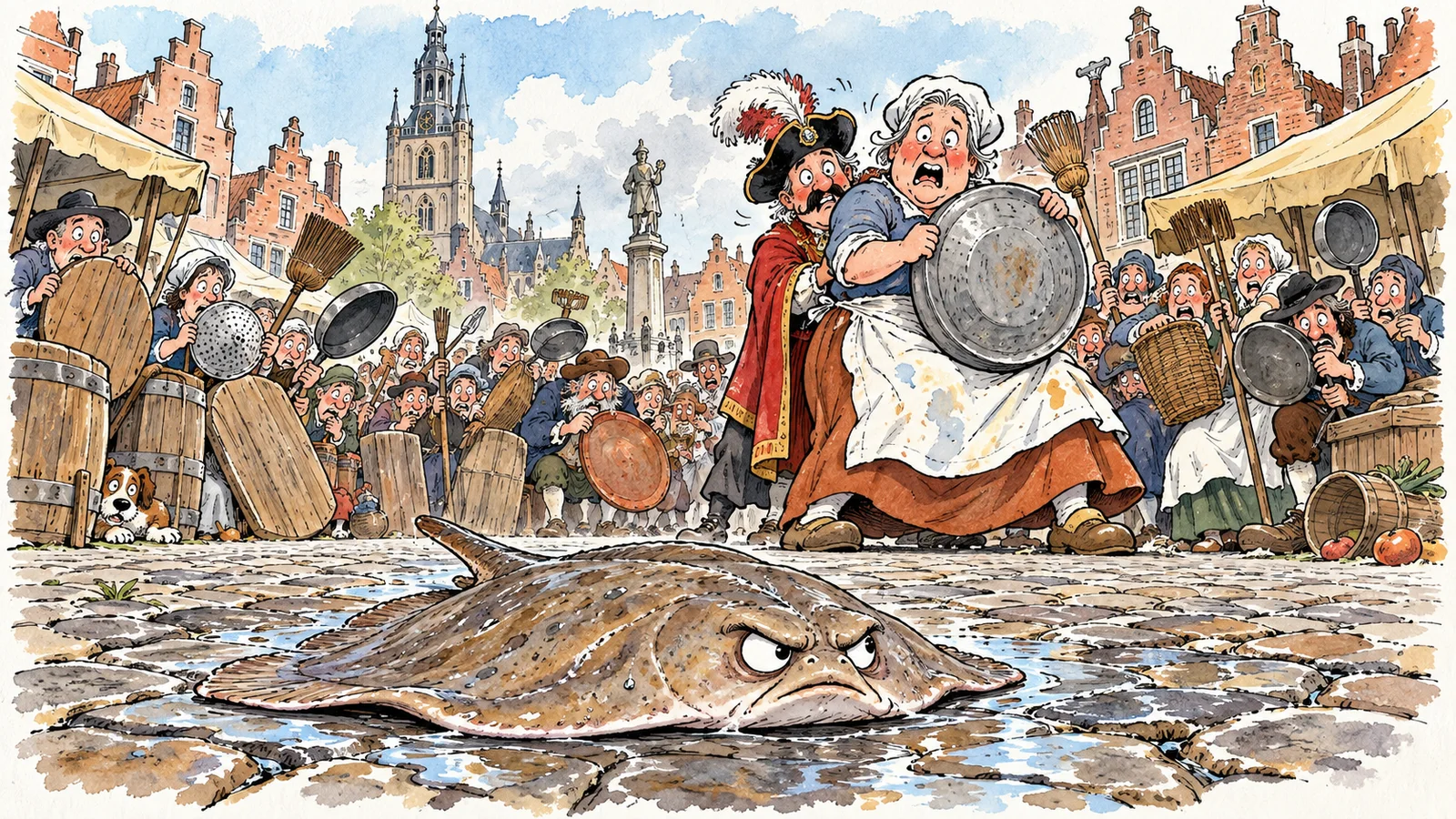
There’s a monster lying in the street. Fortunately, Weert has a sheriff who knows exactly where he is safe.
 AI-generated image
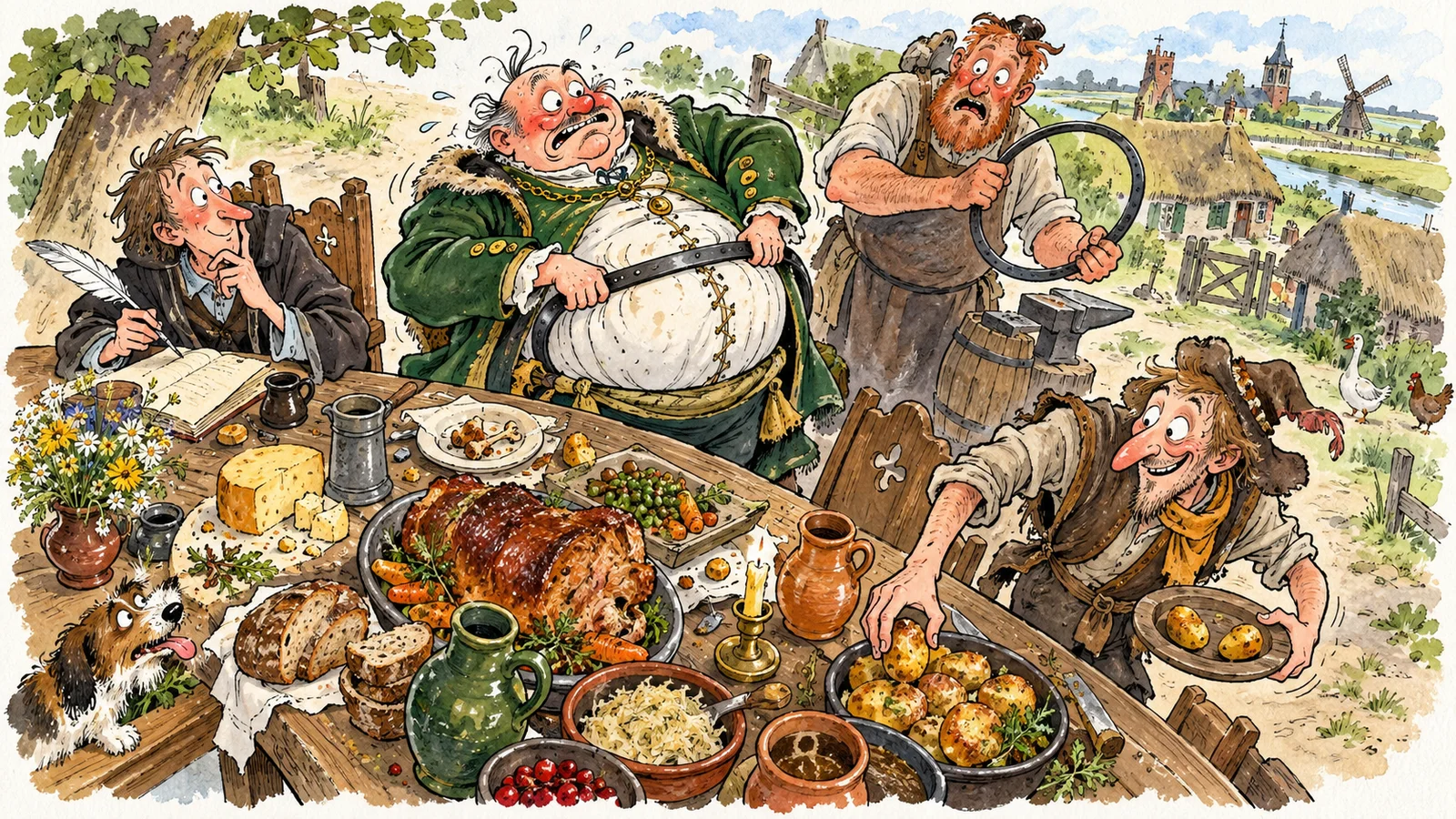
The gentlemen have come to think up names. First they want to eat. Then a ditch turns out to be wiser than the whole committee.
 AI-generated image
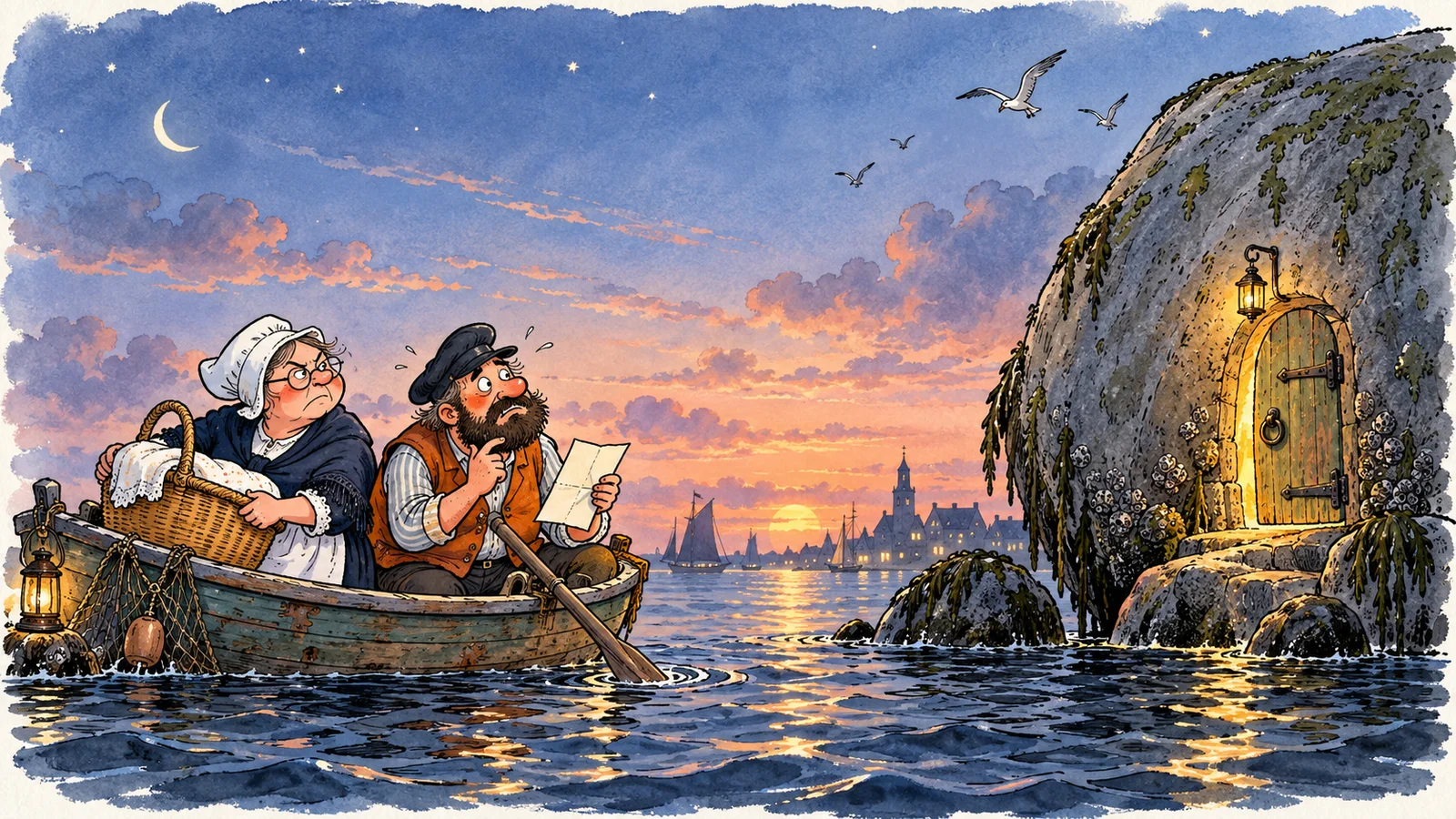
Father has worked out exactly what kind of child he wants. The stone has not yet said yes to it.