The Stelling van Amsterdam: visiting forts with the landscape included
Pampus has an autumn programme; Spijkerboor is closed for hibernating bats. Along dikes and polders you can see how the defensive ring worked.
Anyone looking out at the polder from a fort rampart sees only part of the Stelling van Amsterdam. Together with dikes, locks and water, the forts formed a defensive ring around the capital. According to the heritage platform Forten, that line was built between 1880 and 1914. The plan was to put land under water in the event of war, so that an enemy could advance no further. The forts guarded the passages in that water landscape. A visit is therefore not only about thick walls: the space between the forts also tells the story.
The name on the World Heritage List needs some explanation. The Stelling van Amsterdam has been on it since 1996. In 2021 the Nieuwe Hollandse Waterlinie was added to the same inscription; together they are now called the Hollandse Waterlinies. UNESCO describes a defensive system in which flooded polders, water works and forts work together. The Stelling is thus still a recognisable ring around Amsterdam, but nowadays belongs to a larger whole. That explains why a route or a visitor centre sometimes mentions both the Stelling and the Hollandse Waterlinies. On site it helps to look at the dike, the lock or the open polder next to the fort.
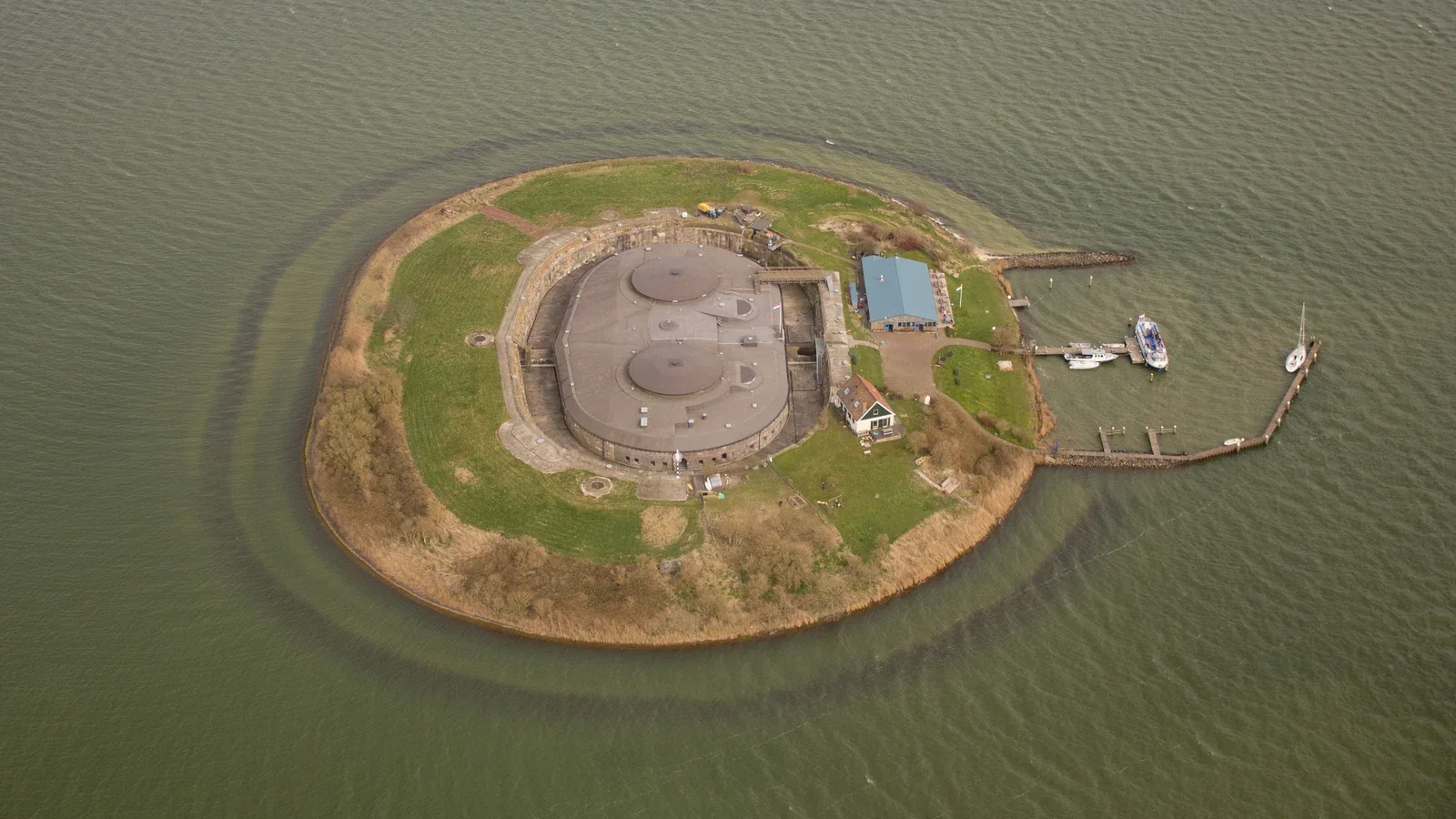
For a visit during the autumn holidays, Forteiland Pampus is a concrete option. The island belongs to the Stelling and can be reached by boat. Its own programme runs from 10 to 25 October 2026. In the PampusLab, visitors can investigate how fort-keepers’ families prepared for winter, for example with assignments on clean drinking water and energy. According to the organisation, the lab is open daily from 11.00 to 16.00; the interactive routes through the fort are also part of the visit. The autumn activities are included in the entrance ticket. Do choose a crossing time beforehand: the organisation warns that boats can fill up during the holidays.
A visit to Pampus begins on the quay. The crossing makes clear why a fort island is not the same as a fort along a road. According to its own visitor information, the island is open during the day from Tuesday to Sunday and closed on Monday. On the island you can walk through the fort, stroll over the grounds outside and look back at the water that determines access. For families the lab is an addition, but the location is itself a lesson in defence and accessibility.
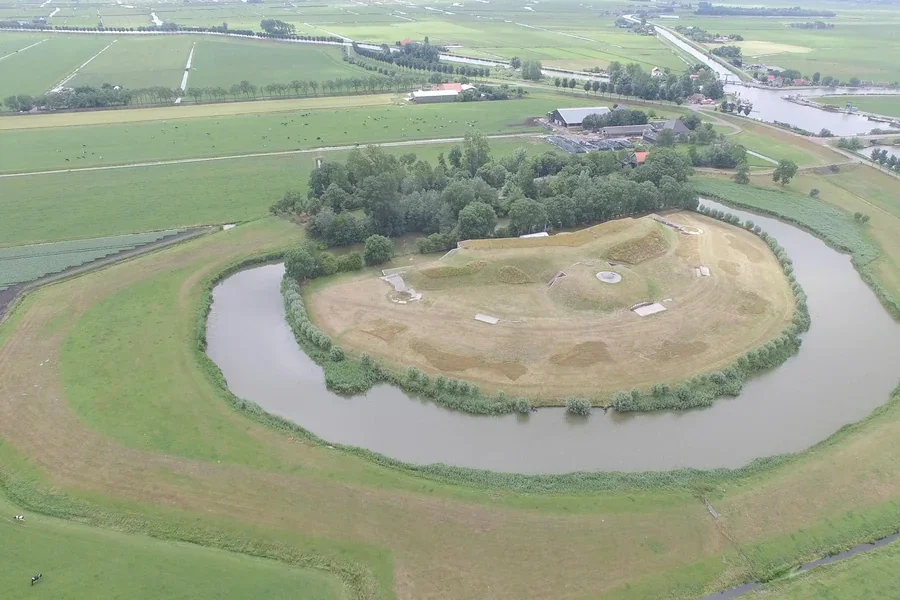
Fort bij Spijkerboor offers a view of the Beemster. The fort lies in the polder landscape and has, among other things, ammunition rooms, cannons and an armoured gun turret. This autumn holiday the interior is not a destination: Natuurmonumenten reports that the fort is closed from 5 October 2026 to 27 March 2027. Bats use the cool passages to hibernate and need peace there. Earlier announcements of monthly open Sundays therefore do not apply to a visit after the closing date. The outside, the moat and the location in the polder do remain part of a walk around the fort.
Even without access to the rooms, Spijkerboor can be seen. Forten describes a walking route of about one kilometre around the fort, with a view of the transition from dry fort rampart to water and polder. Natuurmonumenten says this outdoor route remains accessible during the closure. For those who want to experience more of the ring, there is a cycle route past almost all the forts of the Stelling. According to its compiler, that route is 183 kilometres and can be ridden in sections. A shorter alternative lies near Abcoude: the Liniepad follows dikes and two forts on a ten-kilometre route. There, the fort gates have their own opening hours.
The Stelling is clearest when you read fort and terrain together. Pampus shows what an island location meant; Spijkerboor shows the relationship between fort, polder and water; on a walking or cycling route you see how far apart the parts lie. World Heritage status does not make the line into a single museum with a single ticket office. Opening hours differ per fort, and Spijkerboor can only be viewed from outside this autumn. With a checked crossing time for Pampus, sturdy shoes and attention to dikes and locks, the defensive ring becomes a visit that reaches further than a round through brick passages.