Deventer preserves its trading heart behind the Brink
The Book Market was in August; the Bergkwartier is there all year round. A walk shows how trade, decay and restoration shaped the district.
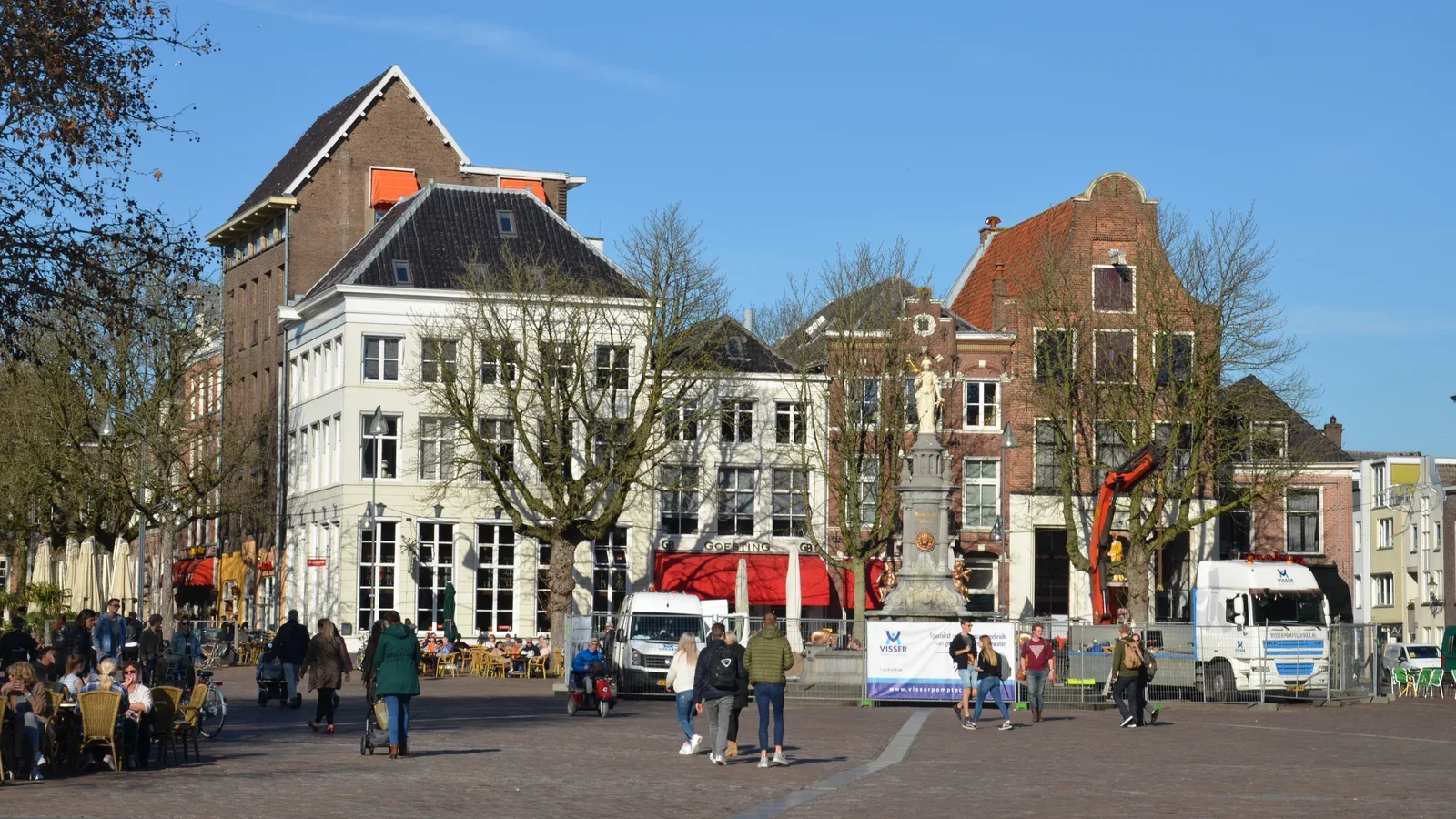
Deventer has a famous book festival, but in October the Book Market’s stalls are not there. The 2026 edition took place on Sunday 2 August, along the IJsselkade and in the city centre. What remains all year is the setting in which that market takes place: the Brink, the narrow streets of the Bergkwartier and, further on, the Lebuinuskerk. On foot, it becomes clear how this trading city has kept its old districts, and how close its history lies to life on the street.
Anyone walking from the Brink into the Bergkwartier is, according to VVV Deventer, following the old trading heart of the city. The district grew from the twelfth century onwards with Deventer’s annual fairs. Merchants from various parts of Europe settled here and built large houses. The Bergkerk, the medieval street pattern and merchants’ buildings still define the picture. The Brink forms the transition between that district and the rest of the centre; from there a walk can continue to the Noordenbergkwartier.
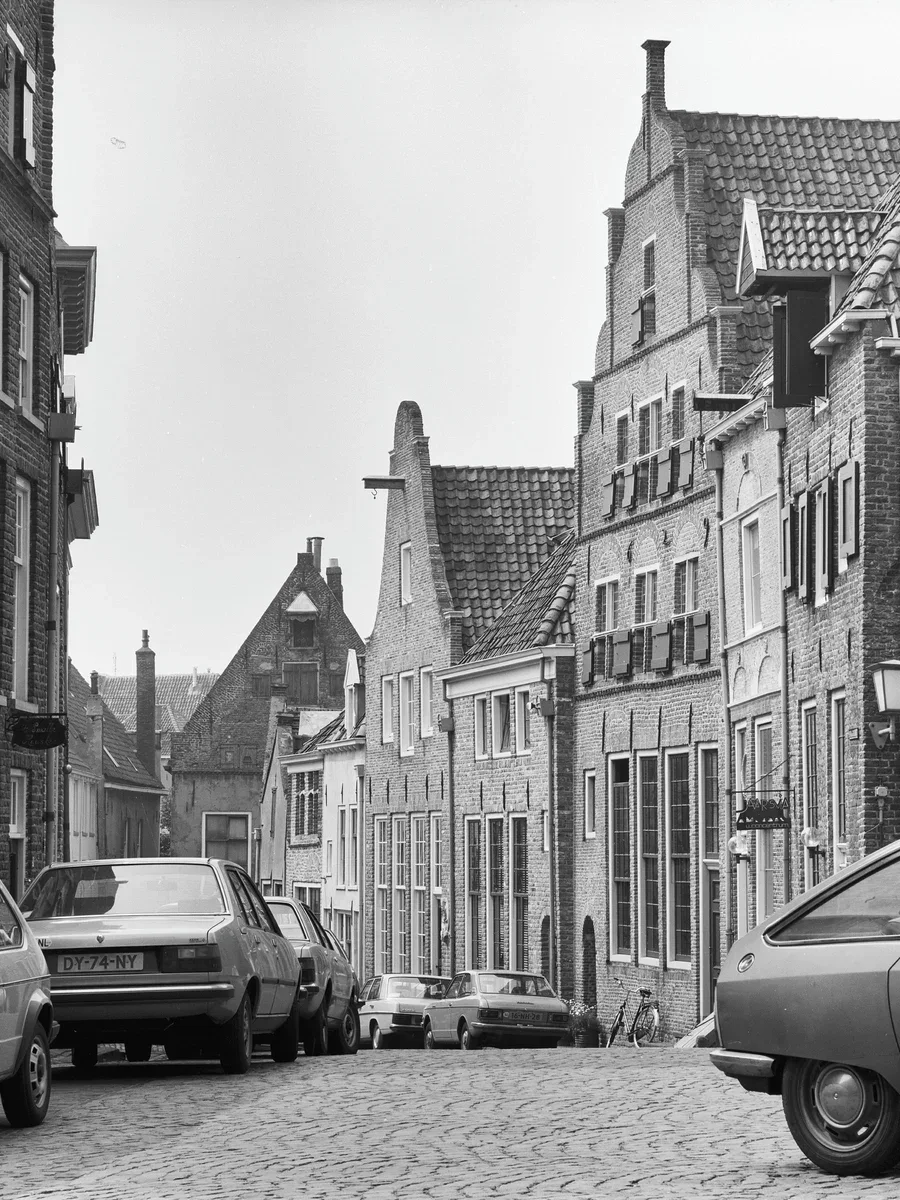
The present streetscape was not a given. After the fortifications disappeared, many old buildings became overcrowded and dilapidated. The Second World War brought new damage. In 1959, according to a story from VVV Deventer, a plan was ready to modernise the Bergkwartier drastically, with straight roads and room for cars. Instead, citizens, businesses and the municipality chose restoration. NV Bergkwartier bought, restored and let buildings. The winding streets are therefore also the result of a decision to preserve.
The route through the centre passes more than one layer of time. Besides the Bergkwartier, VVV Deventer mentions the Noordenbergkwartier, the town hall complex, the Lebuinuskerk and the oldest stone residential house in the Netherlands. Anyone walking from the Brink to the Muntengang sees another small trace: according to the VVV, the Muntentoren can be reached via this narrow stretch of medieval Deventer. Behind the Bergkerk, a small staircase leads up from the Bergschild. Passages like these make a walk more interesting than a straight line from monument to monument.
The name book city meanwhile remains visible in the annual calendar. According to the VVV, the Deventer Book Market covers more than six kilometres and has more than six hundred stalls. Dealers and antiquarians bring together children’s books, poetry, literature and comics there. This year the market fell on the first Sunday of August; it is therefore not an autumn-holiday event. It is, however, a reason to look at the IJsselkade and the city centre away from the crowds of market day. The contrast between the open river side and the narrow streets gives Deventer two very different walking impressions.
For a walk of your own, VVV Deventer offers a route booklet that leads mainly through the Bergkwartier. It is available at the VVV at Brink 89; the published price is four euros. There are also walks via the free IZI.Travel app. Anyone who prefers to walk with a guide can reserve a private guide through the VVV for a day and time of their choosing. You can also explore the district from the Brink without a fixed programme, and then the area around the Lebuinuskerk.
The core of this walk is a history of use and preservation. The old market brought merchants to the Bergkwartier; later the district was in danger of losing its streets, and restoration gave the buildings a new future. The Book Market shows every summer how Deventer draws people to the city centre again, while the facades, alleys and squares can be viewed in peace on an ordinary October day. Start at the Brink, look up at the buildings and take the small side streets: that is where the trading heart of the city is best read.