Ferries: the other side as an everyday stop
In Amsterdam, the other side is not a metaphor. It is a GVB route across the water, older than the electric tram.
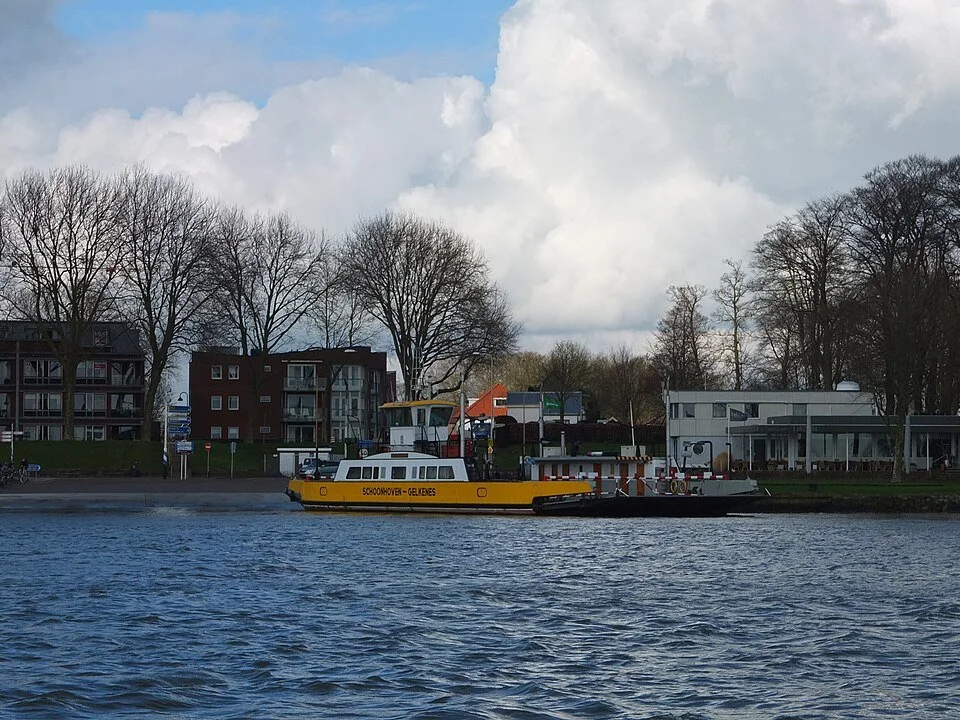
The Buiksloterveer is mentioned as early as 1308 and is regarded as one of the country’s oldest public transport routes. The Tolhuis on the northern bank recalls the time when crossing by ferry required payment of a toll. Since 1897, a municipal service has operated between Central Station and Buiksloterweg. In 1912, the passenger crossing became free after lobbying by residents of Amsterdam-Noord who wanted industry and housing development there to be better connected to the city.
In 1943, the municipal ferry services merged with the Gemeentetram to form the Gemeentevervoerbedrijf. Ferries remained important when the IJ waterfront still had no metro connection. New neighbourhoods brought new routes, from IJplein to NDSM. GVB also operates the ferries across the North Sea Canal, formerly national-government ferries. The canal cut through North Holland in the nineteenth century; the ferry is the seam. Pedestrians and cyclists generally cross there free of charge; motorists pay. Current departure times belong on the operator’s website.
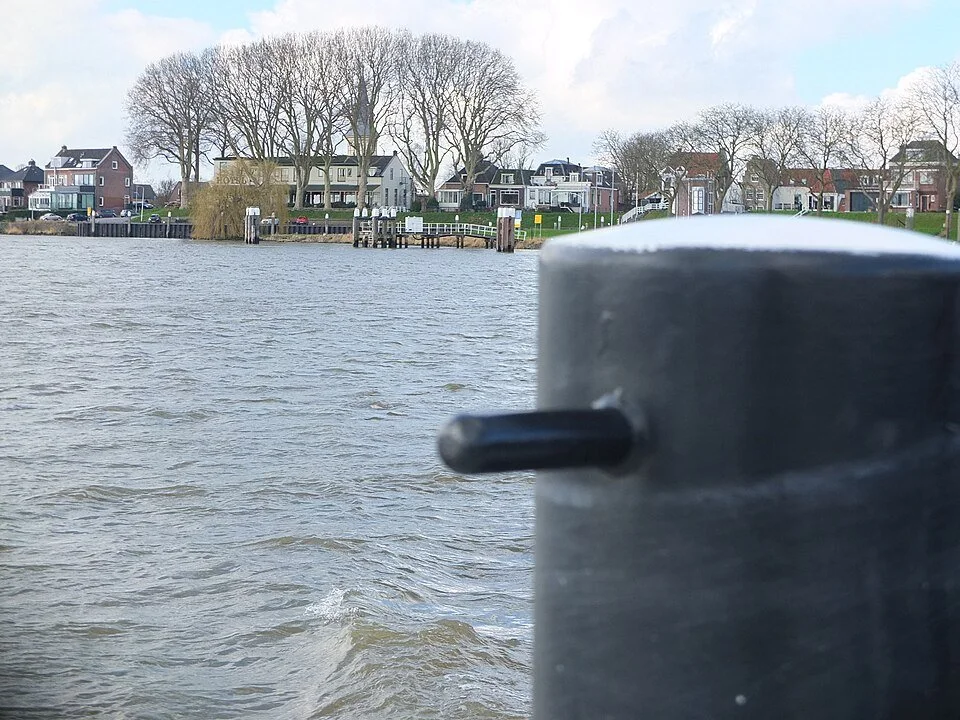
A ferry is not a sightseeing boat. It is the shortest route when a tunnel is absent or too far away. Bicycle, pushchair, delivery rider: all use the same quay. From the water, look at both banks at once. These two parts of the city depend on this crossing.
A fresh perspective
The nickname ‘overkanters’ for residents of Amsterdam-Noord comes from ferry traffic.
Look for the Tolhuis by Buiksloterweg: the old logistics of paying and waiting are still embedded in the building.