The Atlantikwall: coastal defence and the consequences for residents
Bunkers remain visible along the Dutch coast. In Scheveningen, a command bunker is still open on two days in October.
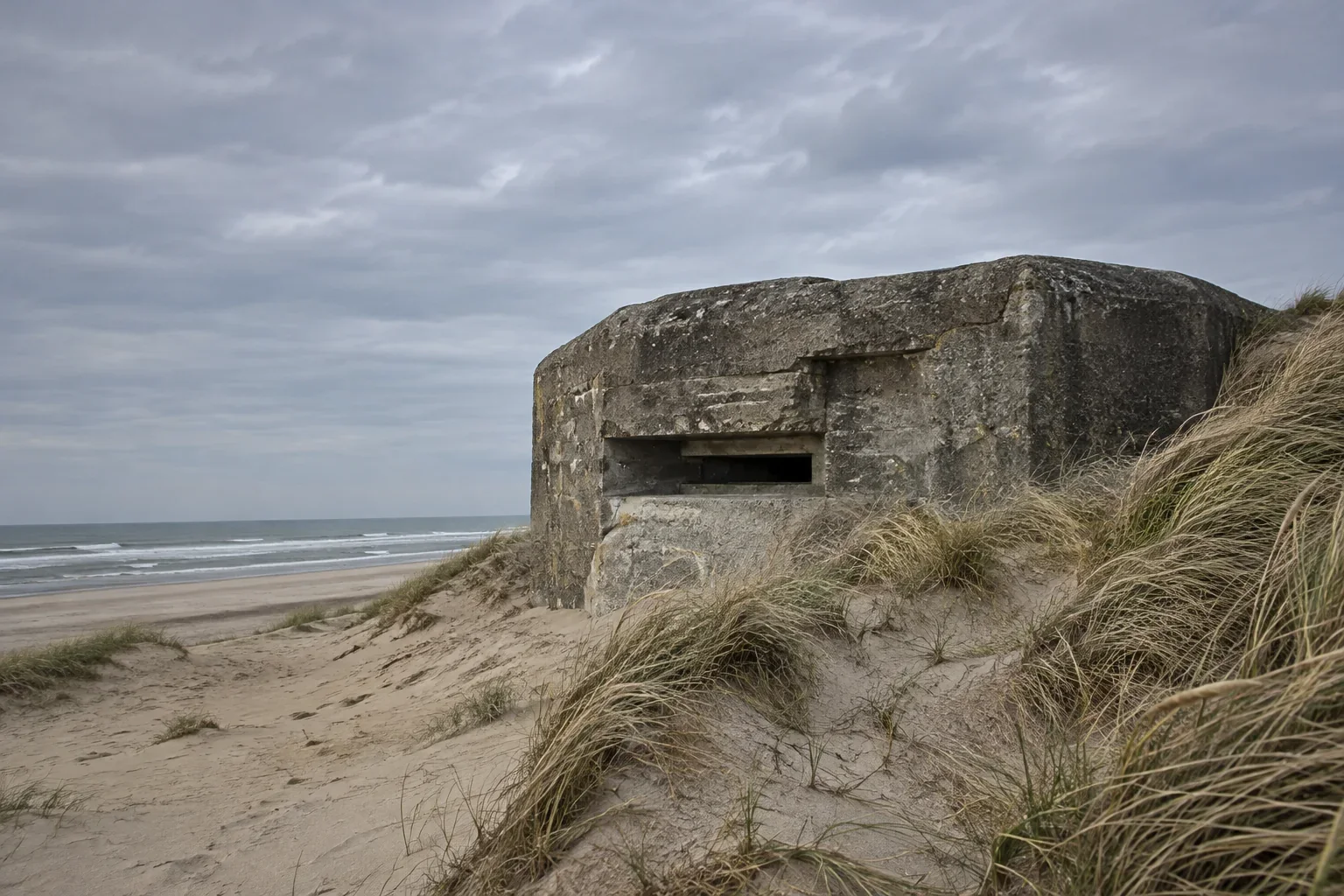
According to the Rijksdienst voor het Cultureel Erfgoed (RCE), the Atlantikwall was a coastal defence line of more than five thousand kilometres, intended to prevent an Allied invasion from the sea. It was expanded during the German occupation. Dutch coastal towns received bunkers and other military structures.
The construction had major consequences for residents. According to the RCE, hundreds of thousands of people were evacuated in the Netherlands and thousands of houses demolished. Anyone looking at the remaining bunkers therefore sees an architectural trace of a far-reaching occupation, not just a military construction.
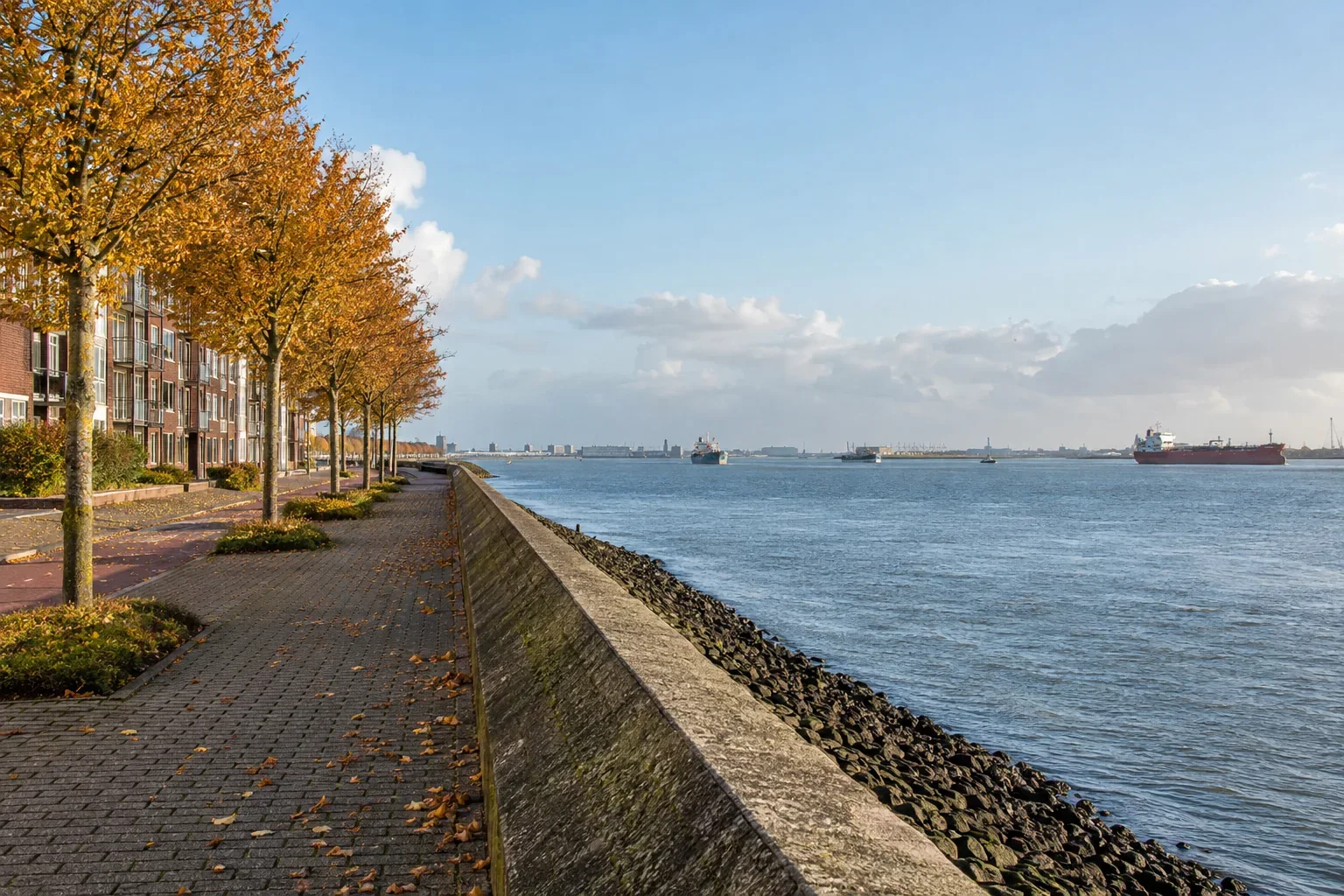
After the war, many bunkers were demolished, especially where they stood in the way. Bunkers can still be seen along the coast.
The Atlantikwall Museum Den Haag has an authentically furnished command bunker of type 608 on the Badhuisweg in Scheveningen. The museum places the location at house numbers 119–133, near the coffee house De Boshut. From the Wagenaarweg tram stop it is about a six-minute walk.
In 2026 the Badhuisweg location is still open on Sunday 18 and Sunday 25 October from 10.00 to 16.00; after that the season ends. An adult ticket costs € 9, a ticket for children from eight to seventeen years inclusive costs € 2, and children under eight enter free of charge.
The museum location at Kijkduin had a different schedule in 2026 and was only open on the first Sunday of the month until 4 October. Other bunker locations along the coast were not researched for current times in this dossier. A visit in October therefore calls for a targeted choice.