

 When does winter actually begin?
 Where do all those starlings come from?
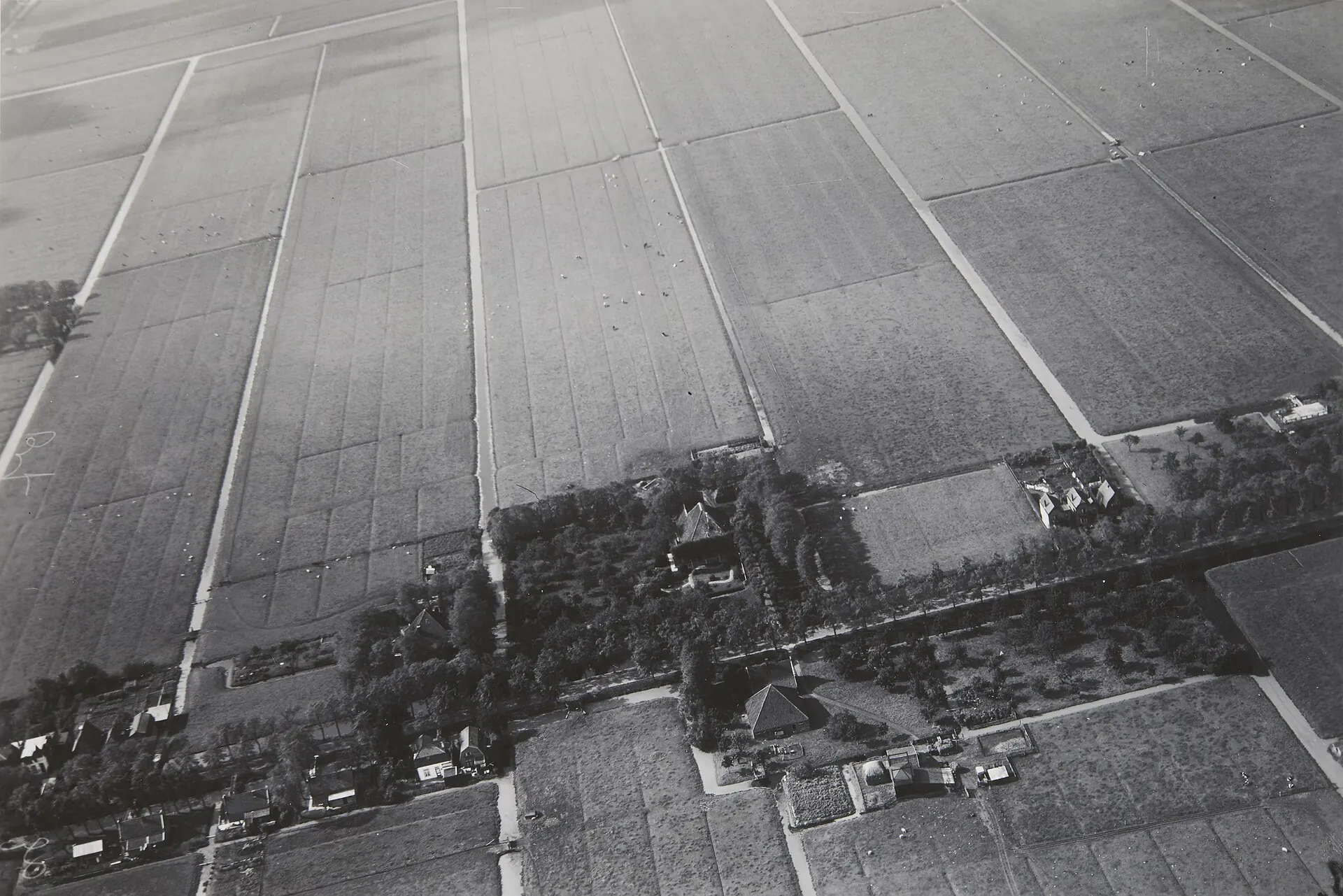 A lake divided into squares
 In the Kraansvlak, bison make sand baths
 The darkest place in the Netherlands
 Why does a frog crawl into the mud?
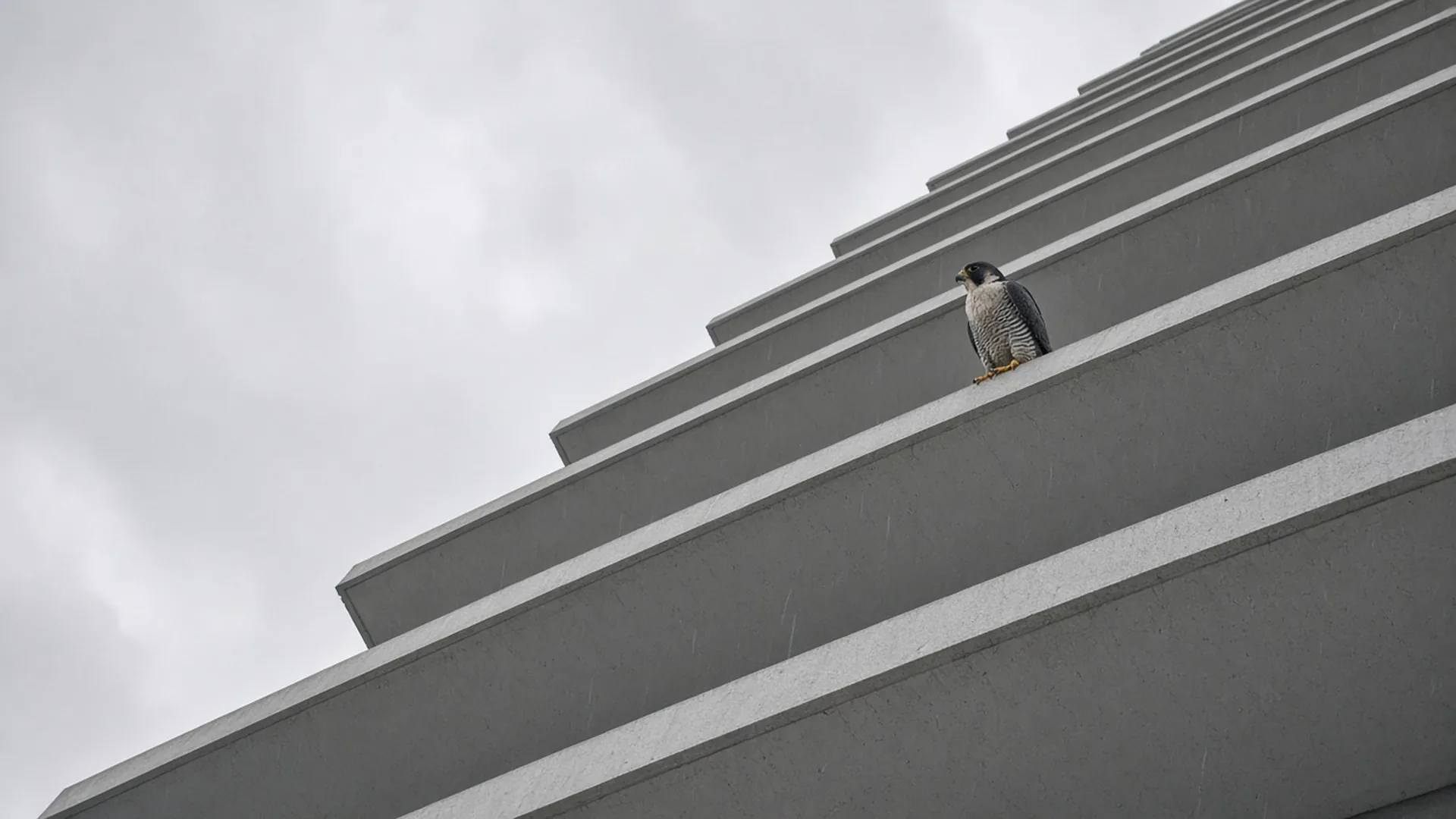 Peregrine falcon in the city
A falcon that dives at more than 200 kilometres an hour now breeds right in the middle of cities.
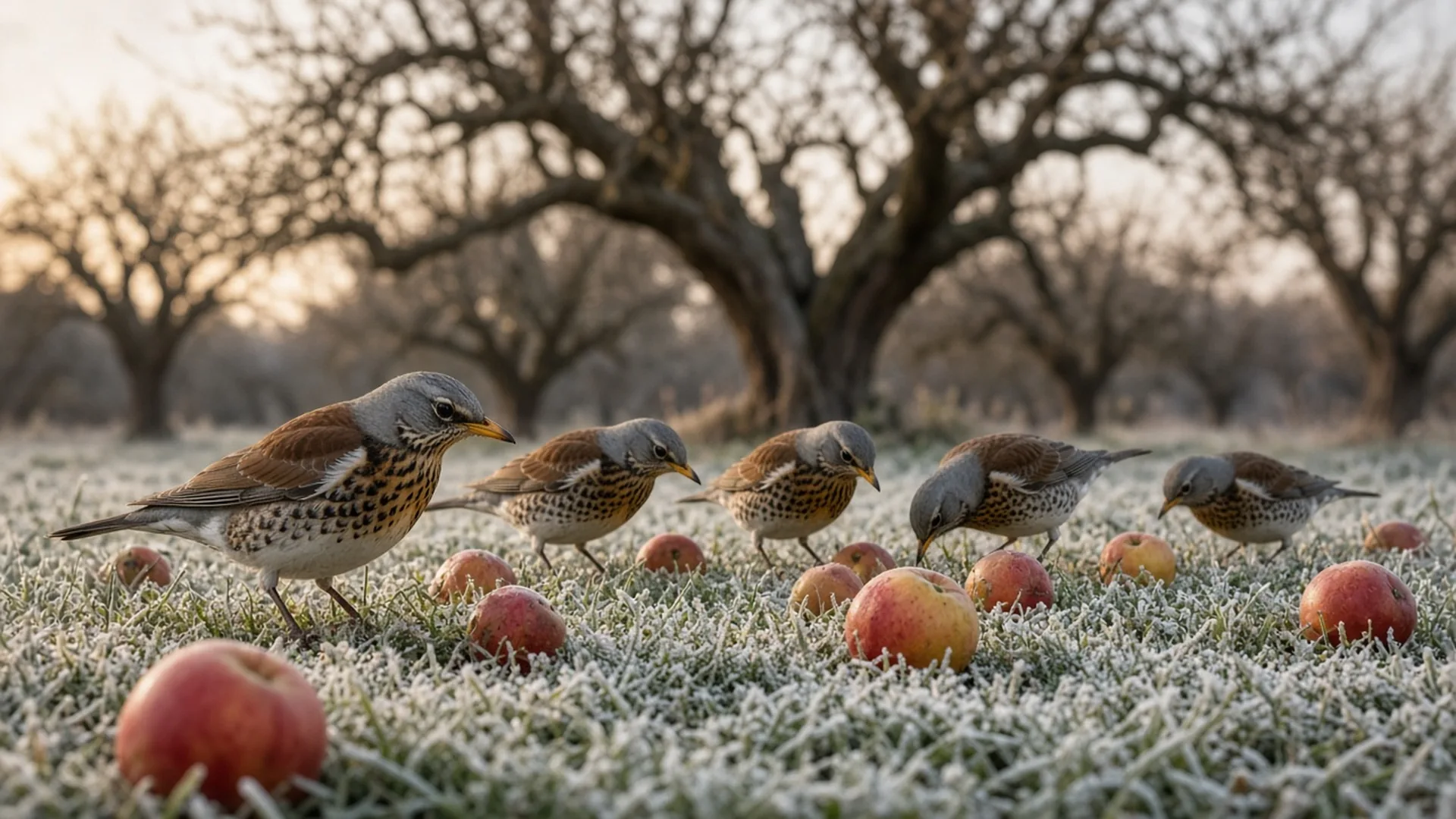 Chack-chack-chack in the meadows
In the Netherlands the fieldfare is seen mainly in winter: 200,000 to 500,000 wintering birds (2012/13-2014/15) and 10 to 25 breeding pairs (2018-2020). It loves berries and apples.
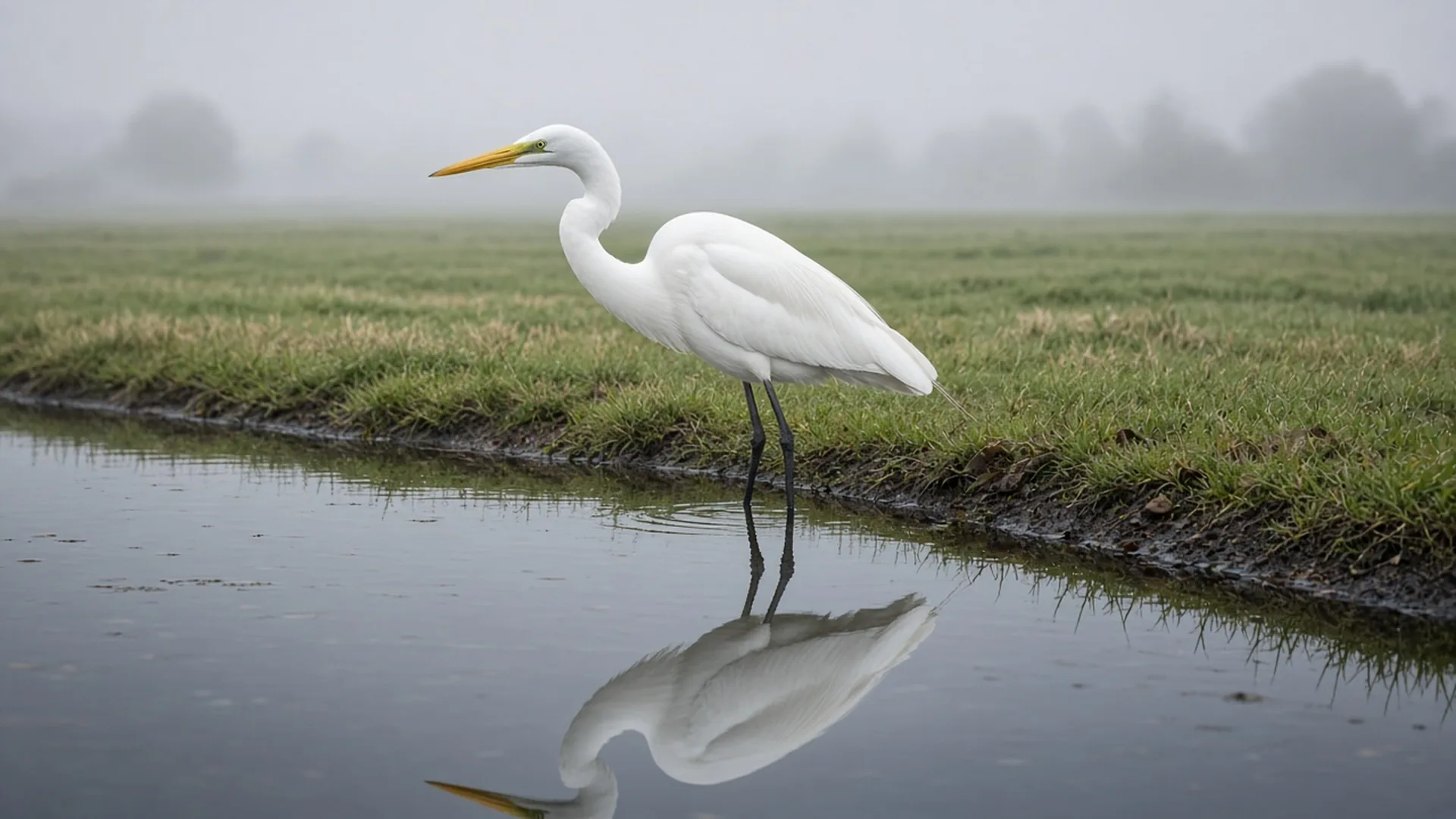 Almost wherever there is fresh water
The great egret originally comes from the eastern Mediterranean region. In winter it is found in the Netherlands almost wherever there is fresh water.
Earlier stories
 Winter Palace Het Loo: lights on from 27 November
On 27 November the lights go on at Paleis Het Loo in Apeldoorn, inside and out, until 3 January 2027. About a garden that moves into a greenhouse, a dolphin fountain in a load of rubble and rooms where the Oranjes celebrated Christmas.
 Valkenburg: the 40th Christmas market underground
The underground Christmas market in the Gemeentegrot opened for the fortieth time on 13 November, and beneath the castle ruin the Fluweelengrot waits. On marl tunnels, a shelter that was never used and a parade with its own route.
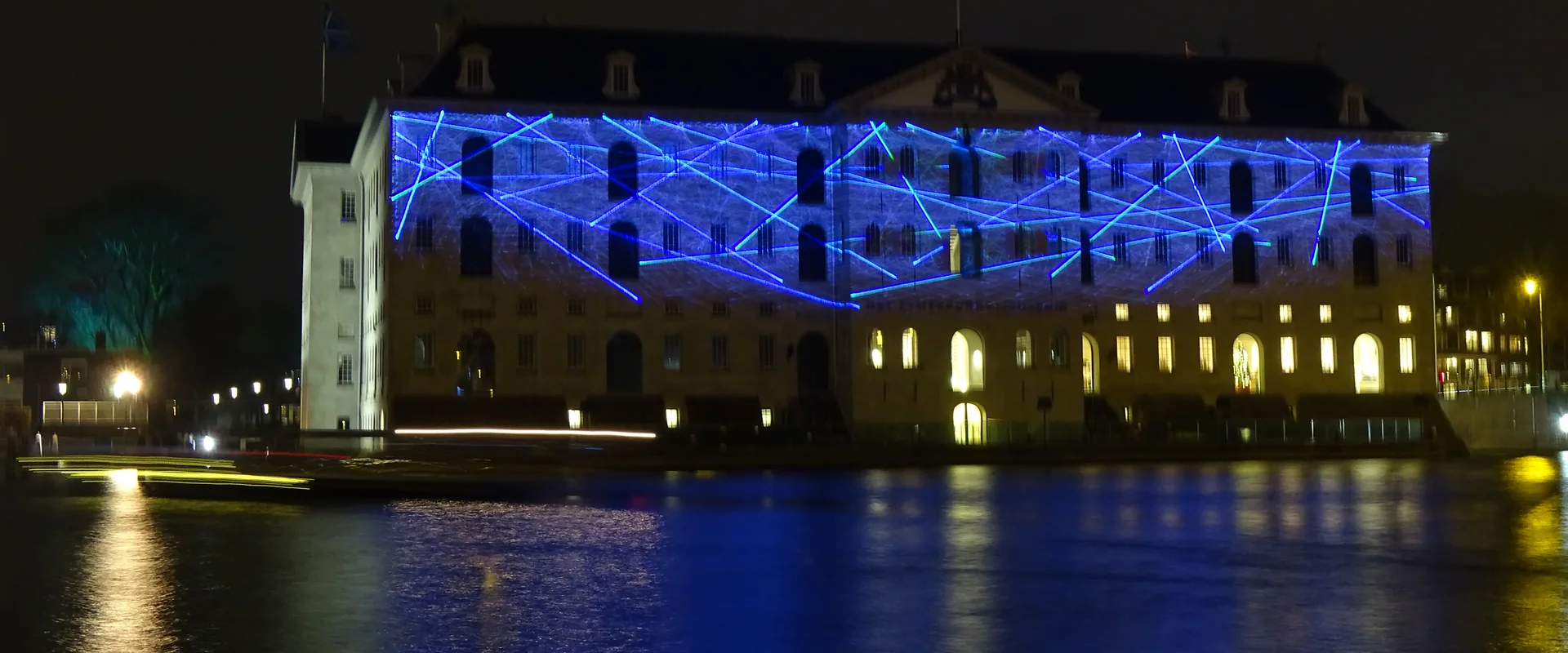 Amsterdam Light Festival: edition 15 switches on on 26 November
A lit aeroplane flew over Amsterdam as early as 1929. Now the Amsterdam Light Festival brings light above, beside and in the water again from 26 November to 17 January, with walking, cruising and three Light Nights.
 Last chance: IDFA runs until 22 November
A strike on Curaçao, a jungle training camp in Myanmar and a final flight to Nicosia: the documentary festival still shows 253 films from 80 countries until 22 November, spread over cinemas and festival venues across Amsterdam.
Landscape
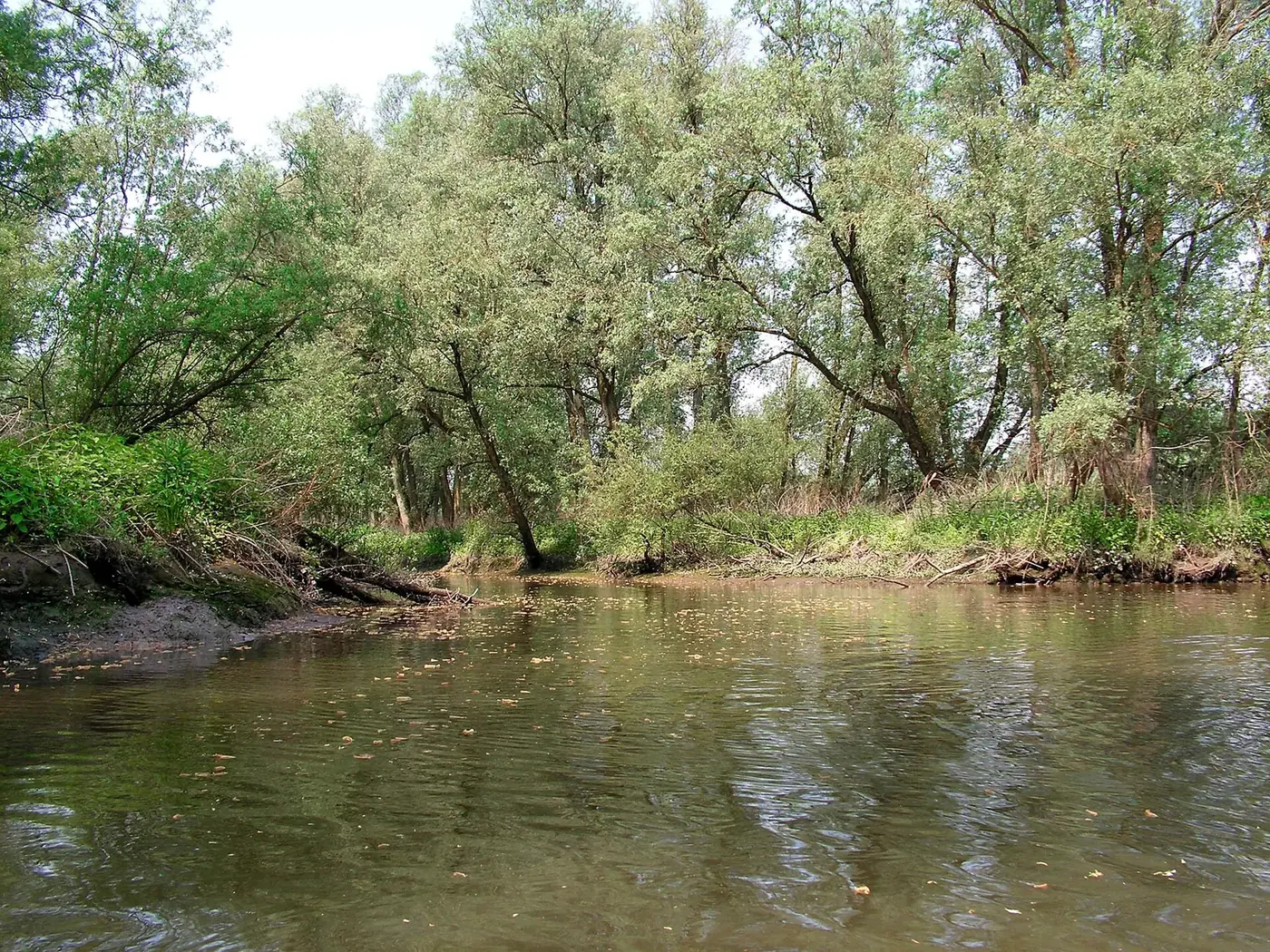 Looking for beaver signs in autumn: watch the branches, not a boat timetable
Beavers are mostly active at dusk. In October, gnawed branches and lodges are more realistic goals than seeing the animal itself.
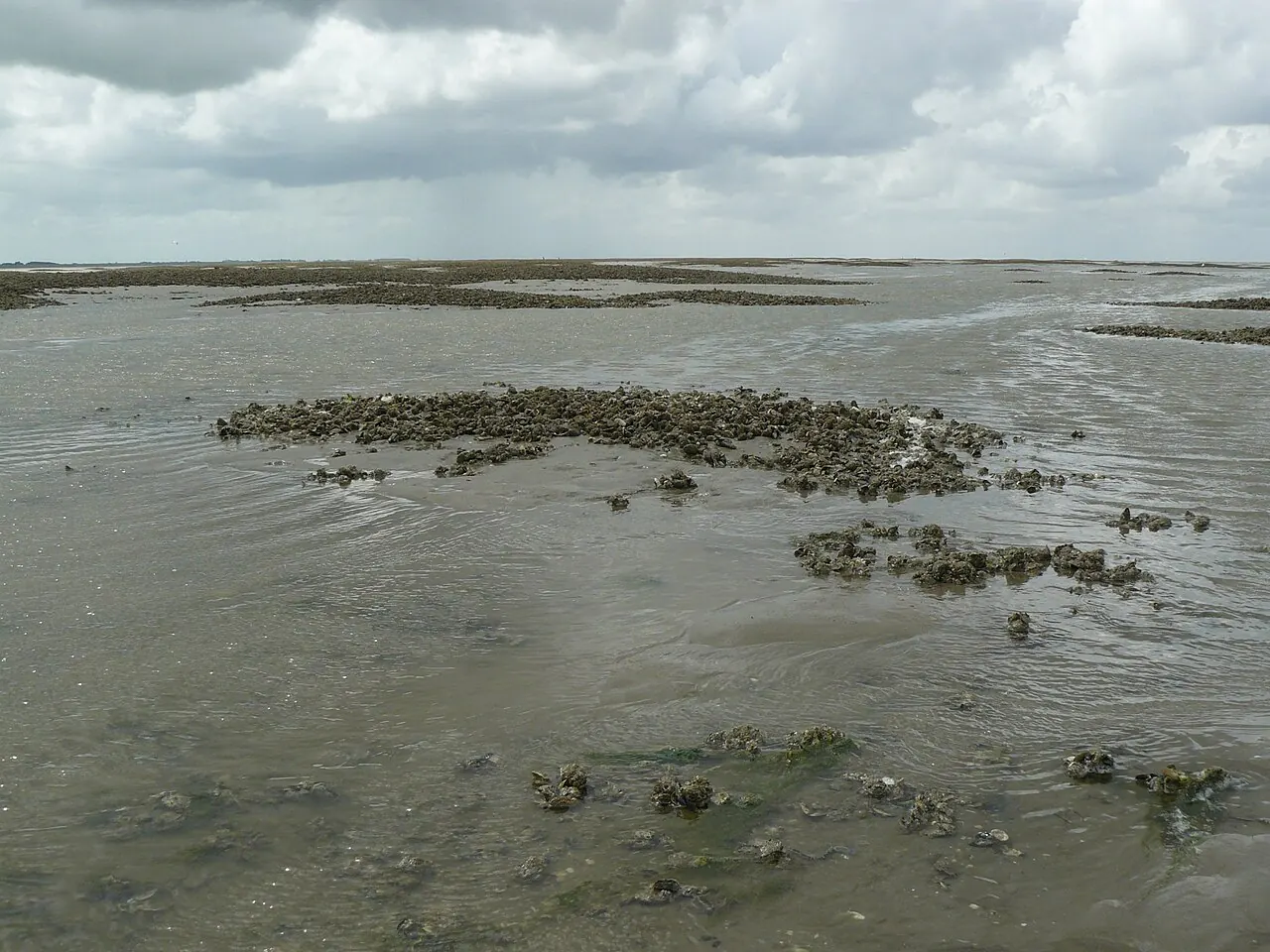 Schiermonnikoog at low tide: an autumn day of birds and changing water
The mudflats change by the hour. Plan an island day with room for birds, the salt marsh and a guided excursion.
 The Biesbosch by water: creeks, willows and the search for beaver signs
A boat trip shows this freshwater tidal landscape differently from a walk. Anyone hoping to discover beavers in autumn should distinguish finding their traces from seeing an animal.
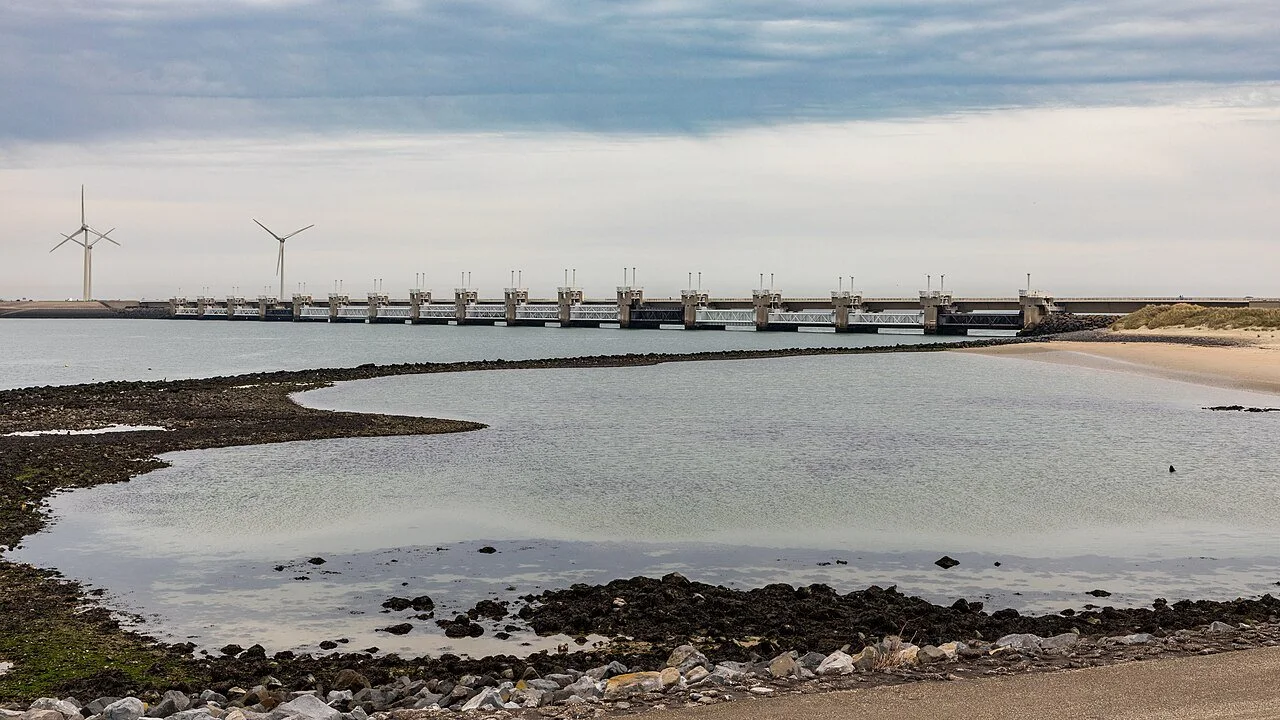 Why the Eastern Scheldt storm surge barrier is usually open
A barrier that is almost always open may sound like a job half done. In Zeeland, that is the essence of the design.
Also interesting
Background
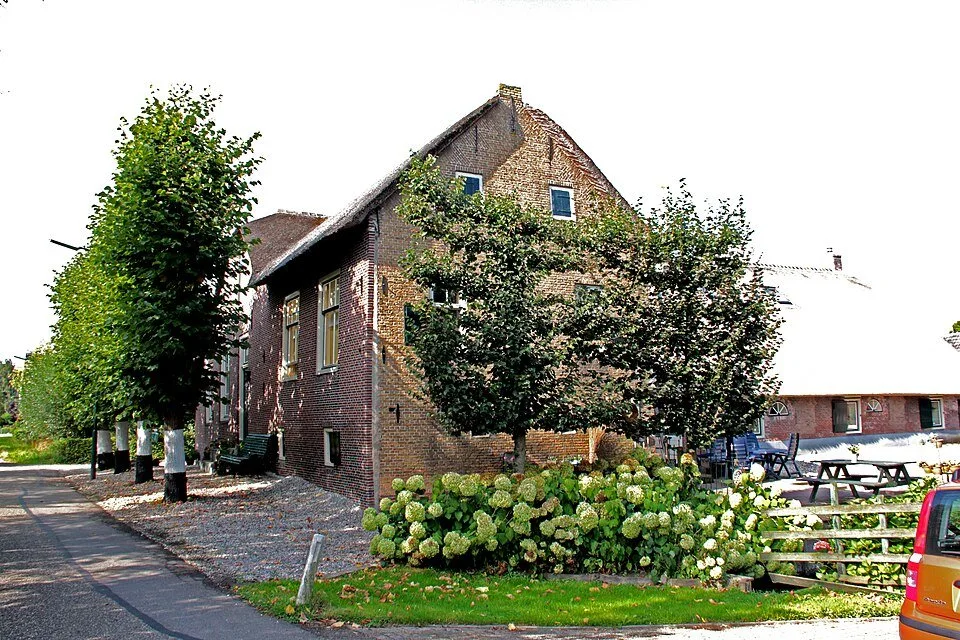 Why house numbers alternate: even on the left, odd on the right — or the other way roundWalk into a Dutch street and the numbers alternate: 1 opposite 2. That is not carelessness. It is a late-nineteenth-century way of making a house easy to find.
In the spotlight
Out and about
Museums & discovery
More to read
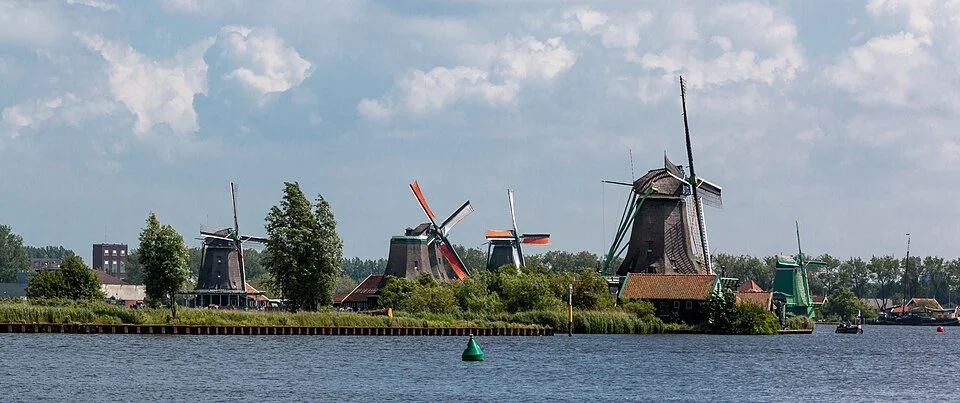
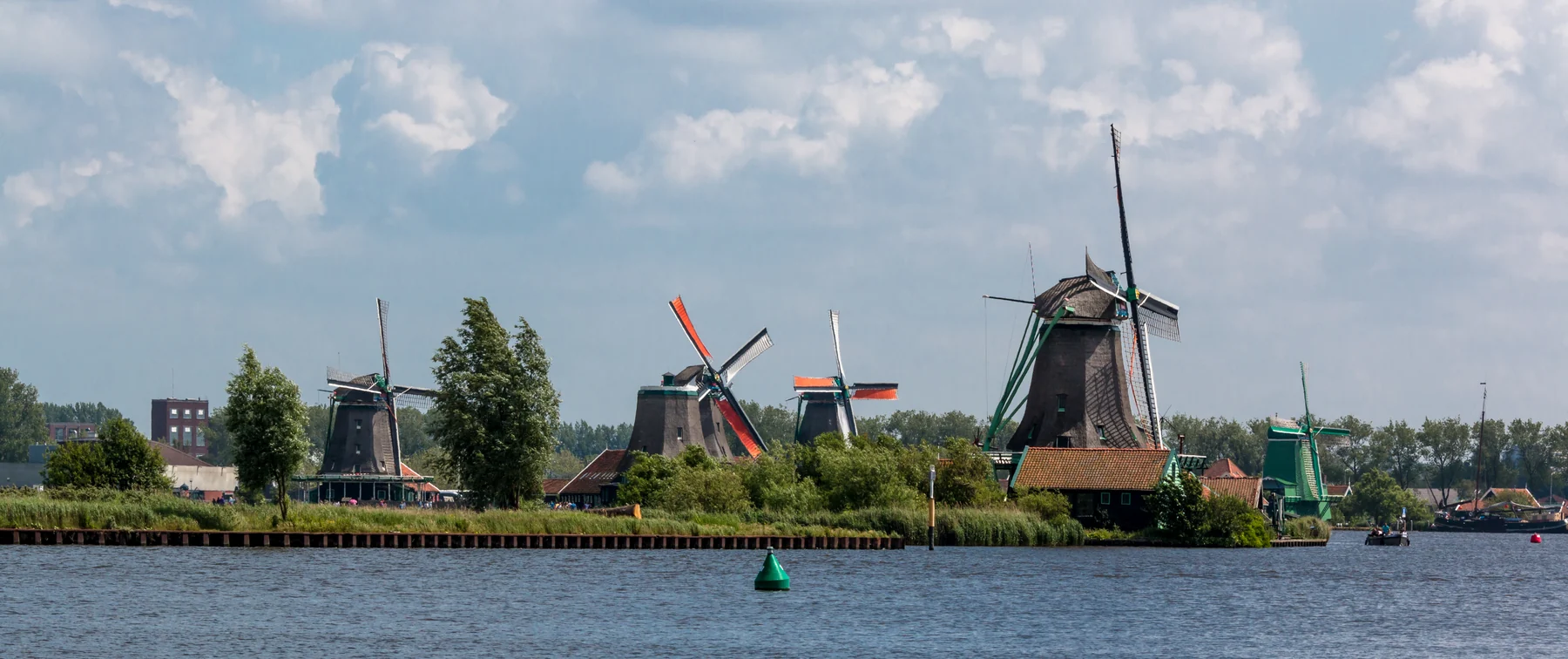 Zaanse Schans: windmills, museums and a village of moved houses
The Zaanse Schans was built in the twentieth century from buildings that once stood elsewhere in the Zaan region. What you see points back to a region where more than six hundred windmills turned in the eighteenth and nineteenth centuries.
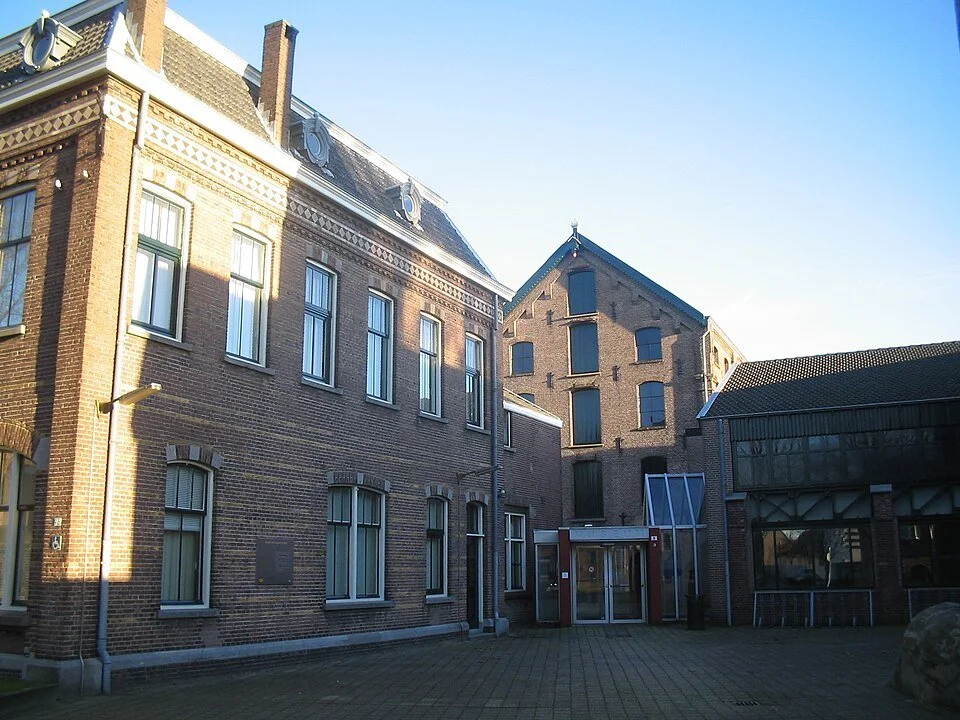
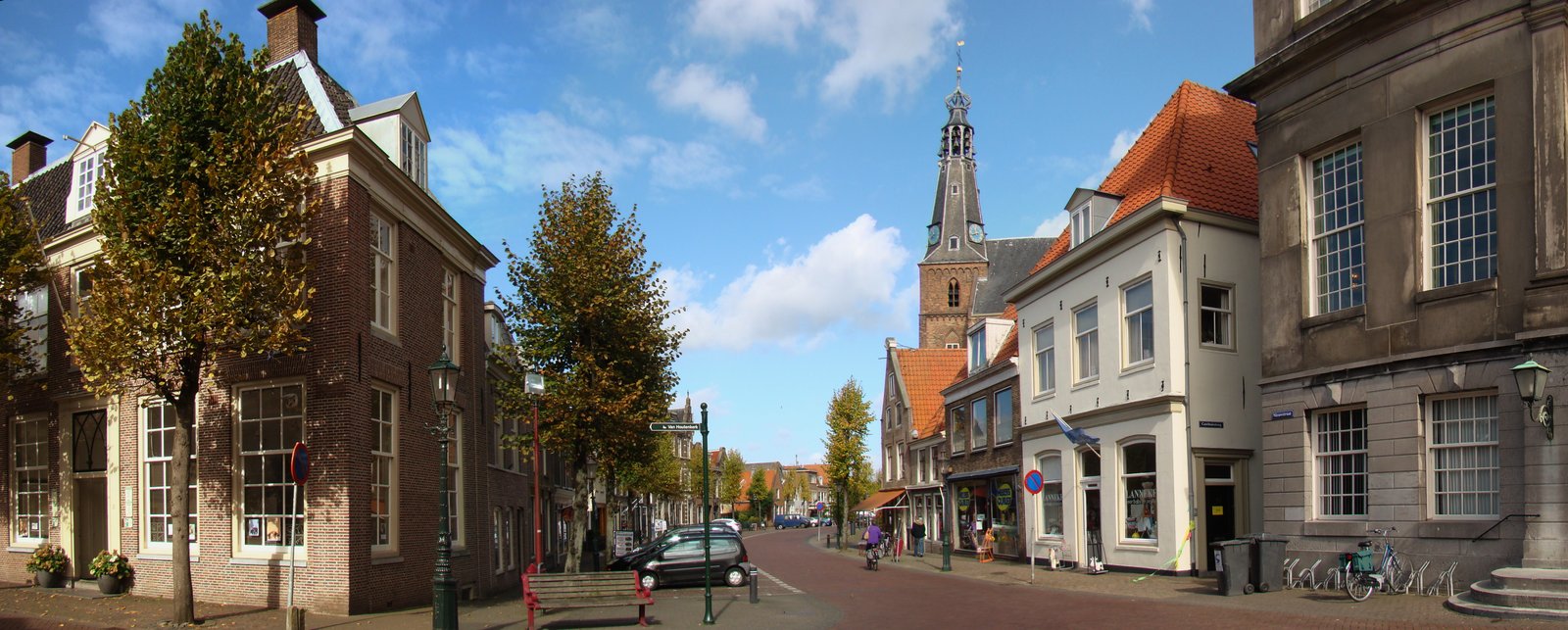 Weesp: porcelain and a town hall as the start of a town walk
Museum Weesp occupies the second floor of a town hall from 1776. It began as a single room of antiquities and now centres on the porcelain made in Weesp. From the museum you can walk to the church, the mill and the fort.
- Last chance in Leeuwarden: animal mummies at the Natuurmuseum
- Valkenburg opens its Christmas caves on 13 November
- Veenhuizen: a winter fair at the old prison in the colony
- Hellevoetsluis in autumn: naval harbour and dry dock
- Callantsoog in autumn: a coastal village beside the closed Zwanenwater reserve
- Egmond aan Zee in autumn: lighthouse, beach and dunes
- A little wink from the stars
- The woman who fed the sea