Huis Bergh in autumn: a castle with a new museum route and old layers
The castle in ’s-Heerenberg reopened in September 2026. Beyond the moat are centuries of building history, a large art collection and a visit worth planning.
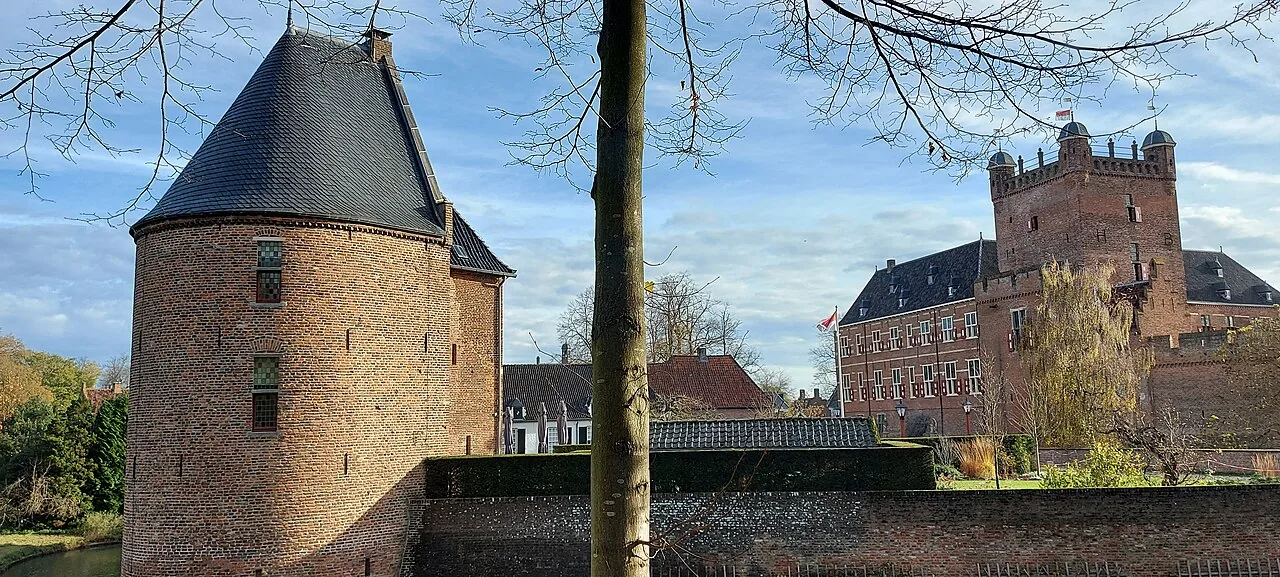
On the edge of ’s-Heerenberg stands Huis Bergh: a castle, museum and gateway to an estate at once. For an autumn visit, it is tempting to look only at the towers and moat. Inside, however, lies another story about collecting, restoration and rearranging the rooms. According to Huis Bergh, the castle was ceremonially reopened on 17 September 2026 after a long renovation. Since 19 September, visitors have been able to follow its renewed route. That makes the place timely in October, without implying that an exhibition or demonstration is held on every date. The exterior photograph shows the castle at an earlier moment and says nothing about conditions on the day of a visit.
According to Huis Bergh, the building’s history begins with an artificial mound in marshy ground, where a tower rose around 1100. The complex grew over the following centuries: a brick defensive wall, another residential tower and an outer bailey were added. The castle did not remain unchanged. After a fire in 1735, the main building was repaired and acquired different windows, among other changes. A second fire in 1939 again devastated the main building. Residents of ’s-Heerenberg then helped move much of the art collection to safety. Walking through the structure today therefore does not reveal an uninterrupted medieval interior, but a monument marked by several phases of construction and repair.
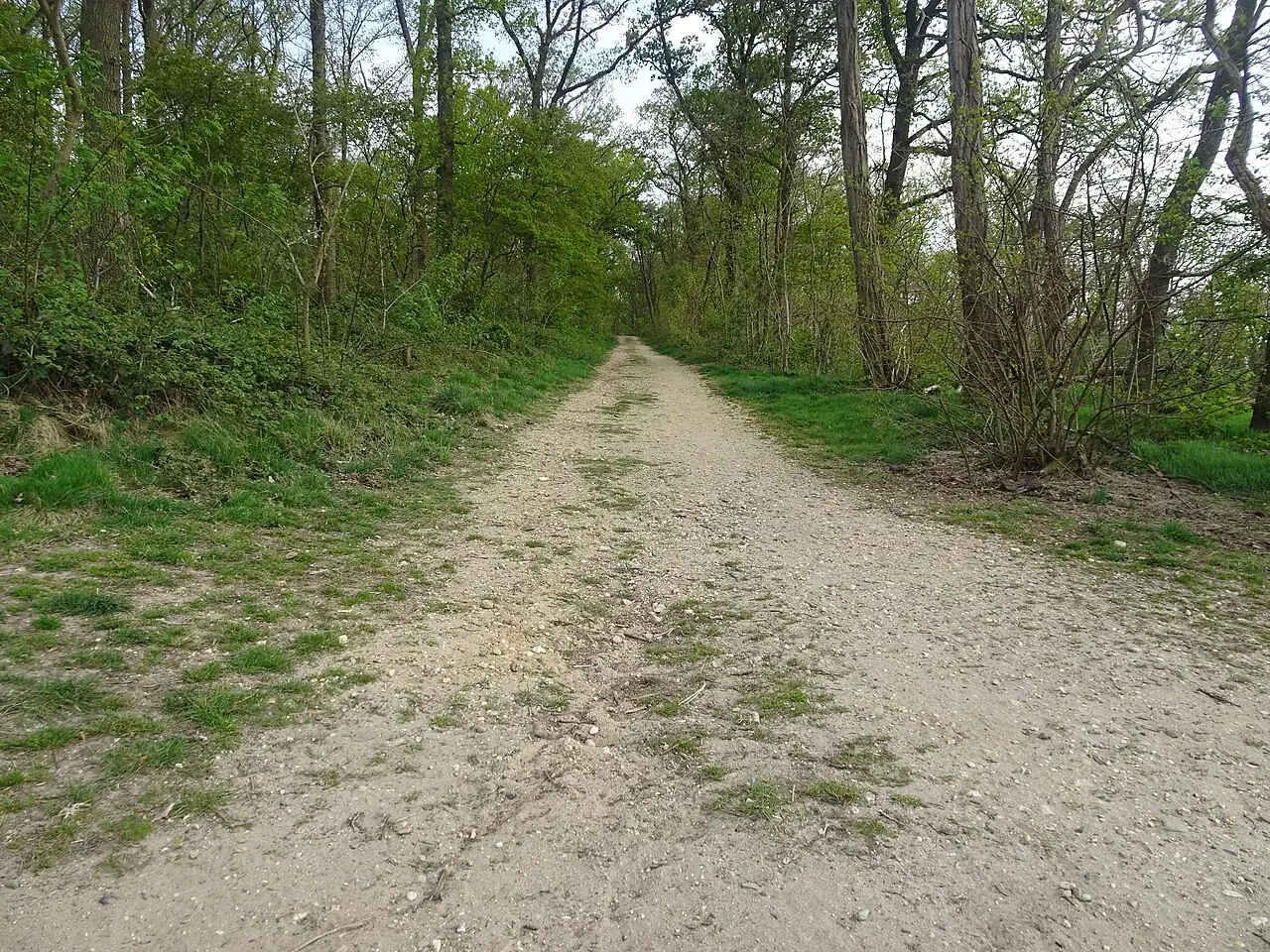
A key figure is Jan Herman van Heek, the textile manufacturer who bought the castle in 1912. He had it restored, installed his art collection and transferred the castle, collection and estate to the Stichting Huis Bergh foundation in 1946. The institution says the collection contains about 15,000 objects, including early Italian paintings, medieval manuscripts and sixteenth-century German art. That figure describes the whole collection, not the number of works on view during an ordinary visit. The foundation says its new presentation gives more space to the residents and their relationship with the town alongside the art. The second photograph shows the estate, not a current museum room.
The archive also explains why Huis Bergh is more than a picturesque castle. The oldest document named by the institution dates from 1227; from 1450 onward the records have survived remarkably completely. Charters and accounts describe rights, administration, woods and tenant farms, among other subjects. Huis Bergh makes the archive available to researchers by appointment. For an ordinary museum visitor, this is chiefly a reminder that the building belonged to a wider network of government and landholding. Outside, the estate connects the castle with the surrounding Montferland landscape. A quick circuit of the moat alone misses the relationship between building, collection, town and countryside.
Practical details deserve as much attention as the historical story. The visitor page lists opening from Tuesday to Sunday, 11 a.m. to 4 p.m., during September and October 2026; the castle is closed on Mondays. Huis Bergh recommends booking an admission ticket in advance in October. The page lists €16.50 for adults, €9.50 for children aged four to eighteen, and free admission with a Museumkaart. These details may change and do not show whether a particular time slot still has places. The address is Hof van Bergh 8. The directions page mentions paid parking at the castle and a walk of about ten minutes from the bus station in ’s-Heerenberg.
A useful visit plan therefore begins with Huis Bergh’s current ticket page and events calendar. For an indoor visit, the ticket page lists available rooms and activities and whether a time slot is required. For the exterior and landscape, separate access rules apply to the grounds and gardens. Autumn light and tree colour cannot be scheduled; an older photograph is no forecast. What the sources do establish is an accumulation of stories: medieval beginnings, two fires, Van Heek’s rescue of the complex and a renewed museum presentation in 2026. Those layers make Huis Bergh more than a backdrop for a single photograph.