Zwolle follows the trail from gate to trading waterway
A walk past the Sassenpoort, the Peperbus and the Thorbeckegracht makes the Hanseatic city legible. During the autumn holidays, ANNO explores how Zwolle came into being.
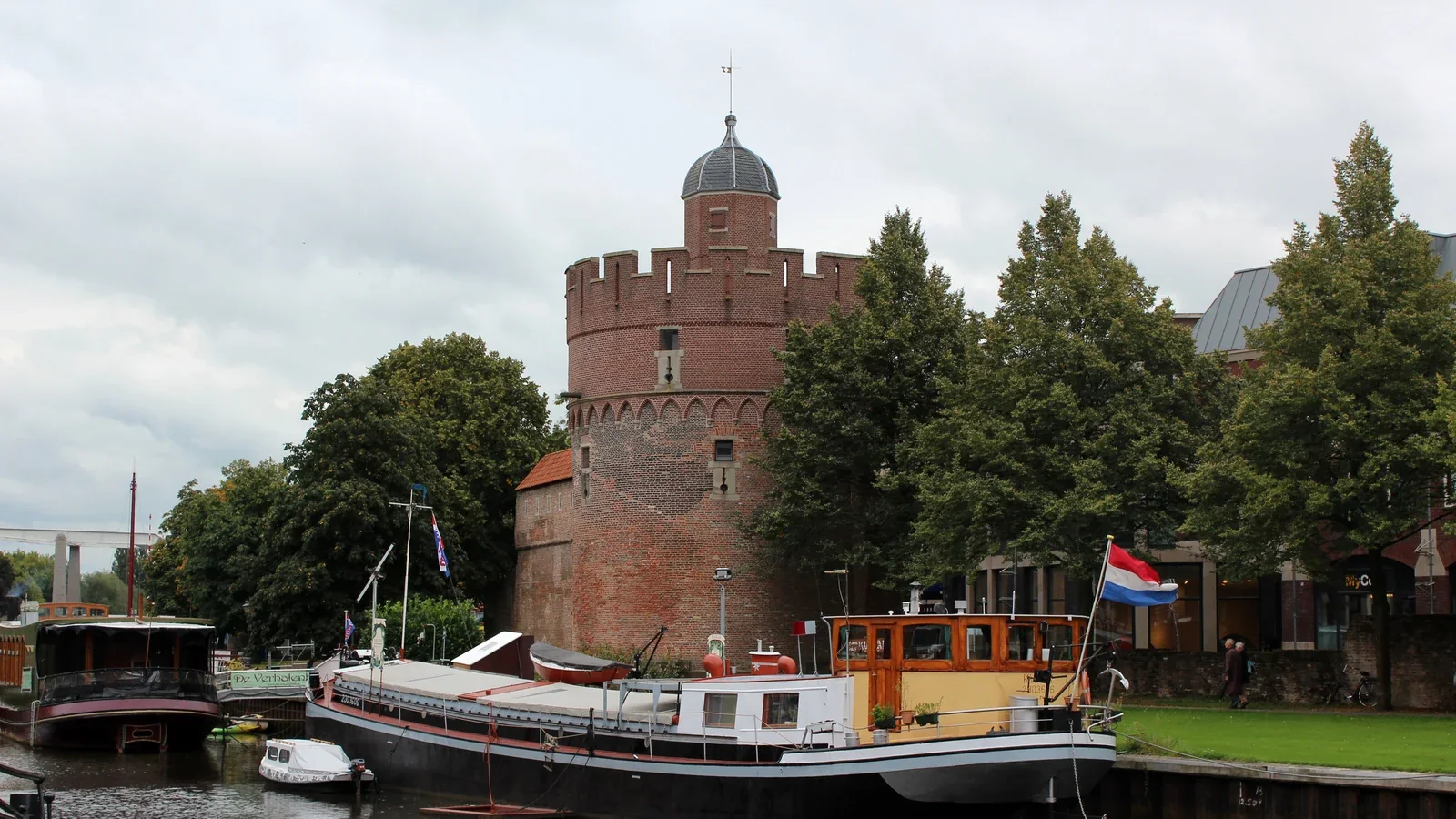
On Tuesday 13 October, children at ANNO Stadsmuseum Zwolle can design their own dream city or pay a visit to an archaeologist. During the autumn holidays the museum thus puts the study of the city centre stage. Outside, a different introduction to Zwolle begins: the Hanseatic City Walk leads from the Melkmarkt past the Grote Markt, the Sassenpoort and the Peperbus. Together, those places explain why the city can still show its trading past in stone and along the water.
The place where Zwolle grew was an advantage in itself. According to Visit Zwolle, the city arose on a coversand ridge between the IJssel, the Overijsselse Vecht and the Aa: higher ground in a wet landscape. The settlement received city rights in 1230. The Zwarte Water later gave a link to the Zuiderzee and onwards to the Baltic, while the IJssel opened the way to the German hinterland. Trade thus had two directions, over the water and inland.
According to the city’s history, grain, fish, salt, cloth, timber and beer passed through the hands of Zwolle merchants. In 1407 Zwolle joined the Cologne quarter of the German Hanse, the network of cities that offered merchants agreements and privileges. The trading centre lay on the Grote Markt. Visit Zwolle’s route passes the Sint-Michaëlskerk there and then runs through streets where warehouses also recall the goods that were stored and transshipped.
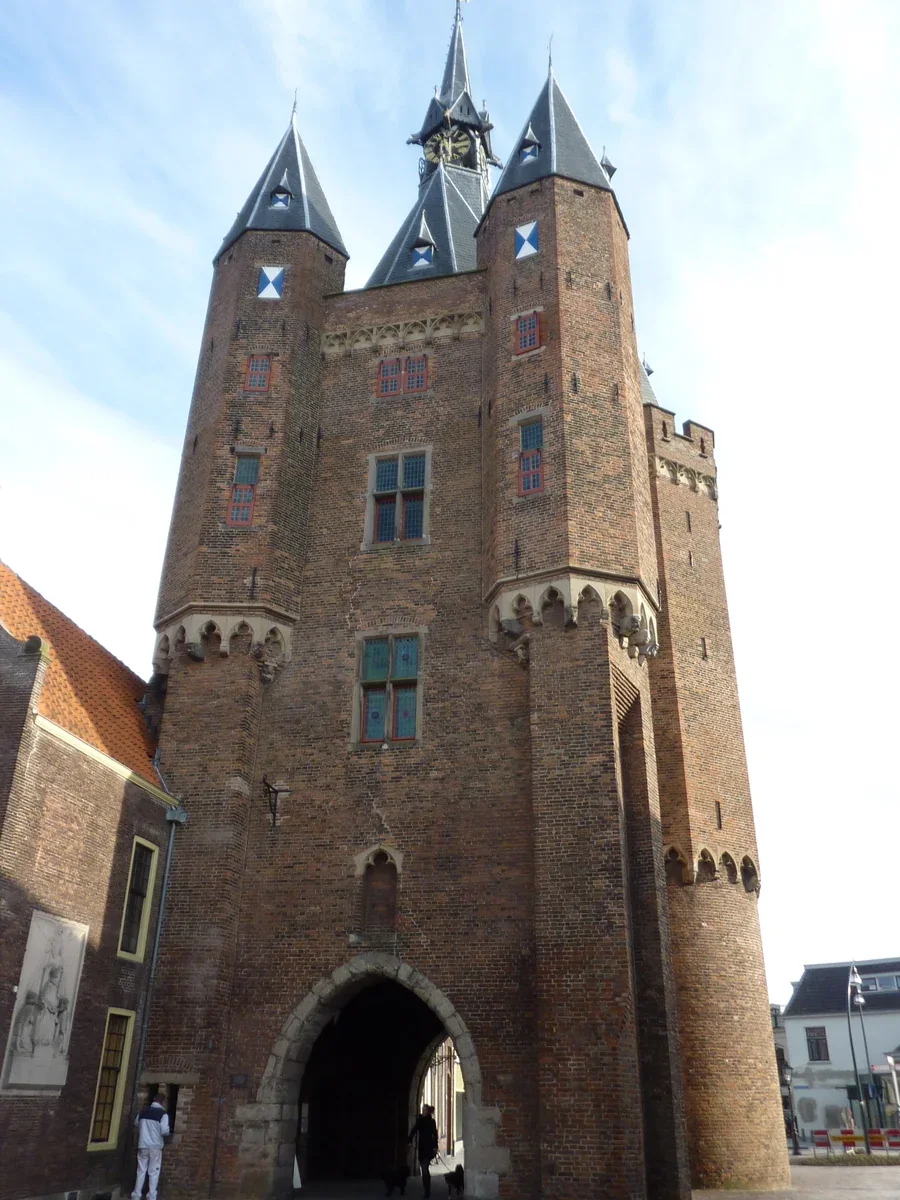
At the Sassenpoort, that trade acquires a clear boundary. The gate, probably dating from 1409, is the largest surviving city gate of Zwolle. Gatekeepers inspected carts before opening the doors to the city. The building later lost its defensive function and was used as a prison in the seventeenth century. From 1898 to 1980 it housed the Provincial State Archives in Overijssel.
Further on, the Peperbus forms another landmark. That nickname belongs to the tower of the Basilica of Our Lady. The Thorbeckegracht and the Pelserbrugje are also traces of the trading city: according to Visit Zwolle, ships came here to unload. The Hopmanshuis stood on a former trading quay and served as a warehouse for goods to and from Germany and Amsterdam. Gate, tower and canal thus each show a different side of the same urban history.
Anyone who wants to link these places on foot can follow Visit Zwolle’s Hanseatic City Walk. The route is 4.6 kilometres long and, in the published description, starts at signpost K27 on the Melkmarkt; along the way a red arrow and the Hanse logo show the way. The description mentions the Grote Markt, Sassenpoort, Peperbus and Thorbeckegracht, among others. In this way the walk links various traces of the Hanseatic city in a single route through the city centre.
On 13 October, ANNO at Melkmarkt 41 offers a separate programme: from 10.30 to 12.00, children aged six and over design a dream city, and from 13.00 to 16.00 there is an activity with the archaeologist. According to the museum, the Living Board Game runs from 10 to 18 October. ANNO is open on Tuesdays from 10.00 to 17.00; its own page lists admission of € 12.50 for adults, € 6.00 for children aged four to eighteen, and free entry with a Museumkaart.