Drought on high sandy soils: why a wet spring is not enough
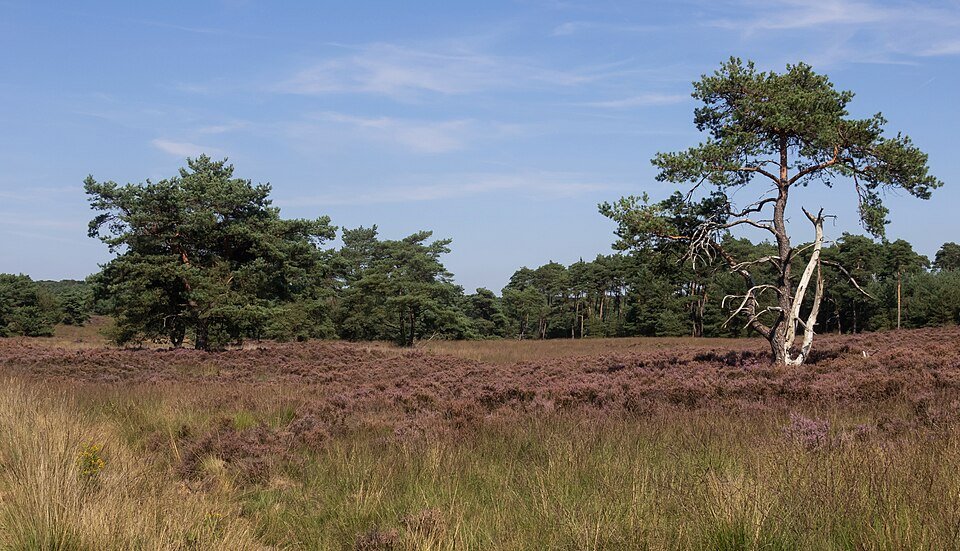
On the Veluwe or in the Achterhoek, everything can look green in May and still be too dry beneath your feet. The sponge fills more slowly than the rain falls.
High sandy areas are found in Drenthe, Overijssel, Gelderland, Utrecht, North Brabant and Limburg: the Hondsrug, Veluwe, Achterhoek, Twente, Utrechtse Heuvelrug and Brabantse Wal. Their weakness is that large parts of these areas receive little or no river water. They depend on rain that has to soak into the soil. Drinking-water companies, industry and agriculture extract groundwater there. When reserves fall, streams drop and nature dries out.
Sand retains water poorly compared with clay or peat. Rain quickly sinks away or runs off. In summer, crops and soil lose extra water through evaporation. A wet week in April mainly replenishes the upper layer. Deeper groundwater, the reserve for heathland, raised bogs and the base flow of streams, responds later. Drying has been occurring for decades: lower groundwater levels, streams that periodically run dry, and damage to agriculture, towns and nature.
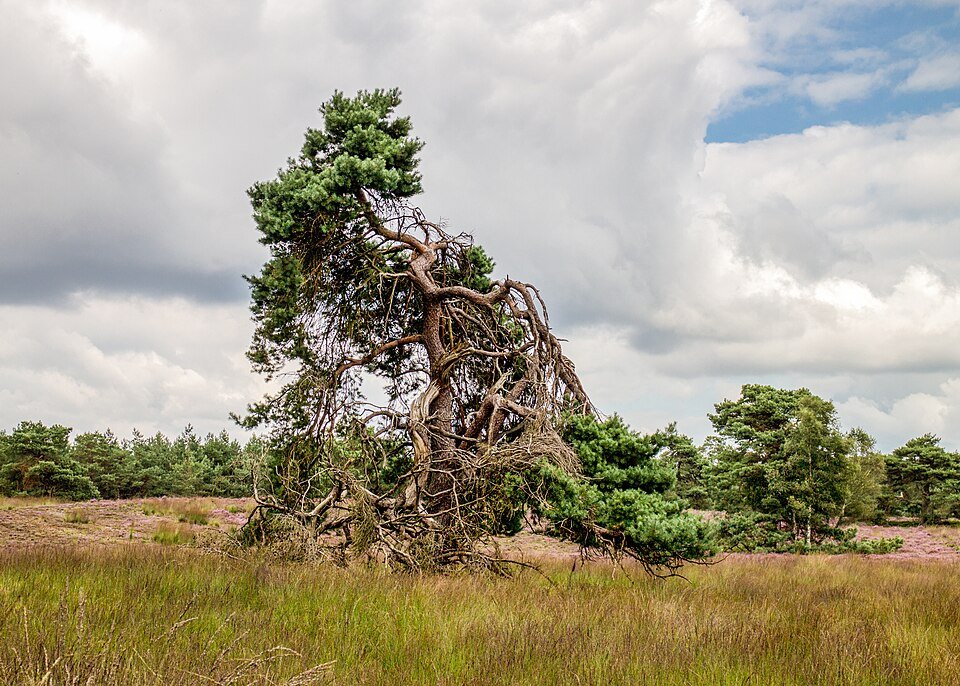
The Province of Gelderland draws the same lesson for the Achterhoek: resilience means retaining water instead of draining it away immediately. Heavy downpours cause flooding on one plot and shortages on the next. KNMI’23, as summarised in the Delta Programme, makes the challenge greater: longer dry periods, heavier downpours. Rainfall needs to be retained more effectively throughout the year.
For walkers or residents, the difference is tangible. In many polders, groundwater lies closer to the surface and river water can be let in. On a push moraine, the rain itself has to do the work. A green lawn in May therefore says little about the groundwater reservoir beneath the Veluwe.
Look at springs, stream valleys and dry ditches on the slopes. If they are already struggling in spring, the winter reserve is not in order. Wet weather helps. It rarely settles the whole bill.
A fresh perspective
According to the Delta Programme, the high sandy areas cover about half of the Netherlands and depend largely on rainwater rather than river-water intake.
After rain, compare a sandy path on a push moraine with a polder ditch: on sand the puddle quickly disappears, while in the polder the water level remains visible.