Autumn equinox on 23 September: why autumn in the Netherlands has two start dates
The astronomical autumn began on 23 September at 2.05 a.m., while meteorologists have been counting autumn since 1 September. How that works, and why day and night are not exactly the same length at the equinox.
Hollandmagazine editorial team ·
In the night from Tuesday 22 to Wednesday 23 September 2026, at 2.05 a.m. Dutch time, the astronomical autumn began. At that moment the sun stood directly above the equator, Hart van Nederland reported on 22 September. The time matches the table of the U.S. Naval Observatory, which puts the September equinox of 2026 on 23 September at five past midnight Universal Time. In Dutch summer time, two hours later, that is 2.05 a.m.
Yet meteorologists had already been counting autumn for three weeks by then. For the KNMI, autumn begins on 1 September. So there are two start dates, and both have a good reason behind them.
Astronomical autumn: the sun above the equator
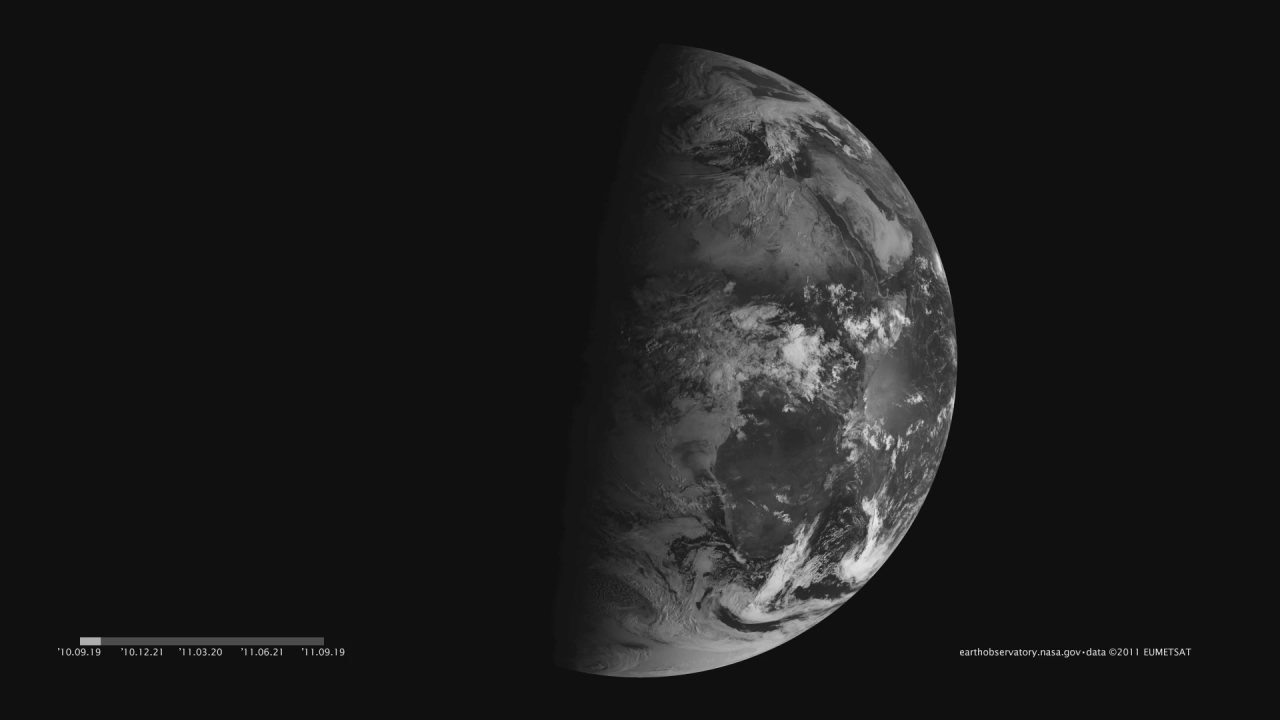
The astronomical seasons depend on the position of the earth relative to the sun. Around 23 September, the sun stands directly above the equator, the KNMI explains. The northern and southern hemispheres then receive roughly the same amount of sunlight, writes the Swiss weather service MeteoSwiss. In the days that follow, the nights in the northern hemisphere become longer than the days.
That date shifts. According to the KNMI, the start usually falls on 22 or 23 September. A little over a hundred years ago, autumn began a few times as late as 24 September; the last time that happened was in 1931. The cause is the calendar. The earth takes about 365.24 days to go around the sun, writes the American climate institute NCEI. That is why there is a leap day every four years, and it is also why the exact moment shifts from year to year.
Because the earth’s orbit is not a circle, the astronomical seasons are not all the same length either. According to NCEI, they last between 89 and 93 days.
Meteorological autumn: three whole months
Meteorologists look at something else: the annual course of temperature. The warmest weeks of the year do not fall around the longest day, but a few weeks later, because the atmosphere responds slowly. MeteoSwiss gives the example that Switzerland gets the most sun around 21 June, while the highest temperatures are measured some three weeks later, around mid-July.
That is why weather services divide the year into blocks of three whole months. Meteorological autumn covers September, October and November; according to the KNMI, it runs from 1 September to 30 November inclusive. That is practical too. Seasons of fixed length, from 90 to 92 days, make it much easier to compare the weather of one year with another, writes NCEI.
Day and night are not exactly the same length
The word equinox means ‘equal night’. Yet day and night are not exactly the same length at the equinox, the British weather service Met Office explains. That is due to the size of the sun’s disc and to the atmosphere, which refracts sunlight. As a result, daylight lasts slightly longer on the equinox itself. The day on which day and night really are exactly the same length falls a few days after the equinox in autumn.
You can work this out for the Netherlands. According to the U.S. Naval Observatory’s calculation service, the sun rose in De Bilt on 23 September at 7.27 in the morning and set at 7.36 in the evening. So the day there lasted a little over twelve hours. On 26 September the sun rises there at 7.32 in the morning and sets at 7.28 in the evening. By then the night is already longer than the day.
The weather, by the way, does not stick to the calendar. According to the KNMI, it can still turn summery and warm in October and November.
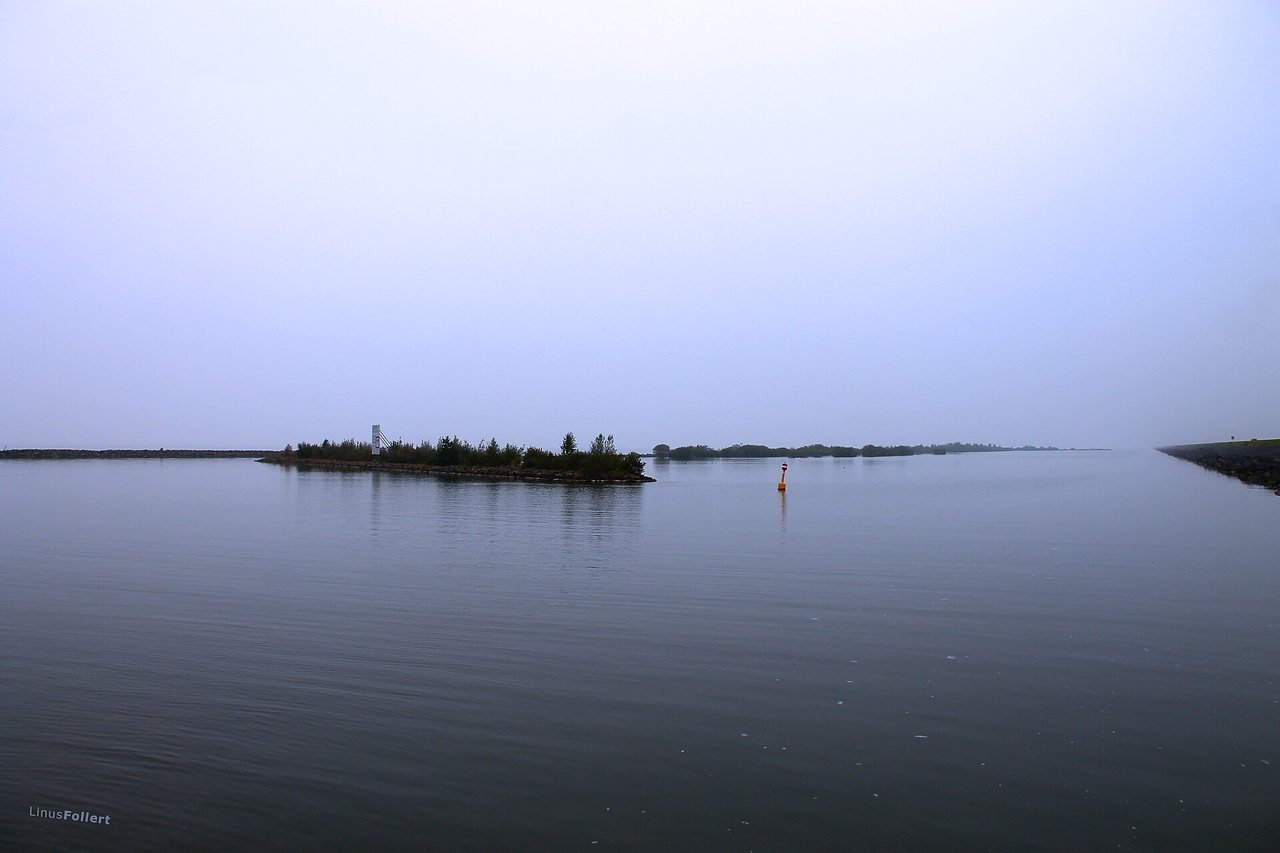
Photo: The Markermeer on a grey, windless day in early October 2014: flat water, a low islet with trees, a buoy and a long, low horizon. Linus Follert / Wikimedia Commons (CC BY-SA 2.0)