Gelderland · Museums & heritage
Huis Bergh reopens: from Saturday 10 October, coins are struck in the castle cellar on Saturdays too
King Willem-Alexander reopened the castle in 's-Heerenberg on 17 September by striking a coin. What the restoration changed, why the Bergh mint had a poor reputation, and what you can see there now.
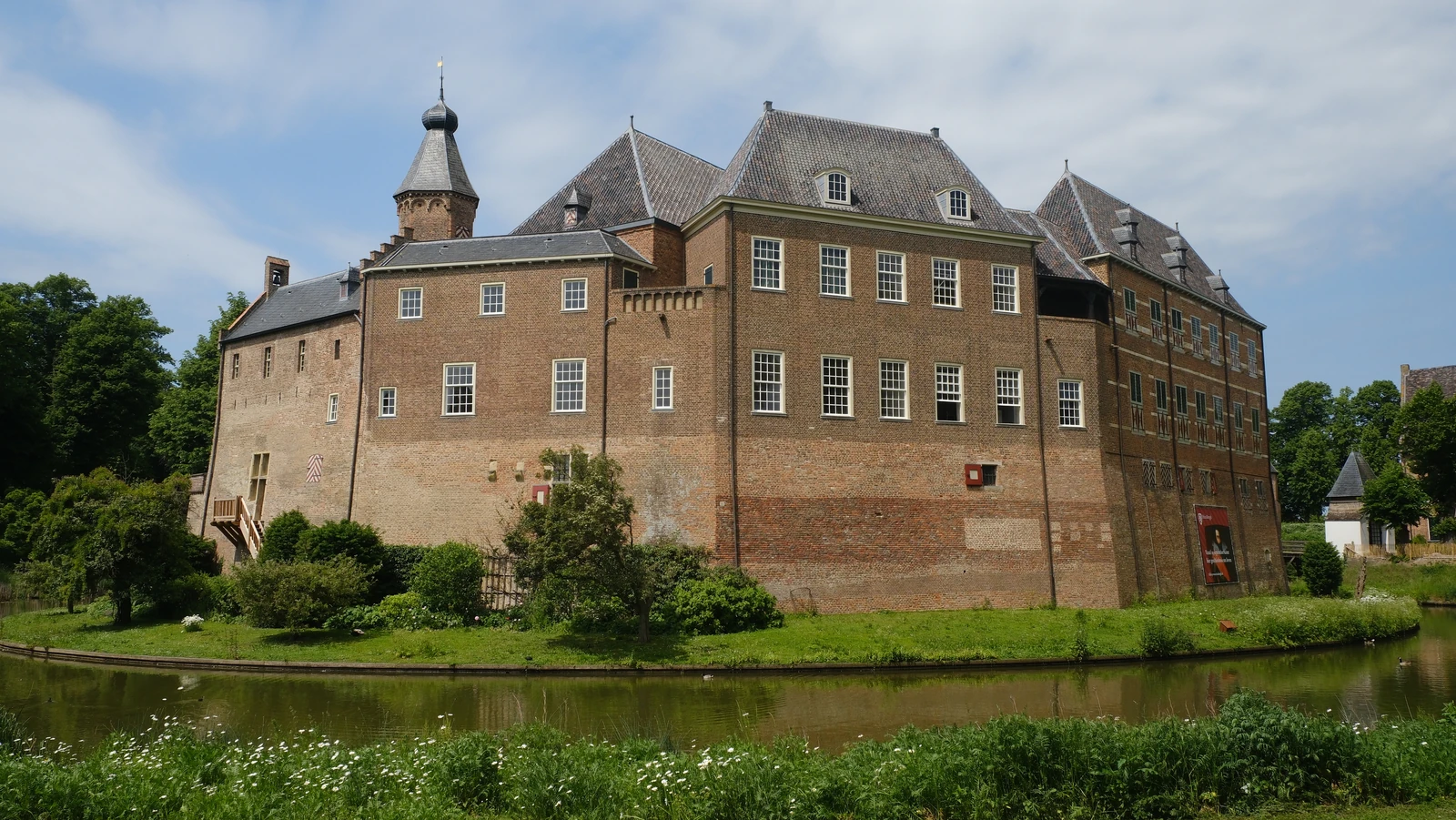
On 17 September 2026, King Willem-Alexander reopened Kasteel Huis Bergh in 's-Heerenberg. He did so with a historic screw press: the king struck a coin, the Royal House reports. According to the Huis Bergh foundation, the design recalls 1556, the year in which Count Willem IV van den Bergh married Maria of Nassau. She was a sister of William of Orange and lived at the castle, according to the Royal House.
Saturday 10 October is the first Saturday on which there are demonstrations of how a coin is struck, at 13.00 and 14.30, in the cellar of the donjon, the large square tower. The castle’s mint page names Sunday as the regular demonstration day, all year round; Saturday is new. Until the reopening on 17 September, the castle was in any case closed. The demonstrations are included in the admission price. If you want to strike a coin yourself, you pay €4.00 for brass, €5.00 for tin or €12.50 for silver.
What the restoration changed
The castle had to close because its foundations had subsided, the foundation writes. Work went on from 2023 to 2026. The foundations under the building were made sturdier, and the cellar looks as it did in the Middle Ages again. The Royal House also named asbestos removal, sustainability, a new layout and better accessibility as reasons for the restoration. For the last of these, a new lift was installed. With its sustainability plan, the foundation wants to use 70 per cent less gas; measures include underfloor heating in the cellar and insulation made from recycled jeans. Visitors now come in through a new entrance and find four new rooms, with more space for the stories of the residents and the town.
A castle and its town
According to the foundation, the castle goes back to around 1100, when Constantinus, nicknamed de Monte (Latin for "van den Bergh"), is said to have had it built. In the marsh lay an island on which an artificial mound was raised, a motte; a round tower of tufa was built on top. Remains of it can still be seen in a wall of the main castle. Willem I van den Bergh granted 's-Heerenberg town rights in 1379. The foundation calls Huis Bergh the only surviving castle in the Netherlands within the old ramparts of a town.
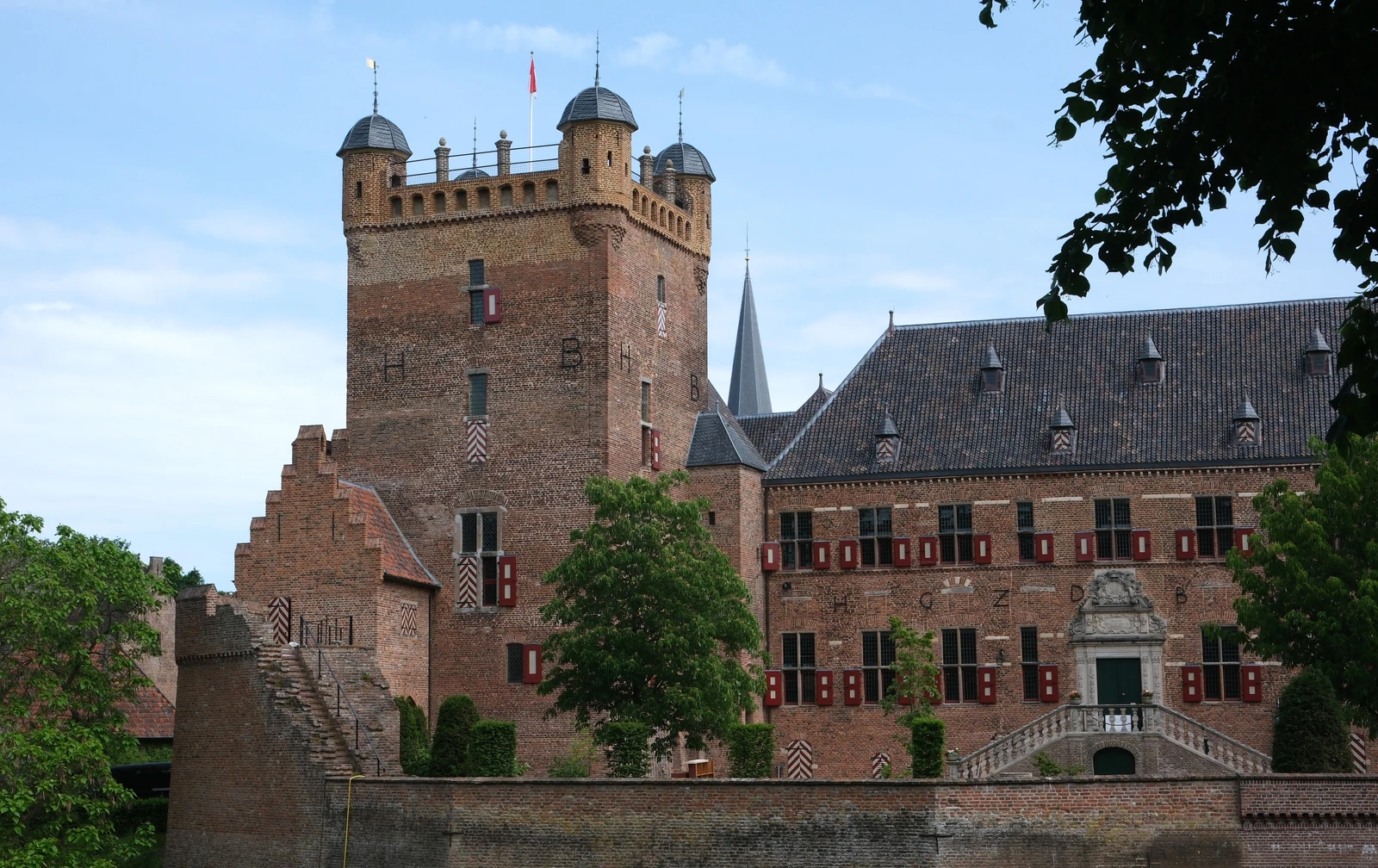
In 1572, Count Willem IV van den Bergh led a campaign along the IJssel. As a result, his castle was drawn into the war and badly damaged; restoration began around 1600. A fire destroyed the main castle completely in 1735. Jan Herman van Heek, textile industrialist and art collector, bought the castle in 1912 from the Prince of Hohenzollern-Sigmaringen. When the main castle burned out again in 1939, residents of 's-Heerenberg helped save a large part of the art. In 1946, Van Heek placed the castle, collection and estate in the Stichting Huis Bergh.
Three things to see and do
The mint and its mint master. The lords van den Bergh received the right to strike coins from the Bishop of Cologne in the early 14th century. The Munthuis, where that was done, still stands directly opposite the castle. In 1582 the mint in 's-Heerenberg closed. In the castle hangs a newly restored painting of mint master Clemens van Eembrugge, together with his journeymen. In 1577 he worked for Count Willem IV, but within a year he was out of a job again. The foundation writes that the Bergh mint struck many coins with too little precious metal in them, known as hagemunten, or debased coins.
A portrait that talks. In the great hall, a portrait of Jan Herman van Heek welcomes visitors. Artificial intelligence makes it speak with Van Heek’s real voice, preserved on a gramophone record from the 1950s. The marriage certificate of Willem IV and Maria of Nassau, the original, can now also be seen by the public. Thanks to a collaboration with the Stadsmuseum, the town’s history is given more space, including in a drawing measuring 7 by 3 metres on the wall, which illustrator Jan Rothuizen explained at the opening.
The town on foot. Every Sunday at 11.30, a guided historical town walk of about 90 minutes starts in the outer bailey, at the tourist information point, for €5.00 per person. The route follows the old ramparts, passes what the foundation calls the oldest documented garden in the Netherlands, and takes in the kaatsbaan, the ball-game court.
Practical information & useful links
- Opening hours September and October 2026: Tuesday to Sunday 11.00–16.00, closed Monday. Different hours apply in November and December. See huisbergh.nl.
- Admission: adults €16.50, children aged 4 to 18 €9.50, children under 4 free. Free with a Museumkaart.
- Coin striking: Huis Bergh events, Saturdays and Sundays at 13.00 and 14.30.
- Getting there: car park address Hof van Bergh 8, 's-Heerenberg; parking costs €4.00 per vehicle. By public transport, take the bus from Doetinchem station; see route and accessibility.
- Background: the Royal House’s announcement of the reopening.