Limburg · Towns & regions
JekerJazz in Maastricht: three days of live music in the cafés of the Jeker Quarter
From Friday 9 to Sunday 11 October, bands play in cafés, hotels and on the street. A walk through the oldest part of the city, past the Helpoort and a watermill that grinds flour for vlaai.
On Thursday evening, 8 October, at 21.00, Orangutan BB plays in the Spiegeltent on the Vrijthof. That is the official kick-off of JekerJazz. The festival itself then runs from Friday 9 October to Sunday 11 October, with live music in cafés, restaurants, hotels and at other venues in the Jekerkwartier, the city centre and Wyck. The organisers promise a broad mix: jazz and New Orleans jazz, blues, soul and funk, brass, rock 'n' roll and Americana, but also chansons, Latin and Italian music.
JekerJazz started in 1991 as a small-scale initiative from Café Chriscus in the Koestraat, writes the foundation that now organises the festival. Stichting JekerJazz Maastricht was set up in 2011. The work is done by volunteers, and the foundation writes that it receives no subsidies. According to the organisers, the formula is live music with free admission, for everyone.
The oldest part of the city
Visit Maastricht counts the Jekerkwartier, or Jeker Quarter, among the oldest parts of the city. For centuries, life here revolved around defence. The Jeker itself was a natural barrier, and along that river stand the district’s oldest buildings, some of them from 1200. Today the neighbourhood is also called the Quartier Latin, with historic university buildings, the conservatory and the drama academy.
Three things to see and do
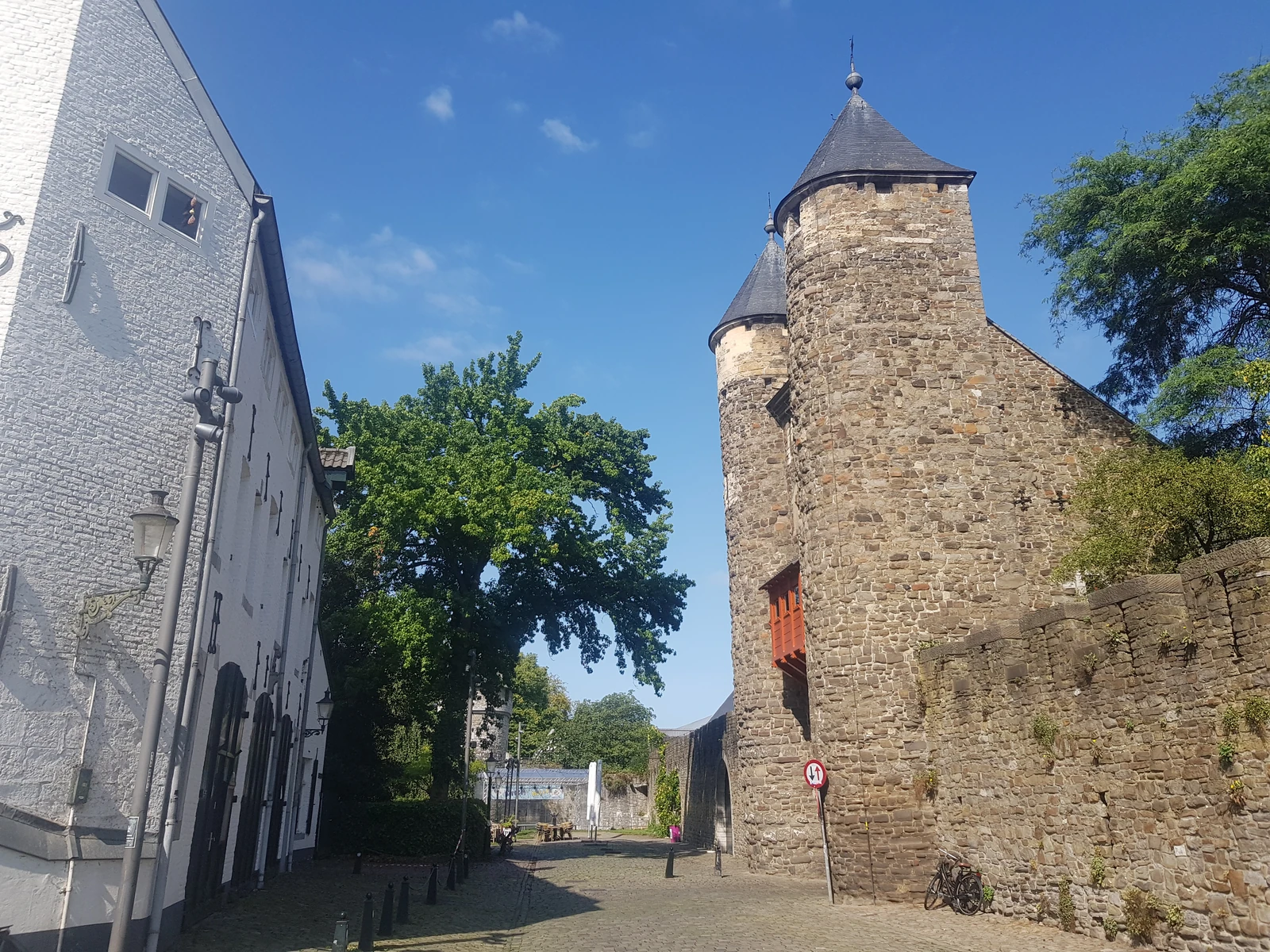
The Helpoort. This gate, dating from around 1229, was part of Maastricht’s first city wall. According to Visit Maastricht, it is the oldest city gate in the Netherlands still standing. Its silhouette is instantly recognisable: a passage between two round towers, with a wooden oriel above. In the 15th century the city got a second, wider wall, and the gate was no longer needed as an entrance. It was not demolished. In the centuries that followed, the cloth-makers met there, goods were stored there, gunpowder was kept there and people even lived there. The name is younger than the structure: for a long time it was called the Hoogbruggepoort, and "Helpoort" probably comes, according to Visit Maastricht, from a nearby house, In de Helle. Today it is home to the Vestingmuseum Maastricht, the fortifications museum. During JekerJazz, the Prof. K. Quartet plays on Saturday and Sunday at 16.00 at the entrance on the little square in the Sint Bernardusstraat.
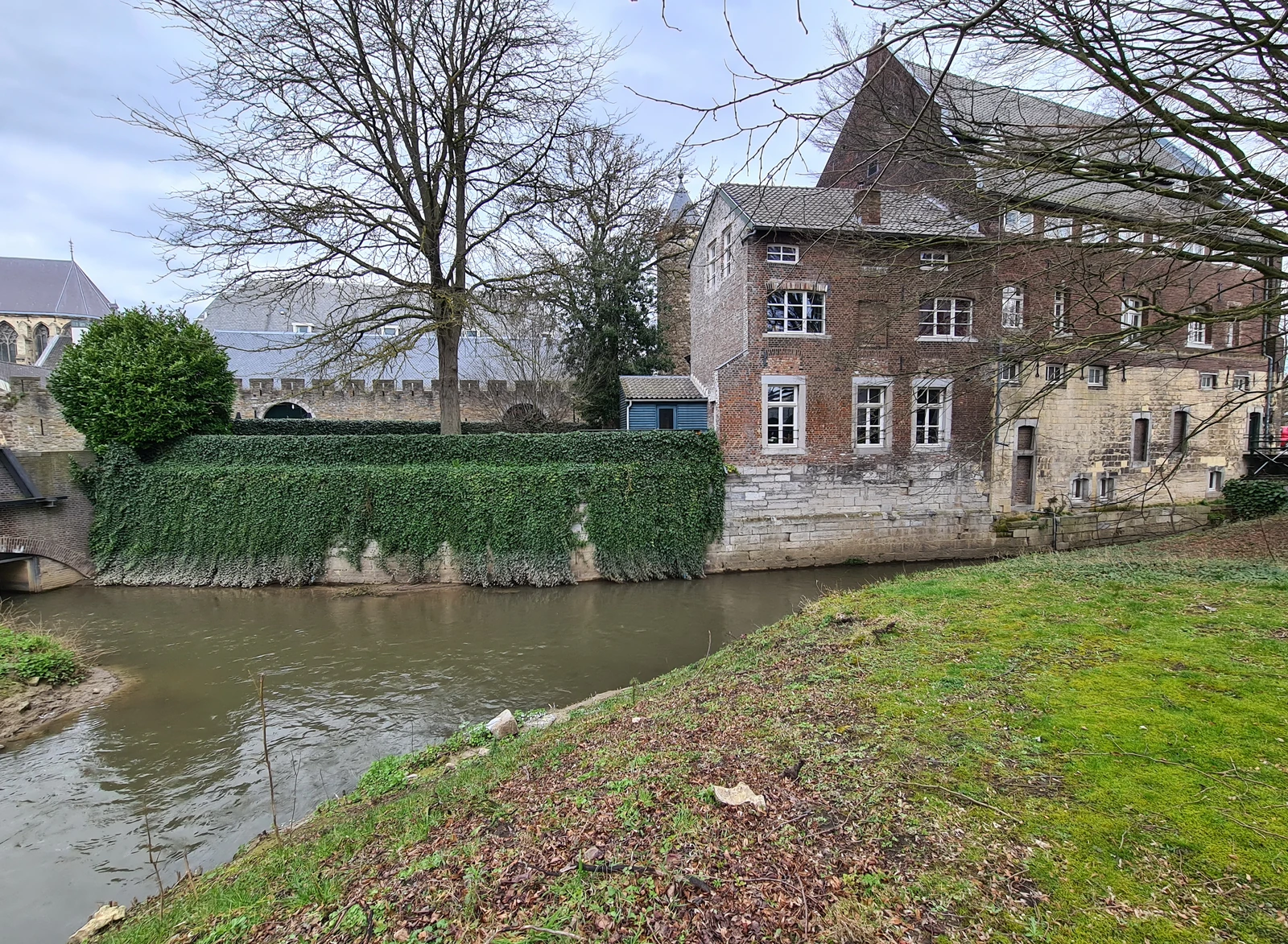
Along the ramparts. The Onze-Lieve-Vrouwewal, a stretch of historic city wall, is a walking route without car traffic, along the Maas and the Stadspark. In the Faliezusterspark stand the Pater Vincktoren, a fourteenth-century defensive tower, and remains of the medieval city wall. De Vijf Koppen (De Vief Köp) is a late-medieval roundel and national monument. Guided tours along parts of the ramparts, including De Vijf Koppen, regularly start from the Vestingmuseum.
Music from pub to pavement. On Saturday 10 October at 14.30, The Hurricane Brass Band plays classic New Orleans jazz in the streets. On Friday evening at 21.00, performances begin in venues including Café Charlemagne, Café Falstaff and Hotel De La Bourse. Sunday starts at 10.00 with a breakfast concert by Pepper & The Jellies from Rome at The Social Hub. In the evening, the programme still lists an afterparty with The Session Band at Blues Café Duke at 22.00 and John Tana at De Kaasbar at 23.00.
Local flavour: vlaai eaten by hand
On the Stenenbrug, by the Jeker, stands the Bisschopsmolen. Visit Maastricht writes that Godfrey of Bouillon owned the watermill in the 11th century and that after his death it passed to the Prince-Bishop of Liège. You see the wheel at the back, where the façade dates from 1609; you get there via the Bisschopsmolengang. Mill and artisan bakery have belonged together again since 2005: the miller grinds Kollenberger Spelt, an ancient grain, and the baker turns it into bread and pastries. Visit Maastricht’s advice: eat your vlaai, the Limburg fruit tart, like the people of Maastricht do, by hand, sitting for a moment on the little wall.
Practical information & useful links
- JekerJazz 2026 programme: jekerjazz.com, with all bands, times and venues. Checked on 4 October 2026; check again shortly before your visit.
- Jekerkwartier: Visit Maastricht on the Jekerkwartier.
- Helpoort and Vestingmuseum: Sint Bernardusstraat 24b. According to Visit Maastricht, open Wednesday to Sunday 11.00–16.00, closed Monday and Tuesday. Admission €6.00 for those aged 12 and over; under 12 free, provided an adult comes along. A guided tour from the Helpoort to the Vief Köp, including admission, costs €12 per person, €8 for children under twelve. See the Helpoort at Visit Maastricht.
- De Bisschopsmolen: Stenenbrug 3. Opening hours differ between sources; check them on the Bisschopsmolen page at Visit Maastricht or with the mill itself.