Days out
Shooting stars in October: the Draconids in the night of 8 to 9 October and the Night of the Night on 24 October
The Draconids reach their maximum on Friday 9 October around 3 a.m.; Thursday evening around 21.00 is the best time to watch, under an almost moonless sky. On Saturday 24 October, municipalities and businesses switch off lights for the Nacht van de Nacht. Why a dark spot makes the difference, and where to find one.
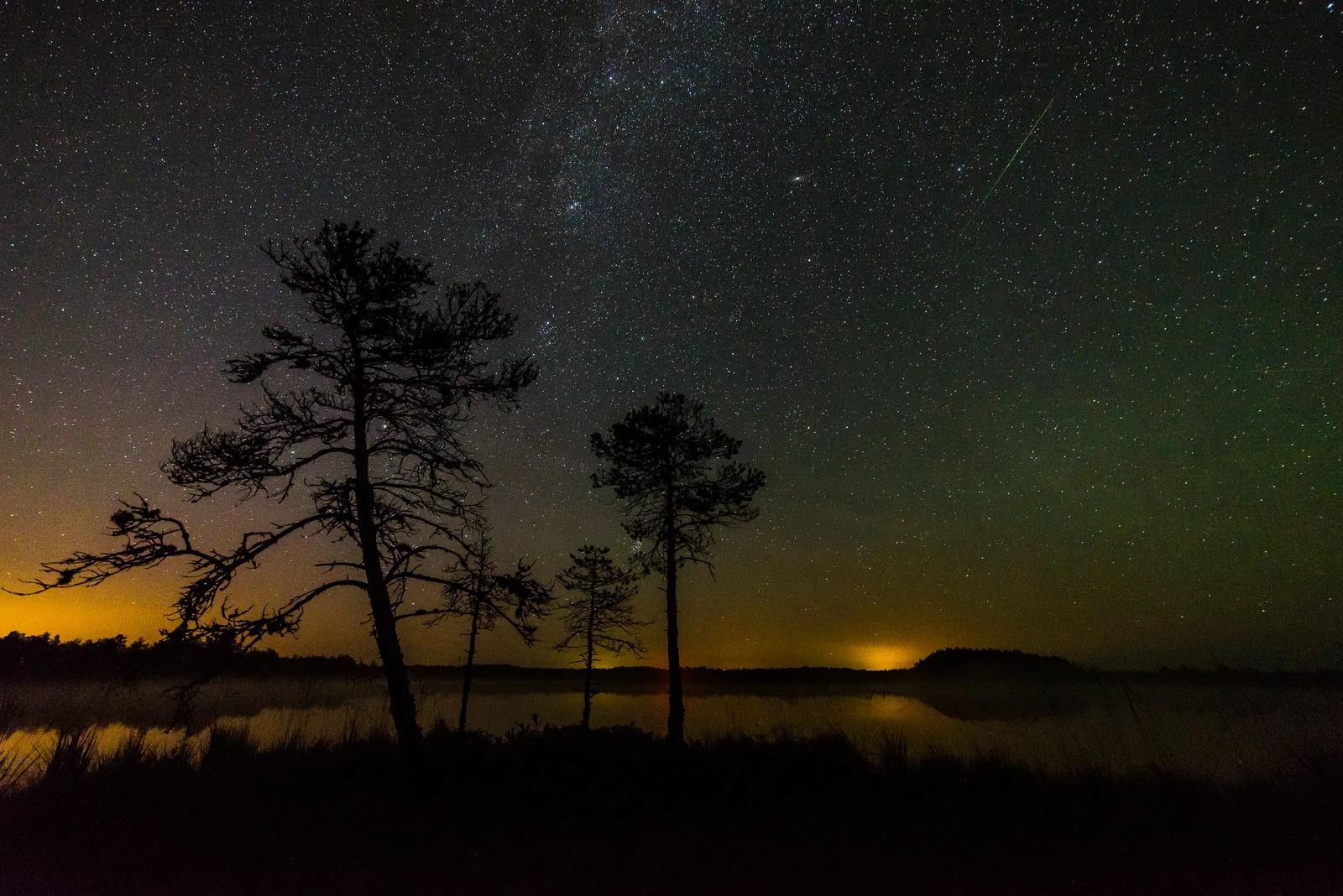
If the sky is clear on Thursday evening, 8 October, it is worth looking up. According to the astronomy website hemel.waarnemen.com, around 21.00 is when you can best look out for Draconids. The shower’s maximum falls on Friday 9 October, around 3 a.m. National Geographic places the peak in the night from Thursday to Friday and writes that you see the most an hour or two after sunset.
Don’t expect fireworks. According to hemel.waarnemen.com, the Draconids themselves produce at most one meteor per hour on average, even if the radiant, the point the meteors appear to come from, were directly overhead. Add meteors from other showers and the stray, sporadic ones, and some 10 to 17 meteors per hour can be seen under a dark and clear sky. According to the same site, about four times as many are visible at a dark location as in a big city.
This year the moon will not get in the way. In the night of the maximum, according to hemel.waarnemen.com, it does not rise until 6.25, about 4 per cent illuminated. National Geographic mentions a thin, waning crescent and therefore little moonlight, so that even fainter meteors can be seen.
A shower with whims
The Draconids are also called the Giacobinids, after comet 21P/Giacobini-Zinner, which supplies the dust. According to NASA, the comet is named after Michel Giacobini, who discovered it in 1900, and Ernst Zinner, who recovered it in 1913. Usually the shower amounts to little. But in 1933 and 1946 there were outbursts. According to NASA, observers in Europe counted 500 Draconids a minute in 1933, and in 1946 observers in the United States counted 50 to 100 a minute. Among the years with predicted outbursts, hemel.waarnemen.com lists 2025 and 2030; 2026 is not among them.
A shooting star is not a star but a grain of rock or grit. In the Draconids, such a particle shoots into the atmosphere at some 20 kilometres per second, fairly slow for a meteor, and has already vaporised at a height of between 80 and 120 kilometres. The light you see comes, according to hemel.waarnemen.com, mainly from the surrounding air, which starts to glow.
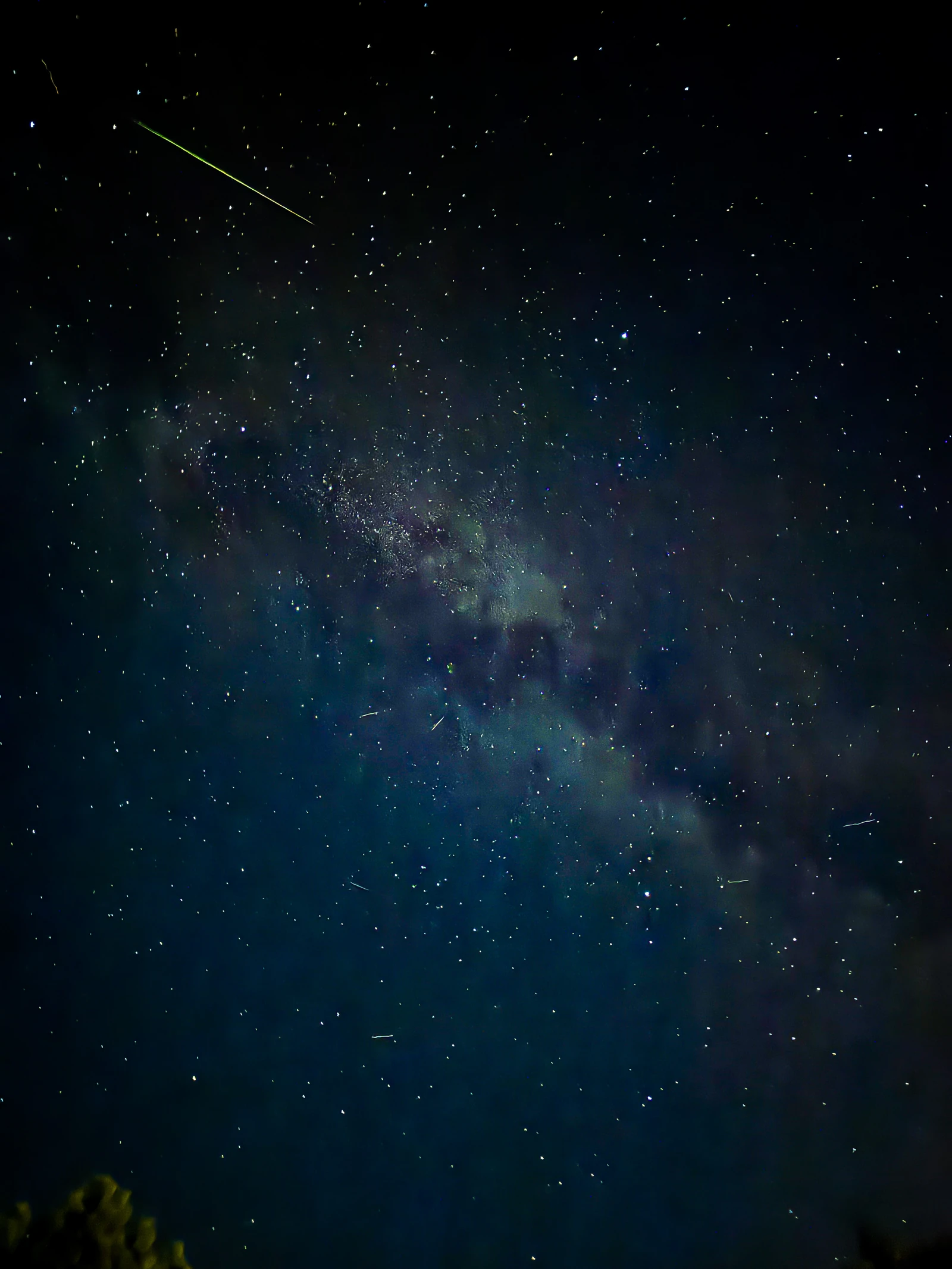
You don’t need any instruments. In clear weather the naked eye is enough; a deckchair and warm clothing make it more comfortable. No luck on Thursday? For about four days around the maximum, more than half the peak number of Draconids can still be seen.
More to see this month
National Geographic lists a few more moments. Saturn was at opposition on 4 October, its closest point to Earth; the days after are also good for looking for the rings, though you will need a small telescope or strong binoculars for that. Around 23.00 the planet is in the south-east. The new moon on 10 October offers a good chance to see the bright core of the Milky Way, low above the southern horizon. According to the magazine, October is one of the last months in which this is possible from the Netherlands. The Orionids peak on 22 October; at a dark spot you can see up to eleven an hour. Because the moon is then nearly full, the best time to look is between 4.00 and 6.00.
Saturday 24 October: Night of the Night
Just over two weeks later, darkness itself takes centre stage. On Saturday 24 October 2026 it is the Nacht van de Nacht, the Night of the Night, organised by the Natuur en Milieufederaties, the provincial nature and environment federations, this year for the 22nd time. There are activities in the dark across the country, and hundreds of businesses and municipalities switch off the lighting of buildings and advertising. The organisers count the Netherlands among the countries with the most lighting in the world and want to make it darker and more sustainable.
The list of activities includes stargazing at the Melarium in Delft, looking for moths in the Westduinpark in The Hague and, on Ameland, an evening that already begins on Friday 23 October at the lighthouse in Hollum. On 24 October, Staatsbosbeheer, the state forestry service, organises night walks in places including the Bentwoud, the Millingerwaard, the Drents-Friese Wold and the Lauwersmeer Dark Sky Park, and on 23 October a full-moon walk in the Lauwersmeer area.
Practical information & useful links
- Draconids 2026: times, moon phase and hourly rates at hemel.waarnemen.com (in Dutch).
- October sky calendar: National Geographic, 8 celestial events in October (in Dutch).
- Nacht van de Nacht, Saturday 24 October: all activities by province at nachtvandenacht.nl. Places are limited for some activities.
- Staatsbosbeheer evening walks: staatsbosbeheer.nl.
- Weather: whether the sky will be clear depends on the cloud cover on the evening itself. Check the forecast shortly beforehand.