Vlissingen: the boulevard as a thread through the town’s history
The Westerschelde, Michiel de Ruyter and the memory of the war come together along the coast of this port town.
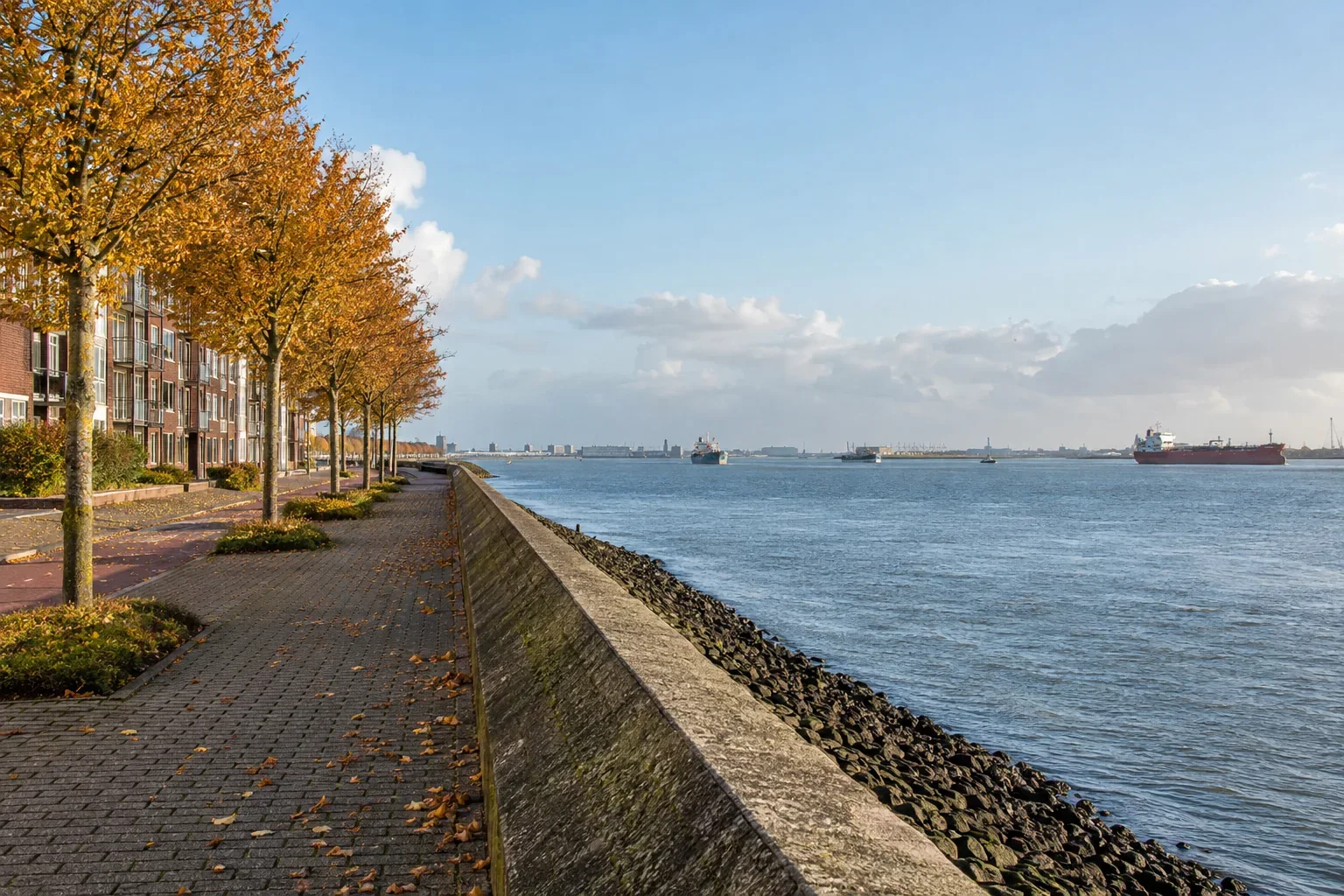
Vlissingen lies on the Westerschelde. The official Zeeland tourism site calls it a port town with a protected townscape and about three hundred monuments in the old centre. The boulevard offers a route past part of that history, with the water always close by.
Michiel Adriaenszoon de Ruyter was born in Vlissingen on 24 March 1607. According to the municipality, Nieuwstraat 13 is the only house in the town where he is known to have lived. His statue stands at the head of the boulevard; the municipal timeline dates its unveiling to 1841.

Below the statue lie the Kazematten, part of the Keizersbolwerk, according to the municipality. On Boulevard de Ruyter there is also a history timeline. In this way military construction, public space and the story of a famous resident come close together.
The municipality also describes a long bench on the slope between the Gevangentoren and the statue of life-saver Frans Naerebout. These points give a walk along the boulevard a clear beginning and end. The sources give no duration or distance for a complete route.
The timeline states that Vlissingen received town rights in 1315 from Count Willem III. The port’s past is not only a story of trade: during the Second World War, according to the municipality, there was heavy fighting in the town and on the Westerschelde. That period is commemorated at Uncle Beach.
No museum opening hours are needed for the public boulevard and the statues. For current museum activities and admission prices, information from the individual institutions is needed. Anyone who also wants to visit a museum can find the opening hours and prices there.