Brielle in autumn: the Sea Beggars beyond the city walls
The North Gate remains, later fortifications and the museum reveal different centuries of Brielle’s history.
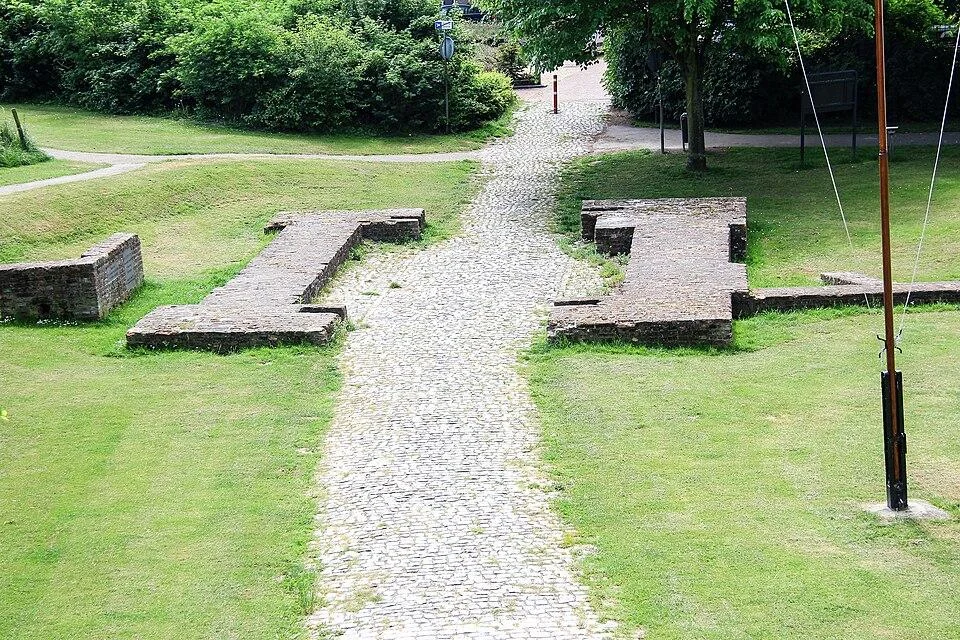
Brielle still carries the events of 1 April 1572 in its streets. On that day the Sea Beggars took Den Briel from Spanish control, a turning point the town commemorates each year. Outside the festival season, its history remains visible: remains of the North Gate lie on a bastion, walls outline the old town, and a museum on the Markt explains the Eighty Years’ War. In autumn, a visit can move quietly from outside to inside. The town is no frozen stage set: the fortifications visible today date from several periods after its capture.
According to the local visitor organisation, Sea Beggar ships anchored off Brielle in 1572. Ferryman Jan Coppelstock made contact with their leaders, including Willem Blois van Treslong, who came from the town. After the municipal authorities refused to yield, the rebels rammed the North Gate with a ship’s mast. Brielle was taken out of Spanish control. A popular rhyme about the Duke of Alva and his “spectacles” captures the event, but the site tells a more complicated story. The local history page also records looting by the rebels and a Spanish attempt to retake Brielle a few days later.
The North Gate does not survive as an intact medieval entrance. Foundations can still be seen on Bastion IX beside a wooden replica installed in 2022 for the 450th anniversary of the capture. Changes to the harbour made the original gate redundant, and it was demolished around 1620. Its remains came to light again in 1922. This is therefore not an intact gate through which the rebels literally passed, but a site interpreted through foundations, reconstruction and explanation. That distinction makes a walk along Noorderbolwerk more revealing.
The surrounding city walls tell a later chapter. Beleef Brielle says their present form largely follows a design by fortification engineer Willem Paen and has changed little since 1713. A marked circuit around the star-shaped defences is about two kilometres long. Bastions, ravelins and gates appear as parts of a larger system. The walls are not all remnants of 1 April 1572; they show how Brielle developed later as a fortified town. On shorter autumn days, the compact route makes the shape of the town easy to understand.
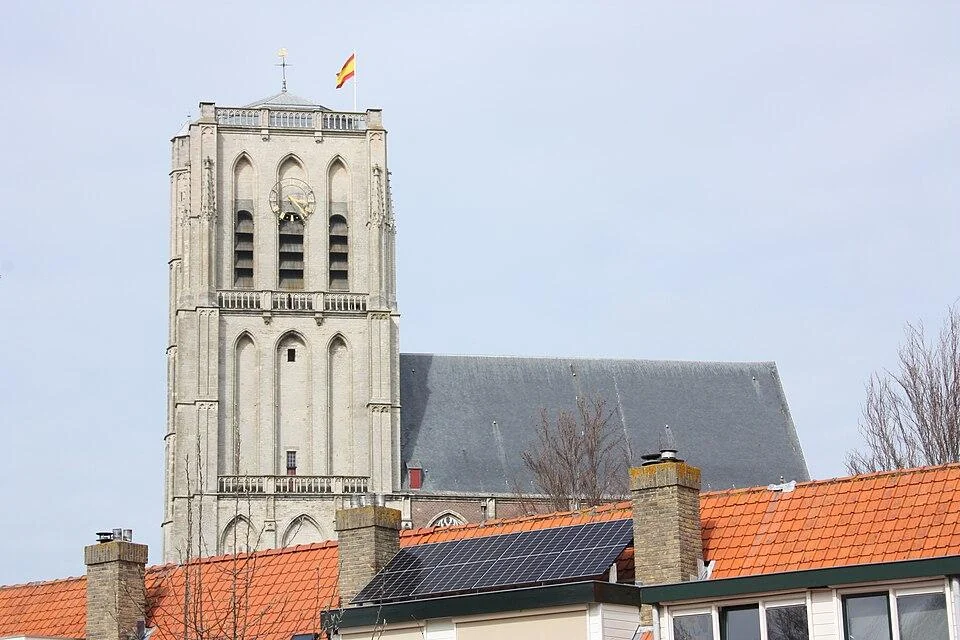
In the centre, Historisch Museum Den Briel occupies buildings behind the town hall façade on the Markt. The museum says parts of its collection are housed in the former town prison and weighing house, both dating from 1623. The weighing house served Brielle’s trading life; marks left by former prisoners remain in the prison. The restored building became a museum in 1912. It therefore shows later urban functions as well as the Dutch Revolt. Sint-Catharijnekerk is another landmark in the old centre, its square tower rising above the roofs.
For Saturday 24 October, the visitor organisation lists Sint-Catharijnekerk as open from 10:30 to 16:30, the last day of that opening period, though weddings and other activities can change access. The museum publishes regular Saturday hours of 10:00 to 17:00. The outdoor route past the North Gate and walls requires no museum time slot; any indoor visit still depends on information for the day. In autumn, Brielle can thus be read both as a public fortified town and through the objects and explanations inside its buildings.