Katwijk in autumn: a fishing past between beach and dunes
The Vuurbaak beacon, Old Church and museum tell the story of a coastal town shaped by the sea.
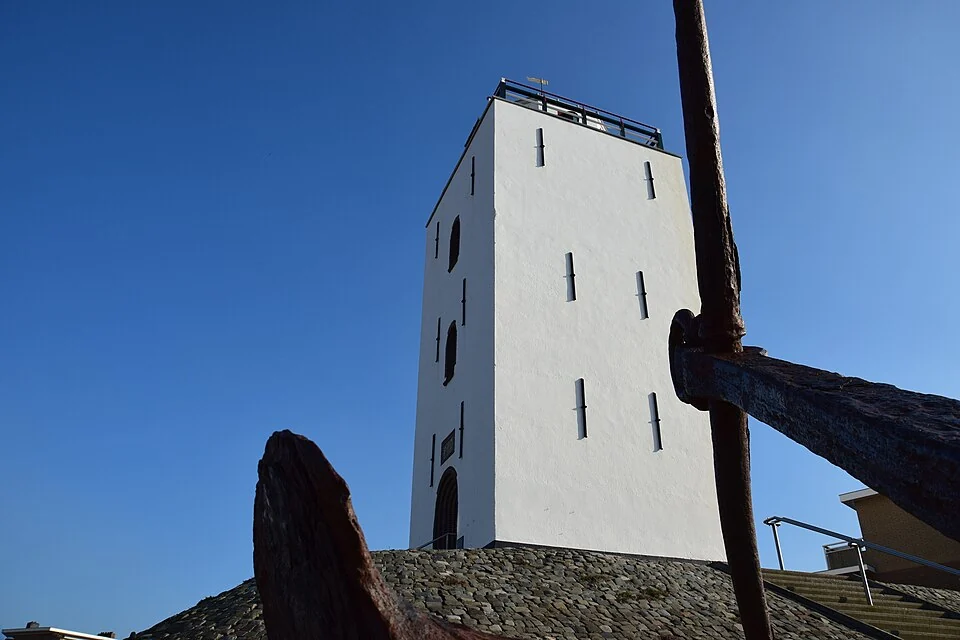
Katwijk aan Zee remains unmistakably a coastal town in autumn. The seafront is immediately behind the beach; the old beacon, Andreaskerk church and traces of fishing history lie close together in the village. To the south, the dunes join Hollands Duin. They form a compact story, from the sea that supported the village for centuries to the streets where artists recorded its life. Outside summer, the main change is the pace of a visit. Sea and beach remain, while the tower, museum and other indoor places each set their own opening hours.
Katwijk’s fishing history differs from that of a harbour town. According to the local tourist office, fishermen launched flat-bottomed boats from the beach because there was no seaport. The fishing vessel known as the pinck was followed by the bomschuit; the tourist office says the fleet counted 130 sailing vessels in 1916. Today, modern Katwijk fishing boats use the harbour at IJmuiden. The beach was thus once a workplace where boats came ashore, as well as a place for recreation. Its former use is clearer in historic pictures and museum collections than on the street, and helps explain Katwijk’s enduring link with fishing.
On Vuurbaakplein stands the Vuurbaak, also called the Vierboet. The tourist office gives 1605 as its official construction date and mentions a reference from 1592. It guided North Sea fishermen, first with a wood fire and later with oil lamps. When the bomschuiten stopped landing on the beach, the tower lost its original role. It is a nationally listed monument owned by Katwijk municipality. The exterior remains visible, but regular admission is mainly during the summer months; entry in autumn should not be assumed.
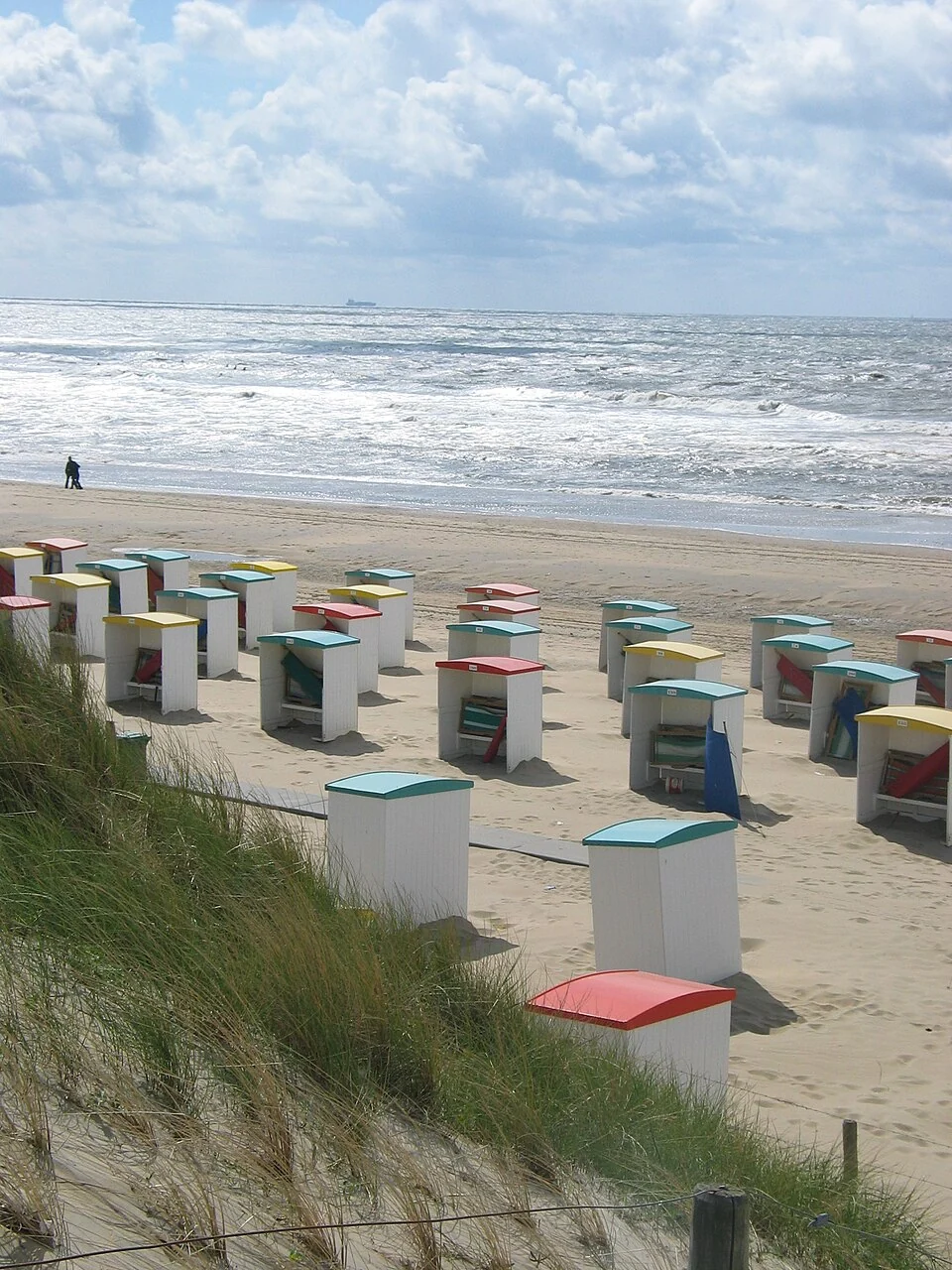
Farther along the seafront stands the white Andreaskerk, or Old Church. The tourist office dates its construction to 1460 and describes how storms and dune erosion brought it closer to the shoreline. Its story is thus about a changing relationship between town and sea, rather than navigation. Together, church and beacon mark out a coastal walk. Their exteriors can be seen without a ticket or guided tour; entry to either building depends on the operator’s own hours.
The Katwijks Museum on Voorstraat preserves paintings and fishing heritage. According to the tourist office, painters from the Netherlands and abroad settled in the fishing village around 1900, drawn by beach scenes and the coastal light. The museum occupies a former shipowner’s house with a later extension. It puts the outdoor route along beach and seafront into context. Its fishing collection and paintings offer different perspectives on the same place, including the way fishermen’s work became a subject for artists.
South of Katwijk, Hollands Duin offers a longer outdoor walk. Land manager Staatsbosbeheer describes the four-kilometre Kattukse Duinroute through open dunes and past old small fields, but also reports a temporary closure for works. It cannot therefore be promised as part of an autumn itinerary. Access rules vary within Hollands Duin; local signs govern use of the paths, including rules for dogs. Beach and seafront remain the dependable open landscape, with the museum providing historical context. Current visitor information determines the position for dune walks, the Vuurbaak and temporary exhibitions.