North Holland · Towns & regions
Alkmaar Ontzet on 8 October: lanterns, cheese carriers and sauerkraut in the city of victory
On Thursday, Alkmaar celebrates the day the Spanish army left in 1573. How breached dykes turned into a city festival, and what you can see and taste in the city centre on 7 and 8 October.
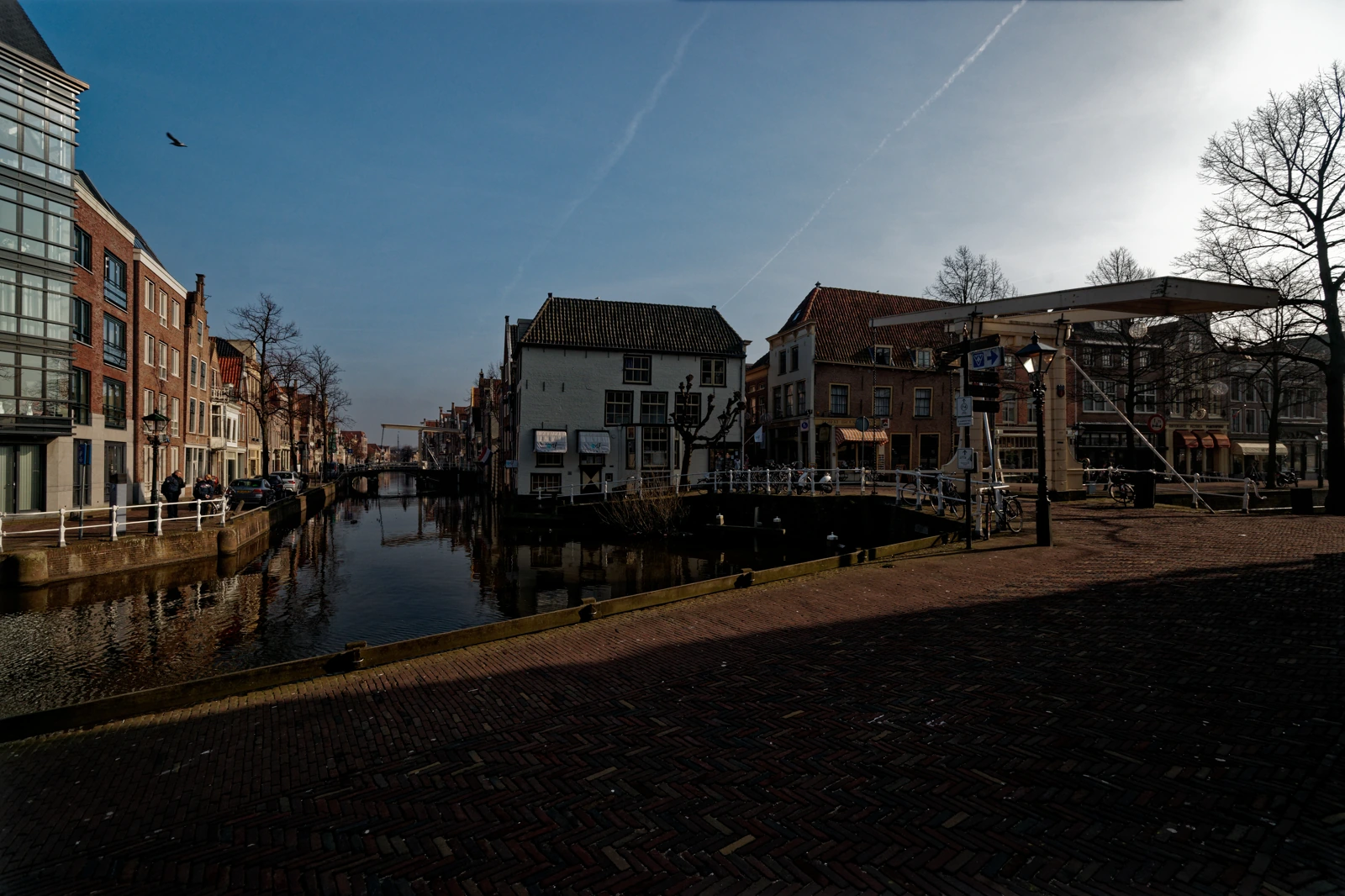
On Thursday 8 October, Alkmaar celebrates its relief, Alkmaar Ontzet. The 8 October Vereeniging, the association that organises the festival, has a programme that began on Saturday 3 October, but the busiest hours come at the end: a lantern parade on Wednesday evening, and on Thursday a children's parade, cheese-carrying races, a commemoration in the Grote Kerk and the Grand Afternoon Parade.
What is being celebrated is a departure. The Spanish army withdrew on 8 October 1573, after the land around the city had been flooded.
A city that let the water in
The siege began on 21 August 1573, writes the 8 October Vereeniging. Don Frederik, son of the Duke of Alba, surrounded the city. Alkmaar had prepared, but not completely: from 12 April 1573 the city's rubbish was no longer leased out but used for new fortifications designed by Adriaen Anthonisz. The high ramparts needed a great deal of earth, mud, rubbish and rubble. When the Spanish arrived, only the bastions and ramparts in the south-west were finished.
At the end of August, the city carpenter Maarten Pietersz van der Meij slipped through the Spanish lines with notes hidden in a hollow vaulting pole, asking William of Orange to come to the city's aid, as the Dutch Centre for Intangible Heritage (Kenniscentrum Immaterieel Erfgoed Nederland) describes. In its chronology, the association places his journey under 25 August: he reached the rebel leader Diederik Sonoy in Schagen. The great assault followed on 18 September. According to the association, the people of Alkmaar kept the Spanish at bay with boiling tar and burning bundles of brushwood.
The help came as water. On 23 September, Sonoy ordered the sluices to be opened and the dykes to be breached. The area around Alkmaar flooded and the Spanish army got stuck in the mud. By 8 October the last Spaniard had left.
Alkmaar was thus one of the first cities in Holland to resist the Spanish successfully, as the association puts it. The heritage centre even calls it the first. The rebels took heart from it and shouted: "In Alkmaar begint de victorie!", victory begins in Alkmaar.
A festival that moved with the times
In the seventeenth and eighteenth centuries the emphasis was on church services and sermons, the heritage centre writes on its page about Alkmaar Ontzet. In the nineteenth century the day became more exuberant, with folk games, a festive speech and an evening party. In 1861 the association was founded that is the forerunner of today's 8 October Vereeniging.
Three things to see and do
Wednesday evening: wreath and lanterns. On 7 October at 18.30, pupils from the Adelbertusschool perform a short play in the Victoriepark, at the wreath-laying on the eve of the festival. At 19.00 the lantern parade starts in the Langestraat, by the town hall. Children from years 4 and 5 of primary school carry lanterns they made at school along a route of about 2 kilometres past the canals. If the weather forecast is very bad, the parade may be cancelled.
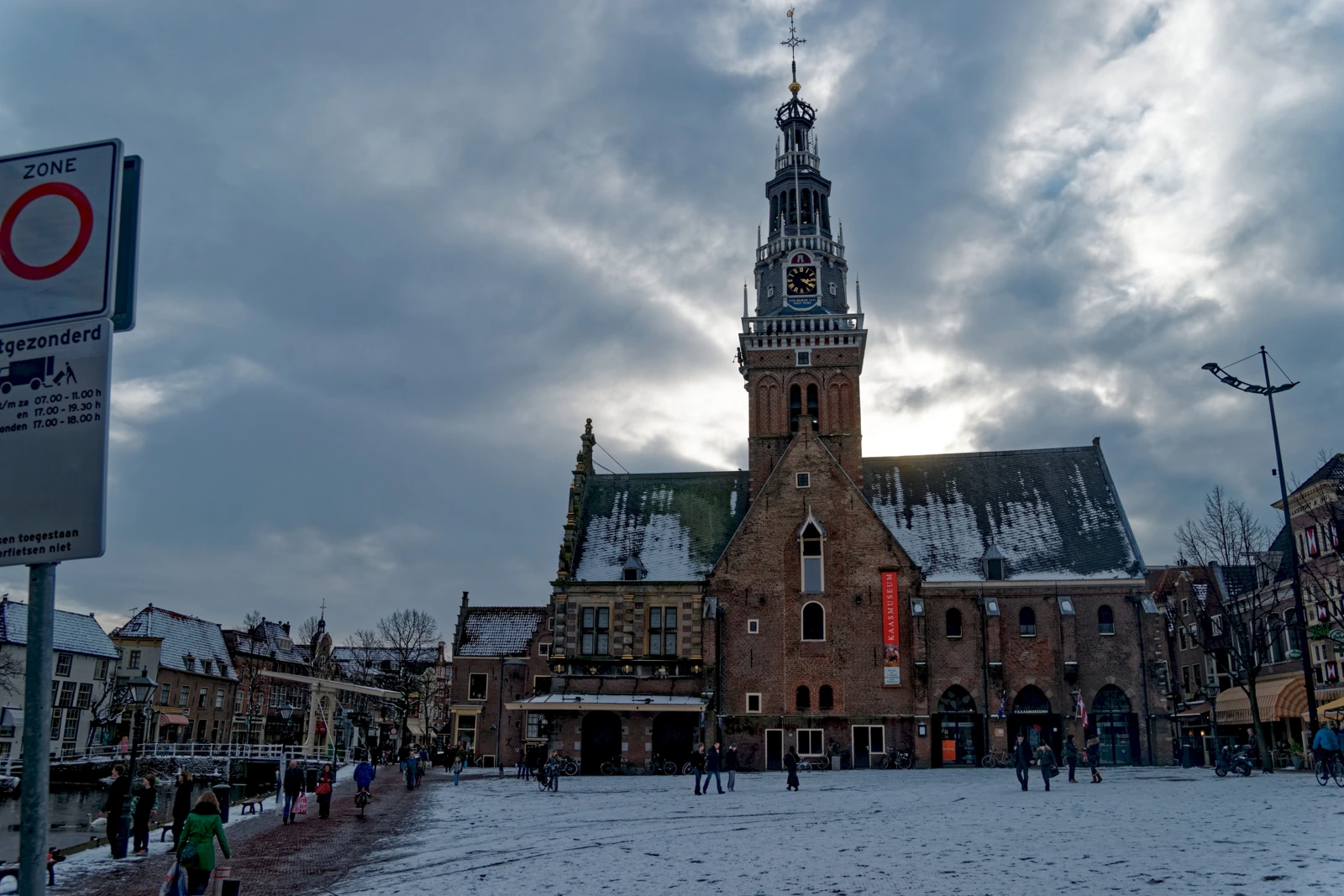
Thursday morning: carrying cheese on the Kanaalkade. Alkmaar's cheese market on the Waagplein is over for this year; the next one is on Friday 26 March 2027. On 8 October there is carrying all the same. From 10.00 to 12.00, pairs of children from years 6, 7 and 8 take part in cheese-carrying races. The real work is heavier: a hand-barrow at the cheese market holds eight cheeses of 13 kilos each, according to the cheese market. When the first cheese market took place is unknown; it certainly existed in 1622, and a cheese carriers' guild was founded as early as 1593.
Thursday afternoon: the Grand Afternoon Parade. At 14.30 the procession sets off from the Sportpark. This year's theme is Alkmaars Glorie, Alkmaar's glory. Ten building teams worked on the floats, including floats about resistance heroine Truus Wijsmuller and fortress builder Adriaan Anthonisz, but also about chocolate and cheese spread. If you would rather look indoors: the Stedelijk Museum on the Canadaplein is free to visit on 8 October from 11.00 to 17.00.
Local flavour: sauerkraut with sausage
Celebrating Alkmaar Ontzet means eating sauerkraut. On 8 October, the sauerkraut meal takes place on the Paardenmarkt from 17.00 to 20.30. According to the association, 3,300 meals are prepared, with sauerkraut from Kramer Langedijk and sausage from the butcher Jeroen de Vries; there is also a vegetarian sausage. Students from the Talland College act as hosts. The meal is only for members of the association plus one guest, with vouchers that were issued on 27 September and 1 October. Leftovers go to the homeless shelter and the food bank.
Practical information & useful links
- Programme and times: 8october.nl/programma from the 8 October Vereeniging. Checked on 4 October 2026; check again shortly before your visit.
- Getting there: Alkmaar has a railway station; the train from Amsterdam takes about 35 minutes, according to kaasmarkt.nl.
- Cheese market: the 2027 season and how the market works on kaasmarkt.nl.
- Stedelijk Museum Alkmaar: Canadaplein 1, Tuesday to Sunday 11.00–17.00, stedelijkmuseumalkmaar.nl. The exhibition Van water naar land (From water to land) opens on 10 October.
- Background: Alkmaar Ontzet at the Dutch Centre for Intangible Heritage.