Overijssel
Zwartewaterland

Zwartewaterland lies in the northwest of Overijssel, around the Zwarte Water. The municipality was formed in 2001 from Genemuiden, Zwartsluis and Hasselt. On 1 January 2026 it had 23,737 inhabitants on 87.86 square kilometres, of which 82.49 is land and 5.37 water. Genemuiden is the largest town with 10,485 inhabitants in 2023, followed by Hasselt with 7,735 and Zwartsluis with 4,955. Hasselt is the administrative centre.
Hasselt is a Hanseatic town with a protected townscape and a ring of canals. Zwartsluis, first mentioned as a port in 1398, has Museum Schoonewelle. Genemuiden grew from rush mats into a carpet town and has its own Carpet Museum (Tapijtmuseum). The Zwarte Water itself is a nature area that is mostly seen from the dikes.
In November and December Museum Schoonewelle and the Carpet Museum are open and the Van Stolkspark in Hasselt is freely accessible. The Carpet Museum is closed from 24 December 2026 to 4 January 2027 inclusive.
See and do
Hanseatic town of Hasselt
Hasselt received town rights from the Bishop of Utrecht around 1252 and is first mentioned as a member of the Hanse in 1367. The centre is a protected townscape. The ring of canals consists of the Baangracht, Heerengracht, Prinsengracht and Brouwersgracht. The Vispoort dates from the 14th century and the Stenendijk is the last brick-built sea defence in the Netherlands.

Grote or Stephanuskerk, Hasselt
The Grote or Stephanuskerk on the Markt in Hasselt was completed in 1497 and dominates the view of the town. The church is known for its acoustics and the organ by Rudolph Knol. It is open from April to mid-October on Tuesdays and Thursdays from 14:00 to 15:30. Admission is free.
Carpet Museum Genemuiden
The Carpet Museum (Tapijtmuseum) at Fabrieksstraat 2 in Genemuiden tells the story of the carpet industry, from rush mats to modern floor covering. It is housed in monumental factory buildings. The Machinehal holds four weaving machines, some almost 100 years old, which are regularly set running. The museum is open Tuesday to Saturday from 13:00 to 17:00.
Museum Schoonewelle, Zwartsluis
Museum Schoonewelle at Handelskade 25 in Zwartsluis is a museum of nature and crafts. It goes back to nature lover Roelof Johannes Schoonewelle (1889-1960), who built up a collection of prepared animals. Since early 2012 the museum has been part of the Sluuspoort. It is open on Monday from 13:30 to 17:00, Tuesday to Friday from 10:00 to 17:00 and on Saturday from 10:00 to 16:00. It is closed on Sunday.
Zwarte Water
The Zwarte Water lies between Genemuiden, Zwartsluis and Hasselt and also includes the Veldiger Buitenlanden. Most of the area is not accessible. From the high, winding dikes on both sides there is a view over the floodplains. The area is managed by Staatsbosbeheer.
A day in Zwartewaterland
A day from Tuesday to Saturday in November or December, between Hasselt, Zwartsluis and Genemuiden. In those weeks Museum Schoonewelle and the Carpet Museum are open, and the Van Stolkspark and the canals of Hasselt can be seen outdoors. The Carpet Museum is closed from 24 December 2026 to 4 January 2027 inclusive.
10:00 · Van Stolkspark, Hasselt
The park lies on the former 17th-century bastion Holten Wambois, outside the Enkpoort. At the start of the 19th century a landscape park in the English style was laid out here; it is now an arboretum and native-plant garden. The park is freely accessible from sunrise to sunset.
10:45 · Canals and Vispoort, Hasselt
The Baangracht, Heerengracht, Prinsengracht and Brouwersgracht form the heart of the protected townscape. In the town wall at the 14th-century Vispoort sits a cannonball that recalls a bombardment in 1657.
12:30 · Museum Schoonewelle, Zwartsluis
The museum at Handelskade 25 is open on Monday from 13:30 to 17:00, Tuesday to Friday from 10:00 to 17:00 and on Saturday from 10:00 to 16:00. The permanent collection consists of prepared mammals and birds.
14:30 · Carpet Museum, Genemuiden
The museum at Fabrieksstraat 2 is open Tuesday to Saturday from 13:00 to 17:00. The Machinehal holds four weaving machines, some almost 100 years old.
Map and localities
More about Zwartsluis
Zwartsluis grew up at a lock on the Zwarte Water, became a sconce in 1527 and was later a transit port for Drenthe peat.
The port of Swarte Sluys is first mentioned in 1398. The village lies where the Zwarte Water and the Meppelerdiep meet. Four locks open onto the Zwarte Water: the Arembergersluis, the Grote Kolksluis, the Staphorstersluis and the Meppelerdiepsluis.
In 1527 Duke Charles of Guelders had a sconce built at Zwartsluis. In the Eighty Years’ War the place was extended into a fort. Bishop Bernhard von Galen took it in 1672 and in 1674 it returned to the Republic. In the 18th century Zwartsluis lost its fortress status. It was a transit port for peat from Drenthe on its way to Holland.
Key figures and transport
Population
23,733
Area
87.86 km²
Water
5.78 km²
Localities
4
Reference date · 1 January 2026
Search Holland Magazine
Nature, heritage and culture
Hasselt: gate and dike
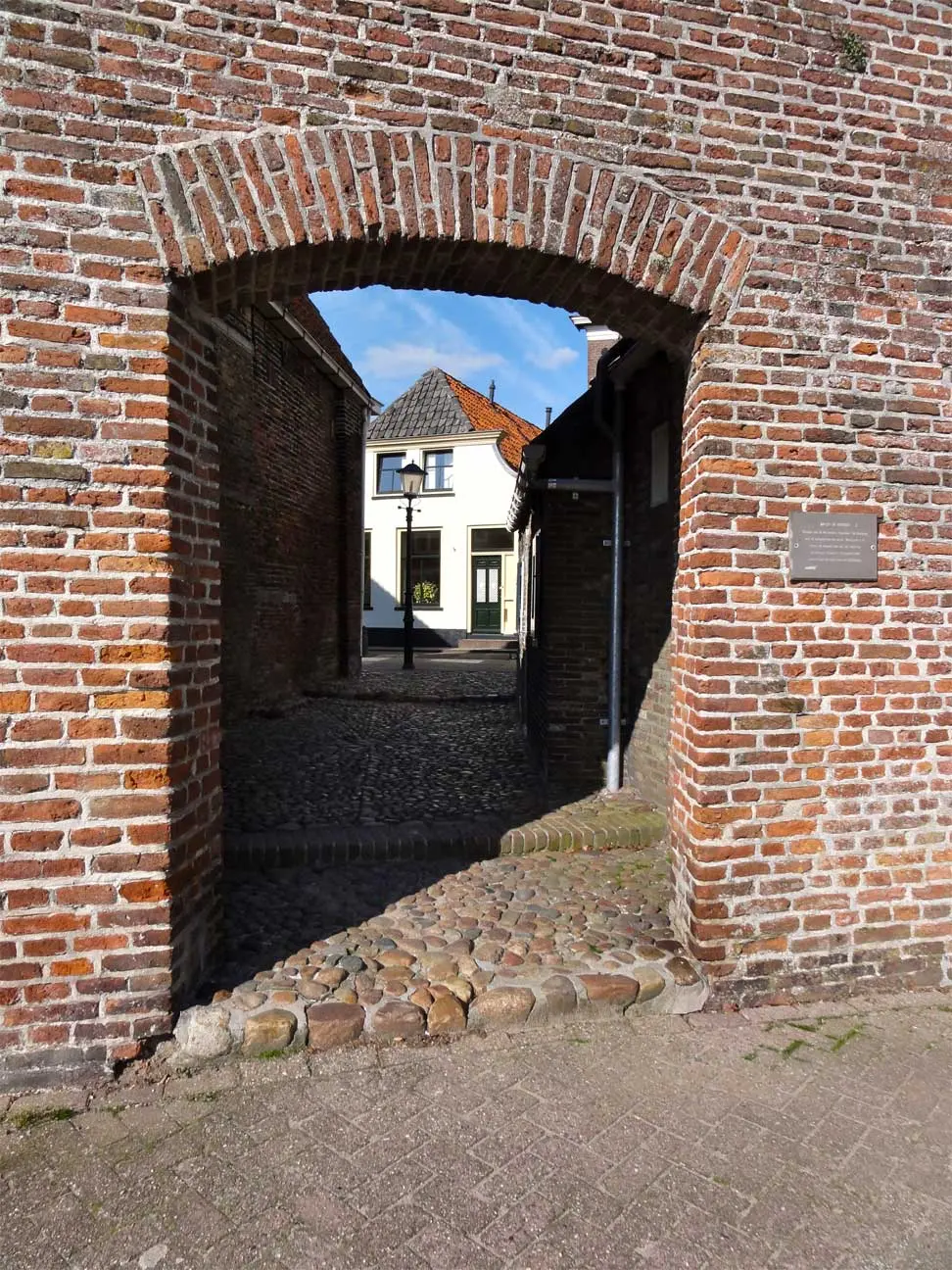
The Vispoort, also called the Waterpoort, dates from the 14th century. It is one of the six town gates Hasselt once had. A cannonball from a bombardment in 1657 is still walled into the town wall.
The Stenendijk is the last brick-built sea defence in the Netherlands. It once protected Hasselt against the Zuiderzee. Since the Afsluitdijk was built, the dike no longer holds back the sea.
From rushes to carpet
Rushes have been grown in Genemuiden since the 16th century. In the 17th and 18th centuries processing rushes became an important source of income, above all making chair seats by home workers. Around 1910 the production of rush mats began, and in 1918 and 1919 the first small factories appeared.
After the Second World War production shifted to coir mats and after 1965 to soft floor covering. In 2010 Genemuiden’s industry made more than half of all Dutch wool and nylon floor covering. The town was largely destroyed by the town fire of 1868, and again in 1882.