Zeeland
Vlissingen
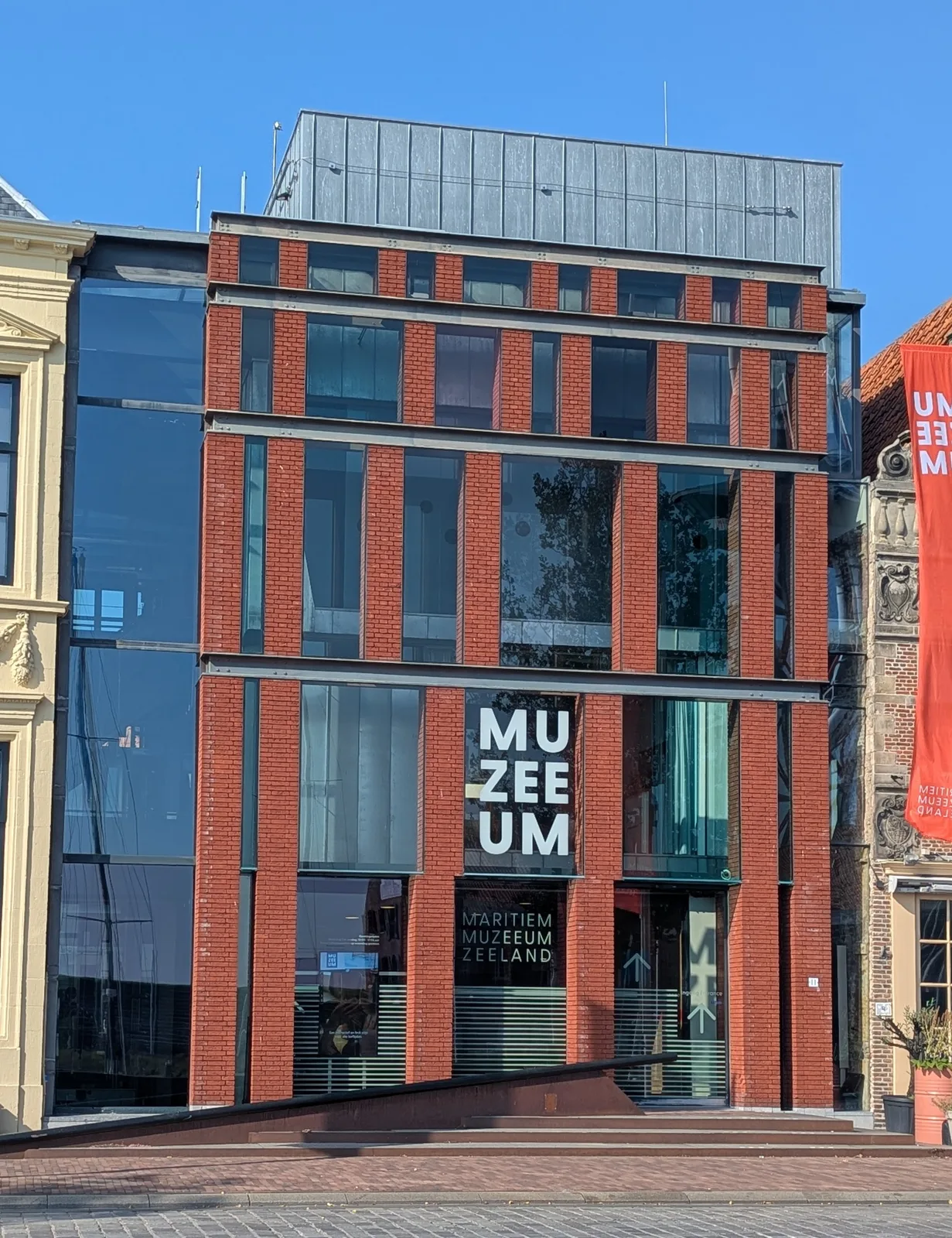
Vlissingen lies in Zeeland on the Westerschelde. The municipality has three towns: Vlissingen, Oost-Souburg and Ritthem. On 1 January 2026 it had 45,878 inhabitants. The municipality covers 344.84 square kilometres, including water. Vlissingen received city rights in 1315. In 1966 Oost-Souburg, West-Souburg and Ritthem became part of the municipality.
At the head of the boulevard, on the Keizersbolwerk, stands the statue of the Vlissingen naval hero Michiel de Ruyter. On Boulevard de Ruijter stands the Gevangentoren, a round gate tower on the seaward side. The Zeeuws Maritiem muZEEum on the Nieuwendijk tells the maritime history and future of Zeeland. The boulevard along the Badstrand is two kilometres long.
In the Scheldekwartier lie the Timmerfabriek, the Machinefabriek and the Dok van Perry of the former De Schelde shipyard. Early on 1 November 1944, Allied units landed at the Vlissingse Slijkhaven under the code name Uncle Beach, during the Battle of the Scheldt.
See and do
Zeeuws Maritiem muZEEum
The Zeeuws Maritiem muZEEum is at Nieuwendijk 11 and tells the maritime history and future of Zeeland. The museum has the North Sea Port Experience about the ports of Vlissingen, Terneuzen and Ghent, De Biber, a German midget submarine from the Second World War, and a Panoramadek with a view over Vlissingen. It is open Tuesday to Sunday from 10:00 to 17:00, and on Mondays during school holidays.
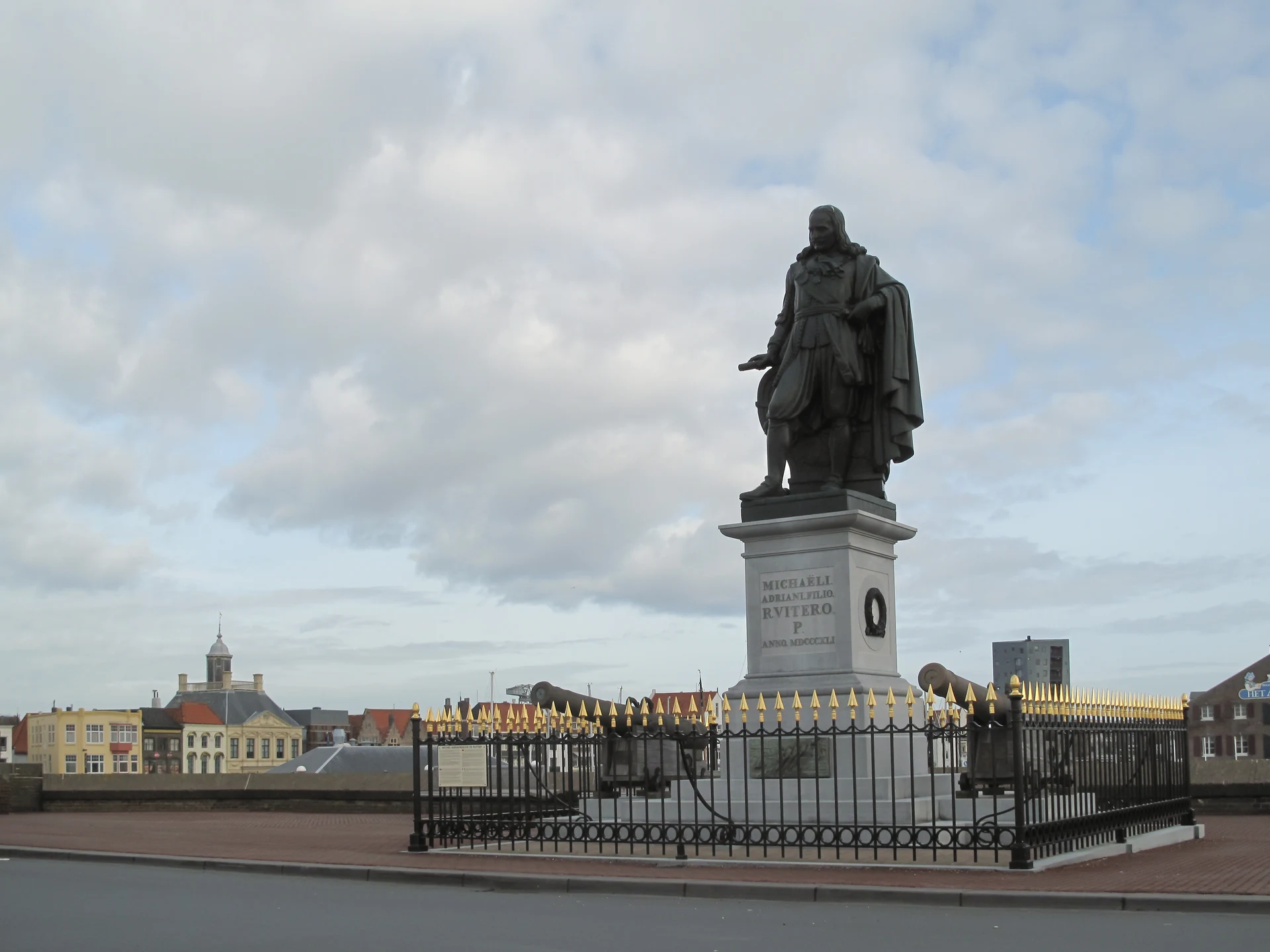
Statue of Michiel de Ruyter
The statue of Michiel de Ruyter stands on the Keizersbolwerk, at the head of the boulevard. It is a national monument (rijksmonument), and two bronze ship's cannons stand beside it. De Ruyter was a naval hero from Vlissingen. The Keizersbolwerk is part of the city's fortifications. Below the bastion lie De Kazematten from 1811, which belong to the muZEEum and are closed.
Gevangentoren
The Gevangentoren stands at Boulevard de Ruijter 1. It is a round gate tower on the seaward side, originally one of the towers of the Westpoort, which the French demolished in 1811. The tower is made of brick with layers of natural stone. Around 1960 it received a tent-shaped roof based on old drawings. At its base lies the Gevangenhuisbolwerk, which is registered as a separate monument.
Boulevard along the Badstrand
The boulevard along the Badstrand is two kilometres long. It has terraces with sea views, hotels, restaurants, modern art and statues of naval heroes. Pedestrians, cyclists, mopeds with a blue plate and mobility scooters can always use it. Vlissingen has six beaches: Badstrand, Nollestrand, Duinstrand, Westduin, Ritthem and Kalootstrand.
Nollebos
The Nollebos is a nature and recreation area of 26 hectares on the edge of the beach, the dunes and the boulevard. It has a play meadow, an exercise trail, a skate park, a mountain bike route, a bridle path, a duck pond and a marsh area. The area can be combined with a walk along the beach.
A day in Vlissingen
A day from Tuesday to Sunday, because the muZEEum is closed on Mondays except during school holidays. The other places are outdoors. De Kazematten in the Keizersbolwerk are closed.
10:00 · Zeeuws Maritiem muZEEum
The museum at Nieuwendijk 11 is open from 10:00 to 17:00. An online ticket is valid all day and no time slot needs to be reserved. A guided tour has to be requested in advance, preferably two weeks beforehand.
13:00 · Statue of Michiel de Ruyter
The statue stands on the Keizersbolwerk, at the head of the boulevard. Two bronze ship's cannons stand beside it.
13:30 · Gevangentoren
At Boulevard de Ruijter 1 stands the round gate tower, one of the towers of the Westpoort that the French demolished in 1811.
14:15 · Boulevard along the Badstrand
The boulevard is two kilometres long and always accessible to pedestrians and cyclists. The Nollebos lies on the edge of the beach, the dunes and the boulevard.
Map and localities
More about the Zeeuws Maritiem muZEEum
The Zeeuws Maritiem muZEEum tells the maritime history and future of Zeeland.
The museum shows the maritime history and future of Zeeland. The North Sea Port Experience is about the ports of Vlissingen, Terneuzen and Ghent. De Biber is a German midget submarine from the Second World War. From the Panoramadek you look out over Vlissingen.
The museum is about 100 metres from the centre, in a building that combines old and modern architecture. De Kazematten from 1811 in the Keizersbolwerk belong to the museum. They have been closed since March 2022, because salt and moisture have damaged the walls.
Key figures and transport
Population
45,878
Area
344.84 km²
Water
310.54 km²
Localities
3
Reference date · 1 January 2026
Stations
Search Holland Magazine
Nature, heritage and culture
Fortress town Vlissingen
In 1807 Vlissingen was ceded to France under the Treaty of Fontainebleau. Napoleon had the town strengthened as a fortress, on the landward side as well. Fortifications with a moat were built around the town. In 1809 the English captured Vlissingen. Their advance on Antwerp failed, and about half a year later the French took the town back.
Parts of the fortifications are being made visible again, such as the Oostbeer and the Westbeer. The municipality and Stichting Vesting Vlissingen are working on this. At the foot of the Gevangentoren lies the Gevangenhuisbolwerk, listed in the register as Bastion XIII.
Uncle Beach and the Battle of the Scheldt
The liberation of Vlissingen played a major role in the Battle of the Scheldt. Early on 1 November 1944, Allied units landed at the Vlissingse Slijkhaven under the code name Uncle Beach.
The Uncle Beach area has been set up around the Oranjemolen. It tells the story of the occupation, the liberation and the civilian population in the Second World War. A fully equipped German observation bunker stands on the site. The bunker can be visited through Stichting Bunkerbehoud, which also organises battlefield tours.