Noord-Holland
Purmerend

A vase at the Purmerends Museum tells a story about more than design. The museum preserves Art Nouveau pottery made by Purmerend factories between 1895 and 1907. In the former town hall on Kaasmarkt, these objects sit alongside the history of a place that developed from a fishing village into a market town. The collection connects the town with its makers and the surrounding landscape of lakes and reclaimed land.
In Middenbeemster, the focus shifts to living and working on the land. The Beemster Museum occupies the farmhouse behind the Westerhem house. Its arrangement around the hay store makes the building itself part of the story. The Betje Wolff Museum preserves a different domestic setting: the former rectory where the writer lived and had her study. The two museums show how many different histories meet within one village.
A Sunday museum day can combine Purmerend and Middenbeemster, allowing for travel between them. Fort bij Spijkerboor belongs to another visiting season. Its history concerns Amsterdam’s defences and life behind a long fort façade. The fort closes in winter, making it a further destination for a later day.
A museum on Kaasmarkt

Purmerends Museum
The Purmerends Museum in the former town hall presents local history and Purmerend Art Nouveau pottery from 1895–1907. Early work by J.J.P. Oud, Mart Stam and Jac. Jongert also forms part of the presentation. Changing exhibitions add subjects from art, ceramics and the history of the town and region.
Kaasmarkt 20, 1441 BG Purmerend
A day in Purmerend

A Sunday combination when both museums are open, excluding special closure dates. The Purmerends Museum normally opens on Sundays from 12:00 to 16:00. Museum.nl lists Sunday hours of 13:30–17:00 for the Beemster Museum. Seventy-five minutes between visits allows for lunch and travel by car; each visit focuses on a selection.
12:00–13:15 · Purmerends Museum
The day begins at the Purmerends Museum, Kaasmarkt 20, with local history, design and pottery. The collection connects the market town with its surroundings. The museum shop and tourist information office are at Peperstraat 35 and are also accessible from inside the museum.
14:30–16:00 · Beemster Museum
The Beemster Museum, Middenweg 185a in Middenbeemster, explores farming life and land reclamation. The farmhouse stands behind the Westerhem house at number 185. That front house, with its visitor centre, is shown in the photograph.
Map and localities
Localities
- Middenbeemster
- Noordbeemster
- Westbeemster
- Zuidoostbeemster
- Purmerend
More about Fort bij Spijkerboor
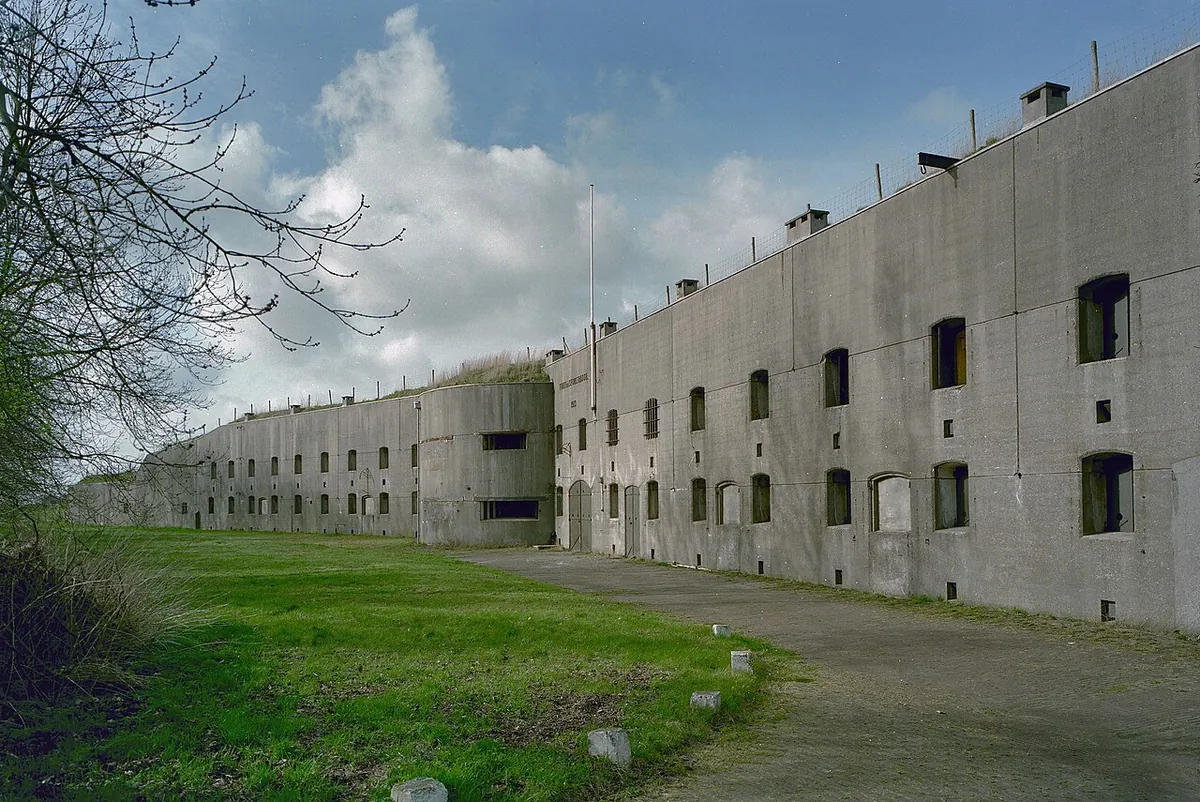
Fort bij Spijkerboor, Westdijk 46 in Westbeemster, forms part of Amsterdam’s defence line. It has two floors, ammunition chambers and a rotating armoured turret. The fort is closed from 5 October 2026 to 27 March 2027 inclusive. Natuurmonumenten gives 28 March 2027 as its first open day. A fort visit therefore belongs to a different day from the winter museum combination.
Key figures and transport
Population
96,182
Area
96.63 km²
Water
2.99 km²
Localities
5
Reference date · 1 January 2026
Stations
Search Holland Magazine
Literature and the home

Betje Wolff in Middenbeemster
The Betje Wolff Museum at Middenweg 178 occupies the former rectory. The writer lived there from 1759 to 1777. Her restored study, Kipperust, connects the house with the letters and books she wrote here.