Overijssel
Haaksbergen
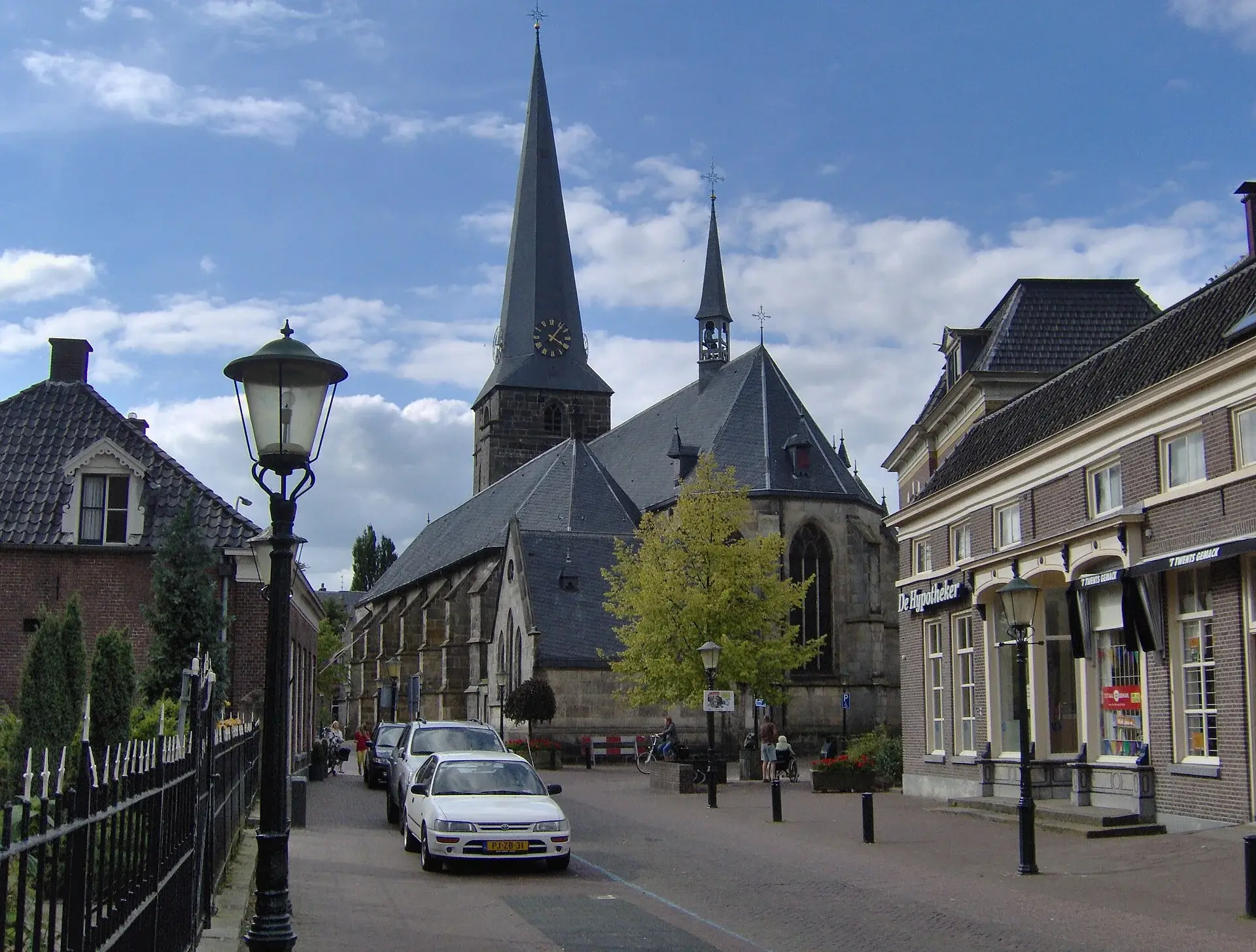
Haaksbergen lies in Twente, in Overijssel. On 1 January 2026 it had 24,313 inhabitants. The area is 105.5 square kilometres, including water. The municipality has one town: Haaksbergen.
Haaksbergen has two mills that are national monuments: the Oostendorper Watermolen and the De Korenbloem windmill. The association Hoksebargse Mölln looks after both mills. On the southern side of Haaksbergen lies the Haaksbergerveen, a raised bog area on the German border. At the edge of the bog lies the sheepfold Schaapskooi Horstervennehoes.
The Oostendorper Watermolen is open on Wednesdays and Saturdays from 14:00 to 15:00 from 1 October to 31 March. The De Korenbloem windmill is open on Saturday afternoons, from 14:00. Restaurant De Watermölle, next to the watermill, is open 7 days a week from 10:00 to 22:00.
See and do

Oostendorper Watermolen
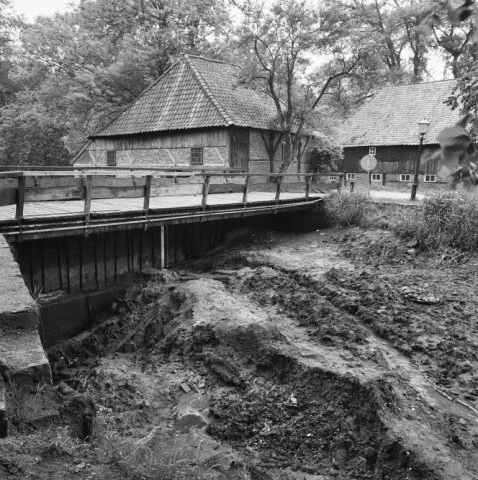
The Oostendorper Watermolen at Watermolenweg 3 is a national monument and a double watermill on the Buurserbeek. On the right bank stands a grain mill with two wheels, on the left bank an oil mill with one wheel. In 1946 the oil mill was washed away by high water. From 1 October to 31 March the mill is open on Wednesdays and Saturdays from 14:00 to 15:00.
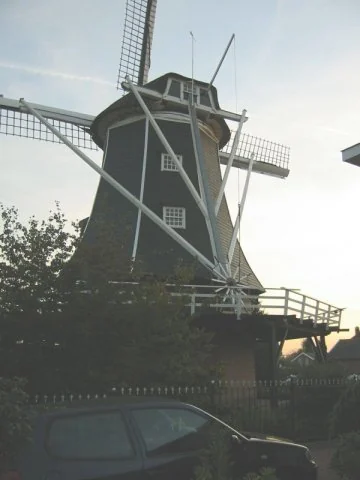
De Korenbloem windmill
The De Korenbloem windmill at Fazantstraat 39 is a national monument and a grain mill: an octagonal smock mill of which only the cap with the sails is turned into the wind. Each sail is 12 metres long and the span is 24 metres. The mill is open on Saturday afternoons, from 14:00. Volunteer millers of the association Hoksebargse Mölln give guided tours and demonstration days.
Schaapskooi Horstervennehoes
At the edge of the Haaksbergerveen lies Schaapskooi Horstervennehoes at Schapendrift 11. The flock of sheep is needed to manage the bog: the sheep keep, among other things, purple moor grass and bracken in check, so that raised-bog species such as peat moss thrive better. The former sheep shed from Buurse is the educational centre, with a permanent exhibition about the flock. The centre is open on a number of afternoons.
Walking route Haaksbergerveen
The Haaksbergerveen is a raised bog area on the southern side of Haaksbergen, on the German border. Raised bog is a rare type of soil that occurs in only a few places in the Netherlands. The walking route is 7.5 kilometres long and follows the orange route arrows of the walking network. Along the way you walk through boggy raised bog and wide heathland, alternating with small woods and grassland.
A day in Haaksbergen
A Saturday from November to March. In that period the Oostendorper Watermolen is open on Wednesdays and Saturdays from 14:00 to 15:00. The De Korenbloem windmill is open on Saturday afternoons. The Haaksbergerveen is outdoors.
10:00 · Walking route Haaksbergerveen
The 7.5-kilometre walk follows the orange route arrows through raised bog and heath on the southern side of Haaksbergen.
13:00 · Restaurant De Watermölle
The restaurant at Watermolenweg 3 is open 7 days a week from 10:00 to 22:00 and overlooks the Oostendorper Watermolen. Breakfast is by reservation only.
14:00 · Oostendorper Watermolen
From October to March the mill is open on Wednesdays and Saturdays from 14:00 to 15:00. A guided tour costs 3 euros for adults and 1.50 euros for children up to and including 12 years.
15:30 · De Korenbloem windmill
The mill at Fazantstraat 39 is open on Saturday afternoons, from 14:00. The sails are 12 metres long.
Map and localities
More about the association Hoksebargse Mölln
The association Hoksebargse Mölln looks after both Haaksbergen mills.
The association Hoksebargse Mölln was founded in 1987 to keep the mills in good condition and to use them in the original way. The association gives guided tours and demonstration days on which flour is ground and oil is pressed.
Volunteer millers and oil pressers work at the mills. On the second Saturday of the month, oil is pressed from 10:00 to 17:00 if the water level is sufficient. These include 14 November and 12 December 2026.
Key figures and transport
Population
24,313
Area
105.50 km²
Water
0.73 km²
Localities
1
Reference date · 1 January 2026
Search Holland Magazine
Nature, heritage and culture
Water and oil on the Buurserbeek
The Oostendorper Watermolen has a grain mill and an oil mill, each in its own building. On the right bank stands the grain mill with two wheels, on the left bank the oil mill with one wheel.
In 1946 the oil mill was completely washed away by high water. In 1950 it was restored. After a thorough restoration in 1987 and 1988, the mill was opened to the public in May 1988.
The top-turning mill De Korenbloem
De Korenbloem is a top-turning mill: only the cap with the sails can be turned into the wind. The cap is thatched with reed. The octagonal body is clad with tarred oak shingles, in three overlapping layers. These shingles are typical of eastern Twente and the Achterhoek.
In 1888 the gallery was in such bad condition that it was demolished and replaced by earth, which made the mill a mound mill. The mill has one natural-stone pair of millstones.