Gelderland
Culemborg
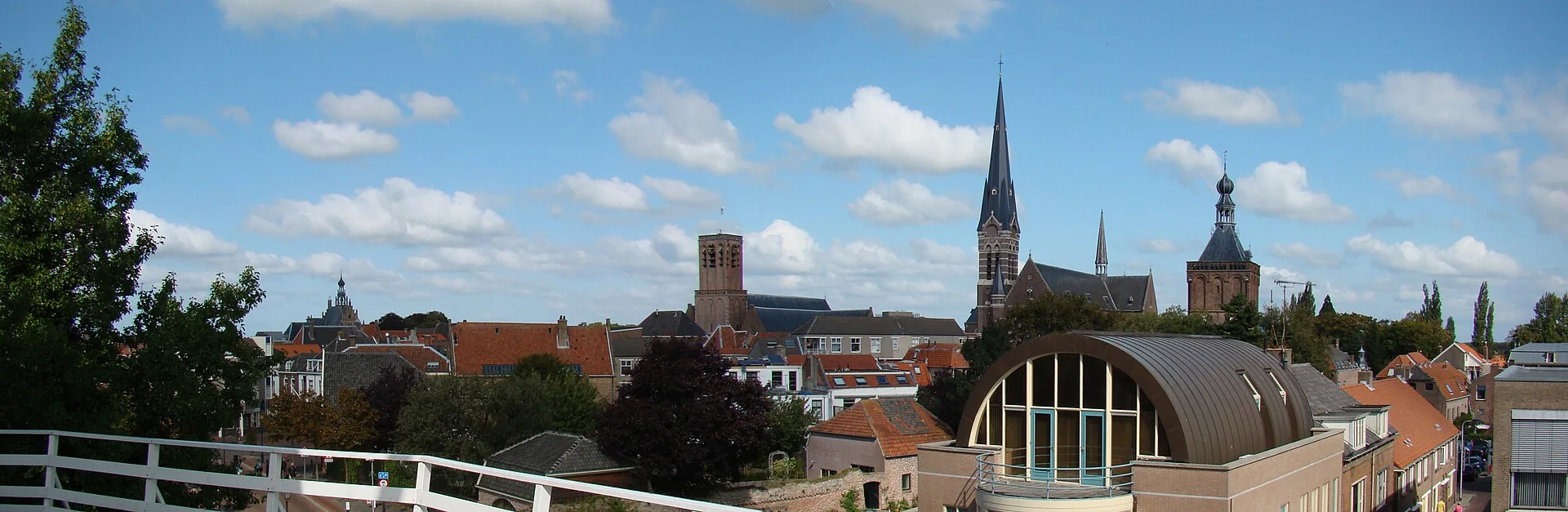
Culemborg lies in Gelderland on the river Lek. On 1 January 2026 it had 30,413 residents. The municipality covers 31.14 square kilometres, including water, and has one locality: Culemborg. The historic centre is a protected townscape with many towers.
In the centre stands the Elisabeth Weeshuis Museum on the Herenstraat, with a formal garden bounded by the old town wall. On the Oude Vismarkt stands the late Gothic town hall, a national monument designed by Rombout Keldermans. On the Goilberdingerdijk lies Werk aan het Spoel, a fort of the New Dutch Waterline. The outdoor grounds are freely accessible between sunrise and sunset.
The orphanage museum is open Wednesday to Sunday from 12:00 to 17:00 and closed on Monday, Tuesday and Christmas Day. On the first Saturday of the month there is a tour of the town hall at 14:00.
See and do
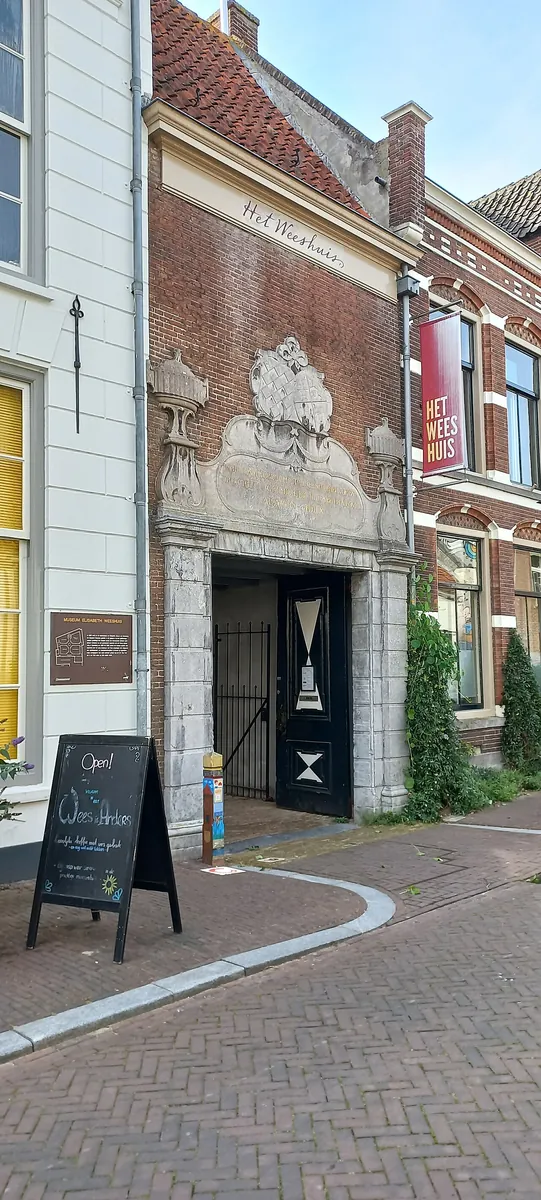
Elisabeth Weeshuis Museum
The Elisabeth Weeshuis Museum is at Herenstraat 29, in the building of the former orphanage. Between 1560 and 1952, more than 700 orphans grew up here; the town museum has been housed in the building since 1928. The museum tells the story of the town and the orphanage, with portraits of counts and countesses, silver bowls, paintings and historic interiors. It is open Wednesday to Sunday from 12:00 to 17:00.
Culemborg town hall
Culemborg town hall stands at Oude Vismarkt 4. It is a late Gothic national monument, built between 1534 and 1539 to a design by Rombout Keldermans. The Tourist Information Point is housed in the building. The vaulted cellar was first a meat hall and later used for wine storage among other things; a 17th-century weighing scale still hangs there. On the first Saturday of the month the town hall guides give a tour at 14:00.
Werk aan het Spoel
Werk aan het Spoel lies at Goilberdingerdijk 40 and belongs to the New Dutch Waterline. The fort protected the inlet sluice on the Lek, which could flood the land between the Lek and the Linge. The grounds contain bombproof buildings, casemates, group shelters and batteries. The outdoor grounds are freely accessible between sunrise and sunset. The restaurant Caatje aan de Lek is in the Forthuis.
City walk Silhouet van een stad
The city walk Silhouet van een stad is 5 kilometres long and starts and ends in the centre. The route leads through characteristic streets, along tree-lined avenues and a Zocher park, over the bank of the Lek and past the old Ronde Haven. From a distance you see the silhouette of the centre with its many towers, the protected townscape of Culemborg. The walk Binnenstad Culemborg is also 5 kilometres and passes facades and buildings in the town.
A day in Culemborg
A Saturday from November to March. The Elisabeth Weeshuis Museum is then open from 12:00 to 17:00. The museum is closed on Monday, Tuesday and Christmas Day.
10:00 · City walk Silhouet van een stad
The 5-kilometre walk starts in the centre and leads through characteristic streets to the bank of the Lek, the old Ronde Haven and a Zocher park. At the end the centre lies before you again.
12:00 · Elisabeth Weeshuis Museum
The museum at Herenstraat 29 is open Wednesday to Sunday from 12:00 to 17:00. You see portraits of counts and countesses, paintings and historic interiors, and hear the voices of orphans talking about their childhood.
14:30 · Café and garden of the Weeshuis
The orphanage houses a café with coffee, tea, local treats and small lunch dishes. Behind the museum lies the formal garden, bounded by the old town wall.
15:30 · Town hall, Oude Vismarkt 4
The late Gothic town hall is a national monument, built between 1534 and 1539 to a design by Rombout Keldermans. On the first Saturday of the month there is a tour by the town hall guides at 14:00.
Map and localities
More about the Elisabeth Weeshuis Museum
The museum tells about the town and about the children who lived in the orphanage.
The museum tells the social story of the children who grew up in the orphanage and the historical story of the town. There are interactive elements and the voices of orphans talking about their childhood.
An adult ticket costs 12.50 euros; students and children from 5 to 17 years pay 6 euros. Tickets can be bought online on the museum website.
Key figures and transport
Population
30,413
Area
31.14 km²
Water
1.90 km²
Localities
1
Reference date · 1 January 2026
Stations
Search Holland Magazine
Nature, heritage and culture
The orphanage of Elisabeth of Culemborg
The orphanage was founded in 1560 with money from the estate of Lady Elisabeth of Culemborg, intended for poor orphans in Culemborg and Hoogstraten. The complex had separate wings for boys and girls, a chapel, a farm and a brewery.
The old kitchen garden behind the museum is now a formal garden, bounded by the old town wall. The building today also houses a library, the Volksuniversiteit and a café.
Werk aan het Spoel and the Waterline
In the winter of 1794-1795 the site played a role in the arrival of the French armies. A breach was then made in the dyke, guarded with artillery.
In the 19th century bombproof buildings were added, in the 20th century casemates, group shelters, batteries and tank obstacles. After the Second World War the whole line was decommissioned. Today the Forthuis houses an activity centre with catering.