The clocks go back, but Europe’s plan is still pending
Editors ·
On the night of 24–25 October, the Netherlands returns to winter time. The proposal to end the twice-yearly clock change is unfinished, with a new impact study under way in 2026.

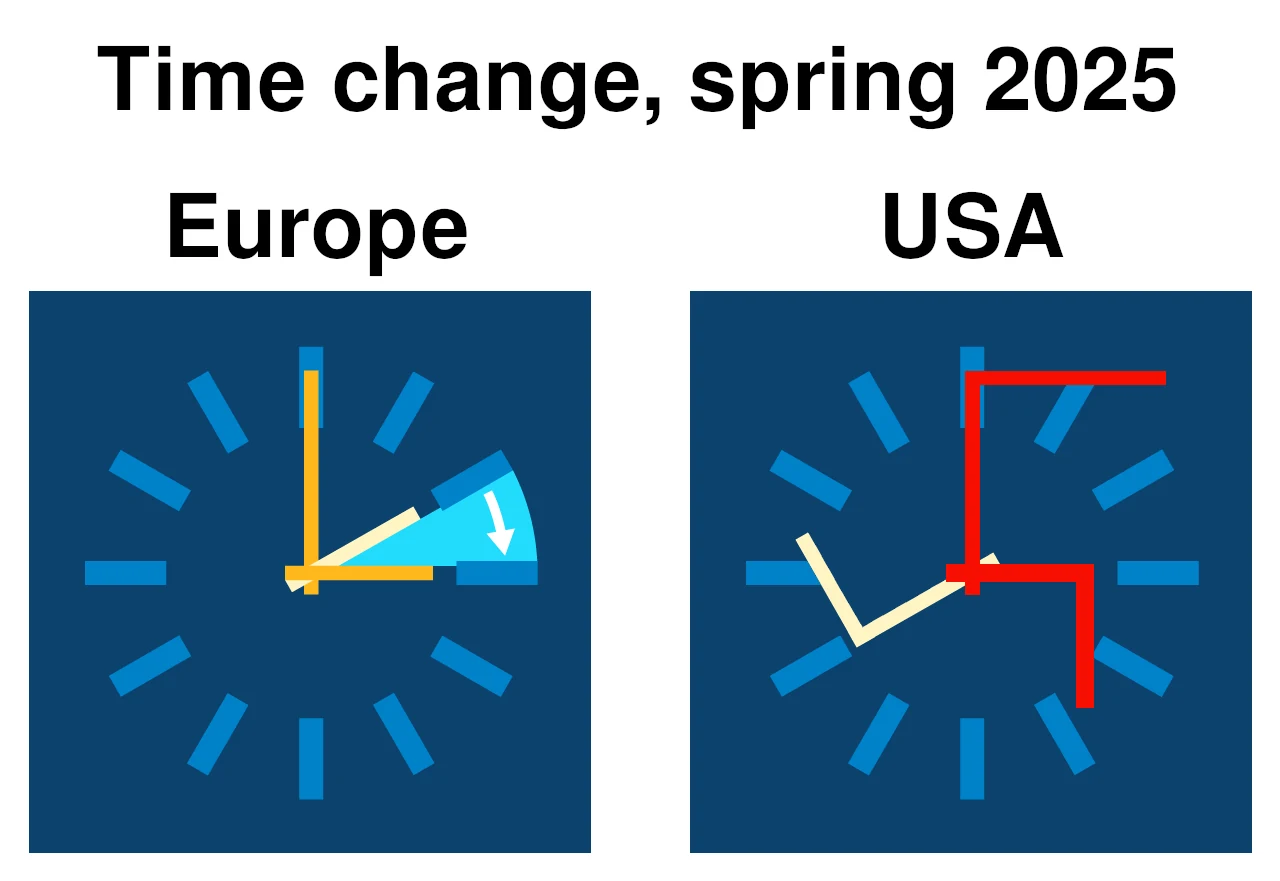
In the night from Saturday 24 to Sunday 25 October 2026, the clocks go back one hour. At 3 am, they return to 2 am, the Dutch government says. Winter time then begins, coinciding with the statutory Central European standard time.
The change follows the same calendar rule each year: clocks go back on the last weekend of October and forward again in March. The Netherlands introduced summer time in 1977 to align with neighbouring countries. Since 1980, summer time has been regulated at European level.
The European Commission proposed ending seasonal clock changes in 2018. The European Parliament adopted its position at first reading in 2019, but the procedure is still awaiting a position from the Council of the EU.

A Council note from June 2026 says progress stalled after initial discussions and that the Council has not agreed a position. The current clock change therefore remains in place; no timetable for ending it has been set.
The European Commission is meanwhile studying the effects of different options. The study began in February 2026 and compares ten scenarios, including permanent summer and winter time. Its conclusion is expected by the end of 2026.
The Dutch government also notes what the shortest day means for daylight: on 21 December, it gets light at around 8:45 am and the sun sets around 4:30 pm. That is one practical reason the autumn clock change is felt again each year.