Noord-Brabant
Tilburg
A former wool mill can become an art museum while retaining its industrial character. At De Pont in Tilburg, the large hall, sawtooth roof and smaller wool-storage rooms remain part of the visit. Where wool was once processed, these spaces now shape the presentation of paintings, sculpture and installations. The building contributes its own history to the art displayed inside it.
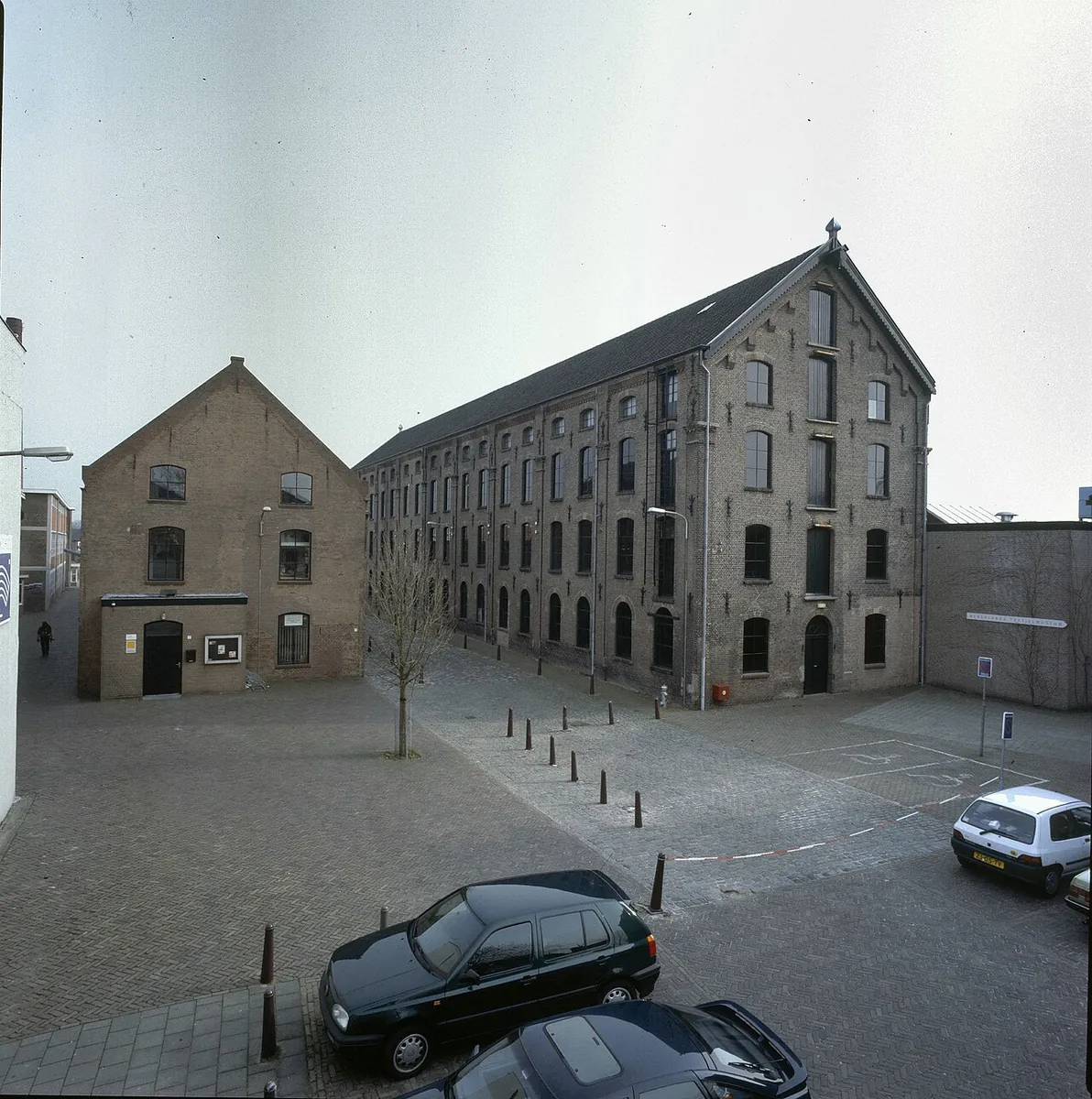
On Goirkestraat, the TextielMuseum makes another connection between the textile industry and the present. In a former textile factory, historical techniques meet design and art. Its TextielLab is a professional development workshop where makers and technical specialists collaborate on new applications. Materials matter here, alongside the knowledge needed to turn them into something.
The example day below combines the two museums, allowing time for lunch and travel. The morning covers a selection at De Pont, followed by the TextielMuseum in the afternoon. Further down, textile skills and De Pont’s conversion are covered. Together, the institutions show how an industrial setting can accommodate both new production and the presentation of art.
Textiles and design
TextielMuseum
The TextielMuseum connects textile history, design and visual art. In the TextielLab, makers collaborate with specialists on textile projects. The former factory gives this combination of craft and development a historical setting.
Goirkestraat 96, 5046 GN Tilburg
A day in Tilburg
This example assumes an ordinary Tuesday to Sunday outside closure dates. Both visits select from the museums’ wider offering. An hour and a half between museums allows lunch and travel; the afternoon also begins after the TextielMuseum’s weekend opening time.
11:00–13:00 · De Pont Museum
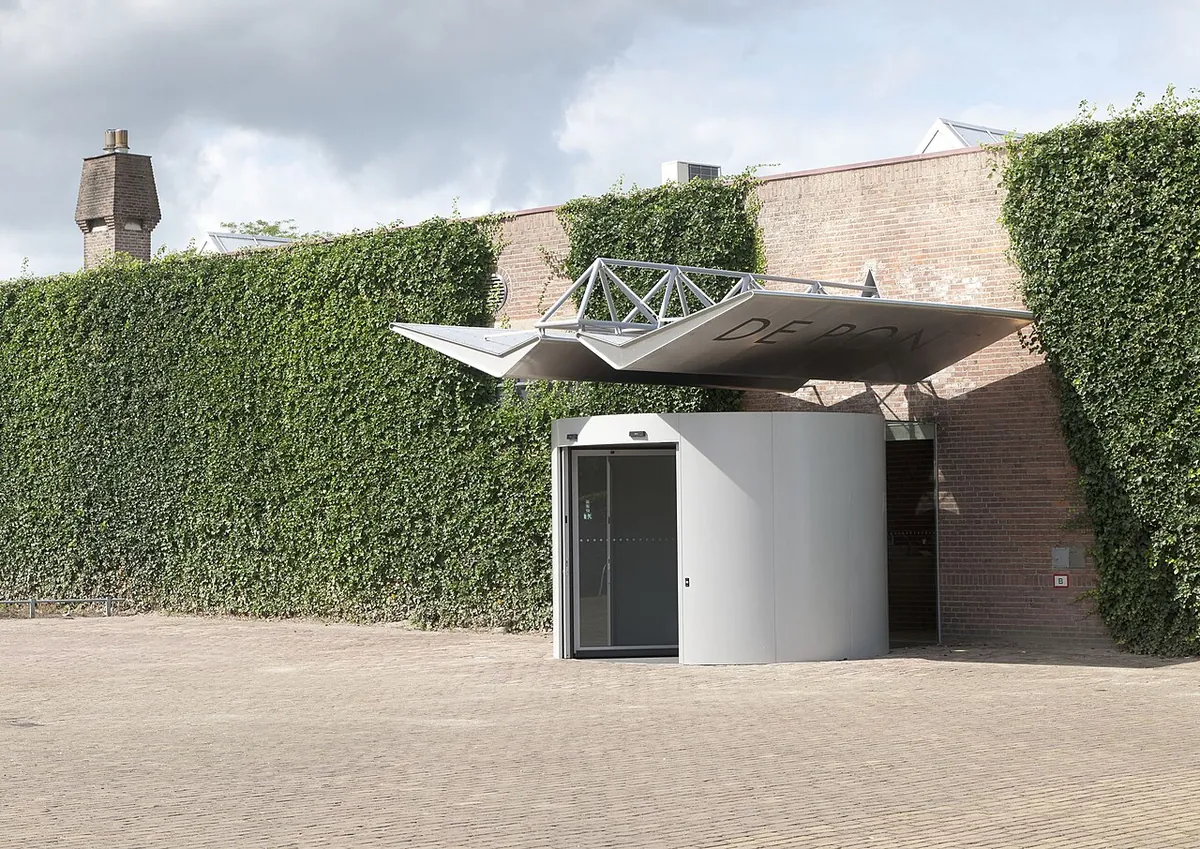
The morning concentrates on a selection of exhibitions and collection displays at De Pont, at Wilhelminapark 1. The large hall and smaller spaces provide different settings for art.
14:30–16:30 · TextielMuseum
The afternoon covers the TextielMuseum at Goirkestraat 96, with textile history and contemporary design as its starting points. The visit selects from its displays; activity in the professional workshop follows its own working rhythm.
Map and localities
More about Tilburg
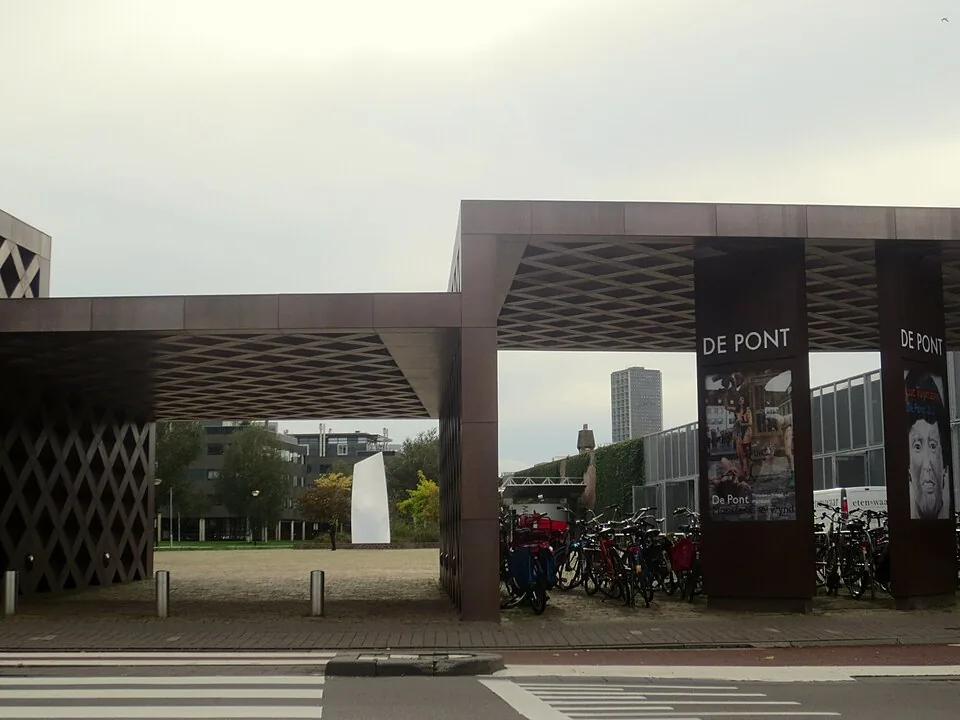
De Pont opened in 1992 in a former wool mill. Benthem Crouwel Architects converted the factory complex while retaining its original character. The sawtooth roof brings daylight into the large hall; the smaller wool-storage rooms offer spaces on a different scale. Conversion gave the same industrial building a role in presenting contemporary art.
Key figures and transport
Population
230,746
Area
128.46 km²
Water
2.67 km²
Localities
4
Reference date · 1 January 2026
Stations
Search Holland Magazine
Textile skills
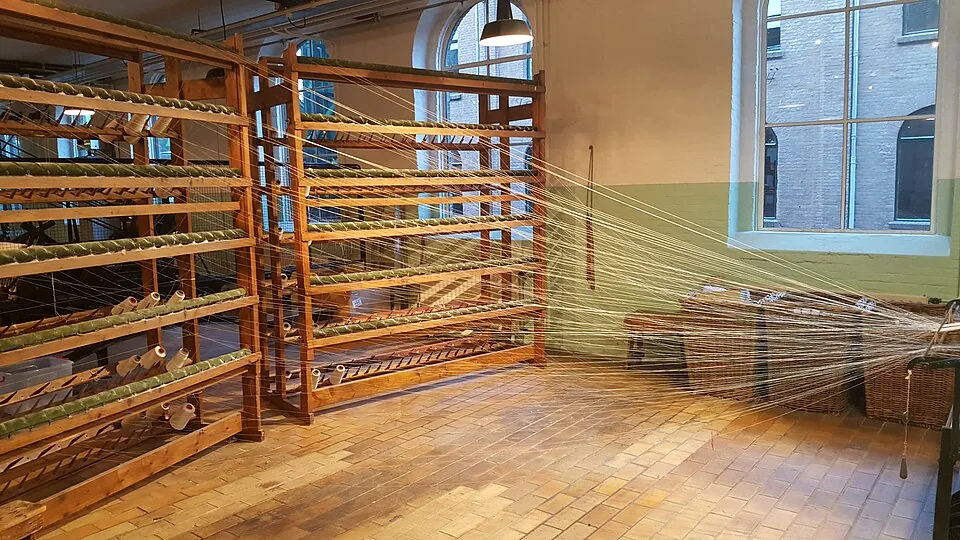
From thread to design
Weaving, knitting, embroidery and tufting offer different ways of shaping textiles. The TextielLab brings manual and industrial techniques together. Product developers and makers connect material choices with the possibilities of machinery. The photograph from 2016 shows historical textile technology in the museum; the present development workshop also uses computer-controlled equipment.