Zuid-Holland
Leiden
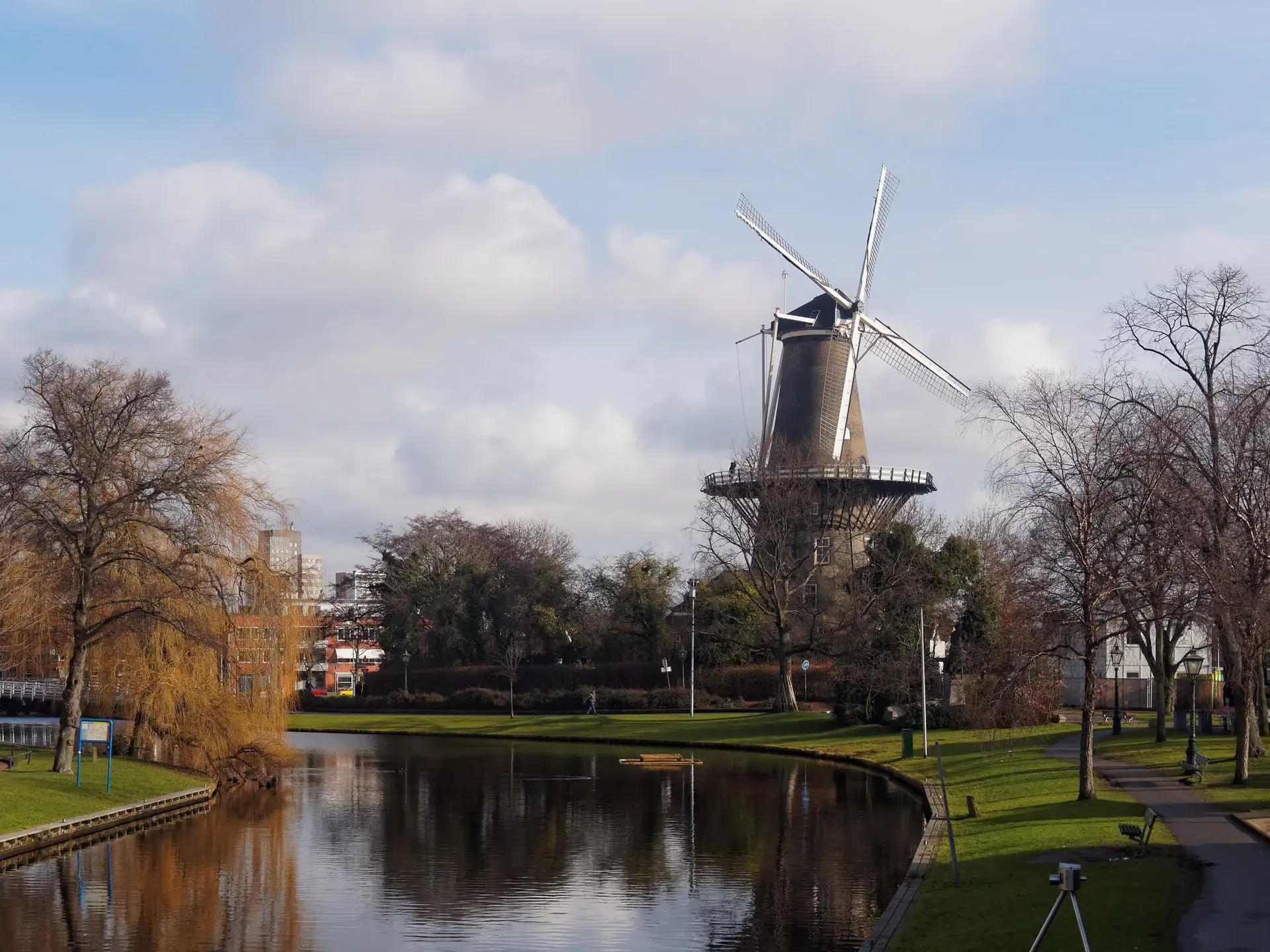
A living plant makes different demands on a collection from a fossil or a scientific instrument. In Leiden, those differences can be seen close together. Naturalis brings together the history and diversity of life, including the Tyrannosaurus rex Trix. The Hortus botanicus instead keeps living plants in gardens and glasshouses, where researchers and students work with the collection.
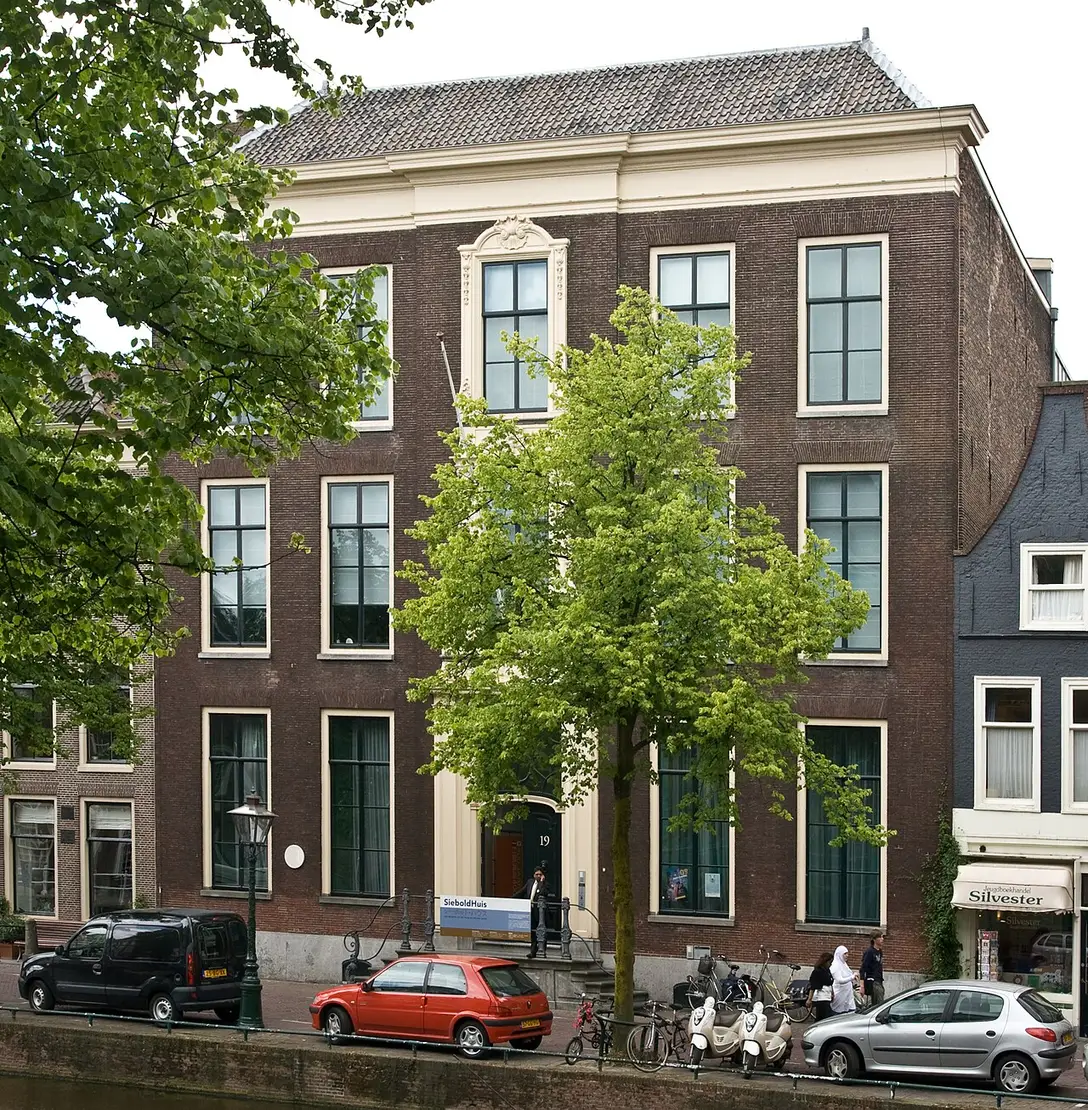
Japanmuseum SieboldHuis connects collecting with a person and a history of travel. The museum occupies Philipp Franz von Siebold's former home and presents Japanese objects he assembled. A visit adds cultural history to the natural history and botanical collections. The example day below selects from these three institutions and leaves time for lunch and travel.
The selection is not a complete tour of Leiden's museums. Museum De Lakenhal connects art with the city's history and cloth industry; Rijksmuseum Boerhaave examines the part played by instruments in science and medicine. Both offer separate additions. A museum day in Leiden can therefore explore how a collection takes shape, is maintained and is used to share knowledge.
Nature and plants in Leiden

Naturalis Biodiversity Center
Naturalis presents the diversity and history of life. The Tyrannosaurus rex Trix and displays about the Netherlands in the Ice Age provide concrete subjects for a visit. The example day covers a selection of galleries.
Darwinweg 2, 2333 CR Leiden
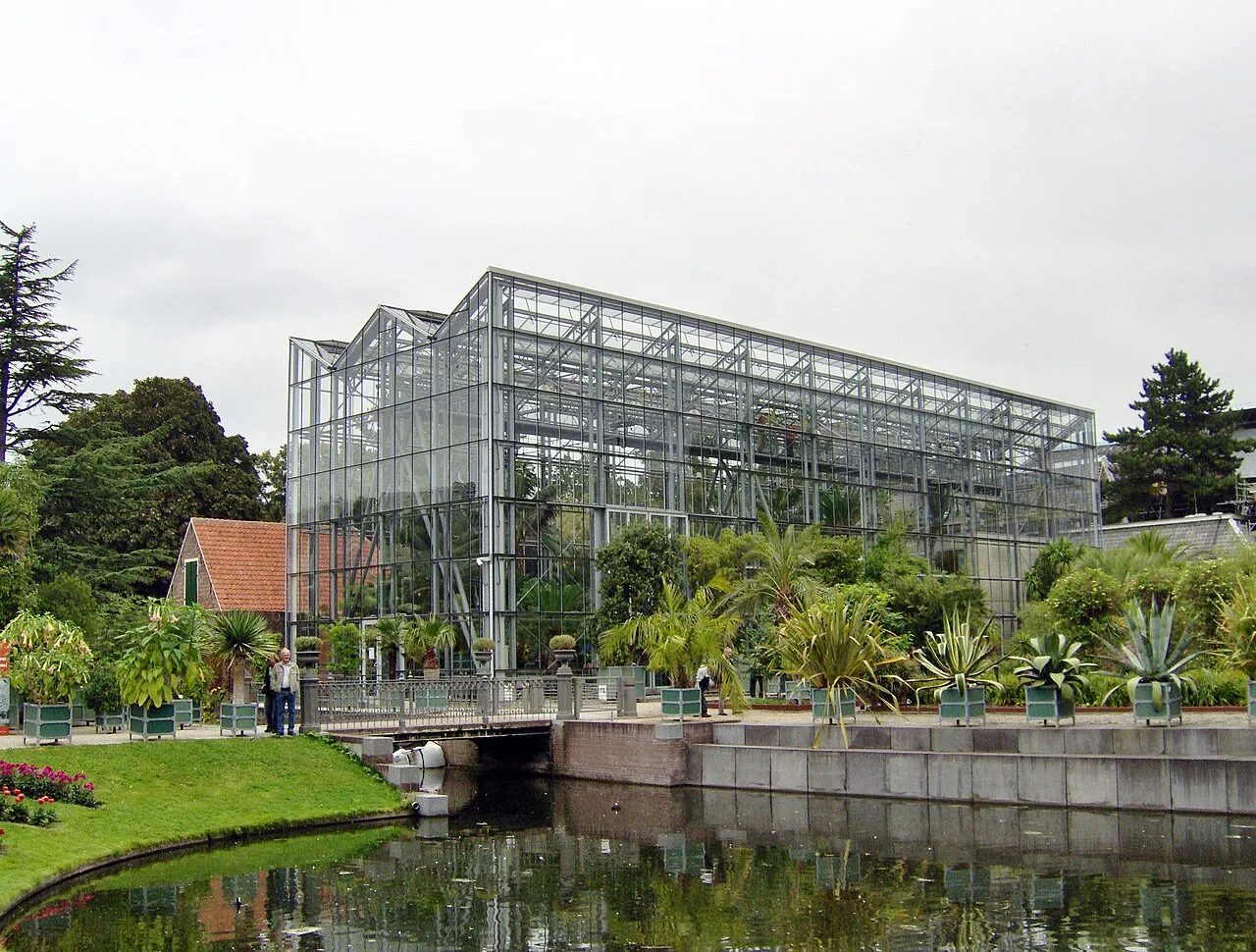
Hortus botanicus Leiden
The Hortus botanicus Leiden is a living plant collection in gardens and glasshouses. Students and scientists use its plants to study subjects including diversity. Gardens and glasshouses combine a walk with this scientific role.
Rapenburg 73, 2311 GJ Leiden
A day in Leiden
This example assumes an ordinary Tuesday to Sunday when all three institutions admit visitors during the suggested windows, outside their closure dates. The morning covers a selection at Naturalis. An hour and a half allows lunch and travel to Rapenburg; fifteen minutes separate the Hortus and SieboldHuis. Each visit selects from the venue's wider offering.
10:00–12:00 · Naturalis
The morning concentrates on part of Naturalis, such as its natural history displays about dinosaurs or the Ice Age. Two hours cover a selection rather than every gallery.
13:30–14:45 · Hortus botanicus Leiden
After lunch comes the Hortus at Rapenburg 73. Gardens and glasshouses give different plant habitats a place within one collection. The window covers a short selection before moving to SieboldHuis.
15:00–16:30 · Japanmuseum SieboldHuis
The day ends at Japanmuseum SieboldHuis at Rapenburg 19. Japanese objects and Siebold's story introduce another history of collecting. The former home provides a setting of its own.
Map and localities
More about Leiden
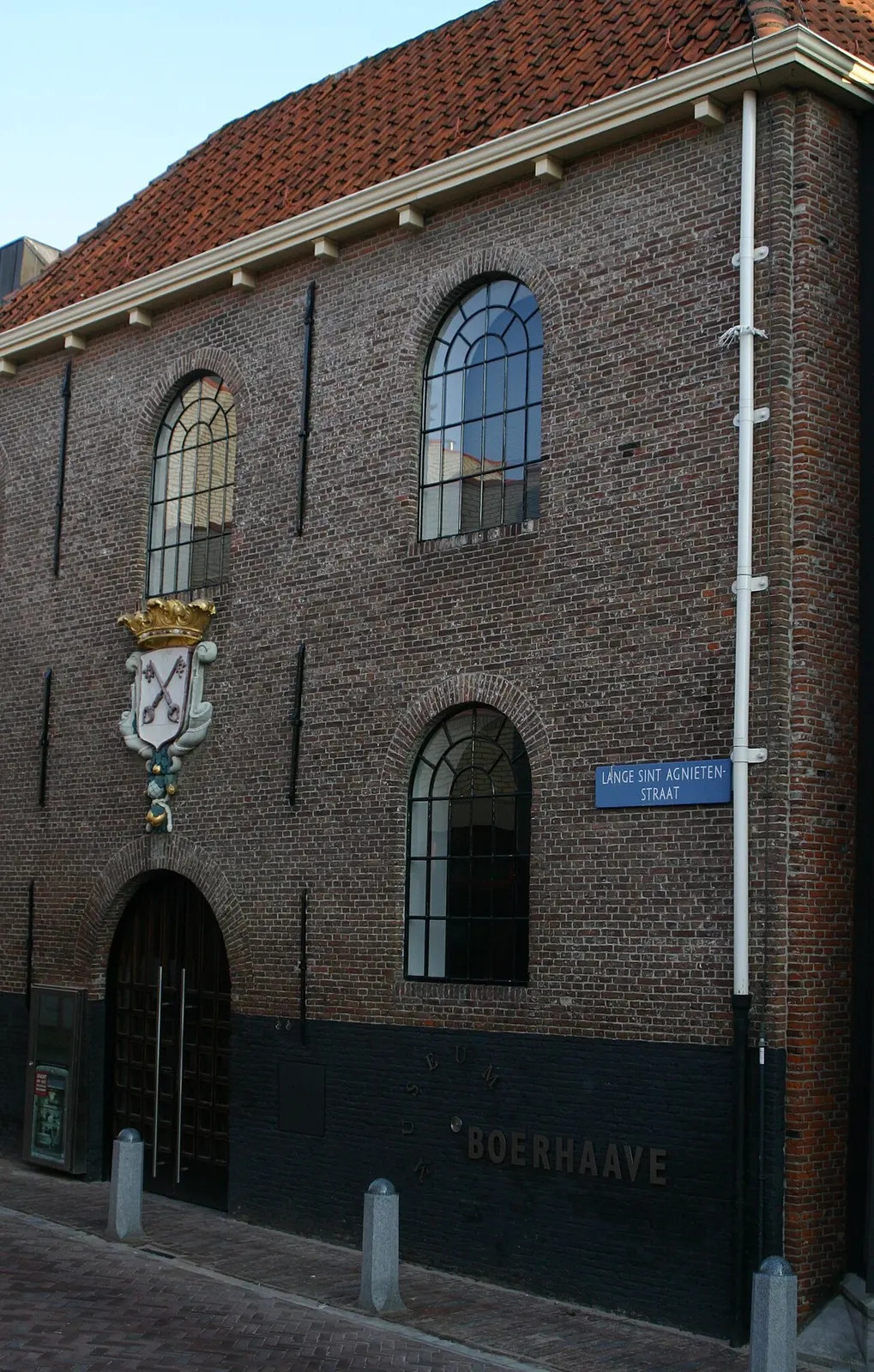
Rijksmuseum Boerhaave focuses on five centuries of scientific history in the Netherlands. Its collection includes Antoni van Leeuwenhoek's microscopes, Christiaan Huygens's pendulum clock and medical objects. These instruments make the roles of observation and measurement in research concrete. Boerhaave is an addition for another visiting day.
Key figures and transport
Population
130,328
Area
23.27 km²
Water
1.34 km²
Localities
1
Reference date · 1 January 2026
Stations
Search Holland Magazine
Collecting in the city
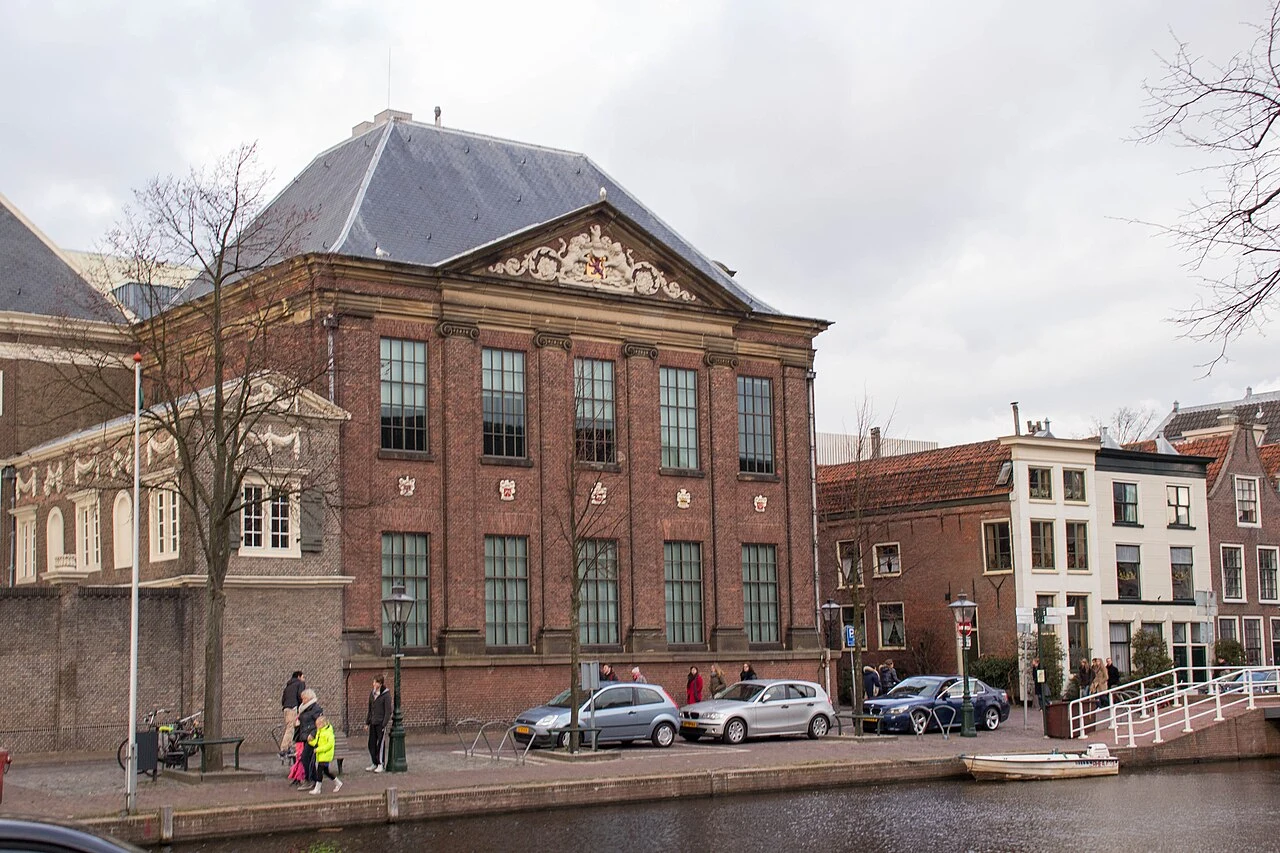
Art and Leiden cloth
Museum De Lakenhal on Oude Singel connects fine art, decorative art and city history. Its display about seven centuries of Leiden cloth places textiles in their historical setting. Other central accounts concern Leiden and its artists. De Lakenhal offers a separate museum visit alongside the example day.