Noord-Holland
Amstelveen
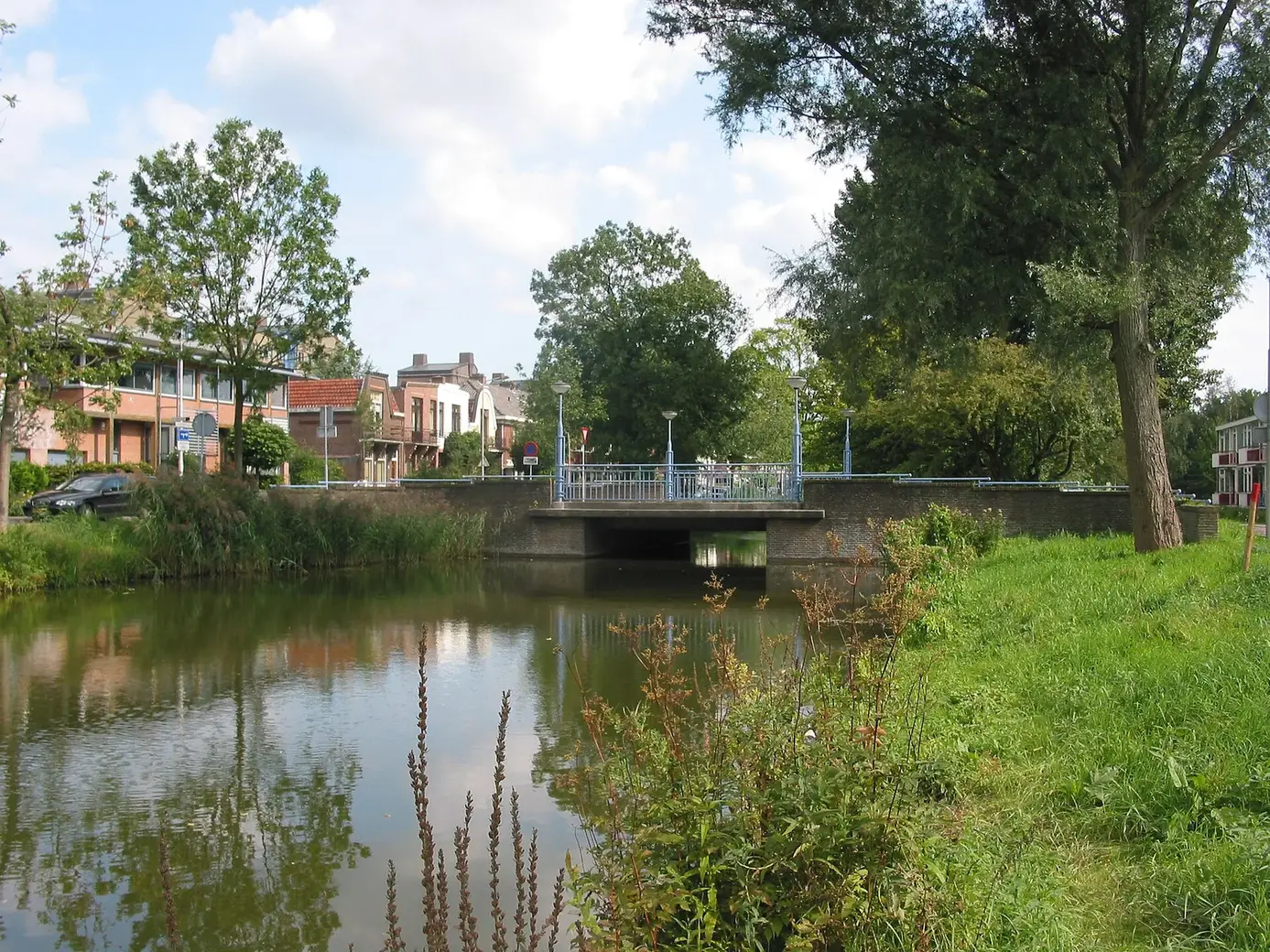
At Museum JAN, glass takes the form of an art object. The collection assembled by Jan van der Togt and Jan Verschoor provides a permanent foundation alongside changing exhibitions of art and design. Museum Cobra instead centres on the art and ideas of the Cobra movement and their connections with contemporary artists. A museum day in Amstelveen brings together different approaches to materials, form and imagination.
The two museums have separate addresses: Museum Cobra on Sandbergplein and Museum JAN on Dorpsstraat in the Old Village. The example day selects a morning and an afternoon from their offerings, leaving time for lunch and travel. Both visits cover a selection from the collections and exhibitions.
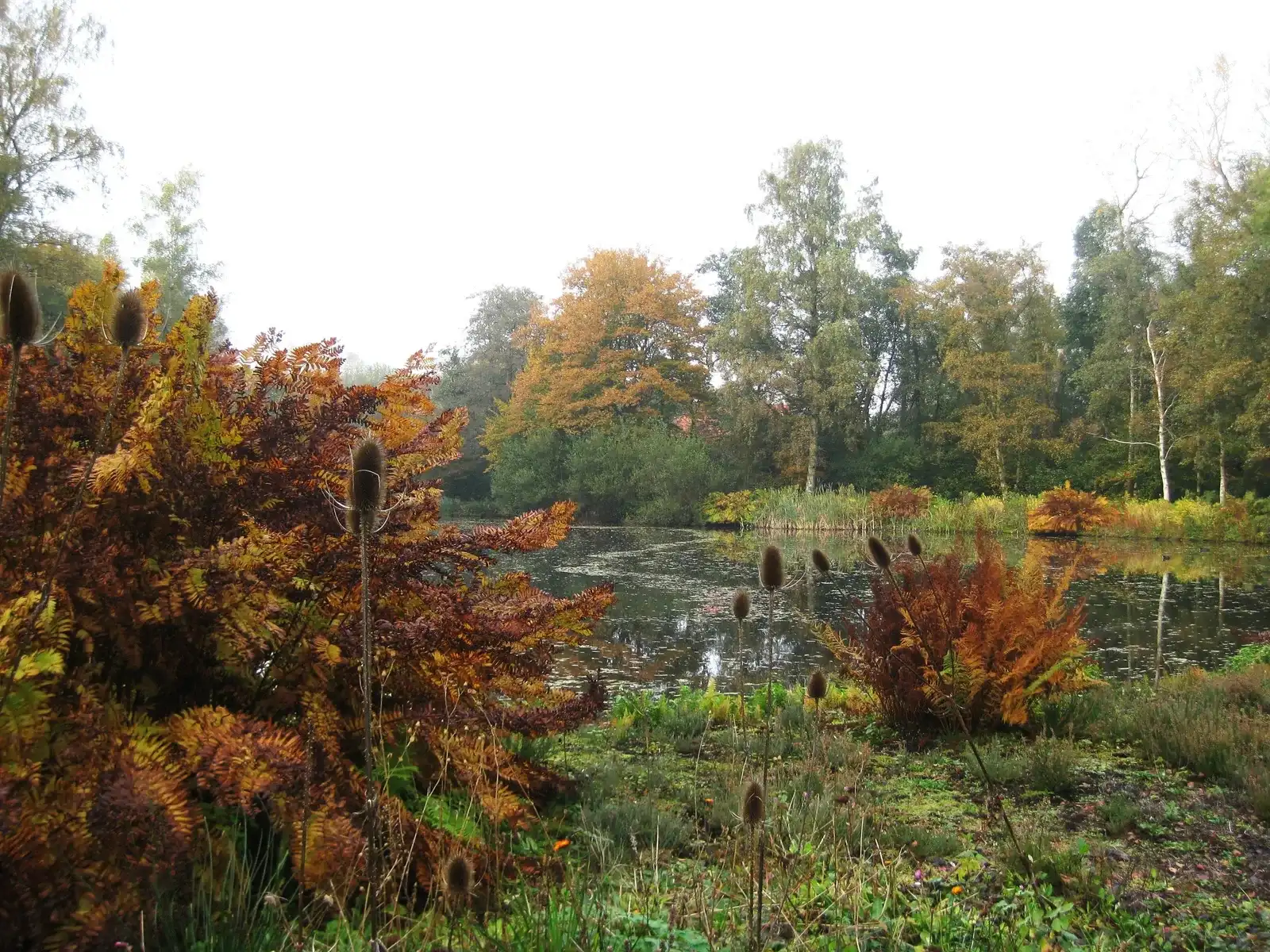
Amstelveen’s green spaces are designed too. At Dr. Jac. P. Thijssepark, changes in ground level create places for plants suited to dry and damp soil. De Braak, developed in 1939, has a more open character around a large pond. These habitat parks use Dutch flora and each has its own structure. They appear here as separate walking opportunities alongside the museum day, with attention to how a landscape is composed.
The art and ideas of Cobra
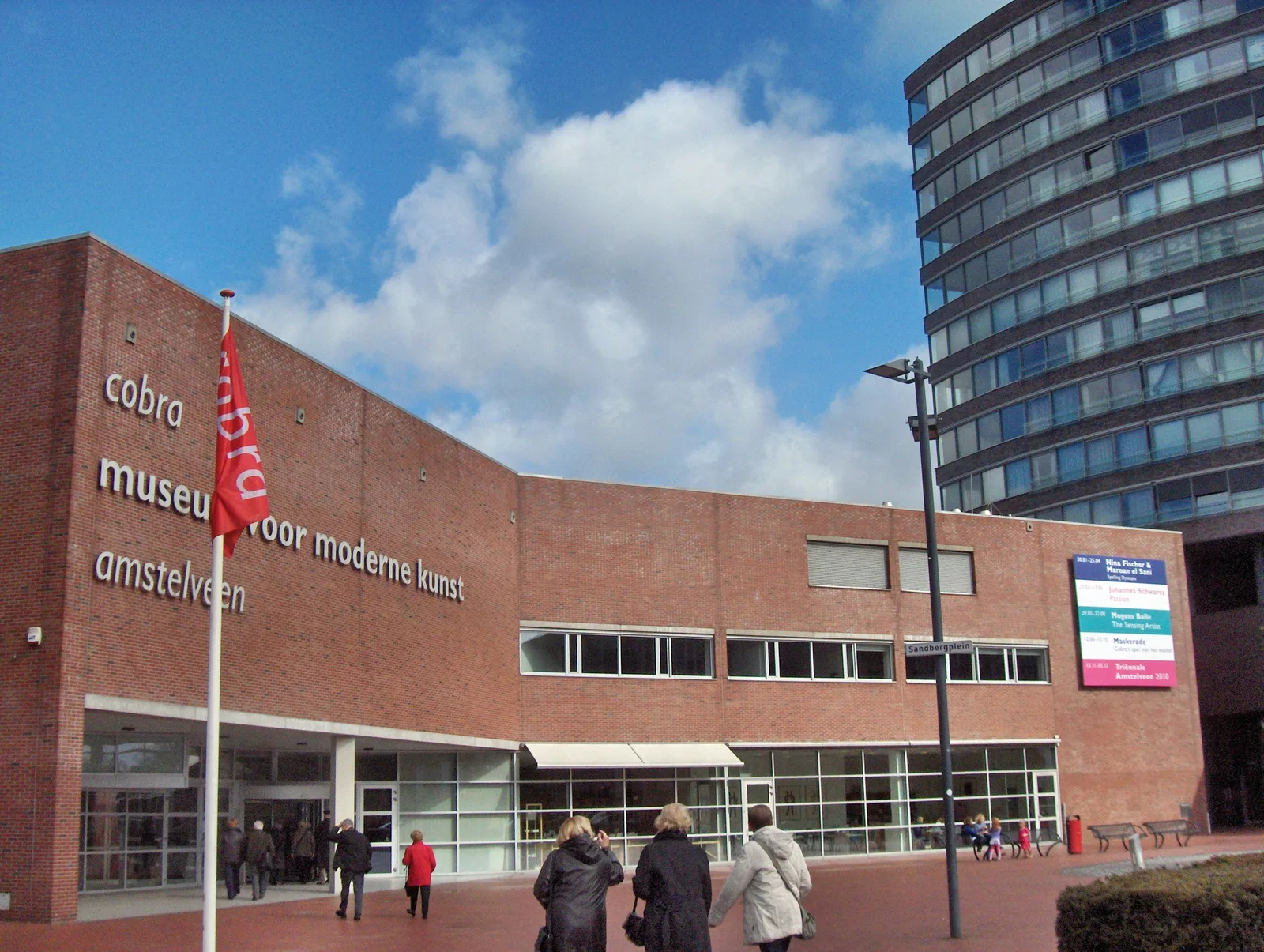
Museum Cobra
Museum Cobra centres on the art and ideas of the Cobra movement. Its own collection and Cobra’s history are connected with contemporary artists and modern art movements. The museum also presents national and international exhibitions.
Sandbergplein 1, 1181 ZX Amstelveen
A day in Amstelveen
This example fits an ordinary Tuesday to Sunday outside closure dates. Museum Cobra opens at 10:00; Museum JAN at 11:00. An hour and a half between visits allows lunch and travel to the Old Village. Both visits cover a selection.
10:00–12:00 · Museum Cobra
The morning is for Museum Cobra at Sandbergplein 1. The collection and exhibitions provide the starting point. The focus is on Cobra’s art and ideas and the connections the museum makes with later art.
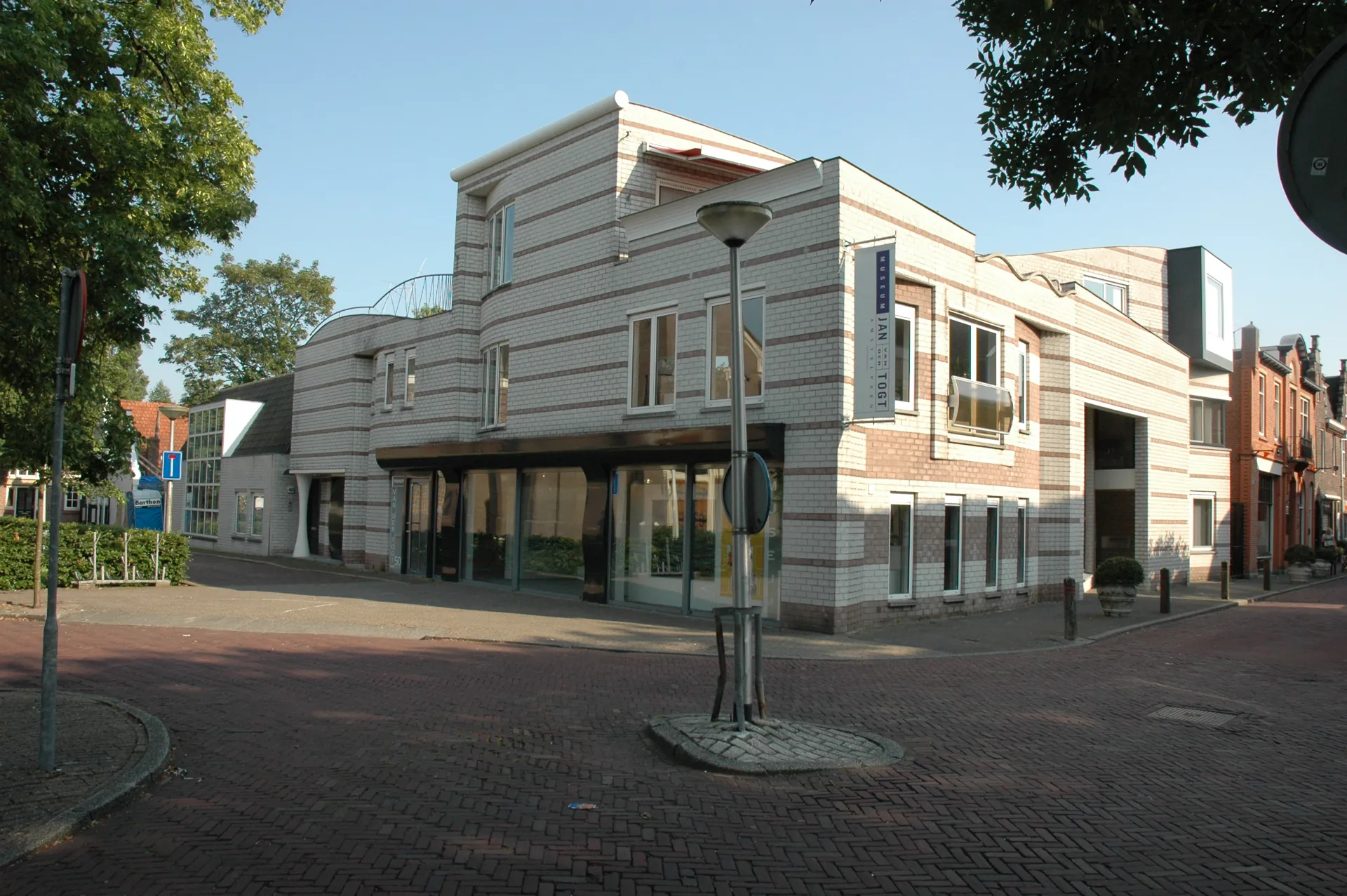
13:30–15:30 · Museum JAN
After lunch comes Museum JAN at Dorpsstraat 50. Glass objects, modern and contemporary art and design give the afternoon a different focus. The permanent collection and changing exhibitions offer a range of materials and forms.
More about Amstelveen
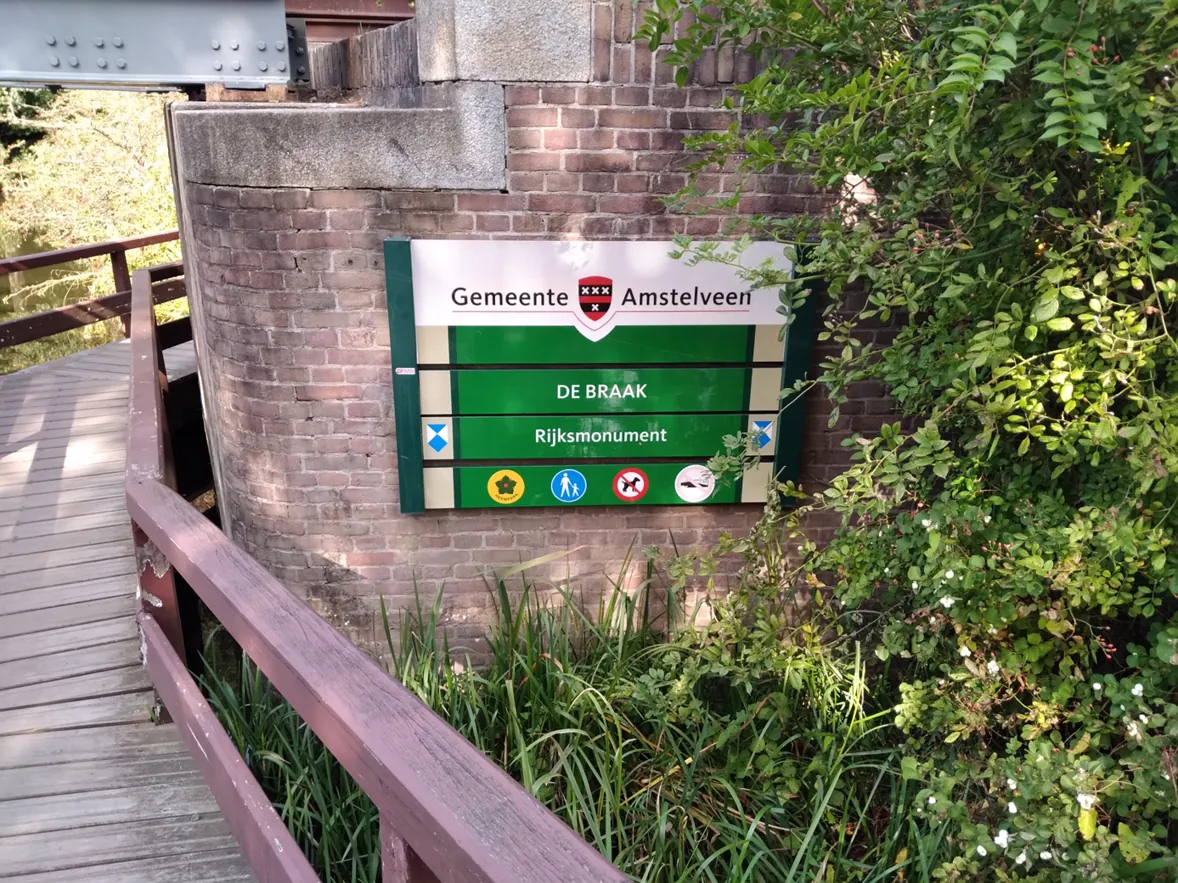
De Braak was developed in 1939 and is Amstelveen’s oldest habitat park. A large pond forms its heart. Wooden bridges link a walk past heath and reed beds, among other habitats. De Braak has a more open character than Thijssepark’s garden rooms. Admission is free; the park is at Amsterdamseweg 212.
Key figures and transport
Population
95,840
Area
44.08 km²
Water
2.80 km²
Localities
1
Reference date · 1 January 2026
Search Holland Magazine
Designed nature
Garden rooms in Thijssepark
Dr. Jac. P. Thijssepark consists of different garden rooms joined by curved paths. Raised and lowered ground creates space for plants from dry and damp habitats. Chris Broerse and Koos Landwehr developed this habitat park using Dutch flora. It has national monument status and free admission. This walk is separate from the two museum visits.